Yong tau foo is one of Kuala Lumpur’s most comforting Chinese dishes, combining tofu, vegetables and other ingredients stuffed with flavourful fish or meat paste. Served in a light broth, deep-fried until golden or accompanied by sweet and spicy sauces, it is a versatile meal that has become a favourite across generations.
While yong tau foo has its roots in Hakka Chinese cuisine, it has developed a particularly strong following in the Klang Valley. Ampang is especially famous for its traditional yong tau foo restaurants, but you’ll also find longstanding favourites in Pudu, Segambut, Jalan Ipoh, Cheras and Petaling Street.
Whether you’re looking for traditional Hakka-style yong tau foo, a casual neighbourhood lunch or a plate loaded with fried favourites, here’s our guide to some of the best yong tau foo in Kuala Lumpur and the Klang Valley.
What Is Yong Tau Foo?
Yong tau foo, written as 酿豆腐 in Chinese, literally refers to stuffed tofu. Originating from Hakka Chinese culinary traditions, the dish traditionally involves tofu filled with seasoned minced meat or fish paste.
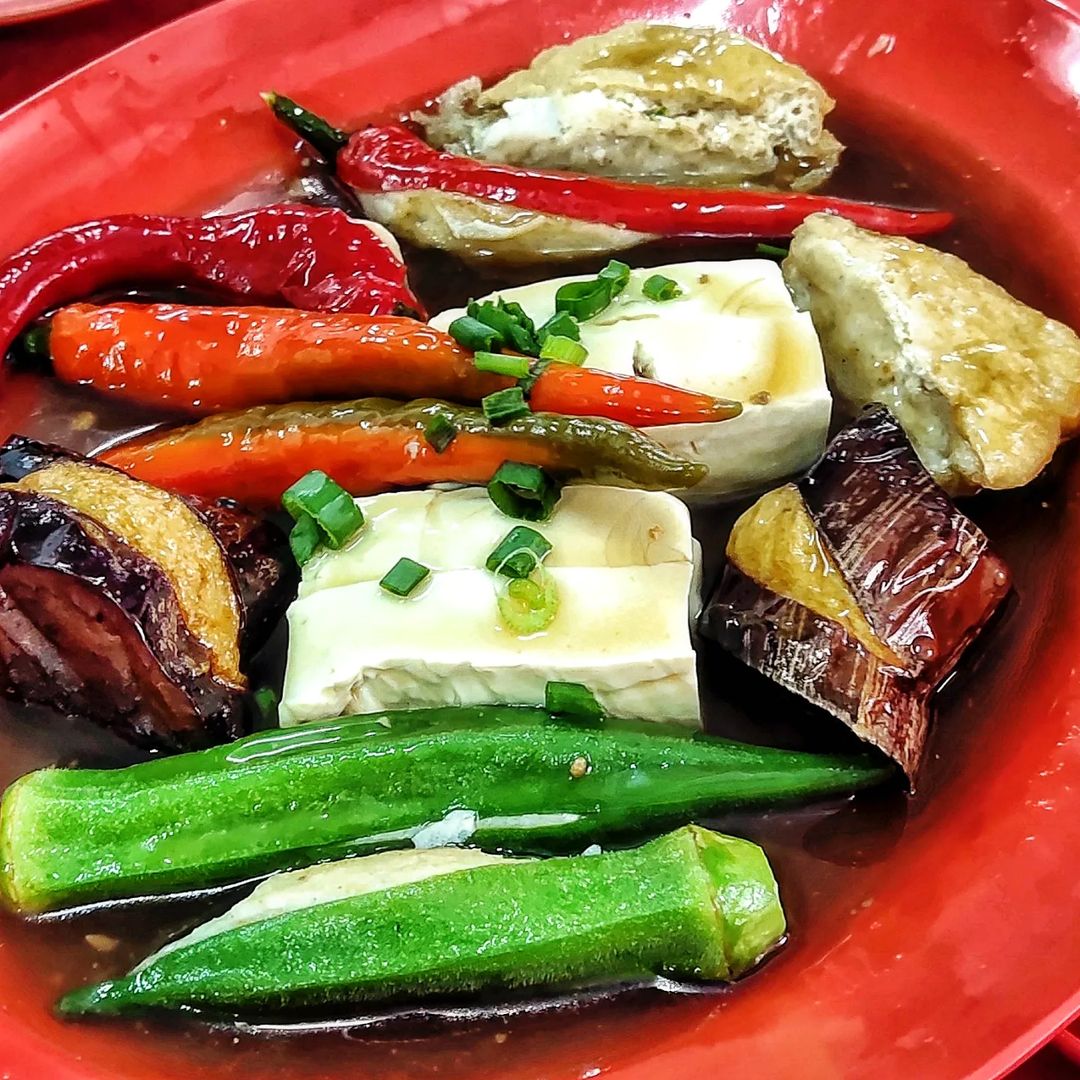
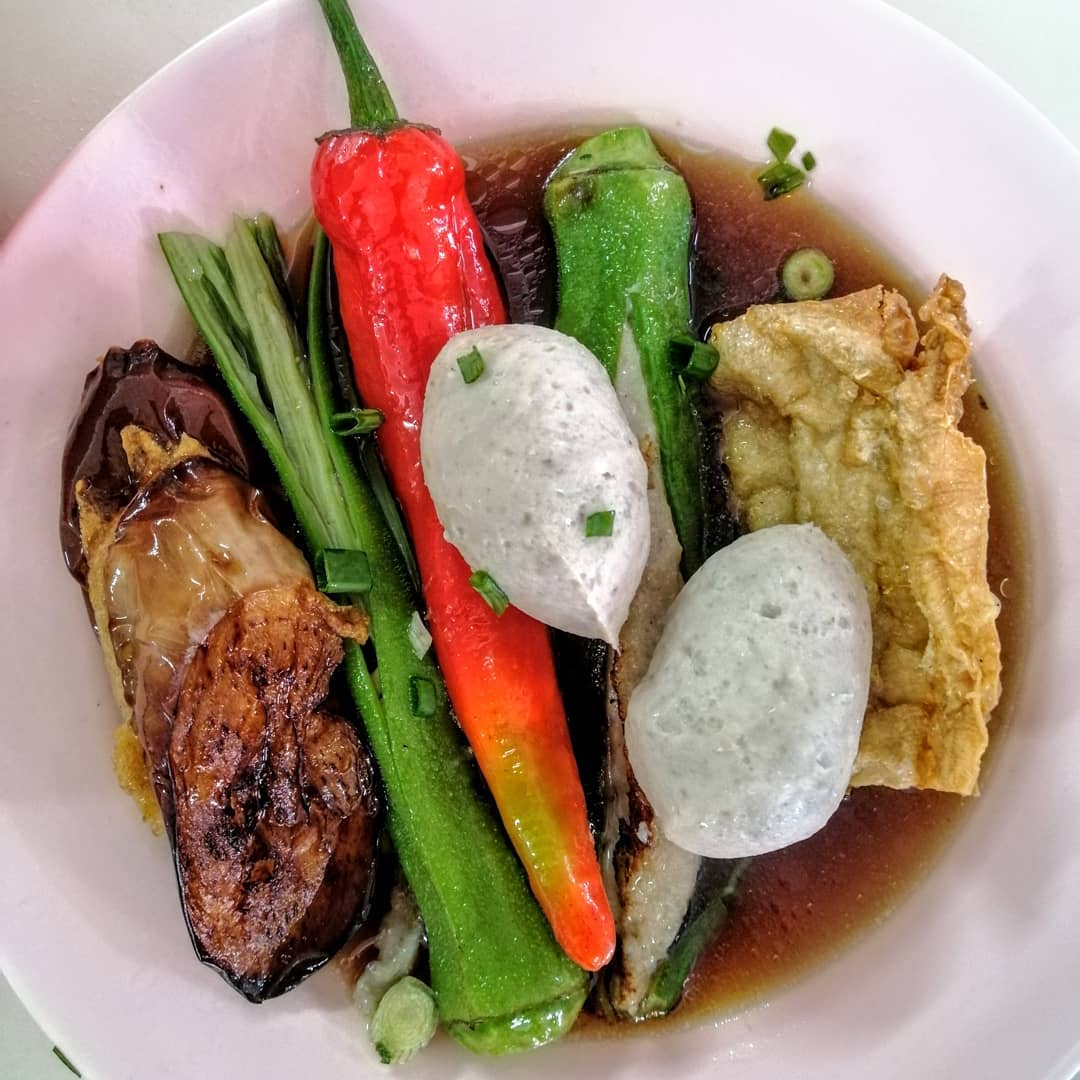
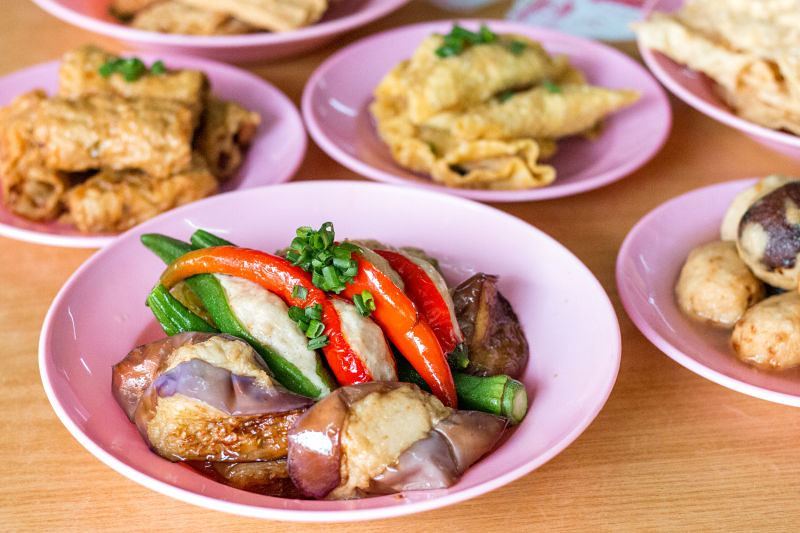
Over time, the selection expanded beyond tofu to include vegetables and other ingredients such as bitter gourd, brinjal, chillies, lady’s fingers, mushrooms and beancurd skin.
Today, a typical yong tau foo restaurant allows diners to choose their preferred ingredients, which are then boiled, steamed or fried.
The dish is commonly served in two ways:
- Soup-style yong tau foo: Stuffed ingredients served in a light, savoury broth, sometimes accompanied by noodles.
- Dry-style yong tau foo: Cooked ingredients served separately with sweet bean sauce, chilli sauce or other gravies.
The freedom to choose different ingredients makes yong tau foo one of the most customisable traditional Chinese meals in Malaysia.
Why Is Ampang Famous for Yong Tau Foo?
Ampang has become almost synonymous with yong tau foo in the Klang Valley.
The neighbourhood is home to several longstanding restaurants specialising in Hakka-style stuffed tofu and vegetables, including establishments that have been serving generations of customers.
One of the area’s best-known names is Foong Foong Yong Tau Foo, which traces its history to the 1970s.
Ampang-style yong tau foo is particularly associated with generously stuffed ingredients, a combination of fried and soup-cooked items, and traditional sauces that complement the fish paste and vegetables.
For many Kuala Lumpur residents, travelling to Ampang for a yong tau foo lunch has become something of a weekend food tradition.
Best Yong Tau Foo in Kuala Lumpur & Klang Valley
Segambut Yong Tau Foo
67, Jalan Segambut Pusat,
Taman Segambut,
51200 Kuala Lumpur.
010-3111034
Foong Foong Yong Tau Foo
613, Jalan Merdeka,
Kampung Baru Ampang,
68000 Ampang, Selangor.
012-2095529
Yong Tau Foo Kampung Pandan
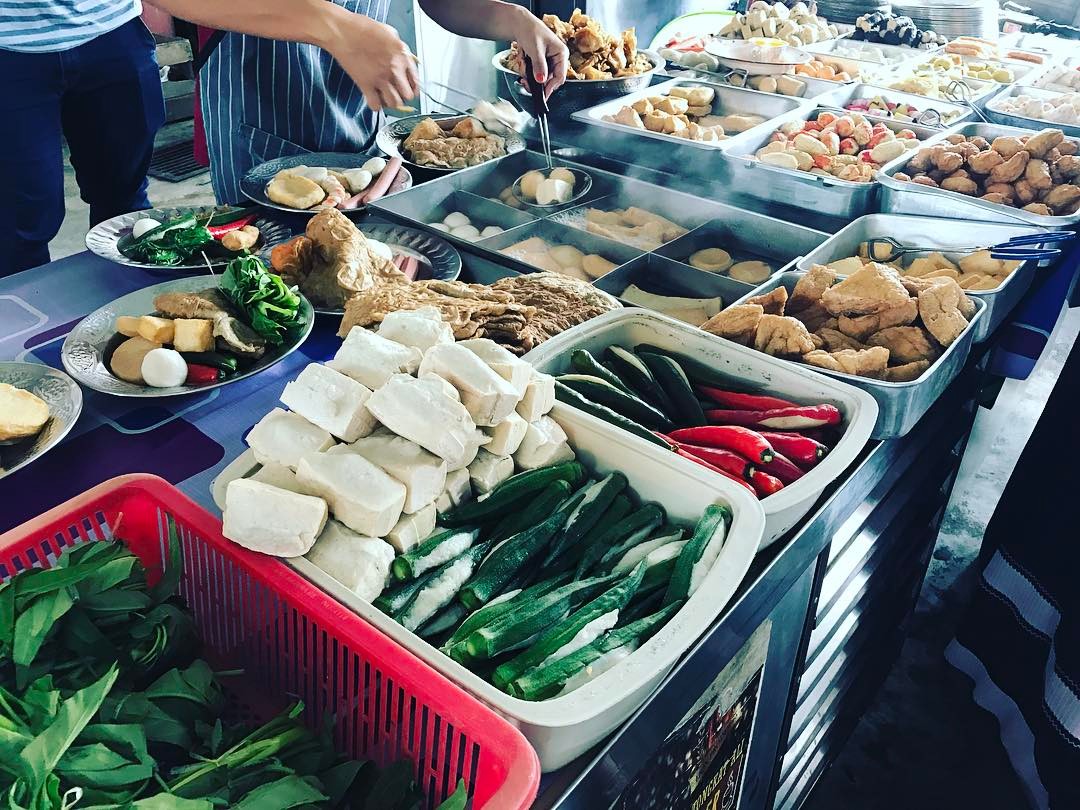
4, Jalan Thaver,
Kampung Pandan,
55100 Kuala Lumpur.
019-3870685
Ipoh Road Yong Tau Foo
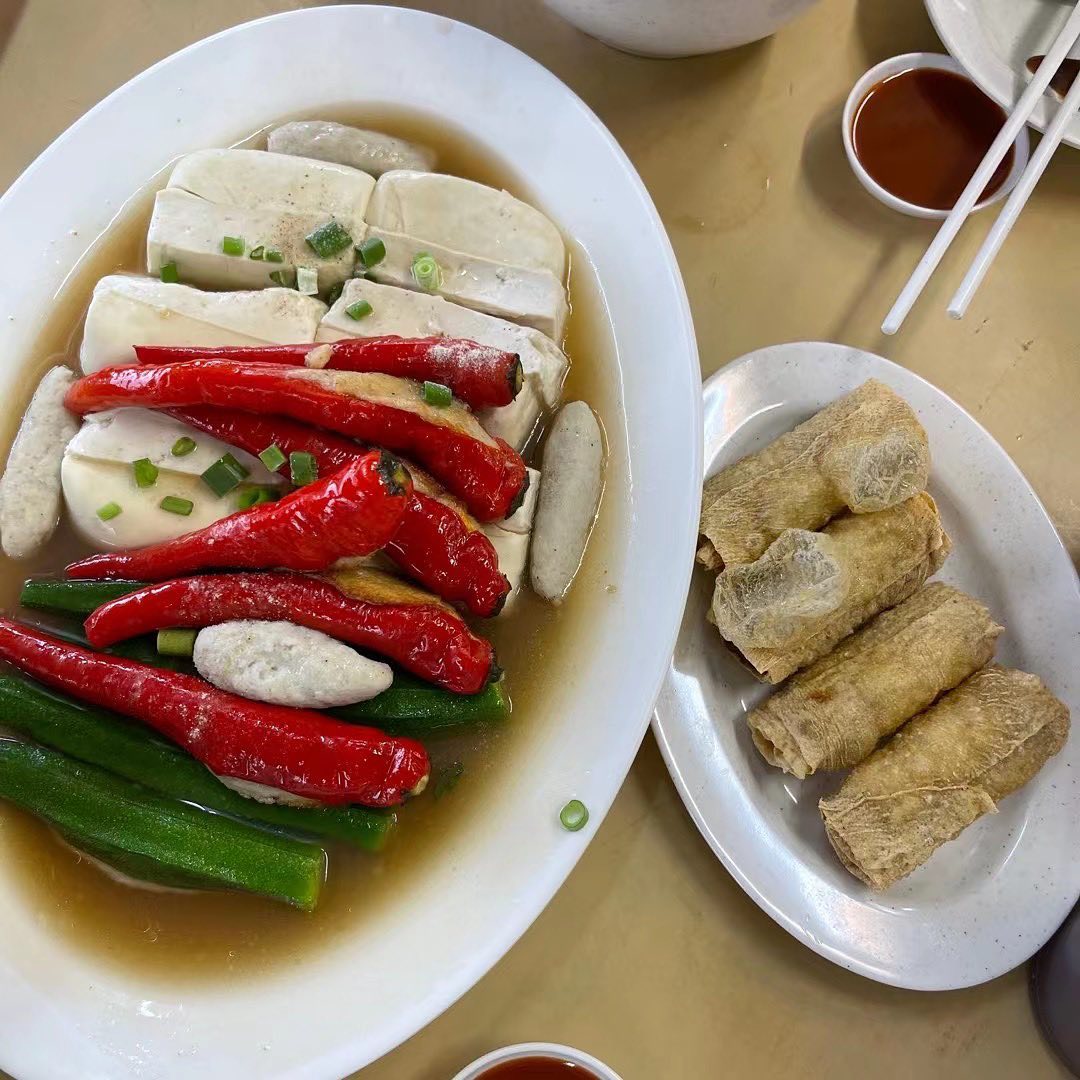
478, Jalan Sultan Azlan Shah,
Jalan Ipoh, 51200 Kuala Lumpur.
017-6344052
Restoran Yap Hup Kee
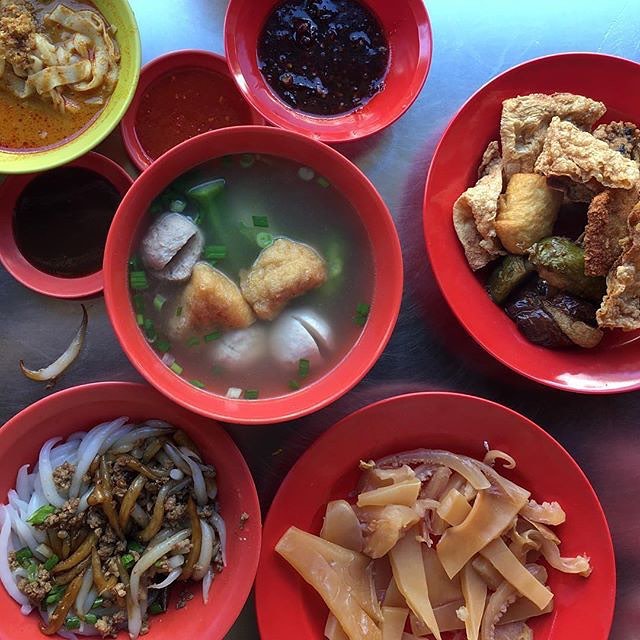
45, Jalan Brunei Barat,
Pudu, 55100 Kuala Lumpur.
03-21489220
Chan Chan Yong Tau Foo
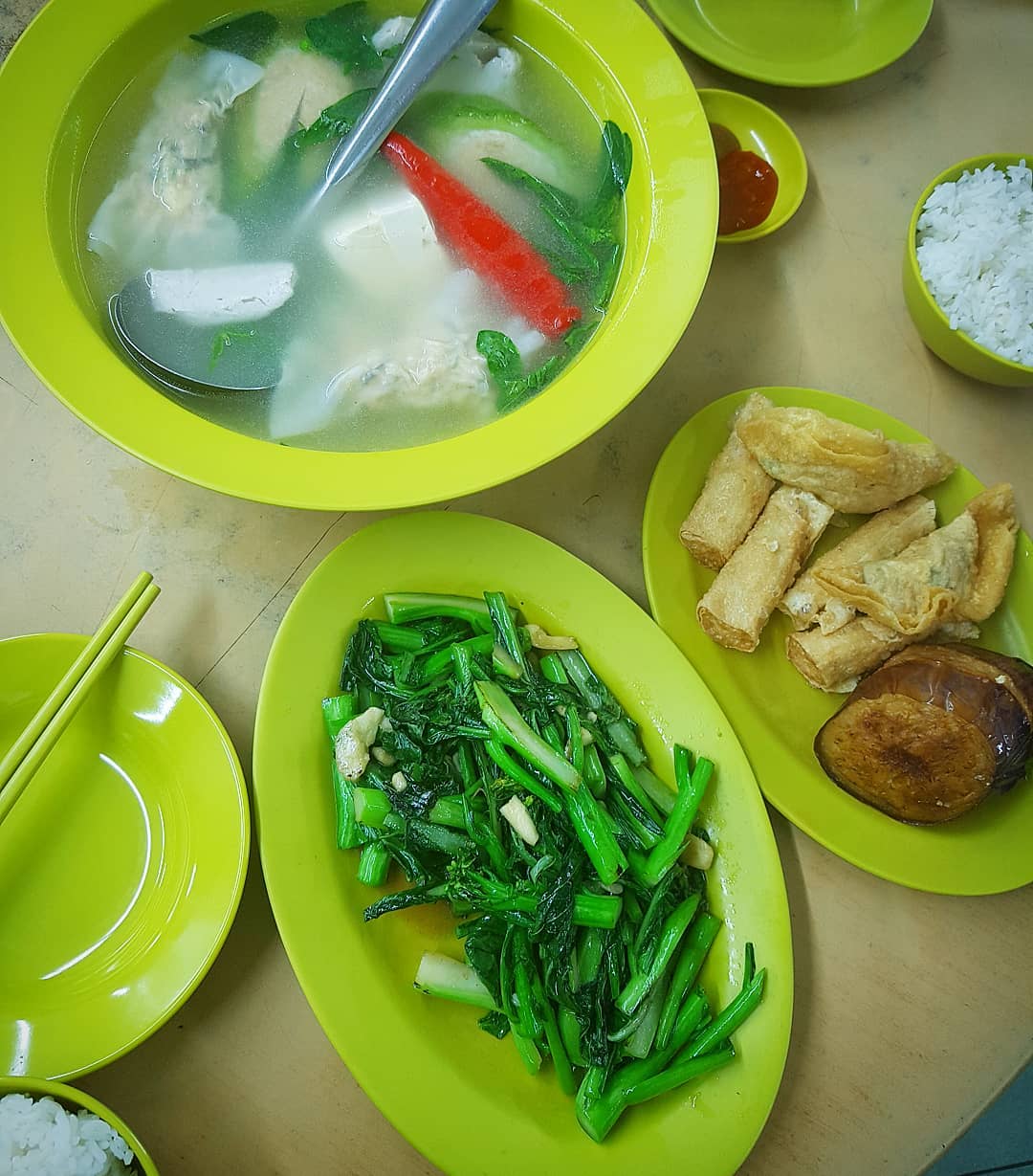
69, Jalan 11/62A
Bandar Manjalara, Kepong,
52200 Kuala Lumpur.
03-62759113
Wah Kiow Yong Tau Fu
No.117, Block P/B, Taman Cheras,
56100 Kuala Lumpur.
016-6803636 | Facebook
Restoran Home Town Yong Tau Foo
47, Jalan Memanda 9,
Taman Dato Ahmad Razali, 68000
Ampang, Selangor.
012-6827627 | Facebook
Madras Lane Yong Tau Foo
Lorong Bandar 20, Off Jalan Petaling,
Kuala Lumpur.
018-3758890 | Facebook
Restoran Fatty Mok Hakka Yong Tau Foo
AS 27, Jalan Hang Tuah 3,
Salak South Garden,
57100 Kuala Lumpur.
03-79814888
Popular Yong Tau Foo Ingredients to Try
One of the best things about yong tau foo is the variety of ingredients available. While selections vary between restaurants, these are some of the most popular choices.
Stuffed Tofu
The original inspiration behind the dish, stuffed tofu combines soft bean curd with seasoned fish or meat paste. It can be steamed, boiled or fried, offering different textures depending on the preparation.
Stuffed Bitter Gourd
Bitter gourd is one of the most traditional yong tau foo ingredients. Its slightly bitter flavour balances the savoury stuffing, making it particularly popular among diners who enjoy more complex flavours.
Stuffed Brinjal
Soft, tender brinjal absorbs sauces and broth beautifully. When stuffed with fish paste and fried, it develops a satisfying contrast between the delicate vegetable and springy filling.
Stuffed Chilli
Green chillies filled with fish paste offer a mild pepper flavour and a pleasant bite. Depending on the chilli used, some pieces may be slightly spicy.
Stuffed Lady’s Fingers
Also known as okra, lady’s fingers are commonly split and filled with fish paste. Their tender texture and natural sweetness complement the savoury filling.
Fried Fu Chuk
Beancurd skin rolls filled with fish paste are among the most popular fried yong tau foo items. They develop a golden, crispy exterior while retaining a springy filling.
Fish Balls and Fish Paste Rolls
These provide a satisfying, bouncy texture and are especially enjoyable in clear soup. Their quality often reflects the freshness and preparation of the fish paste.
Fried Dumplings
Crispy dumplings add variety to a plate of yong tau foo. Filled with seasoned meat or fish paste, they are particularly good when dipped into chilli or sweet bean sauce.
Soup vs Dry Yong Tau Foo: Which Is Better?
Both styles are popular in Kuala Lumpur, and the choice largely depends on personal preference.
Soup Yong Tau Foo
Soup-style yong tau foo is served in a clear broth, usually made using ingredients such as anchovies, meat bones or other savoury stock bases.
The broth complements the fish paste and vegetables without overwhelming their natural flavours.
It is particularly suitable for diners who prefer lighter meals or want to enjoy their yong tau foo with noodles.
Dry Yong Tau Foo
Dry-style yong tau foo is typically served separately from the broth, accompanied by sweet bean sauce, chilli sauce or a combination of both.
Fried ingredients are especially popular in this style because their crisp textures pair well with the sauces.
If you’re visiting a yong tau foo restaurant for the first time, ordering a mixture of soup and fried items is a good way to experience both.
What Makes Great Yong Tau Foo?
Fresh, Springy Stuffing
The fish or meat paste should be fresh, well-seasoned and pleasantly springy without becoming rubbery. It should complement the tofu or vegetables rather than overpowering them.
Quality Tofu and Vegetables
Fresh tofu should be soft and delicate, while vegetables such as bitter gourd, brinjal and lady’s fingers should retain their natural flavours and textures.
Flavourful Broth
A good soup should be light but savoury, allowing the flavours of the stuffed ingredients to come through without excessive saltiness or oiliness.
Crispy Fried Ingredients
Fried beancurd skin, dumplings and tofu should be golden and crisp without being overly greasy. The contrast between crispy exteriors and soft fillings is part of their appeal.
Balanced Sauces
Sweet bean sauce and chilli sauce are essential accompaniments at many yong tau foo restaurants. The best sauces add sweetness, spice and depth without overwhelming the ingredients.
Fresh Preparation
Yong tau foo is particularly satisfying when ingredients are cooked to order and served hot. Fresh preparation helps preserve the textures of both the stuffing and vegetables.
Best Areas for Yong Tau Foo in Kuala Lumpur
Ampang
Ampang is arguably the Klang Valley’s most famous destination for traditional yong tau foo. Its longstanding Hakka restaurants, including Foong Foong and Home Town, have helped establish the neighbourhood’s reputation for stuffed tofu and vegetables.
Pudu
Pudu is one of Kuala Lumpur’s most established Chinese food neighbourhoods, with traditional restaurants, hawker stalls and kopitiams serving local favourites. Yap Hup Kee is a particularly convenient stop for yong tau foo and chee cheong fun.
Petaling Street & Chinatown
The historic streets around Petaling Street offer some of Kuala Lumpur’s most atmospheric hawker dining experiences. Madras Lane is especially worth exploring for traditional yong tau foo alongside other Chinatown favourites.
Segambut & Jalan Ipoh
These neighbouring areas have a strong tradition of casual Chinese dining. Both Segambut Yong Tau Foo and Ipoh Road Yong Tow Foo are longstanding favourites for diners seeking generous selections of stuffed vegetables, tofu and fried items.
Cheras
Cheras has a large and diverse Chinese food scene, ranging from traditional neighbourhood eateries to modern restaurants. Yong tau foo remains a familiar comfort food throughout the area’s residential communities.
Kepong
Kepong is another excellent destination for traditional Chinese food, with neighbourhood restaurants serving everything from noodle dishes to Hakka specialities. Bandar Menjalara offers convenient options for yong tau foo lovers.
Yong Tau Foo and Kuala Lumpur’s Chinese Food Culture
Yong tau foo reflects the influence of Hakka culinary traditions on Malaysia’s wider food culture.
What began as a dish centred around stuffed tofu has evolved into a highly adaptable meal, with different restaurants offering their own combinations of fish paste, meat fillings, vegetables, sauces and cooking methods.
In Kuala Lumpur, the dish is especially associated with traditional Chinese neighbourhoods and family-run restaurants, where recipes and preparation techniques have been passed down over generations.
It also demonstrates how Malaysian food evolves across communities. Alongside traditional Hakka restaurants, Malay-style yong tau foo has developed its own following, particularly through the use of different sauces and gravies.
For more traditional local dishes, explore our Kuala Lumpur Food Guide and guides to the best bak kut teh, chicken rice, char kway teow and Hokkien mee in Kuala Lumpur.
Tips for Enjoying Yong Tau Foo in Kuala Lumpur
- Visit earlier in the day, as popular ingredients may sell out before closing.
- Order a mixture of stuffed vegetables, tofu and fried items for variety.
- Try both sweet bean sauce and chilli sauce to find your preferred combination.
- Check whether the restaurant charges per piece before ordering.
- Consider adding noodles or chee cheong fun for a more substantial meal.
- Expect queues at popular restaurants, particularly during weekends.
- Check dietary requirements carefully, as traditional Hakka yong tau foo may contain pork or pork-based ingredients.
From the famous yong tau foo restaurants of Ampang to traditional eateries in Pudu, Segambut and Petaling Street, Kuala Lumpur offers plenty of opportunities to enjoy this comforting Hakka-inspired dish.
Whether you prefer stuffed tofu in a light broth, crispy fried fu chuk or a plate of assorted vegetables with sweet and spicy sauces, the best yong tau foo restaurants demonstrate how simple ingredients can become something memorable.
For first-time visitors, Ampang is an excellent place to begin. But if you’re interested in exploring Kuala Lumpur’s traditional food culture, don’t overlook the longstanding neighbourhood restaurants scattered across the city.
FAQs About Yong Tau Foo in Kuala Lumpur
What is yong tau foo?
Yong tau foo is a Hakka Chinese dish traditionally made with tofu stuffed with seasoned meat or fish paste. Modern versions also include stuffed vegetables, fish balls, dumplings and other ingredients served in soup or with sauces.
Where can I find the best yong tau foo in Kuala Lumpur?
Popular destinations include Ampang, Pudu, Segambut, Jalan Ipoh, Petaling Street, Cheras and Kepong. Foong Foong, Yap Hup Kee, Segambut Yong Tau Foo and Madras Lane are among the established names.
Why is Ampang famous for yong tau foo?
Ampang has several longstanding restaurants specialising in traditional Hakka-style yong tau foo. These establishments helped make the neighbourhood one of the Klang Valley’s best-known destinations for the dish.
What is the difference between Hakka yong tau foo and other versions?
Traditional Hakka yong tau foo emphasises stuffed tofu and vegetables, often using fish or meat paste. Modern Malaysian versions may include a wider selection of ingredients, different sauces, noodles and regional interpretations.
Is yong tau foo halal?
Not all yong tau foo is halal. Traditional Chinese versions may contain pork in the stuffing, broth or other ingredients. Muslim diners should verify the ingredients and halal certification of individual restaurants before visiting.
How much does yong tau foo cost in Kuala Lumpur?
Prices vary by restaurant and ingredient. Many traditional establishments charge per piece, with premium or larger items costing more. Noodles, rice and drinks are generally charged separately.
Is yong tau foo healthy?
Yong tau foo can be a relatively balanced meal when prepared with fresh vegetables, tofu and fish paste in a light broth. However, fried ingredients, processed items and sweet sauces can increase the calorie, fat and sodium content.
What should I order with yong tau foo?
Popular accompaniments include chee cheong fun, rice, noodles, fried dumplings, beancurd skin rolls and chilli sauce. Some restaurants also serve rojak and other traditional snacks.
Is yong tau foo usually eaten for breakfast or lunch?
Yong tau foo is commonly enjoyed for breakfast, brunch and lunch, although some restaurants also serve it for dinner. Operating hours vary, and popular stalls may sell out of certain ingredients earlier in the day.