
Kuala Lumpur is a city where modern landmarks, historic neighbourhoods and multicultural traditions exist side by side. The Petronas Twin Towers rise above traditional Malay houses, temples stand between old shophouses, and longstanding kopitiams operate near contemporary restaurants and shopping centres.
For first-time visitors, Kuala Lumpur offers famous attractions such as Batu Caves, KLCC and Merdeka Square. However, experiencing the city involves more than moving between landmarks. Some of the best things to do in Kuala Lumpur include eating across its multicultural food scene, exploring distinct neighbourhoods, visiting religious and cultural sites, discovering creative spaces and seeing how the city changes after dark.
This guide organises Kuala Lumpur’s activities by type of experience, helping you decide what to do according to your interests, budget and available time. It also shows which activities can be combined within the same area, reducing unnecessary travel across the city.
If you are primarily deciding which individual landmarks and destinations to visit, compare them in our guide to the best places to visit in Kuala Lumpur. First-time travellers can also begin with our complete Kuala Lumpur beginner’s guide.
Quick Answer: What Are the Best Things to Do in Kuala Lumpur?
If this is your first visit, these are 15 of the best experiences to prioritise:
- See the Petronas Twin Towers and walk through KLCC Park.
- Climb the 272 colourful steps at Batu Caves and enter the main Temple Cave.
- Explore Petaling Street and Chinatown, including its temples, markets and heritage lanes.
- Walk around Merdeka Square and Kuala Lumpur’s historic centre.
- Eat your way through the city, from kopitiam breakfasts to mamak suppers.
- Experience Bukit Bintang after dark, including its shopping streets and nightlife.
- Visit the National Mosque and Islamic Arts Museum Malaysia near Perdana Botanical Gardens.
- Explore Kampung Baru for Malay food and traditional houses surrounded by skyscrapers.
- Cross the illuminated Saloma Link between Kampung Baru and KLCC.
- Shop at Pavilion Kuala Lumpur, Suria KLCC or The Exchange TRX.
- Visit a museum, gallery or creative space to understand the city beyond its landmarks.
- Walk through Perdana Botanical Gardens or Taman Tugu for a break from the urban centre.
- Enjoy Kuala Lumpur’s skyline from an observation deck, rooftop venue or public park.
- Spend an evening at Jalan Alor, a night market or a late-night mamak restaurant.
- Take a day trip to Putrajaya, Genting Highlands or Melaka if you have additional time.
You do not need to complete every activity on one trip. For most visitors, combining two major attractions with one neighbourhood and an evening experience creates a comfortable day.
Choose Things to Do in Kuala Lumpur by Interest
| If you enjoy… | Experiences to prioritise | Best areas |
|---|---|---|
| Iconic landmarks | Petronas Twin Towers, KL Tower, Merdeka Square and Batu Caves | KLCC, historic centre and Batu Caves |
| History and heritage | Merdeka Square, Stadium Merdeka, Masjid Jamek and Chinatown | Merdeka, Masjid Jamek and Petaling Street |
| Cultural experiences | National Mosque, Batu Caves, Thean Hou Temple and local neighbourhoods | Lake Gardens, Batu Caves, Chinatown and Kampung Baru |
| Local food | Kopitiams, mamak restaurants, hawker centres and neighbourhood food trails | Pudu, Kampung Baru, Chow Kit, Brickfields and Petaling Street |
| Shopping | Luxury malls, lifestyle centres, traditional markets and local products | Bukit Bintang, KLCC, TRX and Chinatown |
| Art and creativity | Museums, contemporary galleries, bookstores and independent spaces | Chinatown, Ampang Park and Titiwangsa |
| Parks and nature | Botanical gardens, forest trails, lakeside parks and urban green spaces | Perdana Gardens, Taman Tugu, Titiwangsa and TRX |
| Family activities | Aquaria KLCC, Petrosains, theme parks and animal attractions | KLCC, Bukit Bintang and the wider Klang Valley |
| Night activities | Skyline views, fountain shows, street food, rooftop bars and supper | KLCC, Bukit Bintang and Kampung Baru |
| Free activities | Public parks, temples, heritage walks, galleries and neighbourhood exploration | Across central Kuala Lumpur |
| Photography | Batu Caves, Saloma Link, Petronas Twin Towers and heritage architecture | Batu Caves, KLCC, Kampung Baru and Merdeka |
| Local neighbourhoods | Markets, traditional businesses, community food and everyday city life | Pudu, Chow Kit, Brickfields, Kampung Baru and Cheras |
| Rainy-day activities | Museums, malls, Aquaria, Petrosains, bookstores and indoor entertainment | KLCC, Bukit Bintang, TRX and Chinatown |
| Day trips | Administrative architecture, highland entertainment and historic cities | Putrajaya, Genting Highlands and Melaka |
How to Use This Guide
Kuala Lumpur’s attractions are spread across several districts, and travelling between them can take longer than the distance on a map suggests. Traffic, rain, station exits and pedestrian routes can all affect journey times.
For a more comfortable itinerary, group activities into nearby clusters:
- KLCC and Kampung Baru: Petronas Twin Towers, KLCC Park, Aquaria, Saloma Link and Malay food
- Bukit Bintang and TRX: Shopping, restaurants, nightlife, Jalan Alor and TRX City Park
- Merdeka and Chinatown: Merdeka Square, Masjid Jamek, Central Market, Petaling Street and REXKL
- Lake Gardens: National Mosque, Islamic Arts Museum Malaysia, National Museum and Perdana Botanical Gardens
- Batu Caves: Temple complex and nearby attractions, followed by another activity after returning to the city
Rather than trying to cover the entire city in one day, choose the sections of this guide that match your interests. Our Kuala Lumpur neighbourhoods guide can help you understand how the city’s main areas differ, while the getting around Kuala Lumpur guide explains the MRT, LRT, Monorail, buses and other transport options.
See Kuala Lumpur’s Iconic Landmarks
Kuala Lumpur’s landmarks represent different chapters of the city’s development. Colonial-era civic buildings surround Merdeka Square, post-independence architecture expresses a growing national identity, and skyscrapers such as the Petronas Twin Towers and Merdeka 118 reflect Malaysia’s modern ambitions.
First-time visitors should select two or three landmarks and combine them geographically. KLCC forms one convenient cluster, while Merdeka Square, Stadium Merdeka and the surrounding historic centre can be explored together.
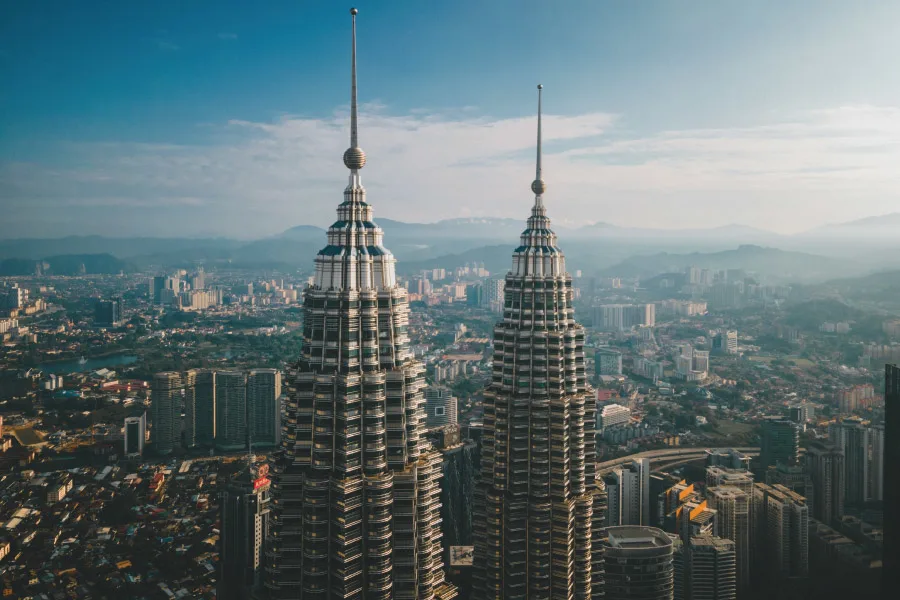
See the Petronas Twin Towers
The Petronas Twin Towers remain Kuala Lumpur’s defining landmark. Visitors can book a timed experience covering the Skybridge and Level 86 observation deck, while KLCC Park provides excellent free views from ground level.
Visit in the late afternoon to see the towers in daylight and after they illuminate at night. Popular observation-deck sessions, particularly around sunset and weekends, may sell out in advance.
Combine the towers with Suria KLCC, Petrosains or Aquaria KLCC. Our complete Petronas Twin Towers guide covers tickets, photography spots and practical visiting tips.
Walk Through KLCC Park and Watch Lake Symphony
KLCC Park provides walking paths, landscaped greenery and some of the best unobstructed views of the Petronas Twin Towers. Families can also use the children’s playground and public wading pool, subject to operating arrangements.
In the evening, visitors gather beside the Suria KLCC esplanade for the Lake Symphony fountain presentations. Showtimes can change, so check the current schedule if you are visiting specifically for a performance.
Use our KLCC area guide to combine the park with nearby attractions, restaurants and shopping.
View the City from Kuala Lumpur Tower
Kuala Lumpur Tower, or KL Tower, rises above Bukit Nanas and provides a broad panorama across the city. Unlike the view from the Petronas Twin Towers, its vantage point allows visitors to see several major skyscrapers within the wider skyline.
Available experiences may include indoor observation areas and open-air viewing platforms, depending on current ticketing arrangements. Check the weather before visiting, as rain, low clouds or haze can reduce visibility.
Our Kuala Lumpur Tower guide explains the viewing options, tickets and ways to get there.
Walk Around Merdeka Square
Merdeka Square, or Dataran Merdeka, is where the Union Jack was lowered and the flag of the newly independent Federation of Malaya was raised at midnight on 31 August 1957.
The square is framed by the Sultan Abdul Samad Building, Royal Selangor Club and other historic structures. Visit in the morning or late afternoon, as the open area provides limited shade.
From here, continue towards Masjid Jamek, the River of Life, Central Market and Petaling Street to create a longer heritage walk through Kuala Lumpur’s historic centre.
Visit Stadium Merdeka
Stadium Merdeka was where Tunku Abdul Rahman formally proclaimed Malaya’s independence on the morning of 31 August 1957. It should not be confused with Merdeka Square, where the flag-raising ceremony took place shortly before midnight.
The restored stadium later hosted major sporting events, public gatherings and concerts. Public access may depend on scheduled events and current visiting arrangements, so check before travelling specifically to enter.
Our Stadium Merdeka guide covers its history, visitor information and nearby attractions.
Explore the Merdeka 118 Precinct
At 678.9 metres, Merdeka 118 is Malaysia’s tallest building and one of the tallest skyscrapers in the world. Its position beside Stadium Merdeka creates a dramatic contrast between the site of national independence and a contemporary symbol of Malaysia’s development.
The opening of 118 Mall in November 2026 has added shopping and dining to the wider precinct. Visitors can now combine the area with Stadium Merdeka, Stadium Negara and nearby Chinatown.
Read our guides to Merdeka 118 and 118 Mall for more details.
Notice Kuala Lumpur’s Architectural Layers
Several other buildings help tell Kuala Lumpur’s architectural story:
- Sultan Abdul Samad Building: The historic architectural anchor of Merdeka Square
- Kuala Lumpur Railway Station: Recognisable for its domes, arches and colonial-era design
- Dayabumi Complex: An early modern skyscraper with an Islamic-inspired geometric façade
- National Mosque: A major expression of post-independence modernist architecture
- The Exchange 106: A defining tower within Kuala Lumpur’s developing TRX district
You will encounter several of these buildings while travelling between the city’s main districts. Explore more in our guide to Kuala Lumpur’s famous landmarks.
Discover Kuala Lumpur’s Heritage and Culture
Kuala Lumpur’s cultural identity is shaped by Malay, Chinese, Indian and other communities that have lived, traded and worshipped in the city for generations. Mosques, Hindu temples, Chinese temples, churches and historic streets often stand within walking distance of one another.
Many religious sites welcome visitors without an admission fee, but they remain active places of worship. Dress modestly, observe visiting periods and avoid interrupting prayers or ceremonies.
Climb the Colourful Steps at Batu Caves
Batu Caves is a Hindu temple complex built within a limestone hill north of central Kuala Lumpur. Its most recognisable features are the golden Lord Murugan statue and 272 colourful steps leading to the main Temple Cave.
Visit early to avoid the strongest heat and largest crowds. Entry to the main temple complex is generally free, although some separate attractions around the site may charge admission. Wear modest clothing, use practical footwear and avoid carrying visible food near the monkeys.
Our complete Batu Caves guide covers transport, visiting tips and what to expect.
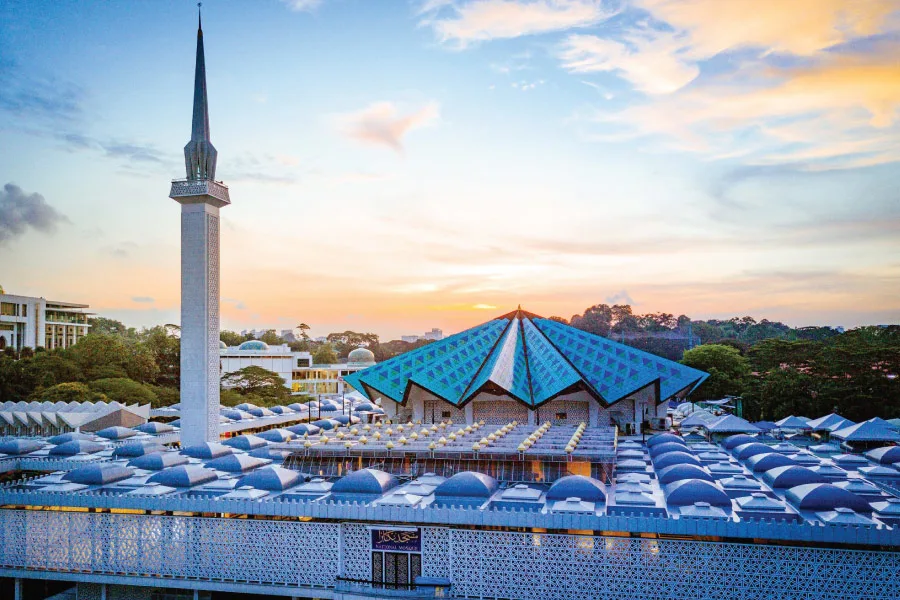
Visit the National Mosque
Masjid Negara, or the National Mosque, was completed in 1965 and represents Malaysia’s emergence as an independent nation. Its modernist design is distinguished by a folded, star-like roof, a slender minaret and landscaped reflecting pools.
Non-Muslim visitors are generally welcome during designated periods outside prayer times. Robes and head coverings may be provided when required, although visitors should still arrive in modest clothing.
Combine the mosque with the Islamic Arts Museum Malaysia and Perdana Botanical Gardens, which are located within the same wider district.
See Where Kuala Lumpur Began at Masjid Jamek
Masjid Jamek Sultan Abdul Samad stands near the confluence of the Klang and Gombak rivers, around which early Kuala Lumpur developed. Opened in 1909, it is recognised for its domes, minarets, arches and riverside setting.
The mosque fits naturally into a walking route between Merdeka Square, the River of Life and Central Market. Non-Muslim access is subject to designated visiting hours and may be restricted during prayers or religious occasions.
Read our Masjid Jamek guide for its history and visitor information.
Explore the Federal Territory Mosque
Masjid Wilayah Persekutuan is one of Kuala Lumpur’s most architecturally impressive mosques. Its design combines Ottoman, Malay and other Islamic influences across a large complex of domes, courtyards and decorative interiors.
The mosque is located away from the main tourist districts near Jalan Duta, so reaching it usually requires a ride-hailing service or private transport. Guided visits may be available, giving visitors an opportunity to learn about the building, Islamic practices and the role of the mosque.
Check current visitor arrangements before travelling and avoid prayer periods.
Visit Thean Hou Temple
Thean Hou Temple is a large hilltop Chinese temple dedicated primarily to the sea goddess Mazu. Its multi-level structure features ornate roofs, decorative pillars, prayer halls, red lanterns and views towards Kuala Lumpur’s skyline.
The temple is particularly colourful around Chinese New Year and other celebrations, although festival periods also attract larger crowds. Public areas are generally free to enter, but ceremonies and private functions can affect access.
Our Thean Hou Temple guide covers its symbolism, visiting advice and the best time for photography.
Enter Sri Mahamariamman Temple
Established in 1873, Sri Mahamariamman Temple is Kuala Lumpur’s oldest Hindu temple. Its elaborate South Indian-style entrance tower is covered with colourful figures of Hindu deities, making it one of Chinatown’s most recognisable cultural landmarks.
Visitors are generally welcome subject to worship times and temple rules. Shoes must be removed before entering, and a small fee may apply if you use the supervised shoe-storage service.
The temple is close to Guan Di Temple, Central Market and Petaling Street. Plan the surrounding route with our Sri Mahamariamman Temple guide.
Discover Chinatown’s Historic Chinese Temples
Two smaller temples provide a deeper look at the Chinese communities that helped shape early Kuala Lumpur.
Guan Di Temple on Jalan Tun H.S. Lee is dedicated to the deity associated with loyalty, righteousness and protection. Nearby, Sin Sze Si Ya Temple is one of Kuala Lumpur’s oldest Taoist temples and is closely linked to the city’s early Chinese settlers.
Both remain active places of worship. Visit quietly, follow photography rules and avoid blocking devotees. They can be included in the same walk as Sri Mahamariamman Temple and Petaling Street.
See Kuala Lumpur’s Historic Churches
Kuala Lumpur’s religious heritage also includes churches established during the colonial period and the city’s early development.
St Mary’s Cathedral stands beside Merdeka Square and is known for its restrained Gothic-influenced architecture. The Church of the Holy Rosary, near the historic railway district, is another longstanding religious institution with a distinctive European-influenced design.
Access may depend on services, events and church activities. If the buildings are not open to visitors, their exteriors can still be included in a wider architectural or heritage walk.
How to Visit Religious Sites Respectfully
Religious sites are not conventional tourist attractions. A few basic practices will make the experience more respectful:
- Cover your shoulders and knees.
- Remove shoes wherever required.
- Avoid visiting mosques during prayer times.
- Keep your voice low inside worship areas.
- Do not stand directly in front of people who are praying.
- Ask before photographing worshippers or ceremonies.
- Follow signs and instructions from staff or volunteers.
- Do not enter restricted prayer or ceremonial spaces.
Some locations provide robes, scarves or other coverings, but visitors should not assume these will always be available.
For more options, see our guide to religious sites in Kuala Lumpur.
Explore Kuala Lumpur’s Neighbourhoods
Kuala Lumpur is best understood as a collection of neighbourhoods rather than a single continuous city centre. The atmosphere can change considerably within a few train stops—from KLCC’s skyscrapers and Bukit Bintang’s shopping streets to traditional markets in Chow Kit and longstanding food businesses in Pudu.
Choose neighbourhoods according to the kind of experience you want. Walk within each district, then use rail or ride-hailing when moving between areas.
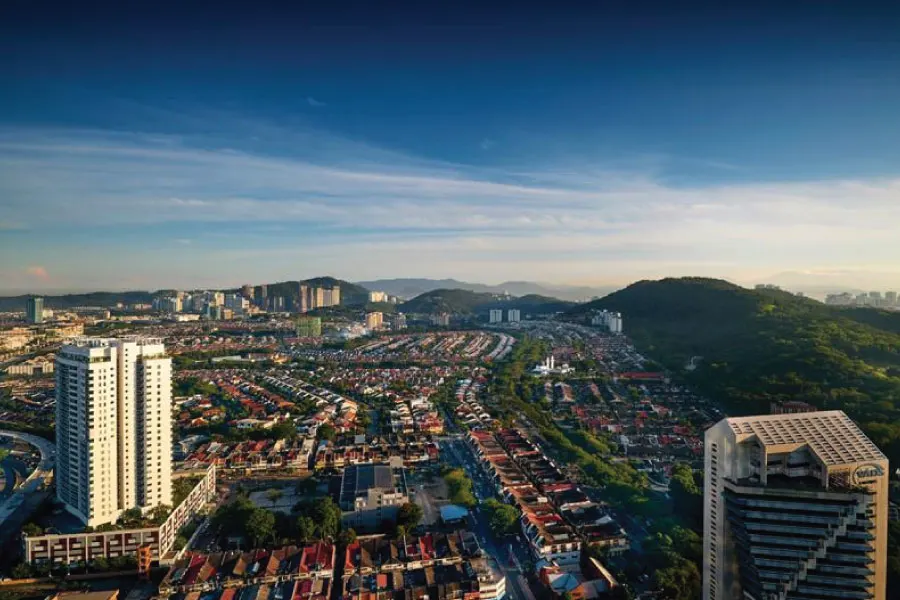
Experience the Energy of Bukit Bintang
Bukit Bintang is Kuala Lumpur’s main shopping and entertainment district. Pavilion Kuala Lumpur, Lot 10, Fahrenheit88 and several other malls sit within a relatively compact area, surrounded by restaurants, hotels and nightlife.
The district becomes busiest after sunset, when Jalan Alor begins filling with diners and the bars around Changkat Bukit Bintang grow more active. It is particularly convenient for first-time visitors who want shopping, food and evening entertainment without travelling between distant areas.
Use our complete Bukit Bintang guide to plan what to do, eat and see.
Walk Through Petaling Street and Chinatown
Petaling Street combines heritage buildings, temples, markets, traditional food businesses and newer creative spaces. While the covered market is its most recognisable feature, the surrounding streets provide a more complete picture of Chinatown.
Visit Sri Mahamariamman Temple and Guan Di Temple, browse Central Market, walk through Kwai Chai Hong and explore the restored former cinema at REXKL. The area also contains longstanding eateries alongside cafés and contemporary restaurants occupying old shophouses.
Our Petaling Street and Chinatown guide includes suggested routes, food and nearby attractions.
Discover Malay Culture and Food in Kampung Baru
Kampung Baru preserves a historic Malay community beside Kuala Lumpur’s modern skyline. Traditional houses, mosques and local food businesses sit within view of the Petronas Twin Towers, creating one of the city’s strongest visual contrasts.
Food is the main reason many visitors come. The area is known for nasi lemak, grilled fish, kuih and other Malay dishes, particularly during the evening. Kampung Baru remains a living residential neighbourhood, so stay on public routes and avoid photographing residents or private homes without permission.
Explore the area with our Kampung Baru guide.
Experience Everyday Kuala Lumpur in Chow Kit
Chow Kit offers a less polished and more everyday perspective of central Kuala Lumpur. Its traditional market, local shops, food businesses and busy commercial streets reflect how many residents shop and eat beyond the visitor-oriented districts.
The neighbourhood has also gained newer hotels and restaurants, creating an evolving mixture of old and contemporary Kuala Lumpur. Visit the market in the morning, then continue towards Jalan Tuanku Abdul Rahman or Kampung Baru.
Our complete Chow Kit guide explains the area’s markets, food and changing identity.
Eat and Explore Around Pudu
Pudu is one of Kuala Lumpur’s strongest neighbourhoods for traditional food, markets and older commercial streets. Longstanding restaurants and hawker businesses operate alongside workshops, local shops and newer developments near Bukit Bintang City Centre.
Pudu Market and ICC Pudu are separate destinations, so check which one you intend to visit before travelling. The area is best explored in the morning or around lunchtime, when markets and food businesses are most active.
Use our Pudu guide to plan its food stops, markets and transport connections.
Discover Little India in Brickfields
Brickfields is known as Kuala Lumpur’s Little India and sits directly beside KL Sentral. Its streets contain Indian restaurants, textile shops, grocery stores, flower garland vendors, temples and churches.
Food is a major part of the experience, particularly banana leaf rice, South Indian vegetarian dishes, sweets and snacks. The neighbourhood becomes especially colourful around Deepavali, although the main streets can also be crowded during festival periods.
Brickfields is easy to reach by rail, making it convenient to combine with the National Museum or Thean Hou Temple. Read our complete Brickfields guide before visiting.
Spend an Afternoon or Evening in Bangsar
Bangsar is an established residential and lifestyle neighbourhood known for cafés, restaurants, bars and independent businesses. It offers fewer conventional landmarks than central Kuala Lumpur but provides a better sense of the city’s contemporary social and dining culture.
Telawi is the easiest area for visitors to explore, with Bangsar Village and a dense selection of places to eat and drink. Lucky Garden and APW Bangsar offer different experiences but require short transfers.
Our Bangsar guide covers the neighbourhood’s distinct areas and how to move between them.
Experience a Quieter Local Side of Kuala Lumpur in TTDI
Taman Tun Dr Ismail, better known as TTDI, is a mature residential neighbourhood with a traditional market, independent cafés, popular restaurants and access to Bukit Kiara’s green spaces.
TTDI does not contain major tourist landmarks. Its appeal lies in everyday experiences: visiting the morning market, having coffee, walking around the park and eating at businesses frequented by local residents.
The neighbourhood is connected to the MRT Kajang Line, although some destinations require a feeder bus or short ride-hailing journey. Our TTDI guide provides a complete introduction.
Which Kuala Lumpur Neighbourhood Should You Explore?
| If your priority is… | Choose… |
|---|---|
| Major landmarks and skyline views | KLCC |
| Shopping and high-energy nightlife | Bukit Bintang |
| Heritage streets and temples | Petaling Street |
| Malay food and traditional city character | Kampung Baru |
| Markets and everyday local life | Chow Kit |
| Traditional food and older commercial streets | Pudu |
| Indian culture and banana leaf rice | Brickfields |
| Cafés, restaurants and relaxed nightlife | Bangsar |
| A quieter community atmosphere | TTDI |
For a wider comparison, see our Kuala Lumpur neighbourhoods guide.
Eat Your Way Through Kuala Lumpur
Food is one of the best ways to understand Kuala Lumpur. Malay, Chinese and Indian traditions form the foundation of its food culture, while Peranakan, Middle Eastern, Southeast Asian and international influences have added further variety.
A good Kuala Lumpur food experience should go beyond a single night at Jalan Alor. Have breakfast at a kopitiam, eat banana leaf rice, visit a hawker centre, spend time at a mamak and explore at least one neighbourhood known for local food.
Our complete Kuala Lumpur food guide explains the city’s dining culture, food neighbourhoods and different types of places to eat.
Try Kuala Lumpur’s Essential Local Dishes
Kuala Lumpur does not have a single cuisine. Its food reflects the communities and migration patterns that shaped the city.
First-time visitors should look for:
- Nasi lemak: Coconut rice served with sambal, anchovies, peanuts and other accompaniments
- Roti canai: Flaky flatbread commonly eaten with dhal or curry
- Banana leaf rice: Rice, vegetables, curries and condiments served on a banana leaf
- KL-style Hokkien mee: Thick noodles braised in dark soy sauce
- Bak kut teh: Pork ribs cooked in a herbal broth
- Char koay teow: Flat rice noodles stir-fried over high heat
- Curry laksa: Noodles served in a rich, spicy coconut-based broth
- Satay: Grilled meat skewers served with peanut sauce
- Wantan mee: Egg noodles served with dumplings and char siu
- Mee goreng mamak: Spicy stir-fried noodles associated with Indian-Muslim eateries
- Teh tarik: Pulled milk tea commonly enjoyed at mamak restaurants
See our guide to what to eat in Kuala Lumpur for a more detailed introduction to the city’s essential dishes.
Begin the Day at a Kopitiam
A traditional kopitiam is one of the best places to experience everyday Kuala Lumpur. These coffee shops often bring several independent food stalls together, allowing customers to order different dishes within the same space.
A typical breakfast may include kaya toast, soft-boiled eggs and local coffee, although many kopitiams also serve noodles, porridge, rice dishes and regional specialities. Visit in the morning when the stalls are active and regular customers fill the tables.
Some older kopitiams remain cash-based, and individual stalls may operate on different days or sell out before lunchtime.
Eat at a Mamak Restaurant
Mamak restaurants are casual Indian-Muslim eateries that form an important part of Kuala Lumpur’s social life. People gather at them for breakfast, quick meals, late-night suppers and televised football matches.
Popular orders include roti canai, mee goreng mamak, nasi kandar, tandoori chicken and teh tarik. Some mamaks operate around the clock, while others remain open late without being genuinely 24-hour businesses.
The experience is informal and affordable. Instead of treating a mamak only as somewhere to eat, spend time observing how it functions as a shared meeting place for people from different backgrounds.
Visit a Hawker Centre or Food Court
Hawker centres allow groups to sample several dishes without ordering from the same stall. They are particularly useful for first-time visitors who want noodles, rice dishes, snacks and desserts within one location.
Some venues are purpose-built food courts, while others occupy older market buildings or coffee shops. Ordering systems differ: you may pay each stall directly, receive a table number or collect food when it is ready.
Our guide to the best hawker centres in Kuala Lumpur covers traditional and modern places where you can try multiple dishes under one roof.
Explore Kuala Lumpur Through Its Food Neighbourhoods
Different neighbourhoods offer different dining experiences:
- Kampung Baru: Malay dishes, nasi lemak, grilled food and evening dining
- Pudu: Traditional Chinese eateries, hawker food and longstanding family businesses
- Brickfields: Banana leaf rice, South Indian food and vegetarian restaurants
- Petaling Street: Chinese food, kopitiams, cafés and newer restaurants
- Chow Kit: Market food, Malay dishes and emerging contemporary dining
- Bukit Bintang: Jalan Alor, malls, restaurants and late-night food
- Bangsar: Cafés, bakeries, international restaurants and nightlife
- TTDI: Neighbourhood restaurants, market food and independent cafés
Choose one district and eat where you are rather than crossing the city for every famous stall. Our guide to where to eat in Kuala Lumpur by neighbourhood can help structure your food trail.
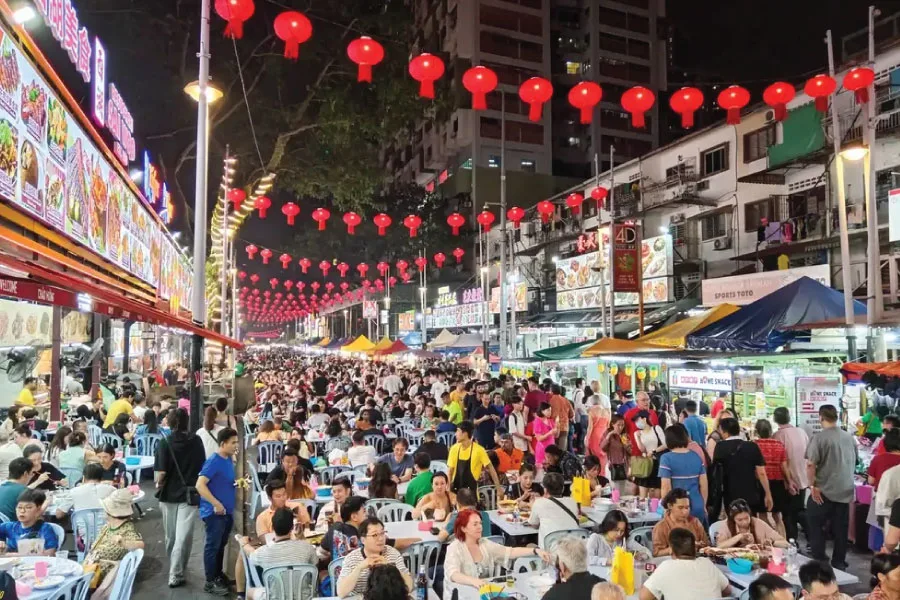
Experience Jalan Alor After Dark
Jalan Alor is Kuala Lumpur’s most famous visitor-oriented food street. After sunset, tables extend along the road and restaurants serve grilled seafood, noodles, barbecued meats, fruit and desserts.
The street is lively and visually memorable, although it should be treated as one part of Kuala Lumpur’s food scene rather than its definitive local dining experience. Prices and halal status vary between businesses, so check menus and ask individual operators when necessary.
Combine Jalan Alor with shopping in Bukit Bintang or an evening around Changkat. Read our Jalan Alor guide before visiting.
Discover Kuala Lumpur’s Café Culture
Kuala Lumpur has developed a substantial café and bakery scene alongside its traditional coffee shops. Specialty coffee, brunch, sourdough, pastries and design-led interiors can now be found throughout the city.
Petaling Street is convenient for cafés inside restored shophouses, while Bangsar and TTDI provide a more neighbourhood-oriented experience. Bukit Bintang, Mont Kiara and Damansara Heights offer further concentrations of modern cafés and restaurants.
Café hopping works best within one area. Moving between distant neighbourhoods for individual cafés can consume much of the day, particularly during traffic or heavy rain.
Try Contemporary Malaysian Dining
A new generation of chefs is reinterpreting Malaysian ingredients, memories and regional traditions through tasting menus, contemporary restaurants and modern casual concepts.
These restaurants provide a different perspective from street food. Rather than replacing traditional cooking, they show how chefs are documenting, refining and reimagining Malaysian flavours for a changing audience.
Reservations are usually necessary for tasting menus and popular dinner services. If your budget allows, pairing casual local food with one contemporary Malaysian meal can provide a broader understanding of Kuala Lumpur’s evolving culinary identity.
Experience Kuala Lumpur’s Late-Night Food Culture
Kuala Lumpur continues eating long after conventional dinner hours. Mamak restaurants, noodle shops, Middle Eastern restaurants and selected local eateries serve customers into the early morning.
Supper might involve roti canai and teh tarik, a bowl of noodles, grilled food or a shared meal after an event. However, opening hours can change, and not every restaurant described online as “24-hour” still operates continuously.
Use our guide to 24-hour food in Kuala Lumpur for round-the-clock options, or browse the best late-night supper spots for restaurants that remain open late.
Visit Museums, Galleries and Creative Spaces
Kuala Lumpur’s museums and galleries provide context that its landmarks alone cannot. Their collections cover Malaysian history, Islamic civilisation, textiles, currency, economics and modern visual art, while independent creative spaces reveal a more contemporary cultural scene.
Museums are also useful during the hottest part of the day or when rain interrupts an outdoor itinerary. Opening days vary, and galleries may close temporarily while exhibitions are being changed, so check current information before visiting.
Understand Malaysia at the National Museum
The National Museum, or Muzium Negara, provides a broad introduction to Malaysian history. Its galleries cover early settlements, Malay kingdoms, colonial rule, the independence movement and the formation of modern Malaysia.
The museum is particularly useful near the beginning of a first trip because it gives context to places such as Merdeka Square, Stadium Merdeka and Kuala Lumpur’s different cultural districts.
Located near KL Sentral and Perdana Botanical Gardens, it can be combined with the National Mosque or Islamic Arts Museum Malaysia. Allow approximately one to two hours for a general visit.
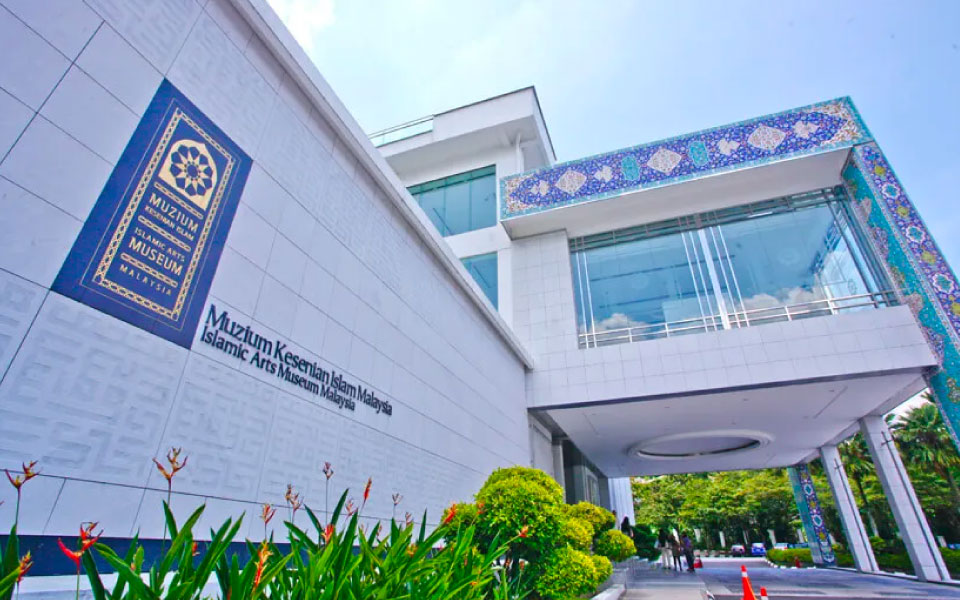
Explore the Islamic Arts Museum Malaysia
The Islamic Arts Museum Malaysia contains manuscripts, textiles, ceramics, jewellery, metalwork and architectural models from different parts of the Islamic world.
Its collections present Islam through art, craftsmanship and civilisation, with dedicated attention given to China, India and Southeast Asia. The building’s domes, natural light and decorative details are also part of the experience.
The museum is close to the National Mosque and Perdana Botanical Gardens, making the three attractions a natural half-day combination. Plan your visit with our Islamic Arts Museum Malaysia guide.
Visit Bank Negara Malaysia Museum and Art Gallery
Bank Negara Malaysia Museum and Art Gallery explores money, economics, Islamic finance and the role of Malaysia’s central bank. Its interactive displays make complex financial subjects more accessible, while separate gallery spaces present works from Bank Negara Malaysia’s art collection.
General admission is free, making it a worthwhile choice for families, students and visitors interested in Malaysia’s economic development.
The museum is located at Sasana Kijang and is not directly beside the main sightseeing districts. Check its current opening days and any visitor requirements before making the journey.
Discover Malaysian Art at the National Art Gallery
The National Art Gallery, or Balai Seni Negara, is one of the country’s principal institutions for Malaysian visual art. Its changing exhibitions may include painting, sculpture, photography, installations and works documenting different periods of the national art movement.
General admission is usually free, although specific programmes may have separate arrangements. Because exhibitions rotate, each visit can provide a different experience.
The gallery is near Titiwangsa and Istana Budaya. Combine it with Titiwangsa Lake Gardens if the weather is suitable.
See Contemporary Art at ILHAM Gallery
ILHAM Gallery focuses on modern and contemporary art from Malaysia and the wider Southeast Asian region. Its exhibitions often explore identity, history, politics, society and the development of regional artistic practices.
Admission is generally free, but the gallery may close between exhibitions or for maintenance. Check the current programme before visiting.
ILHAM Tower is near the Ampang Park LRT and Persiaran KLCC MRT stations, making the gallery easy to combine with KLCC. Allow one to two hours, depending on the exhibition.
Preview the New Galeri PETRONAS at Ombak KLCC
Galeri PETRONAS began a new chapter at Ombak KLCC in August 2026. Its current First Glimpse experience provides a preview of the gallery’s evolving new home while the complete institution continues its phased opening towards the end of 2027.
The preview introduces visitors to the gallery’s changing identity and the PETRONAS Art Collection through exhibitions and interactive experiences. Admission is free, although opening hours and available areas may change during the phased-opening period.
Read our Galeri PETRONAS guide and Ombak KLCC guide before visiting.
Explore Books, Food and Events at REXKL
REXKL occupies a former cinema near Petaling Street. The restored building now brings together food, retail, books, exhibitions, performances and community programmes.
BookXcess is its most visually recognisable tenant, but REXKL is more rewarding when treated as an evolving creative venue rather than only a bookstore. Event schedules change regularly and may include markets, music, talks, workshops or exhibitions.
Entry to the building is generally free, although individual events may require tickets. Combine it with Petaling Street, Kwai Chai Hong and the surrounding heritage streets. Find out more in our REXKL guide.
Discover Independent Culture at Zhongshan Building
Zhongshan Building is a restored creative hub in Kampung Attap containing independent businesses connected with books, music, art, design and other cultural interests.
Its appeal is quieter and more specialised than a major museum. Visitors may find a bookstore, small gallery, studio or event occupying different parts of the building, although individual tenants maintain their own opening days.
Check what is operating before travelling specifically for one business. Our Zhongshan Building guide explains the history of the building and its transformation into a creative space.
Which Kuala Lumpur Museum or Gallery Should You Visit?
| If you are interested in… | Choose… |
|---|---|
| Malaysian history | National Museum |
| Islamic art and civilisation | Islamic Arts Museum Malaysia |
| Money, economics and finance | Bank Negara Malaysia Museum and Art Gallery |
| Malaysian visual art | National Art Gallery |
| Contemporary Southeast Asian art | ILHAM Gallery |
| PETRONAS Art Collection and a new cultural destination | Galeri PETRONAS |
| Books, events and adaptive reuse | REXKL |
| Independent art, publishing and music | Zhongshan Building |
For more options, browse our complete guide to museums in Kuala Lumpur.
Go Shopping in Kuala Lumpur
Shopping in Kuala Lumpur extends beyond buying clothes or souvenirs. Major malls function as air-conditioned lifestyle destinations containing restaurants, cinemas, supermarkets, family attractions and public spaces, while traditional markets offer crafts, textiles and a more street-level experience.
The best shopping area depends on whether you want international brands, luxury retail, local products or an easy indoor activity during hot or rainy weather.
For a wider comparison, see our complete guide to shopping in Kuala Lumpur.

Shop Around Bukit Bintang
Bukit Bintang contains Kuala Lumpur’s largest concentration of visitor-oriented shopping centres. Pavilion Kuala Lumpur anchors the district, while Fahrenheit88, Lot 10, Sungei Wang Plaza and Berjaya Times Square offer different combinations of fashion, food and entertainment.
The malls are close enough to explore on foot, although road crossings and crowds can slow the journey. Begin at Pavilion, continue through the surrounding shopping streets and finish with dinner around Jalan Alor or elsewhere in Bukit Bintang.
Our Bukit Bintang guide explains how the malls, food streets and nightlife areas fit together.
Explore Pavilion Kuala Lumpur
Pavilion Kuala Lumpur is one of the city’s best-known shopping destinations, combining luxury brands, mainstream retailers, beauty, dining and seasonal displays.
Its central Bukit Bintang location makes it particularly useful for first-time visitors. The mall connects to surrounding shopping streets and provides access to the covered pedestrian walkway leading towards the Kuala Lumpur Convention Centre and KLCC.
Pavilion is busiest during weekends, evenings and major festive seasons. Visit our Pavilion Kuala Lumpur guide for information on its layout, dining and nearby attractions.
Shop Beneath the Petronas Twin Towers at Suria KLCC
Suria KLCC occupies the base of the Petronas Twin Towers and combines shopping with several of Kuala Lumpur’s major attractions. Visitors can browse international brands, eat inside the mall, visit Petrosains and continue directly into KLCC Park.
Its convenience makes it suitable for travellers who want to combine sightseeing, shopping and dining without moving between districts. The KLCC LRT station also connects directly to the complex.
Read our Suria KLCC guide or explore nearby dining through our guide to the best restaurants in KLCC.
Experience The Exchange TRX
The Exchange TRX is a contemporary shopping and lifestyle destination connected directly to the Tun Razak Exchange MRT station. It contains international retailers, restaurants, entertainment and access to the elevated TRX City Park.
The combination of an indoor mall and outdoor park makes it possible to spend several hours in the precinct. Explore the shops during the hottest part of the day, then visit the park in the late afternoon or evening.
TRX can be combined with Bukit Bintang, which is one MRT stop away on the Kajang Line.
Discover Luxury Shopping at The Starhill
The Starhill is a smaller luxury mall opposite Pavilion Kuala Lumpur. Its focus on premium retail, dining and hospitality creates a quieter atmosphere than some of Bukit Bintang’s larger shopping centres.
Rather than dedicating an entire day to the mall, include it as part of a wider Bukit Bintang route. It is particularly convenient for visitors exploring Pavilion, Fahrenheit88 and the surrounding hotels.
Our The Starhill guide covers its shops, architecture and dining, while our guide to what to eat at The Starhill focuses on its restaurants.
Spend a Day at Mid Valley Megamall and The Gardens Mall
Mid Valley Megamall and The Gardens Mall form one of the Klang Valley’s largest connected shopping destinations. Mid Valley offers a broad mix of mainstream brands, food and everyday retail, while The Gardens provides a more premium environment.
The size and variety make the combined complex suitable for spending most of a rainy or particularly hot day indoors. It is less convenient for conventional sightseeing, so visit when shopping is a primary activity rather than inserting it into an already crowded city-centre itinerary.
Discover the New 118 Mall
Opened in November 2026, 118 Mall forms part of the wider Merdeka 118 precinct beside Stadium Merdeka and Stadium Negara. The mall introduces shopping and dining to an area closely connected with Malaysia’s independence history and Kuala Lumpur’s evolving skyline.
Its location allows visitors to combine modern retail with Stadium Merdeka, Chinatown and the historic city centre. As a newly opened destination, individual outlets and sections may continue to change during its early operating period.
See our 118 Mall guide and guide to what to eat at 118 Mall for current details.
Explore Ombak KLCC
Ombak KLCC is a new cultural and lifestyle destination within the wider KLCC precinct. It combines art, retail and dining, with Galeri PETRONAS serving as one of its most significant cultural anchors.
The development provides a different experience from the larger Suria KLCC, particularly for visitors interested in design, contemporary culture and newer food concepts. Because the wider destination is being introduced progressively, its tenant mix and available experiences may continue evolving.
Our Ombak KLCC guide covers what is open and how to include it in a KLCC itinerary.
Browse Arts and Crafts at Central Market
Central Market began as a wet market before becoming an arts, crafts and cultural shopping destination. Its air-conditioned interior contains batik, souvenirs, paintings, accessories and products inspired by Malaysian culture.
The building is free to enter and is easy to combine with Petaling Street, Masjid Jamek and Merdeka Square. Not every product is locally made, so ask about its origin if buying authentic Malaysian craft is important to you.
Plan the surrounding route with our Central Market Kuala Lumpur guide.
Walk Through Petaling Street Market
The covered market along Petaling Street sells clothing, accessories, souvenirs and other inexpensive products. Bargaining may be possible, but prices and product quality vary.
Shopping is only part of the reason to visit. The surrounding district contains temples, traditional businesses, cafés and heritage architecture, making Petaling Street more valuable as a neighbourhood experience than as a standalone market.
Remain aware of your belongings in crowded areas and avoid purchasing counterfeit products if authenticity is important.
Visit Kuala Lumpur’s Local Markets
For a more everyday shopping experience, visit one of Kuala Lumpur’s traditional markets. These markets sell vegetables, meat, spices, flowers, clothing, household products and prepared food.
Options include:
- Chow Kit Market: One of the city’s best-known traditional markets
- Pudu Market: A busy neighbourhood wet market surrounded by local food
- TTDI Market: A more organised community market serving nearby residents
- Brickfields: Street-front shops selling Indian groceries, textiles, sweets and flower garlands
- Night markets: Rotating evening markets held in different neighbourhoods on specific days
Traditional markets are generally most active in the morning. Our guide to markets in Kuala Lumpur compares the available experiences.
What to Buy in Kuala Lumpur
Popular purchases include:
- Malaysian snacks and biscuits
- Local coffee and tea
- Sambal, sauces and packaged food products
- Batik clothing and textiles
- Pewter products
- Handmade crafts
- Books by Malaysian writers
- Contemporary art and prints
- Products from Malaysian fashion and lifestyle brands
- Traditional Indian textiles and accessories from Brickfields
Food products may be subject to customs restrictions in your destination country. Check the rules before buying meat, fresh produce or other regulated items.
Which Kuala Lumpur Shopping Destination Should You Choose?
| If your priority is… | Choose… |
|---|---|
| Luxury and mainstream shopping | Pavilion Kuala Lumpur |
| Shopping beside major attractions | Suria KLCC |
| Contemporary retail and a rooftop park | The Exchange TRX |
| Premium shopping in a quieter setting | The Starhill |
| An extensive all-day mall experience | Mid Valley and The Gardens |
| A new mall within a heritage precinct | 118 Mall |
| Art, culture and a developing lifestyle destination | Ombak KLCC |
| Malaysian crafts and souvenirs | Central Market |
| Street-market atmosphere | Petaling Street |
| Everyday local market life | Chow Kit, Pudu or TTDI |
For more choices across the city and wider Klang Valley, browse our guide to the best shopping malls in Kuala Lumpur.
Enjoy Parks and Outdoor Activities
Kuala Lumpur is often described through its skyscrapers and shopping centres, but the city also contains botanical gardens, forest trails, lakeside parks and elevated green spaces.
Outdoor activities are most comfortable in the early morning or late afternoon. Carry drinking water, use sun protection and keep a compact umbrella nearby, as both strong sunlight and sudden rain are common.
Browse our guide to the best parks in Kuala Lumpur for more green spaces across the city.
Walk Through Perdana Botanical Gardens
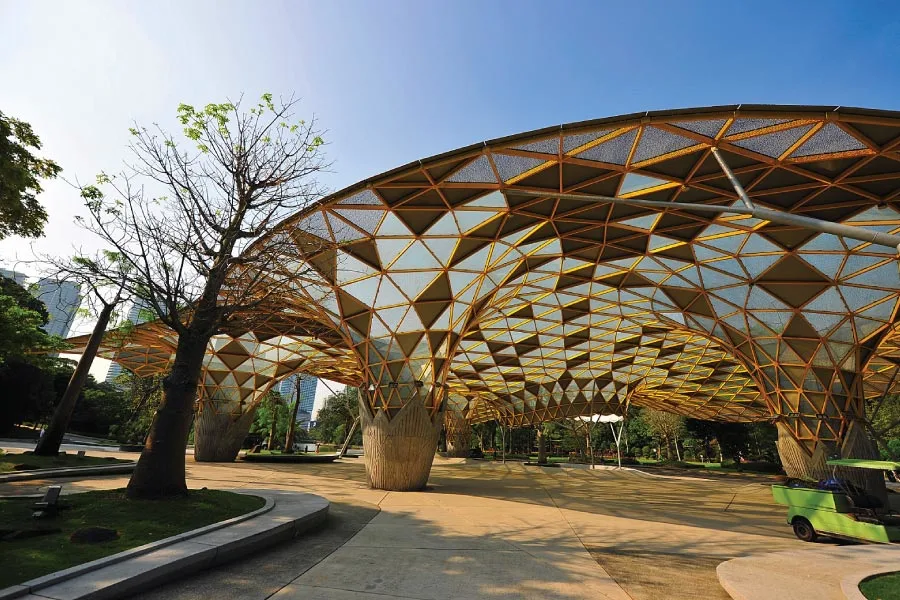
Perdana Botanical Gardens is one of central Kuala Lumpur’s largest and most established green spaces. Its grounds contain tropical plants, open lawns, walking paths, lakes and the distinctive canopy structures at Laman Perdana.
General access to the main gardens is free, although separate attractions within the wider Lake Gardens area may charge admission. The grounds are extensive, so allow at least one to two hours and wear comfortable shoes.
Combine the gardens with the National Mosque, Islamic Arts Museum Malaysia or National Museum. Our Perdana Botanical Gardens guide provides more planning information.
Follow the Forest Trails at Taman Tugu
Taman Tugu offers marked walking trails through a restored forest area near central Kuala Lumpur. It is a practical choice for visitors who want to experience tropical greenery without travelling far beyond the city.
The trails vary in length but can generally be completed within one or two hours. Wear shoes with reasonable grip, carry water and use insect repellent. Paths may become wet or muddy after rain, while maintenance or poor weather can occasionally affect access.
Visit in the morning for cooler temperatures and a quieter walk.
Relax at Titiwangsa Lake Gardens
Titiwangsa Lake Gardens is popular with local families, joggers and cyclists. Its lake, broad lawns and open views provide a different experience from the more enclosed city-centre parks.
The skyline visible across the water makes the park particularly attractive around sunset. Visitors can walk, exercise, take photographs or simply spend time in an outdoor space used regularly by local residents.
Combine it with the National Art Gallery or Istana Budaya, both located nearby. Early morning and late afternoon are the most comfortable visiting periods.
Visit TRX City Park
TRX City Park is an elevated public park above The Exchange TRX. Landscaped gardens, water features, play areas and gathering spaces create an outdoor extension of the shopping and financial district below.
Its location makes it easy to combine an indoor mall visit with time outside. Explore The Exchange TRX during the hottest part of the day, then continue to the park in the late afternoon or evening.
The park can become crowded on weekends and public holidays. Read our complete TRX City Park guide for its main areas and visiting tips.
Experience KLCC Park
KLCC Park is one of Kuala Lumpur’s most accessible urban green spaces. Its paths and landscaped grounds provide open views of the Petronas Twin Towers, while families can use the playground and public wading pool, subject to operating arrangements.
The park is already included in most KLCC itineraries, so it does not require a separate journey. Walk through it before visiting Suria KLCC or return after sunset for the illuminated towers and Lake Symphony fountain presentations.
Late afternoon through evening offers the best combination of comfort, photography and atmosphere.
Explore KL Forest Eco Park
KL Forest Eco Park preserves a pocket of tropical forest around Bukit Nanas near KL Tower. Its trails and canopy structures provide an unusual contrast between natural vegetation and the surrounding city skyline.
Entry fees, available routes and access arrangements have changed over time, so verify the latest information before visiting. Some sections may also close because of maintenance or weather.
The terrain includes slopes and steps. Wear suitable footwear and avoid visiting during thunderstorms or immediately after particularly heavy rain.
Walk or Hike Around Bukit Kiara
Bukit Kiara is a popular recreational area near TTDI, with forested routes used by walkers, runners and cyclists. It provides a more local outdoor experience than Kuala Lumpur’s central landscaped parks.
Routes differ in length and difficulty, and not every trail is clearly designed for first-time visitors. Begin with established public paths, remain aware of cyclists and avoid isolated routes after dark.
Combine the walk with breakfast at TTDI Market, lunch in the neighbourhood or coffee at one of the surrounding cafés.
Cross the Saloma Link
The Saloma Link is a pedestrian and cycling bridge connecting Kampung Baru with the KLCC area. Its illuminated canopy is inspired by the arrangement of a traditional sirih junjung and has become one of Kuala Lumpur’s most recognisable modern public structures.
Crossing the bridge is free and takes only a few minutes, but its skyline views make it worth including in an evening walk. Have dinner in Kampung Baru, cross towards KLCC and finish at the Petronas Twin Towers.
Access or lighting arrangements may occasionally change, so check for temporary closures.
Take an Urban Heritage Walk
Walking is one of the best ways to explore Kuala Lumpur’s older districts, provided you choose a compact route rather than attempting to cross the entire city on foot.
Good walking areas include:
- Merdeka and Masjid Jamek: Colonial-era buildings, the river confluence and religious heritage
- Petaling Street: Temples, markets, shophouses and creative spaces
- Kampung Baru and KLCC: Traditional Malay neighbourhood life and modern skyline views
- Brickfields: Indian shops, places of worship and local food
- Jalan Tuanku Abdul Rahman: Historic commercial streets and traditional shopping
Pavements and covered walkways are inconsistent, even in central districts. Use rail or ride-hailing between neighbourhoods, then explore each individual area on foot.
Which Kuala Lumpur Outdoor Experience Should You Choose?
| If you want… | Choose… |
|---|---|
| A large landscaped garden | Perdana Botanical Gardens |
| Short forest trails near the city centre | Taman Tugu |
| A lakeside park with skyline views | Titiwangsa Lake Gardens |
| A modern park connected to a mall | TRX City Park |
| Petronas Twin Towers views | KLCC Park |
| A tropical forest beside skyscrapers | KL Forest Eco Park |
| A more local walking or hiking experience | Bukit Kiara |
| An illuminated evening city walk | Saloma Link |
| History and street-level exploration | Merdeka or Petaling Street |
Tips for Outdoor Activities in Kuala Lumpur
- Begin longer walks before the midday heat.
- Carry water even for relatively short routes.
- Use sunscreen and insect repellent when necessary.
- Keep a compact umbrella for sun and rain.
- Wear shoes with grip on forest trails and wet pavements.
- Avoid open parks, hilltops and exposed structures during lightning.
- Check air quality if haze is affecting the city.
- Do not rely on every route shown on a map having continuous pavements.
If outdoor conditions are unsuitable, switch to one of our recommended rainy-day activities in Kuala Lumpur.
Experience Kuala Lumpur at Night
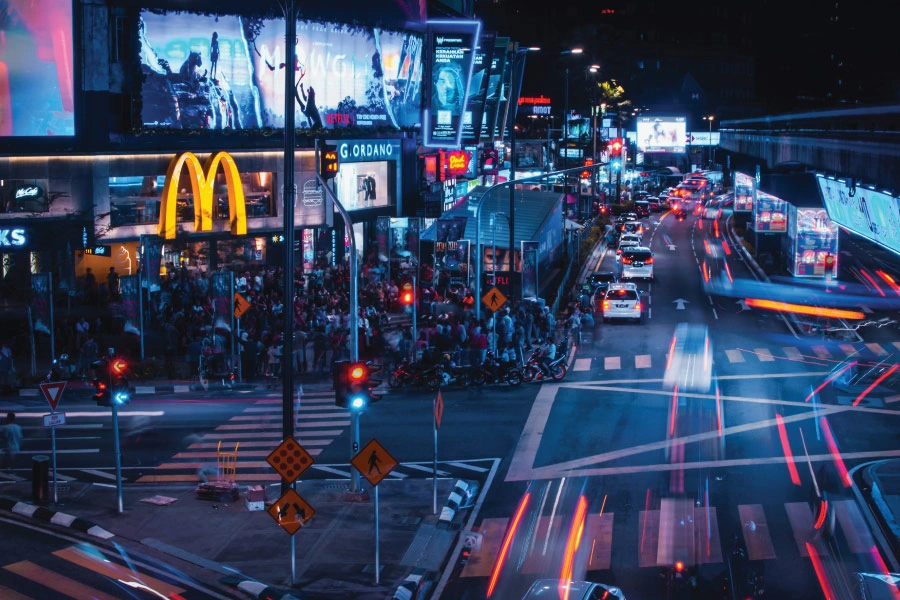
Kuala Lumpur becomes more comfortable and visually dramatic after sunset. Skyscrapers illuminate, food streets become busier and neighbourhoods that feel quiet during the day develop a different rhythm.
Night activities are not limited to bars and clubs. Visitors can watch a fountain show, explore a night market, have a late dinner, attend a performance or walk through an illuminated part of the city.
For a larger selection, see our guide to the best night activities in Kuala Lumpur.
See KLCC Illuminated
The Petronas Twin Towers are particularly striking after dark. Begin with an evening walk through KLCC Park, photograph the illuminated towers and watch the Lake Symphony fountain presentations beside Suria KLCC.
Restaurants, cafés and shops inside the mall make it easy to extend the evening without leaving the district. For a longer route, cross the Saloma Link into Kampung Baru for dinner or explore Ombak KLCC.
Check the latest fountain schedule if the performance is an important part of your plans.
Cross the Saloma Link After Dark
The Saloma Link’s illuminated canopy makes the short walk between Kampung Baru and KLCC an attraction in itself. From the bridge and its approaches, visitors can photograph the Petronas Twin Towers and surrounding skyline.
A practical evening route is to have dinner in Kampung Baru, cross the bridge and finish around KLCC Park. You can also travel in the opposite direction and end with Malay food in Kampung Baru.
Avoid stopping in the middle of the bridge for long periods when it is crowded, and check for temporary access or lighting changes.
Enjoy a Rooftop View
Rooftop bars and restaurants provide a relaxed way to see Kuala Lumpur’s skyline after dark. The most popular views are concentrated around KLCC and Bukit Bintang, although other districts offer different perspectives of the city.
Venues range from casual rooftop bars to high-end restaurants with dress codes, reservations and minimum spending requirements. Check the seating arrangement before booking, as not every table has a direct skyline view.
Weather can affect outdoor areas, while some establishments may restrict children or require smart-casual attire.
Eat Along Jalan Alor
Jalan Alor is at its liveliest in the evening, when tables extend into the street and restaurants serve noodles, grilled seafood, barbecued meats, fruit and desserts.
The atmosphere is energetic and easy to combine with shopping or nightlife in Bukit Bintang. However, Jalan Alor is visitor-oriented, and prices, food quality and halal status vary between businesses.
Walk through the entire street before choosing where to eat, check menus in advance and ask individual operators about ingredients when necessary. Our Jalan Alor guide provides more practical advice.
Explore Changkat Bukit Bintang
Changkat Bukit Bintang is one of Kuala Lumpur’s best-known nightlife streets. Its restored shophouses contain bars, pubs, restaurants and clubs, with the area becoming busiest later in the evening and on weekends.
Choose Changkat if you want a concentrated nightlife district within walking distance of Bukit Bintang’s hotels and malls. Visitors seeking a quieter evening may prefer a rooftop venue, cocktail bar or restaurant elsewhere.
Stay aware of your belongings, confirm drink prices before ordering and arrange your journey back to the hotel in advance.
Discover Kuala Lumpur’s Cocktail Bars
Kuala Lumpur has developed a strong cocktail scene, ranging from polished hotel bars to intimate venues hidden inside shophouses or behind discreet entrances.
Many concentrate around Chinatown, Bukit Bintang, Bangsar and central Kuala Lumpur. Some accept walk-ins, while smaller or award-winning bars may require reservations.
“Speakeasy” entrances can be part of the experience, but confirm the address and opening arrangements before travelling. Check dress codes, age restrictions and whether the venue serves food if you plan to stay for several hours.
Visit a Night Market
Night markets, commonly called pasar malam, are held in different neighbourhoods on specific days of the week. Stalls may sell street food, fruit, clothing, household products and inexpensive everyday items.
These markets are more community-oriented than tourist markets and offer a useful look at local evening life. Their schedules and exact locations can change, so verify the current day and operating hours before travelling.
Bring cash in small denominations, wear practical shoes and expect narrow, crowded walkways during peak periods.
Have Supper at a Mamak
A late-night mamak meal is one of Kuala Lumpur’s most accessible evening experiences. Order roti canai, mee goreng mamak, tandoori chicken or teh tarik and observe how these casual restaurants function as social gathering places.
During major football matches, some mamaks become lively communal viewing venues. Others are quieter neighbourhood eateries where people meet after work or remain long into the night.
Not every mamak operates 24 hours, even if older listings suggest otherwise. Confirm current hours before making a special journey after midnight.
Find a Late-Night Café or Dessert
Visitors who do not drink can still find plenty to do after dinner. Kuala Lumpur has cafés, dessert shops and tea houses that remain open late, particularly around Bukit Bintang, Petaling Street, Bangsar, Mont Kiara and SS15 outside the city.
Opening hours vary significantly between weekdays and weekends. Select one within the area where you are already spending the evening rather than travelling across the Klang Valley solely for dessert.
Late-night cafés are also useful after concerts, theatre performances or long dinners.
Watch a Performance or Attend an Event
Kuala Lumpur’s evening calendar may include concerts, theatre, comedy, cultural performances, independent film screenings and live music.
Major venues include concert halls, theatres, arenas and performing arts centres, while smaller programmes take place inside creative spaces, bars and community venues.
Schedules change throughout the year, so check our guide to events in Kuala Lumpur this month before finalising your itinerary. Book popular concerts and touring productions in advance.
Choose a Kuala Lumpur Night Experience
| If you want… | Consider… |
|---|---|
| Iconic skyline views | KLCC Park or a rooftop venue |
| A free evening activity | Lake Symphony or Saloma Link |
| Street food and crowds | Jalan Alor |
| Bars and clubs | Changkat Bukit Bintang |
| Cocktails and a quieter atmosphere | Chinatown, Bangsar or a hotel bar |
| Local evening culture | A night market |
| Affordable late-night food | A mamak restaurant |
| A non-alcoholic night out | A café, dessert shop or bookstore |
| Live entertainment | A concert, theatre production or cultural event |
Tips for Exploring Kuala Lumpur at Night
- Use rail when it is still operating, but check the last train time.
- Ride-hailing is generally the easiest option after public transport closes.
- Allow additional travel time on Friday and Saturday nights.
- Keep your phone charged for navigation and transport bookings.
- Stay aware of belongings in crowded markets and nightlife districts.
- Do not leave drinks unattended.
- Avoid quiet pedestrian shortcuts late at night.
- Confirm venue hours, dress codes and reservation requirements in advance.
Kuala Lumpur is generally active late into the evening, but the atmosphere varies considerably by street. Busy districts can sit beside much quieter areas, so plan the final part of your route before setting out.
Find Family-Friendly Things to Do
Kuala Lumpur offers science centres, aquariums, parks, theme parks and indoor activity venues for families with children of different ages.
KLCC is the easiest district for a family day because several attractions, restaurants and facilities are located within the same connected area. Larger theme parks require more travel time and are better treated as full-day excursions.
Ticket prices, height restrictions and operating hours can change, so check the attraction’s official information before visiting.
Explore Aquaria KLCC
Aquaria KLCC is located beneath the Kuala Lumpur Convention Centre and introduces visitors to marine and freshwater ecosystems. Its best-known feature is the underwater tunnel, where sharks, rays, turtles and other animals swim above and beside visitors.
Most of the experience is indoors, making Aquaria particularly useful during hot or rainy weather. Families can combine it with KLCC Park, Suria KLCC and the Petronas Twin Towers without requiring another journey across the city.
Our Aquaria KLCC guide covers tickets, visiting times and what families can expect.
Discover Science at Petrosains
Petrosains, The Discovery Centre is an interactive science attraction inside Suria KLCC. Exhibits explore energy, space, technology, natural science and the petroleum industry through hands-on displays and activity zones.
The centre is especially suitable for school-age children, although younger visitors can also enjoy many of its interactive elements. Visits may take several hours, particularly during busy periods.
Because Petrosains is inside Suria KLCC, families can easily combine it with lunch, shopping, KLCC Park or the Petronas Twin Towers. Booking ahead is advisable during weekends and school holidays.
Play at KLCC Park
KLCC Park provides families with a free outdoor alternative to the paid attractions surrounding it. The park includes walking paths, open lawns, a children’s playground and a public wading pool, subject to current operating and maintenance arrangements.
Visit in the morning or late afternoon to avoid the strongest heat. Bring suitable clothing for the water area, sun protection and drinking water.
Families can return in the evening to see the illuminated Petronas Twin Towers and watch the Lake Symphony fountain presentations.
Visit Berjaya Times Square Theme Park
Berjaya Times Square Theme Park is an indoor amusement park located within the Bukit Bintang shopping complex. It contains rides for different age groups, making it a useful option when rain prevents outdoor activities.
Not every ride is suitable for every child. Check height restrictions, ride availability and maintenance notices before buying tickets.
The surrounding mall contains restaurants, shops, a cinema and direct access to Imbi Monorail station, allowing families to spend most of the day within one complex.
See Birds at KL Bird Park
KL Bird Park is located within the wider Perdana Botanical Gardens area and contains a large collection of local and international bird species.
Much of the experience is outdoors or semi-covered, so families should prepare for heat and rain. Visit early when temperatures are lower and the birds are generally more active.
The park can be combined with Perdana Botanical Gardens, although adding several nearby museums on the same day may be tiring for younger children. Allow enough time for breaks, meals and transport between attractions.
Visit Zoo Negara
Zoo Negara, Malaysia’s national zoo, is located outside central Kuala Lumpur in Ampang. Its collection includes mammals, birds, reptiles and aquatic species across a large outdoor site.
Because of its size and location, the zoo is best treated as a substantial half-day or full-day activity. Bring sun protection, water and comfortable shoes, and prepare an alternative plan if heavy rain is expected.
Public transport connections may require additional transfers, making ride-hailing or private transport more convenient for many families.
Spend a Day at Sunway Lagoon
Sunway Lagoon is a large theme park in Bandar Sunway, outside central Kuala Lumpur. Its different zones combine water attractions, amusement rides and family entertainment.
The park requires most of a day and should not be combined with central sightseeing. Check which zones are operating, height requirements and any restrictions on swimwear, food or personal items before visiting.
Sunway Pyramid shopping centre is located beside the park, providing restaurants, retail and an indoor alternative before or after the theme-park experience.
Visit SplashMania
SplashMania is a water park at Gamuda Cove, south of central Kuala Lumpur. Its water slides, play areas and family attractions make it suitable for a dedicated day trip.
The distance from central KL means transport should be arranged in advance. Check operating days, weather conditions, ride restrictions and locker policies before travelling.
Our complete SplashMania guide explains how to get there, what to expect and how to prepare for the visit.
Try an Indoor Activity Centre
Kuala Lumpur and the wider Klang Valley contain indoor venues offering trampolines, climbing, obstacle courses, skating, bowling, arcades, virtual-reality games and role-playing activities.
These experiences work particularly well for older children and teenagers who want something more active than a museum. Many are located inside or beside shopping centres, making meals and transport easier.
Individual venues change over time, so choose based on location, age suitability and session requirements rather than planning around an outdated general list.
Visit a Museum with Children
Museums can be good family attractions when the subject matches a child’s interests.
Consider:
- National Museum: A broad introduction to Malaysian history
- Bank Negara Malaysia Museum and Art Gallery: Interactive exhibits about money and economics
- National Planetarium: Space and astronomy exhibits
- Royal Selangor Visitor Centre: Pewter history and manufacturing
- Petrosains: Interactive science and technology
Younger children may prefer one focused museum followed by a park or meal rather than several cultural institutions in succession.
Best Family Activities by Age
| Age group | Suitable experiences |
|---|---|
| Toddlers and preschoolers | KLCC Park, Aquaria KLCC and gentle indoor play areas |
| Primary-school children | Petrosains, Aquaria, KL Bird Park and interactive museums |
| Older children | Theme parks, water parks, science attractions and indoor activity centres |
| Teenagers | Theme parks, escape rooms, shopping, skating and skyline experiences |
| Mixed-age families | KLCC, major malls, Zoo Negara and selected museums |
Age suitability ultimately depends on the individual child. Check minimum heights, physical requirements and whether pushchairs are permitted before visiting larger attractions.
Tips for Visiting Kuala Lumpur with Children
- Limit each day to one or two major attractions.
- Build in time for meals, rest and unexpected delays.
- Carry water, sun protection and a compact umbrella.
- Use rail for well-connected areas and ride-hailing for difficult final connections.
- Check pushchair accessibility before visiting temples, caves or trails.
- Confirm height restrictions before promising a particular ride.
- Bring dry clothing for water attractions and public splash areas.
- Avoid long outdoor walks around midday.
- Book popular attractions ahead during weekends and school holidays.
For wet-weather alternatives, see our guide to rainy-day activities in Kuala Lumpur.
Take a Day Trip from Kuala Lumpur
Kuala Lumpur is a practical base for exploring Malaysia’s administrative capital, highland resorts, historic towns and rural landscapes. However, not every destination is equally convenient without private transport.
If you have only two or three days in Kuala Lumpur, prioritise the city itself. Day trips become more worthwhile on a four- or five-day visit, particularly after you have already explored KLCC, Chinatown, Batu Caves and at least one local neighbourhood.
Traffic can considerably affect travel times, especially when leaving or returning to Kuala Lumpur during peak periods.
Explore Putrajaya
Putrajaya is Malaysia’s federal administrative capital, known for monumental government buildings, landscaped boulevards, bridges and a large artificial lake.
The pink-domed Putra Mosque is its most recognisable landmark, while other highlights include Perdana Putra, Putrajaya Square, lakeside viewpoints and the city’s modern bridges. The attractions are spread across a large area, so exploring entirely on foot is impractical.
Putrajaya can be visited in half a day, although a full day allows a slower route or lake activity. Read our Putrajaya guide before planning the visit.
Best for: Modern architecture, photography and a short excursion.
Spend a Day at Genting Highlands
Genting Highlands combines cooler mountain weather with theme parks, shopping, entertainment, hotels and a cable-car journey.
The resort is a popular escape from Kuala Lumpur, but weekends, public holidays and school holidays can bring large crowds. Weather conditions can also affect outdoor attractions and visibility.
Dedicate most of the day to the trip rather than combining it with major Kuala Lumpur sightseeing. Visitors interested primarily in the theme parks should check current operating hours, ride availability and ticket arrangements before travelling.
Best for: Families, entertainment and cooler temperatures.
Discover Historic Melaka
Melaka is a UNESCO-listed historic city shaped by Malay, Portuguese, Dutch, British, Chinese and Peranakan influences. Major sights include Dutch Square, Jonker Street, St Paul’s Hill and the riverside heritage district.
A day trip from Kuala Lumpur is possible, but the journey and number of attractions can make the experience feel rushed. Staying overnight allows time to explore after tour groups leave and experience the city’s evening atmosphere.
If visiting for one day, begin early and focus on the historic centre rather than trying to cover every museum and outlying attraction.
Best for: History, architecture, Peranakan culture and food.
See the Paddy Fields of Sekinchan
Sekinchan is an agricultural and fishing town known for paddy fields, seafood and its slower rural landscape.
The appearance of the fields depends on the planting and harvesting cycle. They may be green, golden, recently harvested or largely bare, so research seasonal conditions before planning a photography-focused trip.
Sekinchan is difficult to explore efficiently using public transport. Private transport or a guided excursion makes it easier to combine the fields, fishing village and nearby coastal attractions.
Best for: Rural scenery, photography and a slower day outside the city.
Visit Kuala Selangor
Kuala Selangor combines historical sites, mangroves, seafood and nature-based evening experiences. Bukit Melawati provides views and historical remains, while the surrounding district is known for fireflies and other nocturnal wildlife excursions.
Because several attractions operate later in the day, a Kuala Selangor trip may return to Kuala Lumpur at night. Choose responsible wildlife operators and avoid activities that disturb animals or damage sensitive habitats.
Private transport or an organised excursion is usually the simplest option.
Best for: Nature, wildlife and an afternoon-to-evening trip.
Explore the Forest Research Institute Malaysia
The Forest Research Institute Malaysia, commonly known as FRIM, is located in Kepong on the outskirts of Kuala Lumpur. Its forest environment, walking routes and conservation work provide an accessible alternative to travelling farther into the countryside.
Access to certain trails or activities may require advance registration, permits or guided arrangements. Check current visitor procedures before travelling.
FRIM works best as a half-day nature excursion and can be combined with food or other attractions around Kepong rather than another major city-centre itinerary.
Best for: Forest walks, nature and environmental learning.
Visit Klang for Heritage and Food
Klang is one of the oldest royal towns in Selangor and has a distinct identity separate from central Kuala Lumpur. Visitors can explore heritage buildings, royal landmarks, traditional commercial streets and the town’s food culture.
Klang is particularly associated with bak kut teh, although its dining scene extends beyond this single dish. KTM Komuter provides a public-transport option, while private transport makes it easier to explore locations spread across the town.
Visit during the morning and lunch hours, when traditional food businesses and markets are generally more active.
Best for: Local food, royal-town history and a less tourist-oriented excursion.
Which Kuala Lumpur Day Trip Should You Choose?
| If you want… | Choose… | Suggested duration |
|---|---|---|
| Monumental modern architecture | Putrajaya | Half to full day |
| Theme parks and cooler weather | Genting Highlands | Full day |
| UNESCO-listed history and culture | Melaka | Full day or overnight |
| Paddy fields and rural scenery | Sekinchan | Full day |
| Wildlife and evening nature activities | Kuala Selangor | Afternoon to night |
| Forest walks close to the city | FRIM | Half day |
| Heritage streets and local food | Klang | Half to full day |
Can You Combine Day-Trip Destinations?
Some destinations can be paired, but only when their locations and timing make sense.
- Sekinchan and Kuala Selangor: Possible with private transport, although the day will be long.
- Putrajaya and another southern destination: Possible, but usually better with a planned driver or tour.
- FRIM and Kepong: Easy to combine with a meal or neighbourhood exploration.
- Klang and nearby parts of Selangor: Possible with private transport.
Do not attempt to combine Genting Highlands or Melaka with substantial Kuala Lumpur sightseeing on the same day.
Tips for Planning a Day Trip
- Avoid leaving Kuala Lumpur during the busiest morning traffic when possible.
- Check the return journey before depending on public transport.
- Confirm attraction closures, permits and advance-booking requirements.
- Bring sun protection, water and rain cover.
- Research seasonal conditions before visiting Sekinchan.
- Check the weather before highland or nature-based trips.
- Use responsible wildlife operators in Kuala Selangor.
- Consider staying overnight in Melaka rather than rushing a return trip.
- Keep luggage and valuables secure during transport stops.
- Allow extra time when returning for a flight, train or evening reservation.
A day trip should add variety to your Kuala Lumpur visit, not replace time needed to understand the city. For most first-time visitors, one well-chosen excursion is enough.
Choose Things to Do by Travel Style
The best Kuala Lumpur itinerary depends on whether you are visiting for the first time, travelling with children, focusing on food or returning to explore beyond the major landmarks.
Use the suggestions below as priorities rather than fixed itineraries. Combine activities located near one another and leave enough time for meals, weather changes and unplanned discoveries.
For First-Time Visitors
A first visit should balance Kuala Lumpur’s modern skyline, multicultural heritage and food.
Prioritise:
- Petronas Twin Towers and KLCC Park
- Batu Caves
- Merdeka Square and Masjid Jamek
- Petaling Street and Chinatown
- Bukit Bintang
- One kopitiam breakfast or mamak meal
- One neighbourhood beyond the main tourist districts
Three days provide enough time to cover these experiences without rushing. Our first-time guide to Kuala Lumpur covers accommodation, transport, weather and other planning essentials.
For Food Lovers
Food-focused travellers should explore neighbourhoods rather than travelling only to highly publicised restaurants.
Build the trip around:
- A kopitiam breakfast
- Banana leaf rice in Brickfields or Bangsar
- Traditional Chinese food in Pudu or Petaling Street
- Malay dishes in Kampung Baru or Chow Kit
- A meal at a hawker centre
- Late-night food at a mamak
- One contemporary Malaysian dining experience
Leave flexibility for stalls that close unexpectedly or sell out early. Use our Kuala Lumpur food guide to plan meals by area.
For Couples
Kuala Lumpur works well for couples who want a mixture of food, culture and relaxed evening activities.
Consider:
- Visiting an art gallery before lunch
- Exploring a bookstore and café around Chinatown
- Having afternoon tea at a city hotel
- Watching the skyline from a rooftop venue
- Crossing Saloma Link after dinner
- Booking a spa treatment
- Sharing steamboat or a tasting menu
- Spending an evening in Bangsar or KLCC
Avoid overloading the day. One cultural activity, a neighbourhood walk and a leisurely dinner usually create a better experience than rushing between numerous attractions.
For Families
Families should prioritise attractions that can occupy children for several hours without requiring frequent transfers.
Good options include:
- Petrosains
- Aquaria KLCC
- KLCC Park
- Berjaya Times Square Theme Park
- KL Bird Park
- Zoo Negara
- Sunway Lagoon
- SplashMania
- Indoor activity centres
- Interactive museums
KLCC is the easiest all-round area because science, marine life, outdoor play, food and shopping are concentrated within the same district. Check age suitability and height requirements before booking theme-park tickets.
For Solo Travellers
Kuala Lumpur is manageable alone because major districts are connected by rail and many activities do not require a group.
Solo-friendly experiences include:
- Self-guided heritage walks
- Museums and galleries
- Neighbourhood exploration
- Kopitiam and hawker-centre meals
- Café hopping
- Walking through parks
- Joining a guided food or cultural tour
- Attending public talks, exhibitions or workshops
Stay aware of your surroundings after dark and avoid quiet pedestrian shortcuts. Our Kuala Lumpur solo travel guide provides more detailed planning and safety advice.
For Budget Travellers
Many of Kuala Lumpur’s defining experiences are free or inexpensive.
Focus on:
- KLCC Park and Lake Symphony
- Batu Caves’ main temple complex
- Merdeka Square
- Petaling Street
- Religious sites
- Perdana Botanical Gardens
- Taman Tugu
- Saloma Link
- Free galleries
- Local food and public transport
Choose one or two paid attractions that genuinely interest you instead of purchasing admission for every observation deck or museum. See our guide to free things to do in Kuala Lumpur for more ideas.
For Art and Culture Travellers
Visitors interested in art, history and architecture should spend more time around the historic centre, Lake Gardens and the city’s galleries.
Prioritise:
- National Museum
- Islamic Arts Museum Malaysia
- National Art Gallery
- ILHAM Gallery
- Galeri PETRONAS
- REXKL
- Zhongshan Building
- Merdeka Square
- Religious and heritage architecture
- Cultural performances and exhibitions
Check exhibition schedules before travelling, as gallery programmes rotate and some spaces close between installations.
For Shopping and Lifestyle Travellers
Build the trip around Bukit Bintang, KLCC and TRX.
Consider:
- Pavilion Kuala Lumpur
- Suria KLCC
- The Exchange TRX
- TRX City Park
- The Starhill
- Ombak KLCC
- Mid Valley Megamall and The Gardens Mall
- Cafés and restaurants in Bangsar or TTDI
Shopping centres are busiest during evenings, weekends and festive periods. Visit earlier for a quieter experience, then remain in the same district for dinner.
For Nightlife Travellers
Kuala Lumpur’s nightlife ranges from busy bar streets to quiet cocktail venues and late-night dining.
Choose between:
- Changkat Bukit Bintang for bars and clubs
- KLCC for illuminated landmarks
- Rooftop venues for skyline views
- Chinatown for cocktails and creative spaces
- Bangsar for restaurants and relaxed nightlife
- Jalan Alor for evening food
- Mamaks for affordable late-night supper
- Concerts, theatre and live performances
Check last-train times or arrange ride-hailing for the return journey. Our Kuala Lumpur night activities guide provides more detailed options.
For Nature and Outdoor Travellers
Kuala Lumpur offers several green spaces within or near the city.
Prioritise:
- Perdana Botanical Gardens
- Taman Tugu
- Bukit Kiara
- Titiwangsa Lake Gardens
- TRX City Park
- KLCC Park
- FRIM
- Urban heritage walks
Begin early, carry water and avoid forest trails during thunderstorms or immediately after heavy rain.
For Returning Visitors
Returning travellers can move beyond the standard KLCC–Batu Caves–Bukit Bintang circuit.
Explore:
- Pudu
- Chow Kit
- Brickfields
- TTDI
- Cheras
- Kampung Attap
- Jalan Tuanku Abdul Rahman
- Independent galleries and creative spaces
- Traditional markets
- New developments such as Ombak KLCC and the Merdeka 118 precinct
Choose one neighbourhood and explore it slowly through its food, streets and community spaces rather than collecting another list of major attractions.
Quick Guide by Travel Style
| Traveller type | Best priorities |
|---|---|
| First-time visitor | KLCC, Batu Caves, Merdeka and Petaling Street |
| Food lover | Pudu, Kampung Baru, Brickfields and kopitiams |
| Couple | Galleries, cafés, skyline views and a long dinner |
| Family | KLCC, theme parks and interactive attractions |
| Solo traveller | Museums, neighbourhood walks and food exploration |
| Budget traveller | Parks, religious sites, heritage walks and free galleries |
| Art and culture traveller | Museums, galleries, REXKL and historic architecture |
| Shopping traveller | Bukit Bintang, KLCC and TRX |
| Nightlife traveller | Bukit Bintang, rooftops, Chinatown and supper |
| Outdoor traveller | Perdana Gardens, Taman Tugu and Bukit Kiara |
| Returning visitor | Pudu, Chow Kit, TTDI and independent creative spaces |
Travellers rarely fit into only one category. A strong Kuala Lumpur itinerary usually combines two or three interests—for example, landmarks and food, culture and nightlife, or shopping and family attractions.
Practical Tips for Exploring Kuala Lumpur
Kuala Lumpur is relatively easy to explore once you understand how its districts, transport systems and weather affect daily plans.
The most common mistake is attempting to visit attractions spread across opposite sides of the city on the same day. Group nearby activities, leave flexibility for rain and allow more travel time during peak periods.
Group Activities by Area
Organise each day around one or two neighbouring districts:
- KLCC and Kampung Baru: Petronas Twin Towers, KLCC Park, Aquaria, Saloma Link and Malay food
- Bukit Bintang and TRX: Shopping, Jalan Alor, nightlife and TRX City Park
- Merdeka and Chinatown: Merdeka Square, Masjid Jamek, Central Market, Petaling Street and REXKL
- Lake Gardens: National Mosque, Islamic Arts Museum Malaysia, National Museum and Perdana Botanical Gardens
- Chow Kit and Jalan Tuanku Abdul Rahman: Markets, food and traditional commercial streets
- Brickfields and Bangsar: Indian food, cafés, restaurants and neighbourhood life
Travelling between clusters is easier than returning across the city repeatedly.
Use Rail for Well-Connected Districts
The MRT, LRT, Monorail and KTM Komuter connect many of Kuala Lumpur’s principal visitor areas.
Rail is particularly useful for reaching:
- KLCC
- Bukit Bintang
- TRX
- Pasar Seni and Petaling Street
- Masjid Jamek
- Batu Caves
- Brickfields and KL Sentral
- Chow Kit
- TTDI
The nearest station may still involve an exposed or indirect walk. Check the correct exit and final distance before travelling.
Our getting around Kuala Lumpur guide explains the city’s transport systems in greater detail.
Use Ride-Hailing Selectively
Ride-hailing is useful for Thean Hou Temple, Masjid Wilayah, attractions around the Lake Gardens and neighbourhoods with inconvenient final rail connections.
Road travel can slow considerably during morning and evening peak hours or heavy rain. Pickup points around malls and event venues may also become congested.
When possible, use rail for the main journey and a short ride-hailing trip for the final connection.
Walk Within Neighbourhoods
Kuala Lumpur is easier to explore on foot within compact districts than between them.
Petaling Street, Merdeka Square, Bukit Bintang and parts of KLCC are reasonably suited to walking. However, pavements can be uneven, interrupted or exposed to traffic and weather.
Distances that appear short on a map may involve large roads, overhead bridges or indirect crossings. Wear comfortable shoes and avoid assuming every route has a continuous pavement.
Start Outdoor Activities Early
Batu Caves, gardens, markets and heritage walks are generally more comfortable in the morning.
Use the hottest part of the day for:
- Museums
- Galleries
- Shopping centres
- Long meals
- Aquaria or Petrosains
- Cafés and bookstores
Return to parks, heritage streets and skyline viewpoints in the late afternoon or evening.
Prepare for Heat and Rain
Kuala Lumpur is warm and humid throughout the year, with rain possible in any month.
Carry:
- A compact umbrella
- Drinking water
- Sun protection
- Lightweight clothing
- Comfortable shoes with reasonable grip
- A waterproof pouch for electronics and documents
Rain often comes in concentrated periods rather than lasting all day. Keep one nearby indoor alternative ready instead of cancelling the entire itinerary.
Book Popular Attractions in Advance
Timed experiences can sell out during weekends, school holidays and festive periods.
Consider advance booking for:
- Petronas Twin Towers
- Major theme parks
- Petrosains
- Popular concerts and performances
- Tasting-menu restaurants
- Guided tours
- Special exhibitions or workshops
Check the cancellation policy before booking weather-dependent activities such as observation decks or outdoor attractions.
Check Opening Days
Museums, galleries and independent businesses do not all follow the same weekly schedule. Some close on Mondays, while food stalls may take irregular rest days or stop operating once they sell out.
Religious sites can also restrict visitor access during prayers, ceremonies and major festivals.
Check official websites or current social media updates before making a dedicated journey, particularly for smaller galleries, longstanding food stalls and newly opened attractions.
Dress Appropriately for Religious Sites
Visitors to mosques and temples should wear clothing that covers the shoulders and knees. Shoes must be removed before entering certain worship areas.
Some mosques provide robes or head coverings, but availability should not be assumed. Carrying a light scarf or outer layer makes it easier to include religious sites in a wider sightseeing day.
Follow photography rules and avoid standing in front of people who are praying.
Carry More Than One Payment Method
Cards and digital payments are widely accepted in malls, hotels and established restaurants. Smaller food stalls, traditional markets and older businesses may prefer cash or local payment systems unavailable to overseas visitors.
Carry a modest amount of Malaysian ringgit in smaller notes without keeping large sums in one place. Confirm prices before ordering at markets, nightlife venues and restaurants without clearly displayed menus.
Plan Meals Around Location
Kuala Lumpur has worthwhile food throughout the city. Travelling for every famous stall can consume more time than the meal itself.
Choose food based on the area you are already exploring:
- Eat in Kampung Baru after KLCC.
- Have lunch around Petaling Street during a heritage day.
- Try Indian food when visiting Brickfields.
- Explore Pudu’s food scene alongside its market.
- Stay for dinner when spending the afternoon in Bangsar or TTDI.
This approach reduces travel and often leads to less obvious discoveries.
Stay Aware in Crowded Areas
Kuala Lumpur is generally manageable for visitors, but normal city precautions remain important.
- Keep bags closed in markets and crowded transport.
- Avoid displaying large amounts of cash.
- Use authorised transport services.
- Confirm ride-hailing vehicle details before entering.
- Do not leave drinks unattended.
- Avoid quiet shortcuts late at night.
- Keep digital copies of important travel documents.
- Remain cautious around traffic, even at pedestrian crossings.
Read our guide to safety in Kuala Lumpur for more detailed advice.
Check Air Quality During Haze
Regional haze can occasionally reduce visibility and affect air quality. During more serious episodes, strenuous outdoor activities, skyline views and long walking routes may become less enjoyable.
Check current air-quality information and reduce outdoor exposure if official guidance recommends it. Museums, galleries and shopping centres provide alternatives.
Our Kuala Lumpur haze guide explains how haze can affect travel plans.
Stay Connected
Mobile data is useful for navigation, ride-hailing, rail information and checking attraction updates. Local SIM cards and travel eSIMs are widely available, although plans and registration requirements vary.
Download essential maps before longer journeys and keep a portable charger available. A phone can lose power quickly when used continuously for navigation, photography and transport bookings.
Do Not Overload Each Day
For most travellers, a comfortable Kuala Lumpur day includes:
- One or two major attractions
- One neighbourhood
- Two or three meals or food stops
- One evening activity
The city’s heat, traffic and long meals make tightly scheduled itineraries tiring. Leave space for weather changes, queues and unexpected discoveries.
Common Kuala Lumpur Planning Mistakes
Avoid:
- Scheduling Batu Caves during the hottest part of the day
- Crossing the city repeatedly for individual food stops
- Assuming short map distances are easy walks
- Visiting religious sites during prayer times
- Arriving at popular attractions without checking ticket availability
- Depending entirely on road transport during peak hours
- Planning every day around outdoor activities
- Treating every mall or observation deck as essential
- Attempting a full day trip during a short two-day visit
- Assuming old opening hours remain accurate
Good planning in Kuala Lumpur is less about fitting in more and more about combining the right experiences within the same area.
Frequently Asked Questions About Things to Do in Kuala Lumpur
What are the best things to do in Kuala Lumpur for first-time visitors?
First-time visitors should see the Petronas Twin Towers, visit Batu Caves, explore Merdeka Square and Petaling Street, experience Bukit Bintang and try food from Kuala Lumpur’s Malay, Chinese and Indian traditions.
Three days provide enough time to cover these highlights while also exploring one local neighbourhood. Our first-time Kuala Lumpur guide covers the essential planning details.
What should you not miss in Kuala Lumpur?
The Petronas Twin Towers, Batu Caves and Kuala Lumpur’s food culture are the three experiences most visitors should prioritise.
Merdeka Square and Petaling Street provide historical context, while Kampung Baru, Pudu, Chow Kit or Brickfields reveal more of the city’s neighbourhood identity.
What is Kuala Lumpur best known for?
Kuala Lumpur is best known for the Petronas Twin Towers, multicultural food, major shopping centres and the coexistence of Malay, Chinese, Indian and international influences.
The city is also recognised for its contrast between modern skyscrapers, historic religious buildings, traditional neighbourhoods and rapidly changing lifestyle districts.
Is Kuala Lumpur worth visiting?
Yes. Kuala Lumpur offers landmarks, food, cultural diversity, shopping and neighbourhood experiences across a relatively accessible metropolitan area.
It works particularly well as an introduction to Malaysia or as part of a wider journey through the country. Visitors who explore beyond KLCC and Bukit Bintang usually gain a more complete impression of the city.
How many days do you need in Kuala Lumpur?
Three days is ideal for many first-time visitors. It allows enough time for KLCC, Batu Caves, Merdeka Square, Petaling Street, Bukit Bintang and a local neighbourhood without rushing.
Two days can cover the essentials, while four or five days provide time for museums, less-visited neighbourhoods or a day trip. See our guide to how many days to spend in Kuala Lumpur for a fuller comparison.
What can you do in Kuala Lumpur in one day?
A practical one-day route is:
- Visit the Petronas Twin Towers and KLCC Park.
- Explore Merdeka Square and Masjid Jamek.
- Continue to Central Market and Petaling Street.
- Finish in Bukit Bintang or Kampung Baru.
Adding Batu Caves is possible, but it will consume a significant part of the day and leave less time for central Kuala Lumpur.
What are the best free things to do in Kuala Lumpur?
Free activities include:
- Walking through KLCC Park
- Watching Lake Symphony
- Visiting the main Batu Caves temple complex
- Exploring Merdeka Square
- Walking through Petaling Street
- Visiting religious sites during public visiting periods
- Exploring Perdana Botanical Gardens
- Crossing Saloma Link
- Visiting selected public galleries
Some locations have optional paid attractions or transport costs. Browse our guide to free things to do in Kuala Lumpur for more ideas.
What can you do in Kuala Lumpur at night?
Popular night activities include seeing the illuminated Petronas Twin Towers, watching Lake Symphony, crossing Saloma Link, eating at Jalan Alor, visiting a rooftop venue and exploring the bars around Bukit Bintang.
For a more local experience, have supper at a mamak or visit a neighbourhood night market. Our Kuala Lumpur night activities guide covers more evening options.
What can you do in Kuala Lumpur when it rains?
Good rainy-day activities include:
- Aquaria KLCC
- Petrosains
- Museums and galleries
- Pavilion Kuala Lumpur
- Suria KLCC
- The Exchange TRX
- Central Market
- REXKL
- Cinemas, karaoke and indoor activity centres
- A long local meal or spa treatment
Choose several activities within one district to minimise outdoor travel. See our complete guide to rainy-day activities in Kuala Lumpur for suggested itineraries.
What are the best things to do in Kuala Lumpur with children?
KLCC is the easiest family destination because Aquaria, Petrosains, KLCC Park, restaurants and shopping are located within the same area.
Other choices include KL Bird Park, Berjaya Times Square Theme Park, Zoo Negara, Sunway Lagoon, SplashMania and indoor activity centres. Check age suitability and height restrictions before purchasing tickets.
Is Kuala Lumpur easy to explore without a car?
Yes. The MRT, LRT, Monorail and KTM Komuter connect many major districts and attractions. Ride-hailing can cover destinations with inconvenient final connections.
Kuala Lumpur is walkable within individual neighbourhoods, but not always between them. Use rail for longer journeys and explore each district on foot. Our Kuala Lumpur transport guide explains the available options.
What is the best area for first-time visitors?
KLCC and Bukit Bintang are the most convenient areas for many first-time visitors.
Choose KLCC for the Petronas Twin Towers, city views and a more polished atmosphere. Choose Bukit Bintang for shopping, dining, public transport and nightlife. Petaling Street is a good alternative for heritage character and generally more affordable accommodation.
Compare the options in our guide to where to stay in Kuala Lumpur.
What is the best time of year to visit Kuala Lumpur?
Kuala Lumpur can be visited throughout the year. The weather remains warm and humid, and rain can occur in every month.
Rather than depending on a completely dry season, plan a mixture of indoor and outdoor activities. Begin outdoor sightseeing early, carry an umbrella and keep a museum, gallery or shopping centre as a backup.
Is Kuala Lumpur expensive for tourists?
Kuala Lumpur can accommodate a wide range of budgets. Local food and public transport remain relatively accessible, while luxury hotels, fine dining and premium attractions can increase costs considerably.
Budget travellers can focus on parks, religious sites, heritage walks and neighbourhood food, then pay selectively for one or two major attractions.
What food should you try in Kuala Lumpur?
First-time visitors should consider nasi lemak, roti canai, banana leaf rice, satay, KL-style Hokkien mee, curry laksa, bak kut teh, wantan mee and mee goreng mamak.
Try a mixture of kopitiams, mamak restaurants, hawker centres and neighbourhood eateries rather than relying on a single food street. Our Kuala Lumpur food guide provides a complete introduction.
What are the best neighbourhoods to explore?
Choose neighbourhoods according to your interests:
- Petaling Street: Heritage, temples and creative spaces
- Kampung Baru: Malay food and traditional urban character
- Pudu: Markets and longstanding food businesses
- Chow Kit: Everyday city life and traditional commerce
- Brickfields: Indian culture and food
- Bangsar: Cafés, restaurants and nightlife
- TTDI: Markets, parks and a quieter community atmosphere
See our Kuala Lumpur neighbourhoods guide for a broader comparison.
Which day trip should you take from Kuala Lumpur?
Choose Putrajaya for modern architecture, Genting Highlands for entertainment, Melaka for history, Sekinchan for rural scenery or Kuala Selangor for nature and evening wildlife experiences.
If you have only two or three days, remain in Kuala Lumpur. A day trip is more suitable for itineraries of four days or longer.
Experience Kuala Lumpur Beyond a Checklist
Kuala Lumpur’s famous landmarks provide an impressive introduction, but the city becomes more meaningful when you experience what happens between them.
Eat breakfast in a kopitiam, walk through an old commercial street, enter a place of worship respectfully and explore a neighbourhood that does not revolve around conventional tourist attractions. These experiences reveal how Kuala Lumpur’s communities, food traditions and modern ambitions exist alongside one another.
The most successful itinerary is not necessarily the one containing the most attractions. Choose a few activities that match your interests, group them within the same part of the city and leave enough time for meals, rain and unexpected discoveries.
If you are still deciding where to begin, compare the best places to visit in Kuala Lumpur or continue with our complete first-time Kuala Lumpur guide.
