Neighbourhoods in Kuala Lumpur: The Ultimate Guide to Greater KL Areas
Kuala Lumpur is not just a single city — it is part of a vast, interconnected urban region known as Greater Kuala Lumpur (Greater KL).
From the glittering skyline of KLCC to the leafy suburbs of Petaling Jaya, the café scenes of Bangsar, and the modern enclaves of Mont Kiara, each neighbourhood offers a completely different experience.
Whether you are:
visiting Kuala Lumpur for the first time
deciding where to stay
exploring places to eat
or considering living in KL
This guide breaks down the key neighbourhoods across Greater Kuala Lumpur, and helps you understand where each area fits.
WHAT IS GREATER KUALA LUMPUR?
Greater Kuala Lumpur refers to the wider urban region surrounding Kuala Lumpur, connected through highways, MRT and LRT networks, and daily commuting flows.
It includes:
Kuala Lumpur City
Petaling Jaya
Subang Jaya
Shah Alam
Puchong
Ampang
Klang
Selayang
Cheras
Kajang
Cyberjaya
Putrajaya
Together, these areas form one of Southeast Asia’s most active economic and lifestyle regions.
KUALA LUMPUR CITY
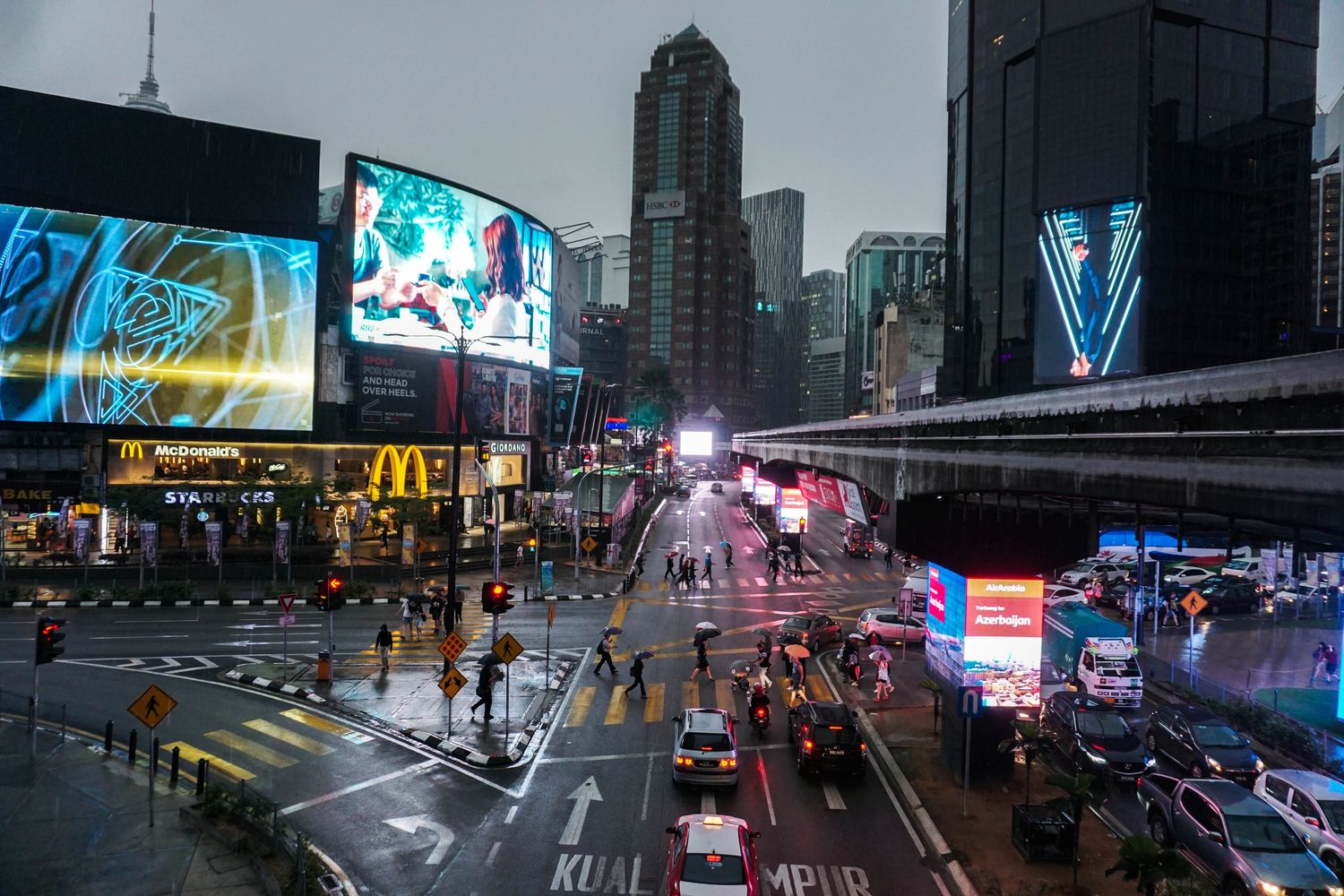
Kuala Lumpur is the heart of the region — home to Malaysia’s financial centre, major attractions, and iconic skyline.
It is where you will find:
KLCC and the Petronas Twin Towers
Bukit Bintang shopping district
heritage areas like Chinatown
a mix of modern luxury and old Kuala Lumpur charm
Explore the full guide of neighbourhoods & areas in Kuala Lumpur City.
Key neighbourhoods:
Bukit Bintang
Chow Kit
PETALING JAYA
Petaling Jaya (PJ) is one of the most established cities in Greater KL, known for its strong food culture and diverse residential areas.
It blends suburban living with urban convenience, offering:
some of the best food scenes in the Klang Valley
shopping malls like 1 Utama
café hubs and lifestyle districts
Areas like SS2 and Damansara Uptown are especially popular for food and cafés.
SUBANG JAYA
Subang Jaya is a vibrant and youthful city, popular among students, young professionals, and families.
It is known for:
SS15’s café and dessert scene
strong education hubs (colleges and universities)
a lively but slightly more relaxed environment than KL
Subang offers a balance between affordability and lifestyle, making it one of the most liveable areas outside Kuala Lumpur.
SHAH ALAM
Shah Alam, the capital of Selangor, is a well-planned city with a quieter, more spacious environment.
It is characterised by:
wide roads and organised townships
family-friendly neighbourhoods
industrial and commercial zones
It is also home to the iconic Blue Mosque, one of the largest mosques in Southeast Asia.
PUCHONG
Puchong has grown rapidly over the past decade into a major residential and commercial hub.
It is known for:
extensive housing developments
strong local food scenes
convenient access to highways and LRT lines
Puchong is particularly popular among families and middle-income households looking for value and accessibility.
AMPANG
Ampang sits on the edge of Kuala Lumpur and offers a mix of city proximity and suburban living.
It is notable for:
embassy districts and international presence
proximity to KLCC
a mix of older neighbourhoods and upscale developments
Ampang is often chosen by those who want to stay close to the city without being in its busiest core.
KLANG
Klang is one of the oldest towns in the region and has a strong identity rooted in history and local culture.
It is widely known for:
its famous bak kut teh
port and industrial activities
traditional communities and heritage
While it is further from Kuala Lumpur, Klang offers a very different, more localised lifestyle experience.
SELAYANG
Selayang is a developing area located north of Kuala Lumpur, often overlooked but steadily growing.
It offers:
more affordable housing
access to nature and hills
proximity to Batu Caves
It is increasingly attracting residents who want a quieter environment while staying connected to the city.
CHERAS
Cheras is a large and densely populated area that spans both Kuala Lumpur and Selangor.
It is known for:
extensive residential zones
MRT connectivity
relatively affordable housing
Cheras is a practical choice for commuters and families looking for value and accessibility.
KAJANG
Kajang is a growing town southeast of Kuala Lumpur, traditionally known for its famous satay.
Today, it has expanded into:
residential developments
education hubs
improved connectivity via MRT
Kajang offers a quieter pace of life while still being connected to the wider KL region.
CYBERJAYA
Cyberjaya is Malaysia’s tech hub, designed as a modern digital city.
It features:
technology companies and startups
a growing expat and student community
modern infrastructure and planning
It is particularly popular among young professionals in tech and digital industries.
PUTRAJAYA
Putrajaya is Malaysia’s administrative capital, known for its grand architecture and landscaped environment.
It is characterised by:
government buildings
lakes and bridges
wide boulevards and planned zones
Putrajaya offers a clean, organised, and scenic alternative to the density of Kuala Lumpur.
BEST AREAS IN GREATER KL (BY PURPOSE)
For First-Time Visitors
Bukit Bintang
For Food & Cafés
Petaling Jaya
Subang SS15
For Living & Expats
Cyberjaya
For Budget Living
Cheras
Kajang
Subang Jaya
For Local Culture & Heritage
Klang
HOW TO CHOOSE THE RIGHT AREA
Choosing the right neighbourhood in Greater Kuala Lumpur depends on:
proximity to MRT/LRT
lifestyle preferences (quiet vs vibrant)
food and café access
budget
workplace location
Each area serves a different purpose — from fast-paced city living to slower suburban environments.
FAQs
What are the main areas in Greater Kuala Lumpur?
Greater Kuala Lumpur consists of multiple interconnected cities and districts including Kuala Lumpur City, Petaling Jaya, Subang Jaya, Shah Alam, Puchong, Ampang, Klang, Selayang, Cheras, Kajang, Cyberjaya, and Putrajaya. Each area offers a different lifestyle — from dense urban living in KL to suburban environments in PJ and Subang, and planned cities like Putrajaya and Cyberjaya.
What is the difference between Kuala Lumpur and Greater Kuala Lumpur?
Kuala Lumpur refers specifically to the capital city, while Greater Kuala Lumpur includes surrounding cities in the Klang Valley such as Petaling Jaya, Subang Jaya, and Shah Alam. In practical terms, many people live outside KL and commute into the city, making Greater KL function as a single metropolitan region.
Which area in Kuala Lumpur is best for tourists?
KLCC and Bukit Bintang are the most popular areas for tourists due to their central location, accessibility, and concentration of attractions. KLCC offers iconic landmarks and luxury hotels, while Bukit Bintang is known for shopping, nightlife, and entertainment. Chinatown (Petaling Street) is also a strong option for culture and food.
Which area is best for first-time visitors to Kuala Lumpur?
First-time visitors should prioritise staying in KLCC, Bukit Bintang, or nearby areas like Chinatown. These neighbourhoods provide easy access to public transport, major attractions, and a wide range of dining options, making it easier to explore the city without long travel times.
Where do expats usually live in Kuala Lumpur?
Expats in Kuala Lumpur commonly live in Mont Kiara, Bangsar, and parts of Ampang. These areas offer international schools, modern condominiums, and a strong community environment. Cyberjaya is also becoming increasingly popular among younger expats working in tech and digital industries.
Is it better to live in Kuala Lumpur or Petaling Jaya?
It depends on lifestyle preferences. Kuala Lumpur offers convenience, proximity to workplaces, and a vibrant city lifestyle. Petaling Jaya, on the other hand, provides more space, a slightly slower pace, and excellent food and café options. Many residents choose PJ for living while commuting into KL for work.
What is the most affordable area to live in Greater Kuala Lumpur?
Areas like Cheras, Kajang, and parts of Subang Jaya and Shah Alam are generally more affordable compared to central Kuala Lumpur. These areas offer good connectivity via MRT and highways, making them practical choices for those balancing budget and accessibility.
Which areas in KL have the best food?
Bangsar, Petaling Jaya (especially SS2 and Damansara areas), Subang Jaya (SS15), and Petaling Street are among the top food destinations. Each offers a mix of local street food, cafés, and modern dining concepts, making Greater KL one of the most diverse food regions in Malaysia.
Which neighbourhoods are best for nightlife in Kuala Lumpur?
Bukit Bintang and Bangsar are the main nightlife hubs. Bukit Bintang offers a high-energy scene with clubs and bars, while Bangsar provides a more laid-back but still vibrant mix of bars, restaurants, and social spots popular with locals and expats.
Is public transport accessible across Greater Kuala Lumpur?
Public transport in Greater KL is continuously improving, with MRT, LRT, and KTM lines connecting many major areas including KL city, Cheras, Kajang, Subang, and parts of Petaling Jaya. However, some suburban areas still rely heavily on cars, so accessibility can vary depending on location.
Which areas are best for families in Greater Kuala Lumpur?
Subang Jaya, Shah Alam, Puchong, and parts of Petaling Jaya are popular among families due to their residential environments, schools, and amenities. Desa ParkCity in Kuala Lumpur is also highly regarded for its planning, safety, and lifestyle offerings.
How far is Petaling Jaya from Kuala Lumpur?
Petaling Jaya is located directly next to Kuala Lumpur, and travel between the two typically takes 15 to 30 minutes depending on traffic and exact location. With MRT and LRT connections, commuting between PJ and KL is convenient for many residents.
Is Cyberjaya or Putrajaya a good place to stay?
Cyberjaya is suitable for those looking for a quieter, modern environment with a growing tech and student community. Putrajaya is more scenic and structured but less lively. Both are better suited for longer stays or specific purposes rather than short tourist visits.
Which area in Greater KL is growing the fastest?
Areas like Cyberjaya, Kajang, and parts of Puchong are experiencing rapid growth due to infrastructure development and connectivity improvements. These areas are attracting new residential and commercial projects, making them important growth zones in Greater KL.
