Local Restaurants to Try in Kuala Lumpur
If hawker stalls feel too rushed and cafés feel too polished, local restaurants are where you’ll feel most at home in Kuala Lumpur.
These are the places locals go for:
- Family meals
- Comfort food
- Regular lunches and dinners
- Celebrations without formality
This guide focuses on local Malaysian restaurants — not fine dining, not chains, but everyday eateries that reflect how people actually eat in KL.
What Defines a “Local Restaurant” in KL?
Local restaurants in Kuala Lumpur are typically:
- Family-run or long-established
- Focused on specific cuisines (Malay, Chinese, Indian, Nyonya)
- Casual and unpretentious
- Food-first, not design-first
They sit comfortably between hawker stalls and upscale dining.
Malay & Muslim-Friendly Restaurants
Malay restaurants are central to KL’s food identity and widely halal-friendly.
What to Try
- Nasi lemak with ayam goreng or rendang
- Nasi campur (mixed rice)
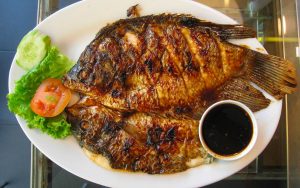
- Grilled fish (ikan bakar)
- Traditional kuih
Where You’ll Find Them
- Kampung Baru
- Residential neighbourhoods
- Along main roads and town centres
These places are best for hearty, flavourful meals.
Chinese Local Restaurants
Chinese restaurants in KL range from simple eateries to full banquet-style dining.
Popular Dishes
- Char siu & roast meats
- Claypot dishes
- Stir-fried vegetables
- Noodles and soups
Where to Look
- Petaling Street
- Old shoplots
- Residential areas
Some restaurants are non-halal; menus usually make this clear.
Indian & Banana Leaf Restaurants
Indian food in KL is bold, comforting, and widely loved.
What Makes Them Special
- Banana leaf rice
- Free-flow curries
- Vegetarian-friendly options
Popular Areas
- Brickfields
- Around business districts
- Near transport hubs
Meals here are generous and social.
Nyonya & Peranakan Restaurants
Nyonya cuisine blends Chinese techniques with Malay spices.
What to Expect
- Rich, layered flavours
- Home-style dishes
- Smaller, focused menus
These restaurants are ideal if you want something traditional but less commonly found at hawker stalls.
Kopitiam-Style Restaurants (Sit-Down Comfort)
Some kopitiams function like restaurants, with table service and expanded menus.
You’ll find:
- Set meals
- Signature house dishes
- Regular local customers
These are great for relaxed meals without crowds.
How Much Do Local Restaurants Cost in KL?
One of KL’s strengths is value.
Typical prices:
- Main dishes: RM15–30
- Rice sets: RM10–20
- Shared dishes: RM20–40
You get proper sit-down meals without premium pricing.
How to Choose a Good Local Restaurant
Locals often look for:
- Crowds during meal times
- Limited but focused menus
- Clean but simple interiors
- Long operating history
Don’t be put off by plain exteriors — food matters more than décor.
Halal & Dietary Notes
- Many Malay and Indian restaurants are halal-friendly
- Chinese restaurants may serve pork or alcohol
- Vegetarian options are common, especially in Indian eateries
When in doubt, ask — staff are usually helpful.
When to Visit Local Restaurants
- Lunch: 12pm–2pm (busiest)
- Dinner: 6.30pm–8.30pm
- Some close early or take mid-day breaks
Plan meals slightly outside peak hours for a calmer experience.
Local Restaurants vs Hawker Food vs Cafés
Each serves a different role in KL’s food culture:
- Hawker food → fast, affordable, casual
- Local restaurants → comfortable, social, sit-down
- Cafés → lifestyle, brunch, coffee
A well-rounded KL food trip includes all three.
Why Local Restaurants Matter in KL
Local restaurants show you how Kuala Lumpur eats on a normal day.
They’re where:
- Families gather
- Office workers eat lunch
- Traditions are maintained quietly
If you want to understand KL beyond highlights and lists, eat where locals sit down — not just where they queue.