Malaysian kuih-muih is more than just dessert — it is edible heritage.
Across morning markets, kopitiams, Ramadan bazaars, and family kitchens, these colourful bite-sized treats represent Malaysia’s multicultural roots, agricultural landscape, and generational memory. From soft steamed cakes infused with pandan to chewy glutinous rice wrapped in banana leaves, kuih reflects Malay, Nyonya (Peranakan), Chinese, and regional influences that have evolved over centuries.
If you’re searching for:
- Types of kuih in Malaysia
- Traditional Malay kuih
- Nyonya kuih desserts
- Classic Malaysian snacks
- Local desserts you must try
This is your definitive guide to Malaysian kuih-muih, designed for both first-time visitors and locals rediscovering their roots.ost iconic Malaysian kuih — explained, contextualised, and grouped for deeper understanding.
If you’re looking where to find delicious kuih-muih in Kuala Lumpur, check out our guide to kuih-muih in the city.
What Is Kuih?
The word kuih (also spelled kueh) is a Malay term referring to a wide range of traditional bite-sized snacks and desserts found across Malaysia and Southeast Asia.
Unlike Western pastries that rely heavily on wheat and baking, Malaysian kuih is built around tropical, local ingredients:
- Coconut milk (lemak richness)
- Pandan leaves (natural fragrance)
- Glutinous rice (pulut texture)
- Tapioca and rice flour
- Palm sugar (gula melaka)
- Banana leaves (for wrapping and aroma)
How Kuih Is Made
Kuih is incredibly diverse in technique:
- Steamed
- Baked
- Grilled
- Wrapped
- Fermented
When Malaysians Eat Kuih
Kuih is part of everyday life:
- Breakfast (especially in markets)
- Afternoon tea (minum petang)
- Festive seasons (Hari Raya, Chinese New Year)
- Religious offerings and ceremonies
Important: Not all kuih are sweet — some are savoury, smoky, or lightly salted.
Steamed Layered Kuih
These kuih are known for their distinctive layered appearance and custard-like textures.
1. Kuih Lapis (Nine-Layer Cake)
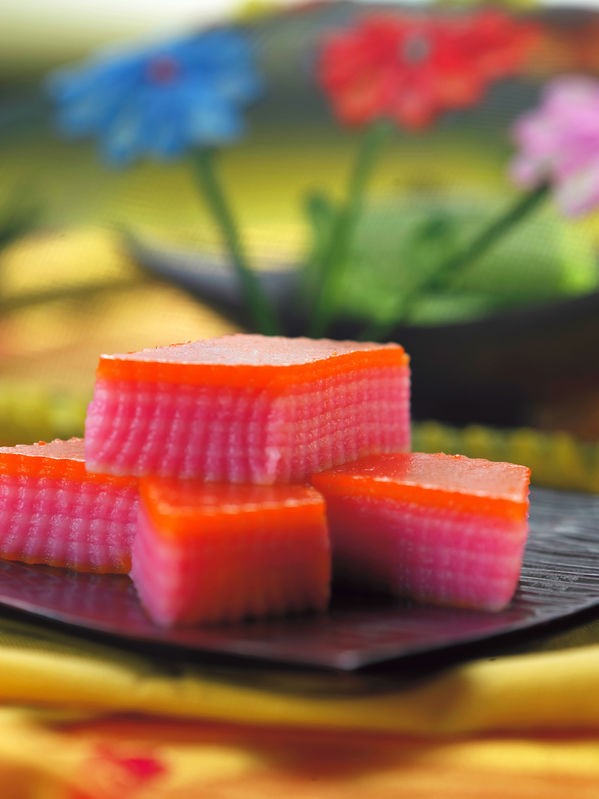
Kuih Lapis is one of the most recognisable Malaysian kuih. Each thin layer is steamed individually, creating colourful stripes that can be peeled apart one by one — a nostalgic childhood habit for many Malaysians.
Traditionally red and white, modern versions feature rainbow colours.
Key Ingredients: Rice flour, tapioca flour, coconut milk, sugar
Texture: Soft, elastic, slightly chewy
Flavour Profile: Lightly sweet, coconut-forward
Commonly Eaten: Tea time, festive gatherings
Cultural Significance: Symbolises patience and craftsmanship due to its layered preparation
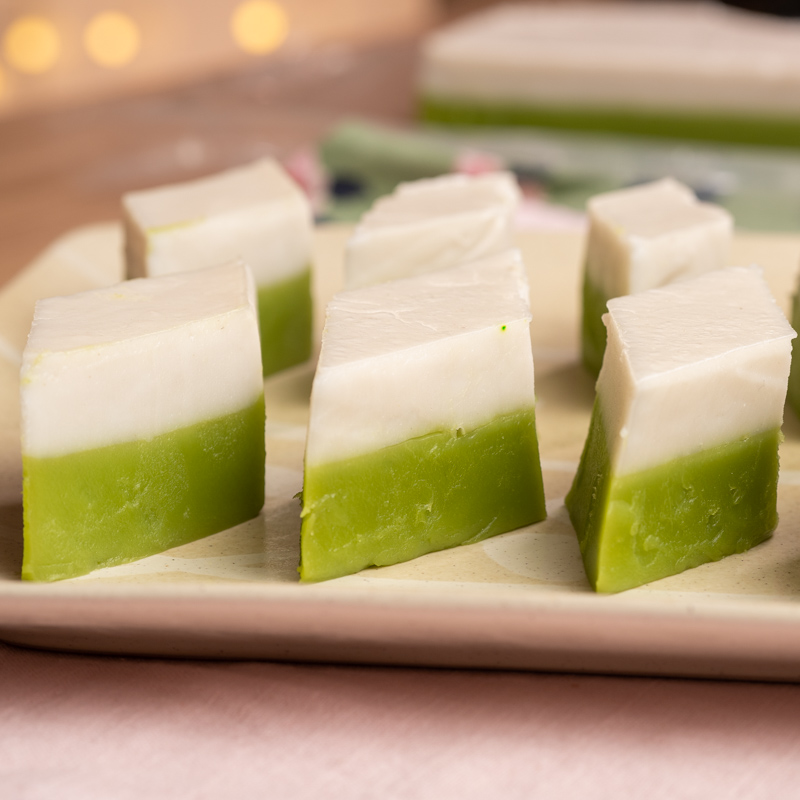
2. Kuih Talam
A two-layer steamed kuih with pandan base and salted coconut top.
Key Ingredients: Rice flour, mung bean flour, pandan, coconut milk
Texture: Firm bottom, creamy top
Flavour Profile: Sweet pandan balanced by savoury coconut
Commonly Eaten: Tea sessions
Cultural Significance: A staple in Malay households
3. Seri Muka
Top pandan custard, bottom glutinous rice.
Key Ingredients: Glutinous rice, pandan, coconut milk, eggs
Texture: Creamy custard + dense rice
Flavour Profile: Rich, aromatic, slightly sweet
Commonly Eaten: Breakfast or dessert
Cultural Significance: Popular across Malay and Nyonya communities
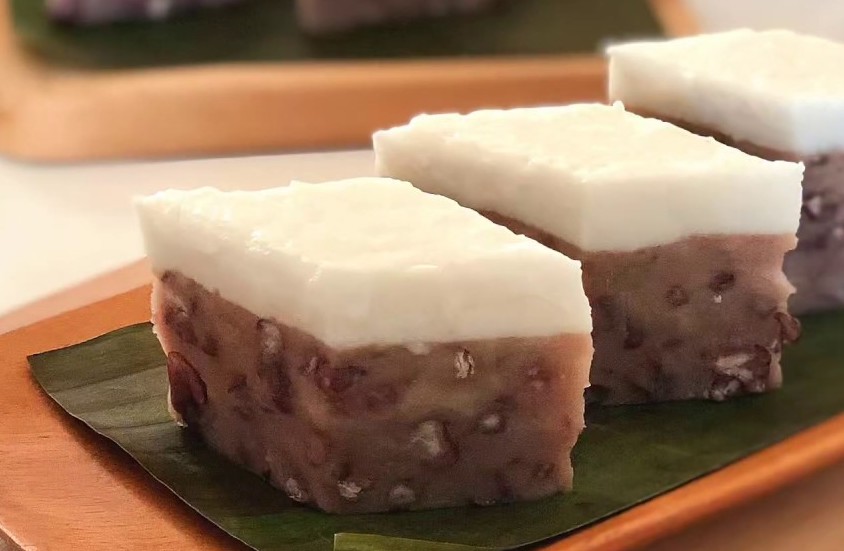
4. Kuih Kacang Merah
A red bean variation of kuih talam.
Key Ingredients: Red beans, coconut milk, rice flour, pandan
Texture: Soft bean layer with creamy coconut top
Flavour Profile: Earthy-sweet with mild saltiness
Commonly Eaten: Tea time
Cultural Significance: Reflects Chinese-Malay culinary blending
Glutinous Rice-Based Kuih
Glutinous rice (pulut) plays a central role in Malaysian kuih culture.
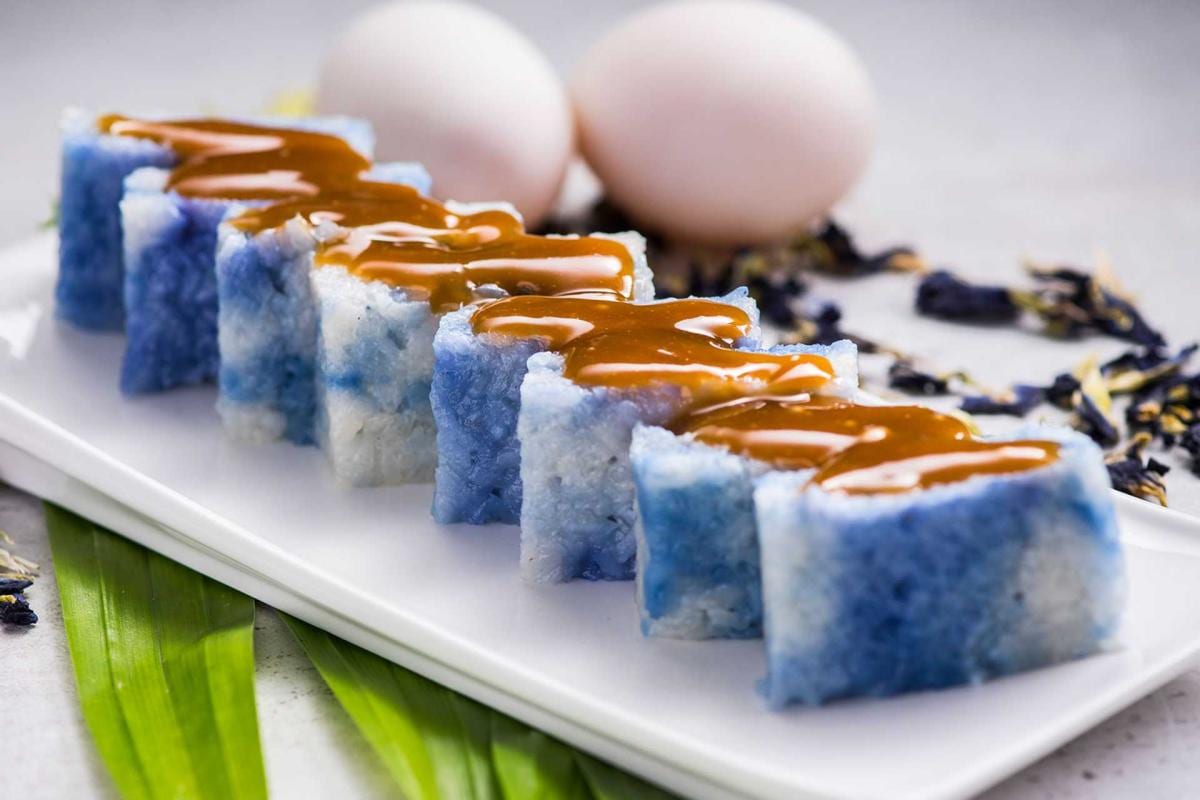
5. Pulut Tai-Tai (Pulut Tekan)
A classic Nyonya kuih dyed naturally blue using butterfly pea flower (bunga telang). Served with kaya, it balances savoury glutinous rice with sweet coconut jam.
Key Ingredients: Glutinous rice, butterfly pea flower, coconut milk, kaya
Texture: Dense, sticky, compact
Flavour Profile: Mildly salty rice with sweet kaya contrast
Commonly Eaten: Breakfast, festive occasions
Cultural Significance: Strongly associated with Peranakan heritage
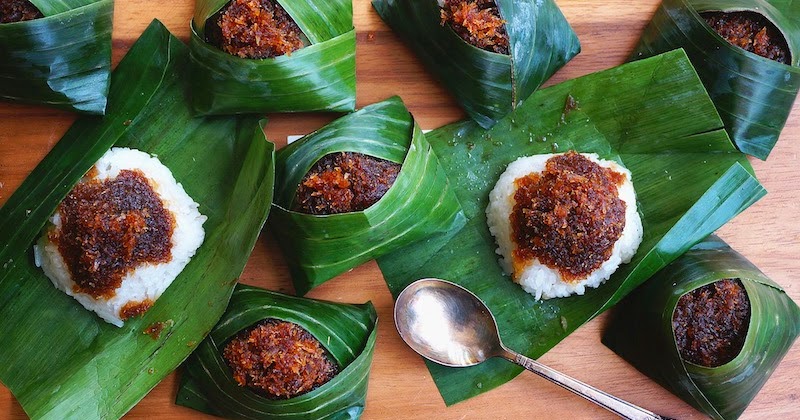
6. Pulut Inti
Glutinous rice topped with sweet coconut cooked in palm sugar.
Key Ingredients: Pulut, grated coconut, gula melaka, pandan
Texture: Sticky base with fibrous coconut topping
Flavour Profile: Caramel sweetness with salty rice
Commonly Eaten: Breakfast markets
Cultural Significance: Banana leaf wrapping adds aroma and tradition
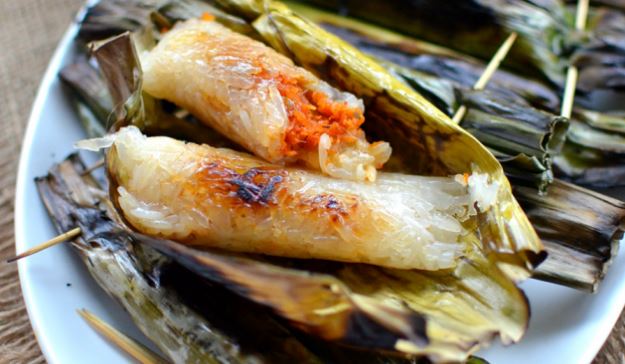
7. Pulut Panggang
A savoury grilled kuih.
Key Ingredients: Glutinous rice, dried shrimp sambal, banana leaf
Texture: Sticky rice with smoky exterior
Flavour Profile: Savoury, spicy, aromatic
Commonly Eaten: Breakfast or snack
Cultural Significance: Popular in East Coast states
Coconut & Palm Sugar Kuih
Malaysia’s tropical ingredients shine here.
8. Onde-Onde
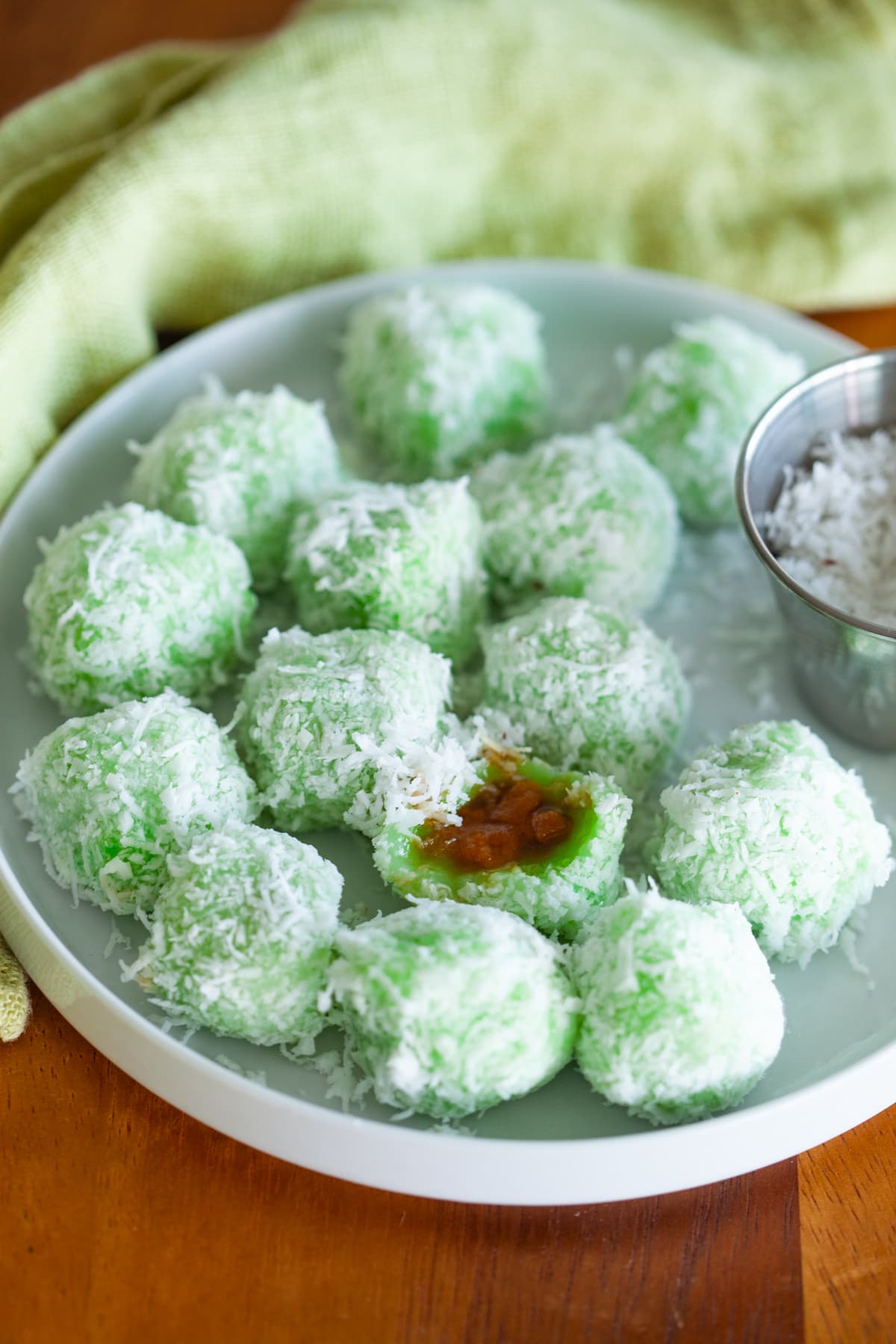
Glutinous rice balls filled with molten gula melaka and rolled in coconut. A perfect bite bursts with liquid palm sugar.
Key Ingredients: Glutinous rice flour, gula melaka, grated coconut
Texture: Chewy exterior, molten centre
Flavour Profile: Intense palm sugar sweetness
Commonly Eaten: Tea time
Cultural Significance: One of Malaysia’s most iconic kuih
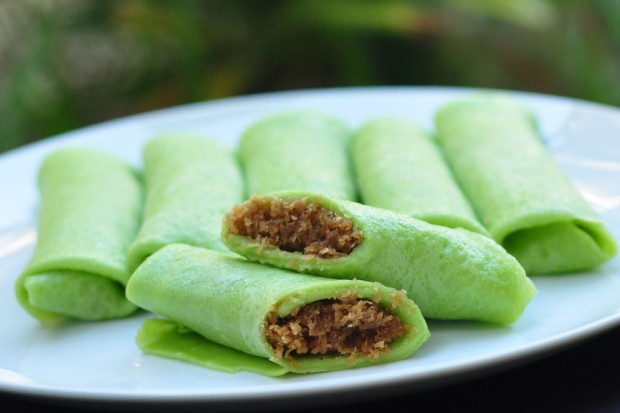
9. Kuih Ketayap (Kuih Dadar Gulung)
Pandan crêpe filled with caramelised coconut and palm sugar.
Key Ingredients: Pandan batter, grated coconut, gula melaka
Texture: Soft crepe with moist filling
Flavour Profile: Fragrant pandan + caramel coconut
Commonly Eaten: Tea time
Cultural Significance: Common at Ramadan bazaars
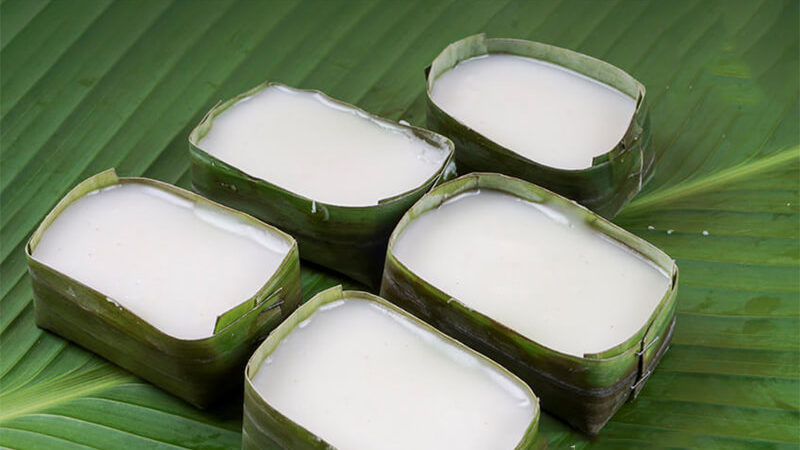
10. Tepung Pelita
Popular on the East Coast, Tepung Pelita consists of pandan custard topped with coconut milk, steamed in small banana leaf cups.
Key Ingredients: Rice flour, pandan, coconut milk
Texture: Wobbly custard
Flavour Profile: Lightly sweet with creamy top
Commonly Eaten: Ramadan
Cultural Significance: Strong East Coast roots
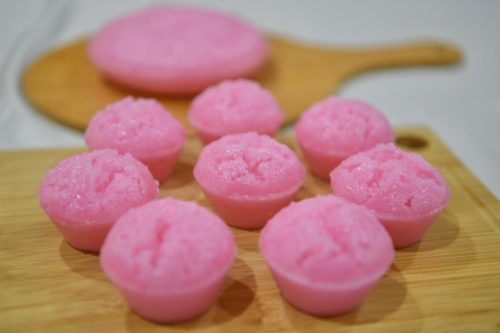
11. Kuih Kosui (Kuih Lompang)
Soft, chewy steamed cakes in pandan or gula melaka flavours, topped with grated coconut.
Key Ingredients: Rice flour, pandan/gula melaka, coconut
Texture: Bouncy and slightly sticky
Flavour Profile: Mild sweetness
Commonly Eaten: Tea time
Cultural Significance: Traditional ceramic mould shaping
12. Kuih Koci
A dumpling-like kuih made from glutinous rice flour filled with sweet coconut and palm sugar, wrapped in banana leaf.
Key Ingredients: Glutinous rice flour, coconut, palm sugar
Texture: Soft and slightly chewy
Flavour Profile: Sweet coconut
Commonly Eaten: Festive seasons
Cultural Significance: Wrapped in banana leaf for aroma
Baked & Cassava-Based Kuih
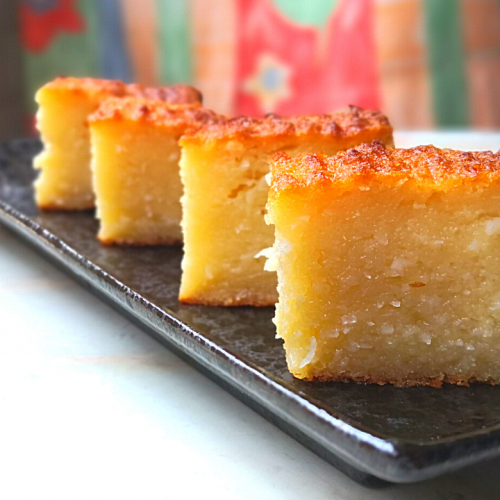
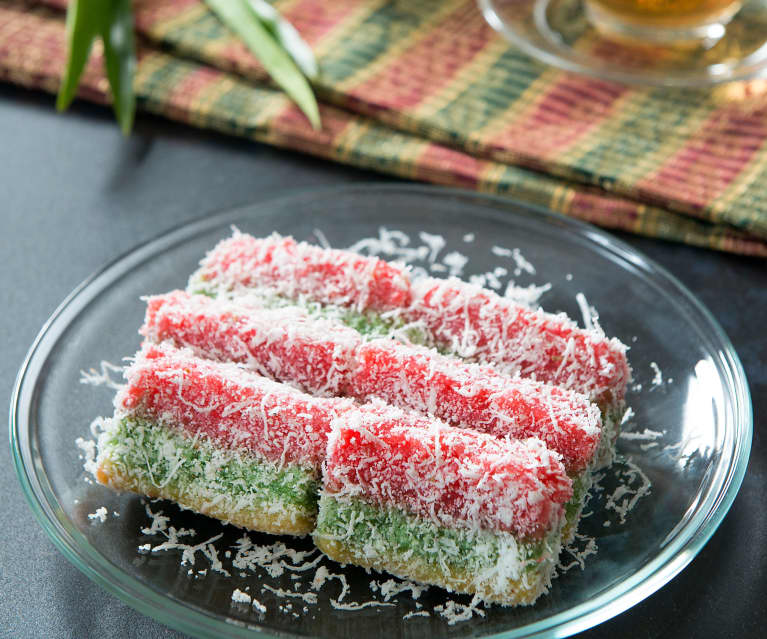
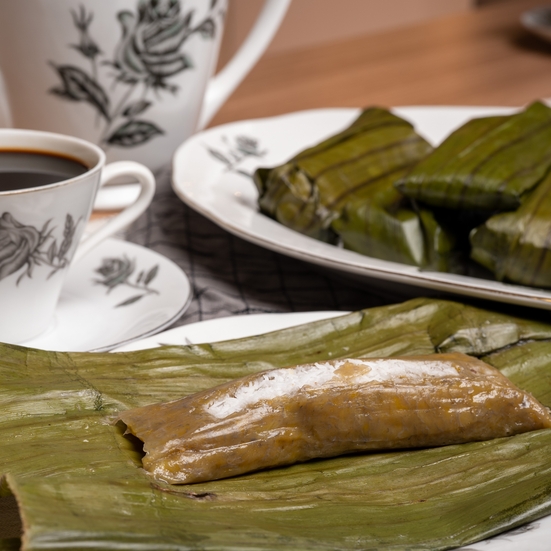
13. Kuih Bingka Ubi
Made from grated tapioca, coconut milk and eggs, baked until golden with a caramelised crust.
Key Ingredients: Tapioca, coconut milk, eggs, pandan
Texture: Chewy centre, crisp top
Flavour Profile: Rich, slightly eggy
Commonly Eaten: Afternoon snack
Cultural Significance: Village-style baking tradition
14. Kuih Sago Ubi
A tapioca-based kuih topped with sago pearls cooked in palm sugar and coated in coconut.
Key Ingredients: Tapioca, sago pearls, gula melaka
Texture: Jelly-like top, chewy base
Flavour Profile: Sweet palm sugar
Commonly Eaten: Tea time
Cultural Significance: Showcases tapioca abundance
15. Lepat Pisang
Mashed banana mixed with flour and coconut, wrapped and steamed in banana leaves.
Key Ingredients: Banana, flour, coconut
Texture: Soft and moist
Flavour Profile: Naturally sweet banana
Commonly Eaten: Breakfast
Cultural Significance: Village homemade kuih
Chinese-Influenced Kuih
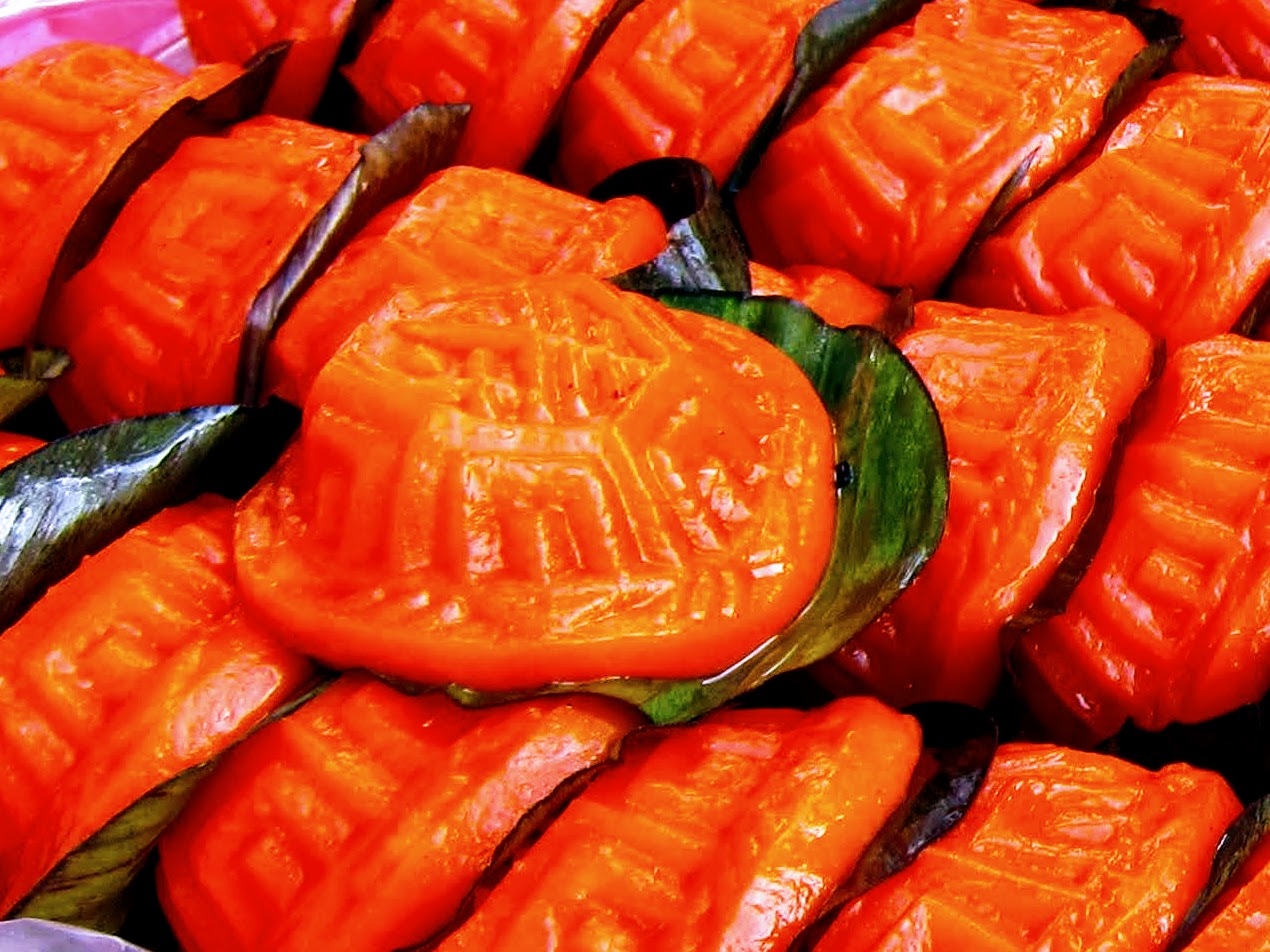
16. Ang Ku Kuih (Red Tortoise Cake)
Symbolising longevity and prosperity, this glutinous rice cake is moulded into a tortoise shape.
Key Ingredients: Glutinous rice flour, mung bean paste
Texture: Soft skin, dense filling
Flavour Profile: Mildly sweet
Commonly Eaten: Birthdays & religious offerings
Cultural Significance: Symbol of longevity
17. Huat Kuih
A steamed cupcake that splits at the top, symbolising prosperity.
Key Ingredients: Rice flour, sugar, yeast
Texture: Fluffy, airy
Flavour Profile: Lightly sweet
Commonly Eaten: Chinese New Year
Cultural Significance: Represents prosperity
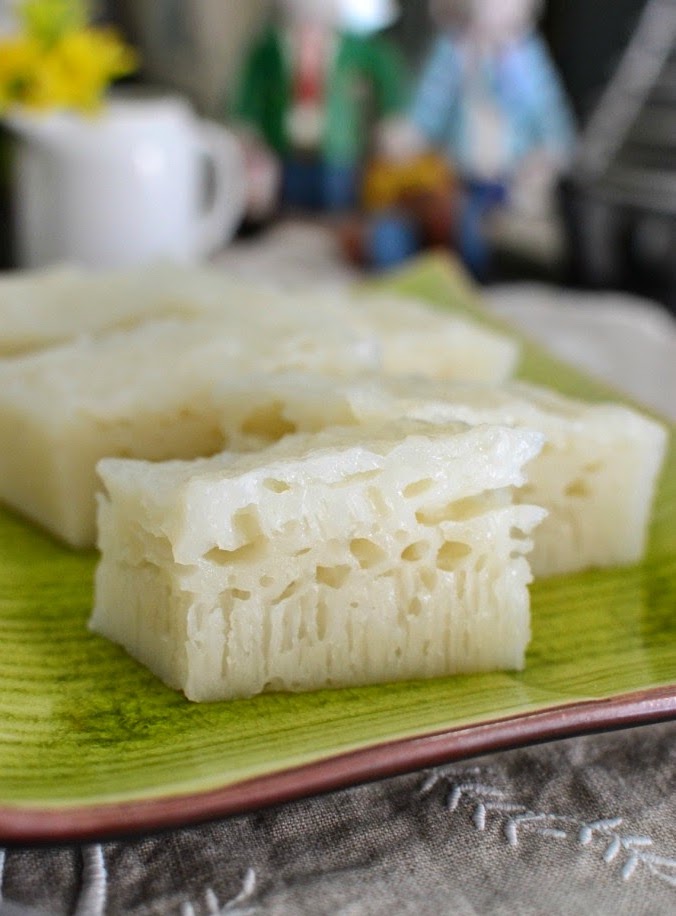
18. Pak Thong Ko (White Sugar Sponge Cake)
Fermented with yeast, this airy sponge cake features a honeycomb texture.
Key Ingredients: Rice flour, yeast, sugar
Texture: Honeycomb airy interior
Flavour Profile: Mild, slightly fermented
Commonly Eaten: Tea snack
Cultural Significance: Cantonese influence
Regional & Festive Kuih
19. Puteri Ayu
A fluffy pandan sponge topped with salted grated coconut.
Key Ingredients: Flour, pandan, coconut
Texture: Fluffy sponge
Flavour Profile: Lightly sweet, fragrant
Commonly Eaten: Festive gatherings
Cultural Significance: Malay-Indonesian roots
20. Kuih Bakar
Rich, eggy and pandan-infused, with a caramelised sesame seed crust.
Key Ingredients: Eggs, coconut milk, pandan, sesame seeds
Texture: Custardy inside, caramelised crust
Flavour Profile: Rich and slightly smoky
Commonly Eaten: Village markets
Cultural Significance: Often baked over charcoal traditionally
Why Malaysian Kuih-Muih Matters
Kuih is more than food — it is:
- Cultural memory passed through generations
- Festive symbolism tied to celebrations
- Agricultural storytelling rooted in local ingredients
- Community bonding through shared preparation
In every bite, kuih reflects Malaysia’s tropical abundance, multicultural identity, and living heritage.
FAQs About Malaysian Kuih
What is the difference between kuih and desserts?
Kuih refers to traditional Southeast Asian snacks and desserts, often using rice, coconut, and natural ingredients, unlike Western desserts which rely on flour, butter, and baking techniques.
Is kuih always sweet?
No. While many kuih are sweet, some like pulut panggang are savoury and even spicy.
What is the most popular kuih in Malaysia?
Onde-onde, kuih lapis, and seri muka are among the most widely recognised and loved.
Are kuih gluten-free?
Many kuih are naturally gluten-free as they use rice or tapioca flour — but always check ingredients.
Where can tourists try authentic kuih?
Visit local markets, traditional bakeries, and heritage towns like Penang and Melaka for the most authentic experiences.
To understand Malaysia, you must understand its kuih.
Not just how it tastes — but how it is made, shared, and remembered.
Each kuih tells a story. And together, they form one of Southeast Asia’s richest culinary traditions.