Petaling Street is more than just a tourist attraction — it is one of the most flavour-packed streets in Kuala Lumpur.
Located in the heart of Chinatown, this bustling stretch and its surrounding lanes are home to decades-old hawker stalls, hidden kopitiams, traditional dessert shops, and modern cafés that sit inside restored shophouses.
If you’re visiting for the first time — or even if you think you already know the area — here is your complete guide to what to eat in Petaling Street.
Claypot Chicken Rice at Chinatown Hawker Stalls
If there’s one dish you cannot skip in Petaling Street, it’s claypot chicken rice. However technically, it is located at Jalan Sultan.
Cooked over charcoal in a traditional claypot, the rice develops a crispy crust at the bottom while the chicken, Chinese sausage, and salted fish release their oils into the grains. The result is smoky, slightly charred, and deeply satisfying.
The most famous version can be found at Hong Kee Claypot Chicken Rice, which has been serving loyal customers for decades. Expect queues during peak hours — and yes, it’s worth the wait.
Hokkien Mee (KL-style)
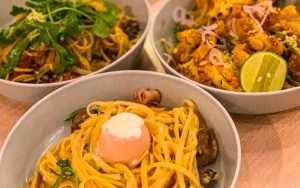
KL-style Hokkien mee is dark, glossy, and cooked over high heat with pork lard, cabbage, squid, and prawns.
Unlike the Penang version, Kuala Lumpur’s Hokkien mee is thicker and richer. Around Petaling Street, you’ll find stalls frying these noodles in massive woks, sending up clouds of smoke that perfume the entire lane.
Dumplings & Handmade Noodles
Chinatown’s Chinese heritage shines through in its dumpling shops and noodle houses.
Look for:
- Pan-fried pork dumplings
- Steamed chive dumplings
- Hand-pulled la mian
- Knife-cut noodles
Many small eateries in the lanes around Petaling Street specialise in northern Chinese-style wheat noodles, offering chewy textures and robust broths that differ from typical Malaysian hawker fare.
Beef Noodles (Ngau Lam Fun)
Beef noodle soup is another staple you’ll find here.
Slow-braised beef brisket, tendon, and tripe are served in a herbal broth with flat rice noodles. Some stalls offer dry versions tossed in dark sauce and topped with minced beef.
The flavours are comforting and deeply traditional — perfect after a long walk exploring Chinatown.
Street Skewers & Night Market Snacks
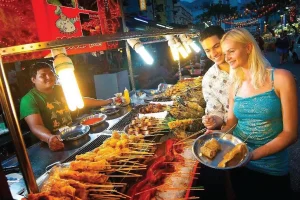
When evening falls, Petaling Street transforms into a lively night market.
Expect:
- Grilled squid
- Satay skewers
- Fried tofu
- Stuffed brinjals
- Taiwanese-style sausages
- Fried oyster omelette
The energy at night is completely different — neon lights, sizzling grills, and vendors calling out to passing crowds.
Traditional Chinese Desserts
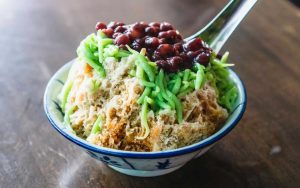
Chinatown is also one of the best places in KL to try traditional tong sui (sweet soups).
Popular choices include:
- Black sesame paste
- Peanut soup
- Bubur cha cha
- Herbal jelly (gui ling gao)
- Almond cream
One well-known dessert stop is Kim Soya Bean, famous for silky smooth soy milk and tau fu fah.
Kopitiam Breakfast
Start your morning the local way.
Order:
- Kaya butter toast
- Soft-boiled eggs
- Kopi-O or Kopi-C
- Half-boiled egg with soy sauce & pepper
Many old-school coffee shops around Petaling Street still maintain their tiled floors, marble tables, and nostalgic charm.
Bak Kut Teh & Herbal Soups
Though Klang is more famous for bak kut teh, you can still find solid herbal pork rib soup around Chinatown.
The broth is simmered for hours with Chinese herbs, garlic, and peppercorns. It’s rich, warming, and deeply comforting — especially on rainy evenings.
Chinese Pastries & Traditional Snacks
Look out for traditional bakeries selling:
- Egg tarts
- Wife biscuits
- Peanut candy
- Sesame balls
- Mooncakes (seasonal)
These shops often have decades of history and make excellent edible souvenirs.
Where to Eat Beyond Petaling Street
Petaling Street connects to several iconic Chinatown spots:
- Central Market
- Kwai Chai Hong
- REXKL
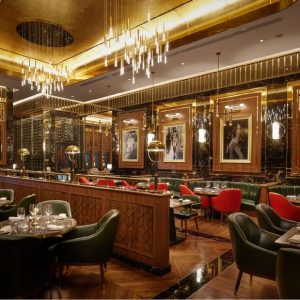
Within walking distance, you’ll find modern cafés, speakeasy bars, and restored heritage shophouses offering fusion menus that blend old and new Kuala Lumpur.
FAQ: Things to Eat in Petaling Street
What is Petaling Street famous for food-wise?
Petaling Street is famous for claypot chicken rice, Hokkien mee, beef noodles, dumplings, and traditional Chinese desserts. It represents Kuala Lumpur’s Chinese culinary heritage and is one of the best places in the city for classic hawker-style Chinatown food.
Is Petaling Street good for street food?
Yes. Especially in the evening, Petaling Street becomes a vibrant night market with grilled seafood, skewers, fried snacks, and local delicacies. It’s one of the most accessible street food hubs in central Kuala Lumpur.
When is the best time to eat in Petaling Street?
Morning is best for kopitiam breakfast and soy milk. Afternoon is ideal for claypot rice and noodle shops. Night is when the street food scene comes alive with grilling stalls and vibrant energy.
Is Petaling Street expensive?
Most hawker food ranges from affordable to mid-range pricing. Compared to mall dining in KLCC or Bukit Bintang, Petaling Street remains relatively budget-friendly while offering authentic flavours.
Petaling Street is not just about fake handbags and souvenir stalls — it is one of Kuala Lumpur’s most historically layered food streets.
If you want to understand the city’s culinary roots, start here.
And then explore the surrounding lanes — because the real gems are often hidden just slightly off the main strip.
If this is your first time to Petaling Street, here’s an overall guide for you to know more.