Ramadan in Malaysia: Things to Know About the Holy Month
Ramadan is the holiest month in Islam, observed by more than 1.8 billion Muslims worldwide — including millions in Malaysia, where Islam is the official religion and widely practiced.
If you are living in Kuala Lumpur or visiting Malaysia during this period, understanding Ramadan helps you better appreciate the cultural rhythm of the country — from bustling Ramadan bazaars to the spiritual atmosphere in mosques at night.
Here is a complete, beginner-friendly guide to the Ramadan month, especially in the Malaysian context.
What Is Ramadan?
Ramadan is the ninth month of the Islamic lunar calendar.
Muslims believe it was during this month that the first verses of the Quran were revealed to Prophet Muhammad on a night known as Laylat al-Qadr (The Night of Power) — considered the most sacred night of the year.
Ramadan is a time of:
- Spiritual reflection
- Increased prayer
- Self-discipline
- Charity and generosity
- Strengthening one’s relationship with God
It is not a festive month in itself, but a deeply spiritual one.
How Does Fasting During Ramadan Work?
Fasting during Ramadan is one of the Five Pillars of Islam — the fundamental acts of worship required of all Muslims.
From dawn to sunset every day throughout the month, Muslims must abstain from:
- Food
- Drinks (including water)
- Smoking
- Intimate relations
- Negative speech and behaviour
The fast is not just physical. It is also spiritual — encouraging self-control, compassion and mindfulness.
Why Fast?
Fasting serves several purposes:
- To cultivate self-discipline
- To increase empathy for the less fortunate
- To reduce worldly distractions
- To focus more deeply on faith
When Does Fasting Begin and End Each Day?
Each fasting day starts before dawn with a pre-fast meal called Sahur.
Fasting ends at sunset with the breaking of fast known as Iftar.
In Malaysia, the evening call to prayer (Maghrib azan) signals the time to break fast.
Who Is Exempt from Fasting?
Certain individuals are exempt from fasting, including:
- The elderly
- The ill
- Pregnant or breastfeeding women
- Women who are menstruating
- Travellers
Missed fasts can be made up later in the year.
A Typical Day During Ramadan in Malaysia
During Ramadan, daily routines adjust slightly.
Early Morning (Before Dawn)
Muslims wake up early to:
- Perform morning prayers
- Eat Sahur
- Hydrate sufficiently for the day ahead
Meals are usually balanced and filling to sustain energy.
Daytime
Despite fasting, Muslims continue with:
- Work
- School
- Business
Life does not stop — although energy levels may vary in the late afternoon.
In Malaysia, some eateries may close during the day in predominantly Muslim areas, but major cities like Kuala Lumpur remain operational.
Evening (Iftar Time)
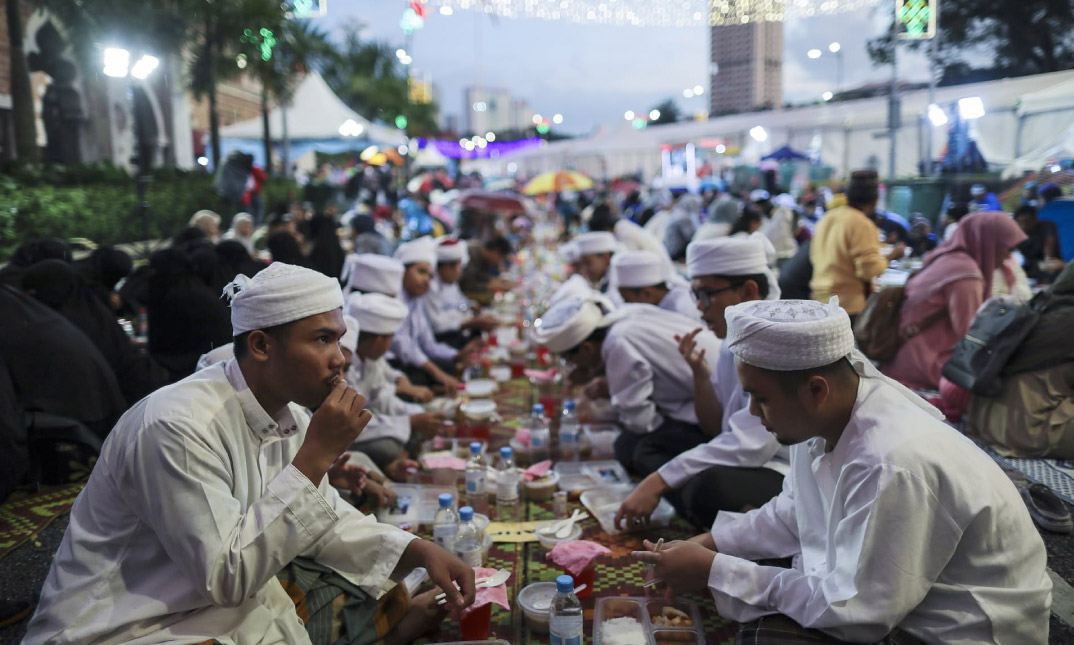
Before sunset, families prepare food for Iftar.
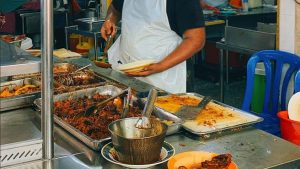
In Malaysia, Ramadan bazaars are a major highlight. These vibrant evening markets sell:
- Traditional Malay dishes
- Sweet desserts
- Grilled meats
- Refreshing drinks
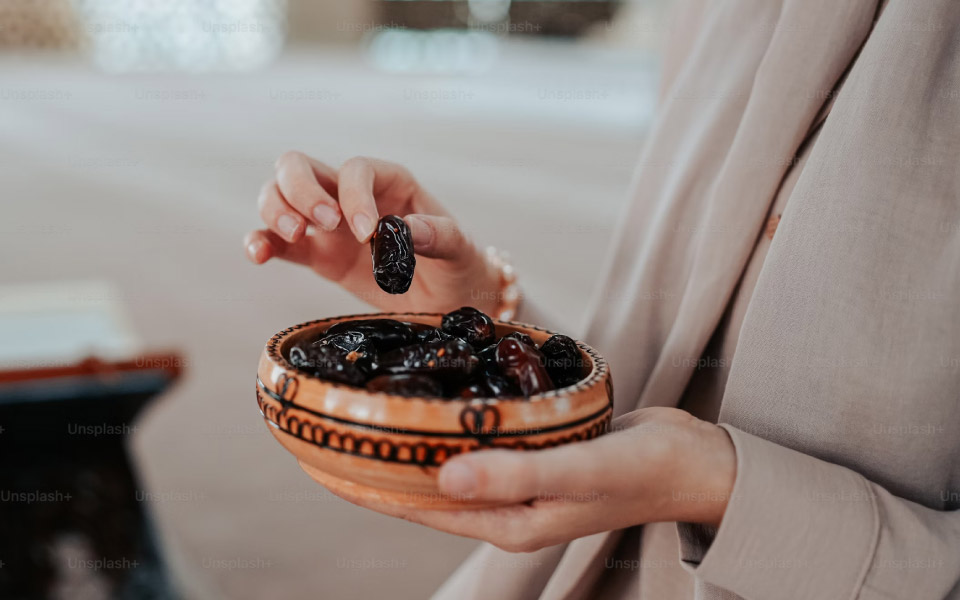
Once the call to prayer is heard, Muslims typically break their fast with:
- Dates
- Water
This follows the tradition of Prophet Muhammad.
After a light meal and prayer, many continue with a fuller dinner shared with family.
Night Prayers (Tarawih)
Special nightly prayers called Tarawih are performed during Ramadan.
Many Muslims go to mosques after Isha (night prayer) to perform these additional congregational prayers.
The atmosphere in Malaysian mosques during Ramadan nights is peaceful and communal.
Why Does Ramadan Fall on Different Dates Each Year?
Islam follows a lunar calendar, which is approximately 354 days long — about 11 days shorter than the Gregorian calendar.
This means Ramadan shifts earlier each year.
For example:
- One year it may fall in April
- The next year in March
- And gradually move across seasons over time
The start and end of Ramadan are determined by the sighting of the new moon.
Why Are Dates Eaten During Iftar?
Muslims traditionally break their fast with dates and water, following the practice of Prophet Muhammad.
Dates are:
- Naturally sweet
- Easy to digest
- Nutrient-rich
They help replenish energy quickly after a long day of fasting.
Ramadan Is Also a Month of Charity
Charity plays a significant role during Ramadan.
Muslims increase their giving through:
- Zakat (obligatory almsgiving)
- Donations of food
- Monetary contributions to the needy
The emphasis is on compassion, generosity and community support.
How to Greet Someone During Ramadan
Common greetings during Ramadan include:
- “Ramadan Kareem” (Have a generous Ramadan)
- “Ramadan Mubarak” (Have a blessed Ramadan)
These greetings are appropriate for both Muslims and non-Muslims to say.
Eid al-Fitr: The Celebration That Marks the End of Ramadan
The end of Ramadan is marked by Eid al-Fitr, known locally in Malaysia as Hari Raya Aidilfitri.
The celebration begins after the new moon is sighted, signalling the first day of the next Islamic month.
How Malaysians Celebrate Hari Raya
Hari Raya is one of the biggest celebrations in Malaysia.
Common traditions include:
- Returning to hometowns (balik kampung)
- Seeking forgiveness from elders
- Visiting relatives and friends
- Wearing traditional attire
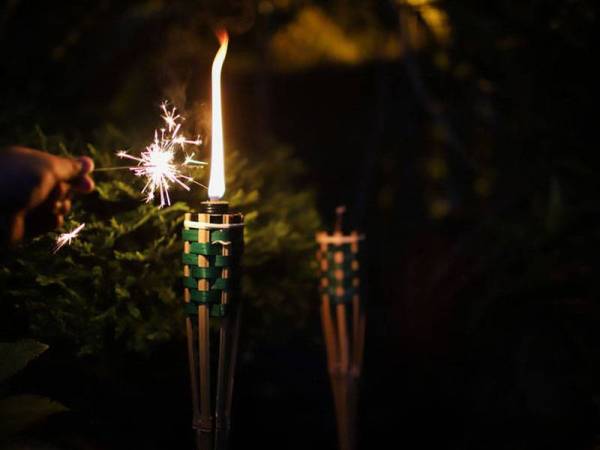
The night before Hari Raya is filled with:
- The sound of takbir in mosques
- Oil lamps (pelita or lampu colok) decorating homes
Traditional foods served during Hari Raya include:
- Ketupat
- Rendang
- Lemang
- Various Malay kuih and delicacies
Children receive small sums of money known as duit raya, usually placed in green envelopes.
Common greetings during Hari Raya:
- “Selamat Hari Raya”
- “Salam Aidilfitri”
- “Maaf zahir dan batin” (Seeking forgiveness for physical and emotional wrongdoings)
Visiting Kuala Lumpur During Ramadan: What You Should Know
If you are a visitor:
- Eating in public is allowed for non-Muslims.
- Many restaurants open in shopping malls and tourist areas.
- Expect traffic congestion near Ramadan bazaars before sunset.
- Nightlife and food scenes become livelier after Iftar.
Ramadan in Kuala Lumpur offers a unique cultural experience — especially through food, markets and community spirit.
Ramadan is not just about abstaining from food and drink. It is a month of reflection, compassion, discipline and generosity.
In Malaysia, it shapes daily life in meaningful ways — from early morning Sahur to the festive celebrations of Hari Raya Aidilfitri.
Understanding Ramadan helps you better appreciate Malaysia’s cultural and religious diversity — whether you are observing the month yourself or simply experiencing it as part of life in Kuala Lumpur.