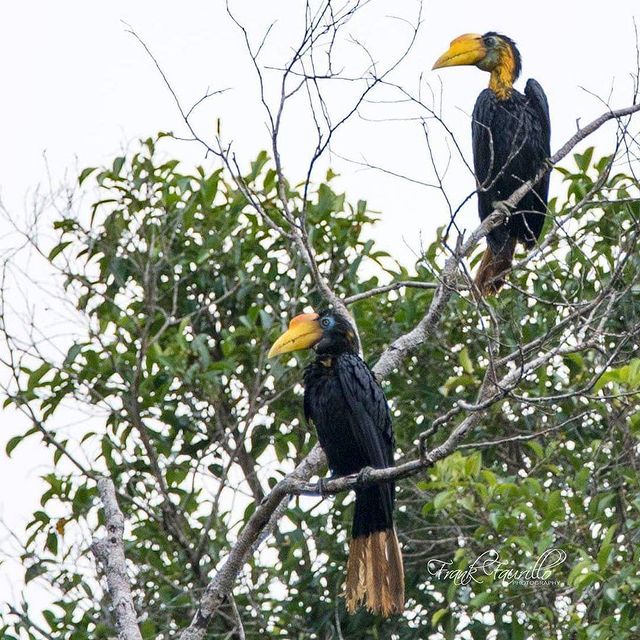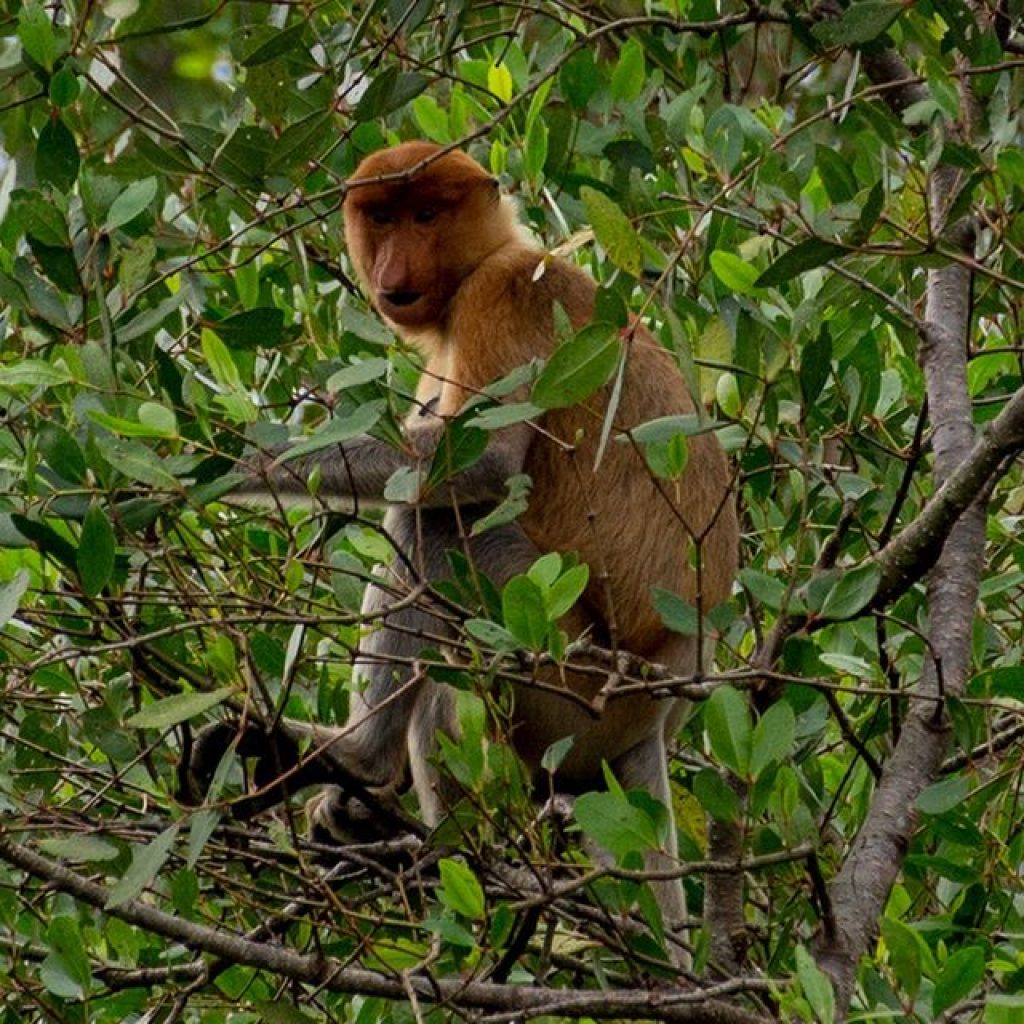
Many of us may love living in the city where all our needs are easily accessible. But every urban development comes with a cost, which is the habitat of the wildlife.
As much as we enjoy the vibes of the city, we must also remember to preserve the existing wildlife to ensure sustainability of our world. In Malaysia, there are a number of forest reserves, wildlife conservation area and rehabilitation centre which also serves as a travel destination for nature lovers. Here’s some that you might enjoy.
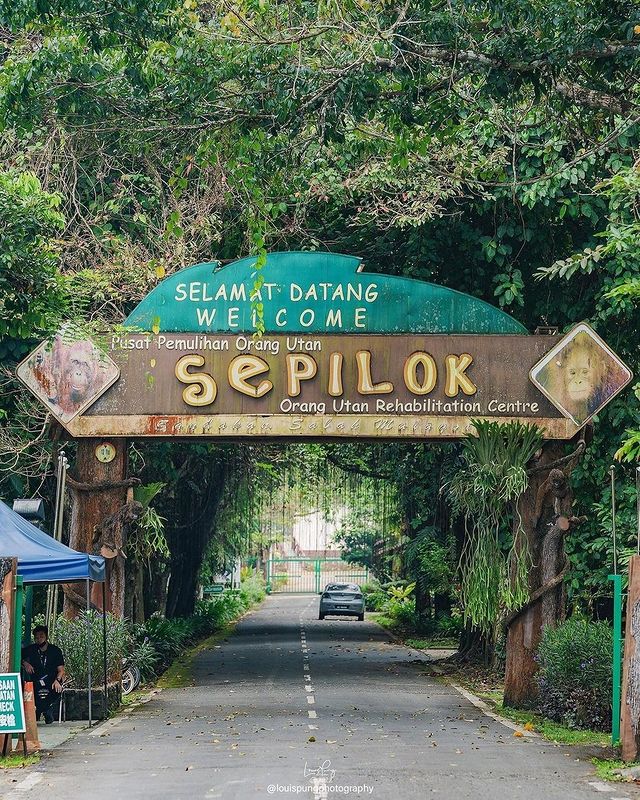
Sepilok Orangutan Rehabilitation Centre
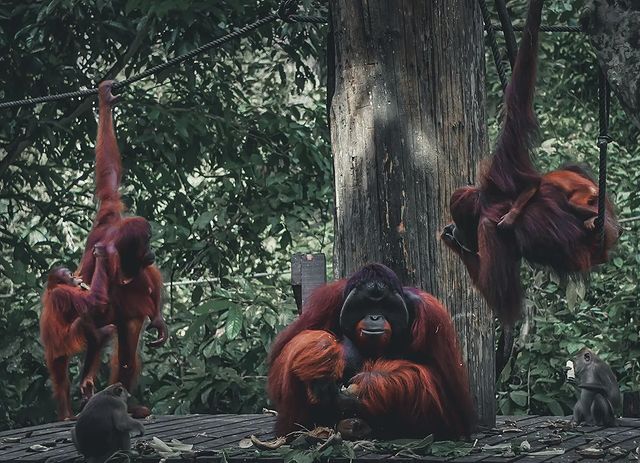
In operation since 1964, Sepilok Orangutan Rehabilitation Center was the first conservation center of its kind when it opened. Located 25km from Sandakan, it cares for orphaned, injured and displaced orangutans, with the aim of rehabilitating and eventually returning them to the wild.
Location: Sabah Wildlife Department, W.D.T. 200, Sandakan, Jalan Sepilok, Sepilok, 90000 Sandakan, Sabah.
Danum Valley Conservation Area
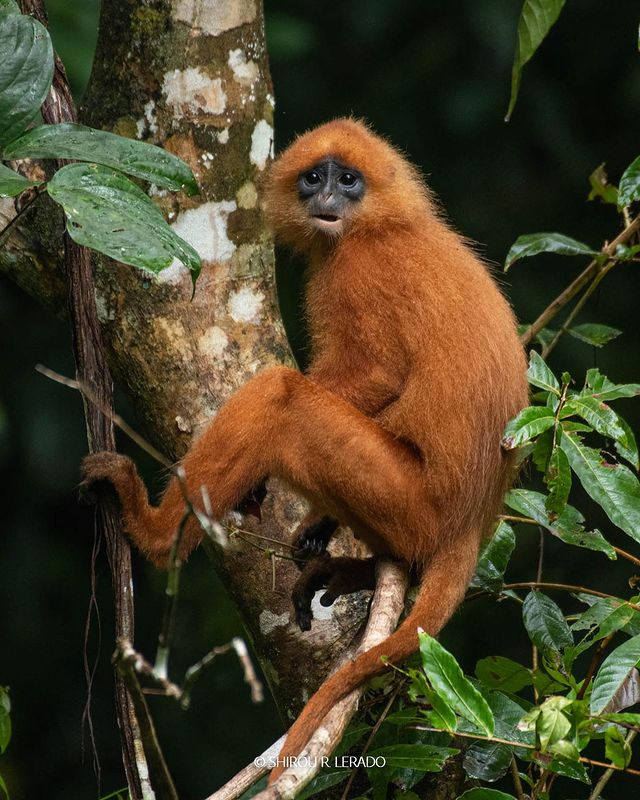
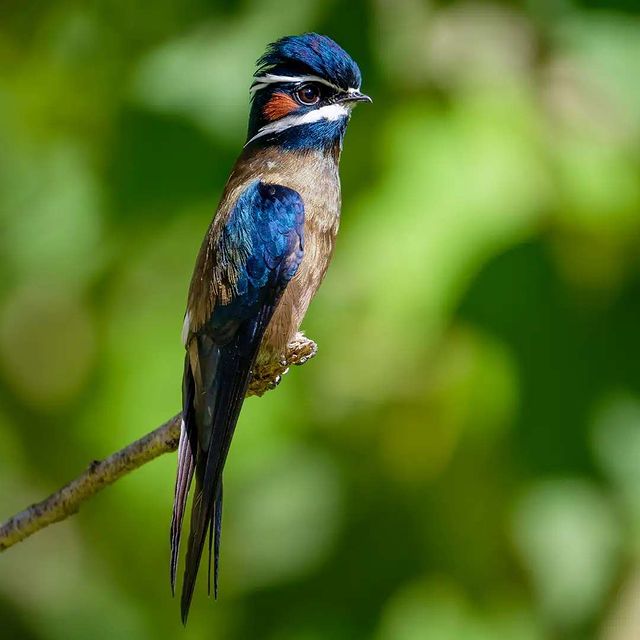
The Danum Valley area has never been permanently settled by humans and consequently supports an ecosystem with incredible variety of trees, plants, mammals, birds, reptiles and insects. The rainforest here is thought to be the oldest in the world with more than 130 million years old. Orangutan, gibbon and proboscis monkey, sunbear, deer, clouded leopard, 300 bird species and the exceptionally rare Bornean rhinoceros and Borneo pygmy elephant have been recorded.
Location: Lahad Datu, Sabah
Bornean Sun Bear Conservation Centre
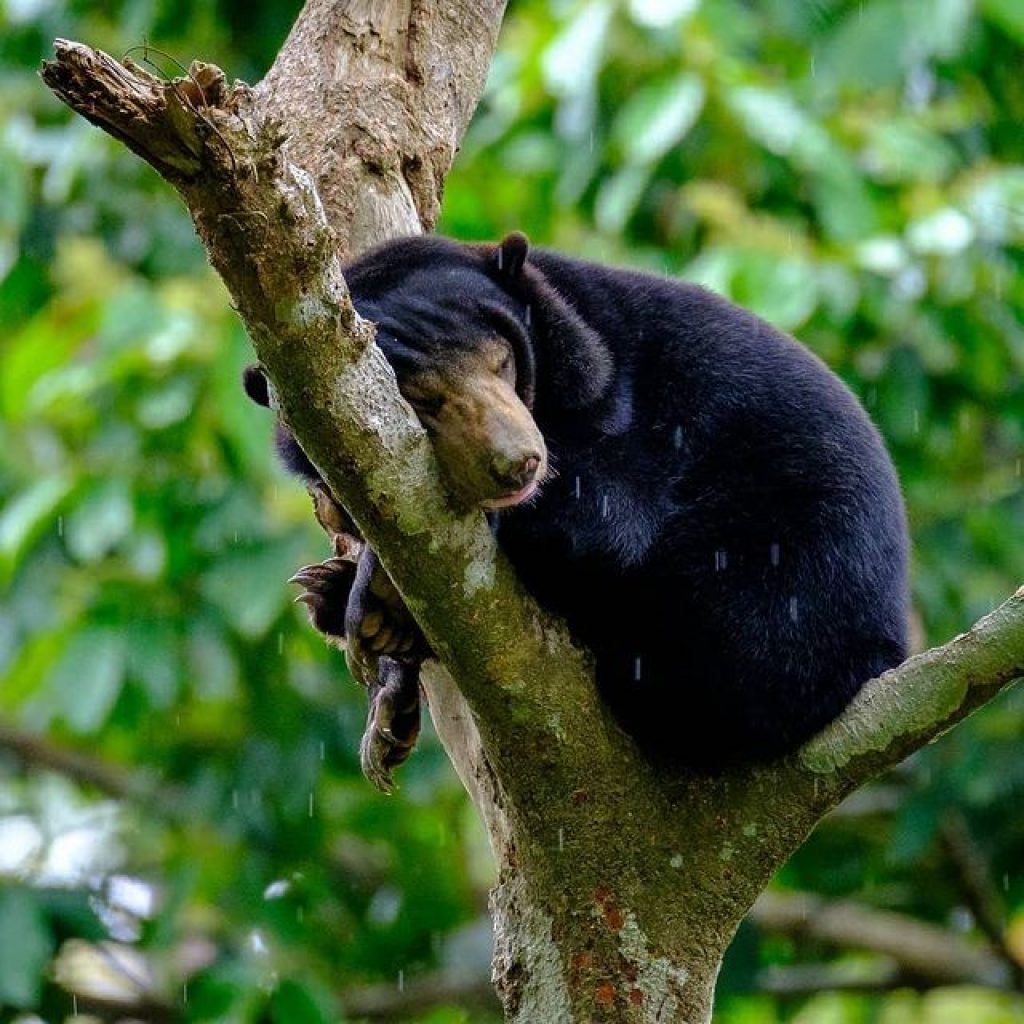
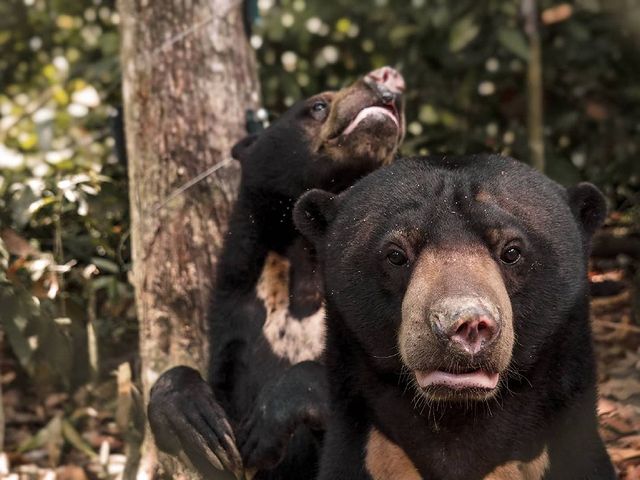
The Bornean Sun Bear Conservation Centre is a research centre for improving animal welfare and rehabilitation of the Malayan sun bear. It also aims to raise public awareness about the plight of the sun bears and to raise conservation awareness about this species. It was founded by a team led by Dr. Wong Siew Te.
Location: PPM 219, Elopura, 90000 Sandakan, Sabah.
Kuala Gandah Elephant Sanctuary
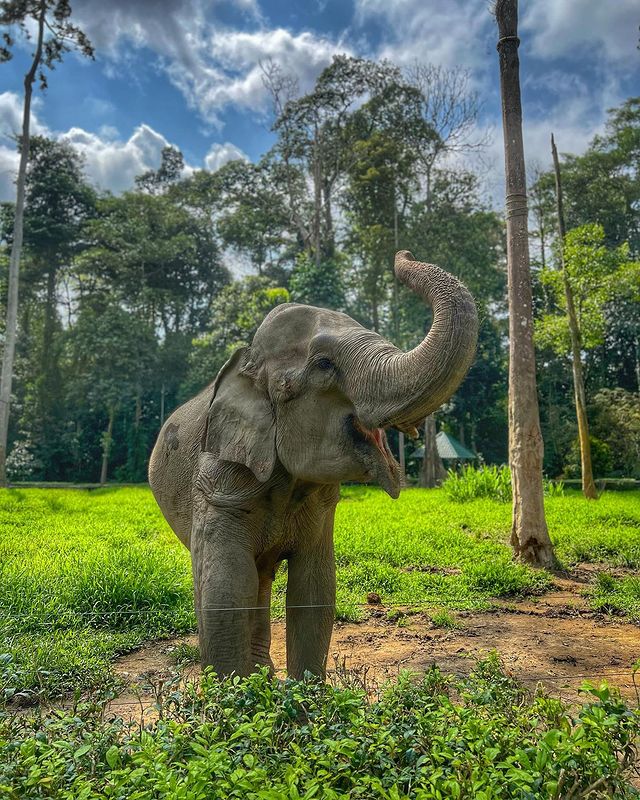
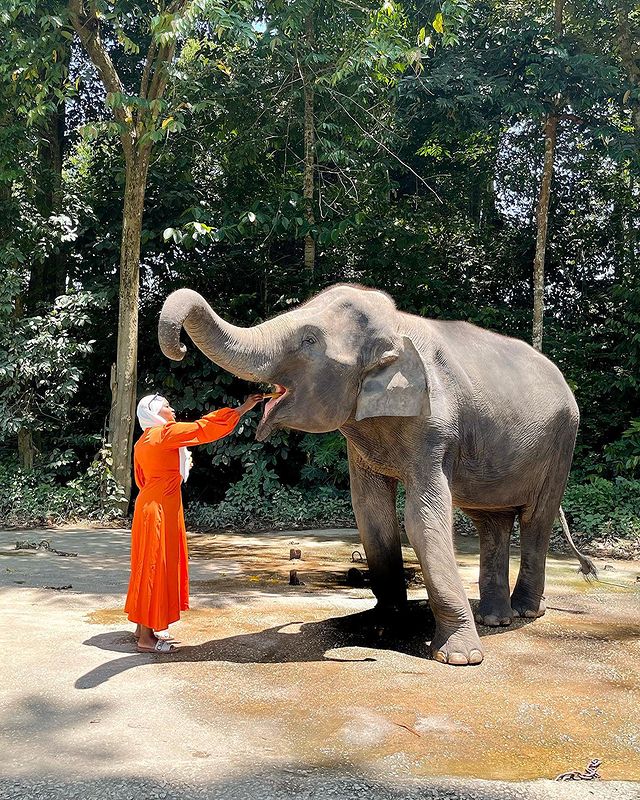
There is an estimated of only 1,200 wild Asian Elephants left in Malaysia and this sanctuary in Kuala Gandah is the main conservation centre for them. It was set up to relocate these rescued creatures from all over Peninsula Malaysia.
Besides functioning as a habitat and protection, there are a number of elephant activities, too, such as watching a mahaout (guide) give them a wash in the nearby river while the Sanctuary staff provides an explanation about the beautiful creatures.
Location: Kuala Gandah, 28500 Lanchang, Pahang.
Krau Wildlife Reserve
Krau Wildlife Reserve is the largest wildlife reserve covering 60,349 ha located in the Titiwangsa Mountains that was established during the British Colonial Administration. It is located nearby Benom Mountain in Temerloh District, Pahang and drained by Krau River, Lompat River and Teris River.
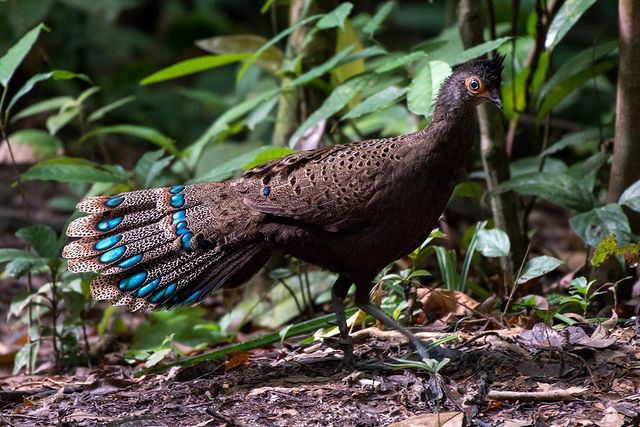
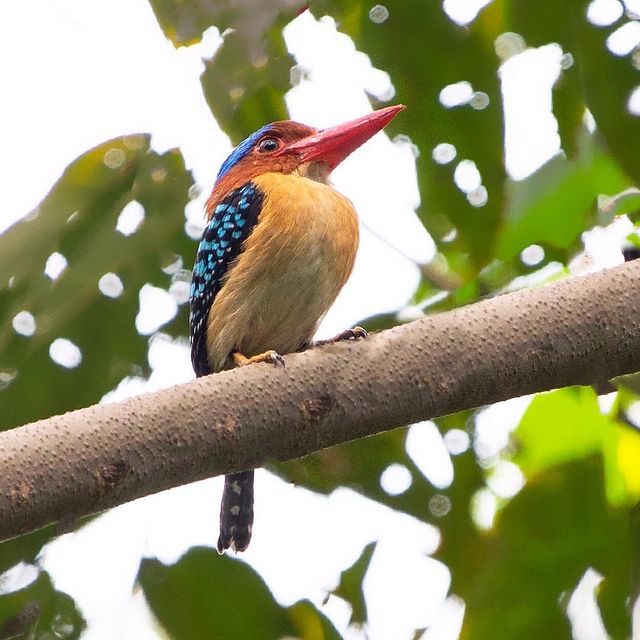
The lowland dipterocarp forest area contains very high diversity of birds and mammals especially primates and bats. Among the birdlife, the rare Malayan peacock-pheasant is still found in the reserve in some numbers.
Location: 324, C149, Kampung Sungai Klau, 27630 Raub, Pahang.
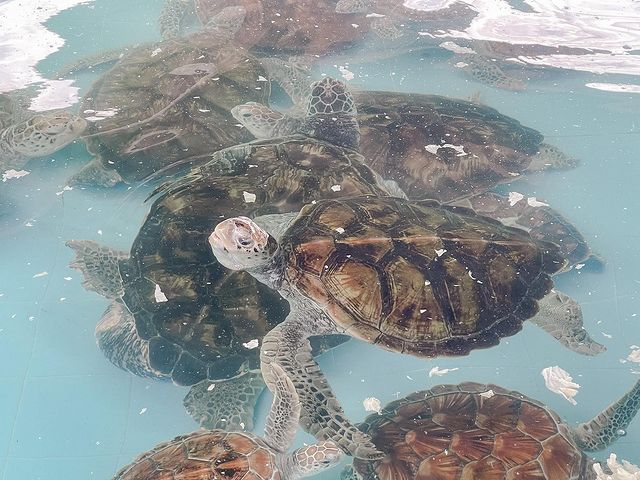
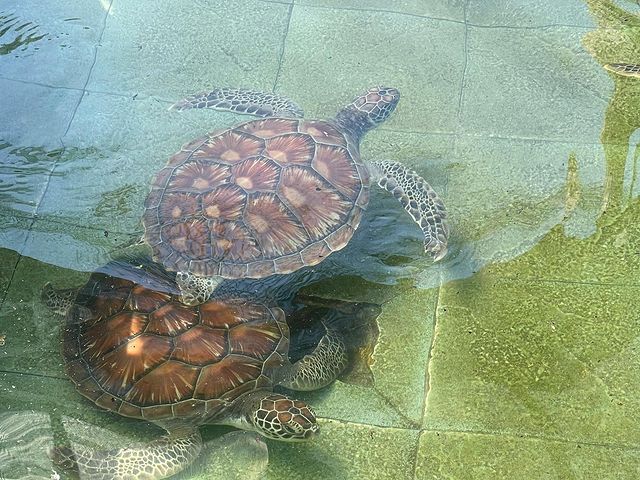
Segari Turtle Sanctuary
Segari Turtle Sanctuary is a turtle nursery and hatching centre, that also serves as a visitor information centre that educates the public on the conservation and protection of sea turtle. The Hatching Centre releases between 2,500 and 3,500 turtle hatchlings annually into the sea since 1990.
Location: 34900 Lumut, Perak.
Kinabatangan Wildlife Sanctuary
The 560-kilometre Kinabatangan River is Sabah’s longest river, beginning in the Crocker Range in Southwest Sabah and ending at the Sulu Sea southeast of Sandakan.
In 2005 the Sabah government gazetted the Kinabatangan Wildlife Sanctuary. This protected area essentially forms a narrow wildlife corridor that follows the river which gained a justified reputation as one of the top wildlife watching destinations in Southeast Asia.
Location: Sabah