Chinese New Year in Malaysia: Traditions, Customs & Celebrations
Chinese New Year, also known as the Spring Festival, is the most important celebration for Chinese communities around the world — including Malaysia.
With over 4,000 years of history, the festival marks the beginning of a new year on the Chinese lunar calendar. In Malaysia, where a significant Chinese population forms part of the country’s multicultural identity, Chinese New Year is celebrated on a grand scale — blending traditional customs with uniquely Malaysian influences.
Here’s a complete guide to understanding Chinese New Year in Malaysia, from preparations before the festival to the final day known as Chap Goh Meh.
What Is Chinese New Year?
Chinese New Year begins on the first new moon of the lunar calendar and ends 15 days later on the first full moon.
It is:
- A time for family reunions
- A celebration of renewal and fresh beginnings
- A season of gratitude and prosperity
- A major public holiday in Malaysia
Unlike the Gregorian New Year on 1 January, Chinese New Year falls on different dates each year — usually between late January and mid-February.
How Is Chinese New Year Celebrated in Malaysia?
Celebrations typically last for 15 days, starting from Chinese New Year’s Eve and ending with Chap Goh Meh.
Malaysia’s celebrations are vibrant, colourful and deeply rooted in tradition — yet uniquely localised.
Before Chinese New Year: Preparations & Traditions
Spring Cleaning the Home
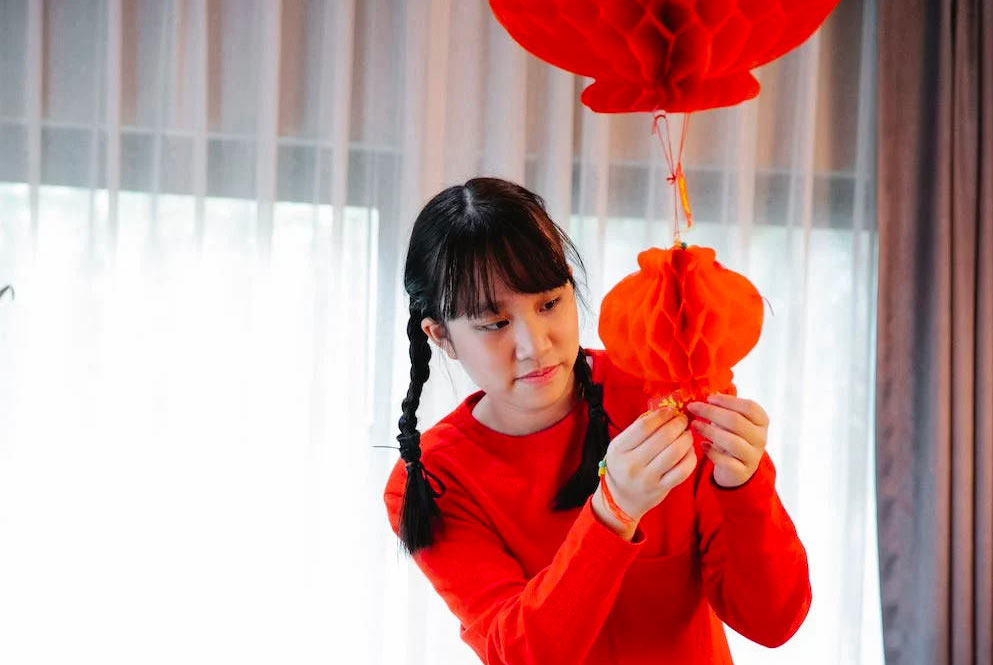
Before the new year arrives, families carry out a thorough “spring cleaning.”
This symbolises:
- Sweeping away bad luck
- Removing negative energy
- Preparing the home for new blessings
After cleaning, homes are decorated with:
- Red lanterns
- Spring couplets (Chinese calligraphy banners)
- Paper cuttings
- Auspicious phrases
- Fresh flowers (especially plum blossoms and pussy willows)
Red is the dominant colour because it symbolises luck, prosperity and protection.
Making Chinese New Year Cookies & Snacks
No Malaysian Chinese home is complete without festive snacks.
Traditional favourites include:
- Pineapple tarts
- Love letters (kuih kapit)
- Peanut cookies
- Almond biscuits
In the past, families made these at home. Today, many purchase them from bakeries or home-based businesses — especially in cities like Kuala Lumpur and Penang.
Chinese New Year’s Eve: Reunion Dinner
Chinese New Year’s Eve is the most important evening of the entire celebration.
Families gather for the Reunion Dinner, a symbolic meal representing unity and completeness.
Common dishes include:
- Steamboat (hotpot)
- Roast meats
- Fish (symbolising abundance)
- Dumplings
- Longevity noodles
Many Malaysian Chinese consider this dinner more important than the first day itself.
Chinese New Year Day 1: The First Morning
Making Offerings & Prayers
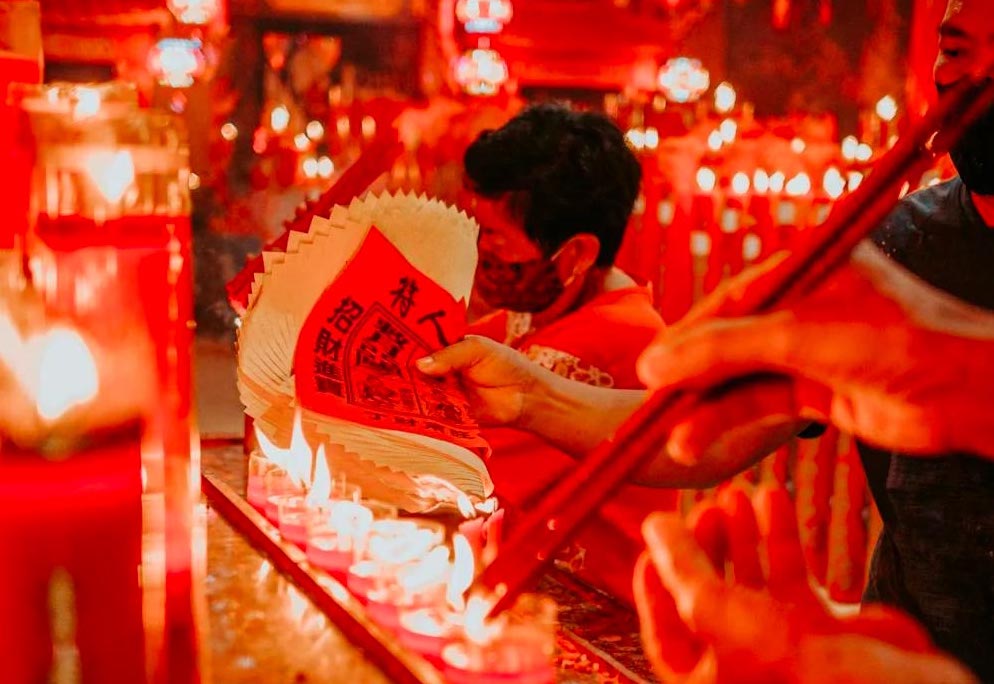
On the morning of the first day, families prepare offerings for:
- Deities
- Ancestors
- Household gods
Some families visit temples to pray for health, wealth and smooth success in the coming year.
Wearing New Clothes
Wearing new clothes symbolises a fresh start.
Bright colours — especially red — are encouraged.
Traditionally, black is avoided as it is associated with mourning.
Yee Sang – A Malaysian Chinese Tradition
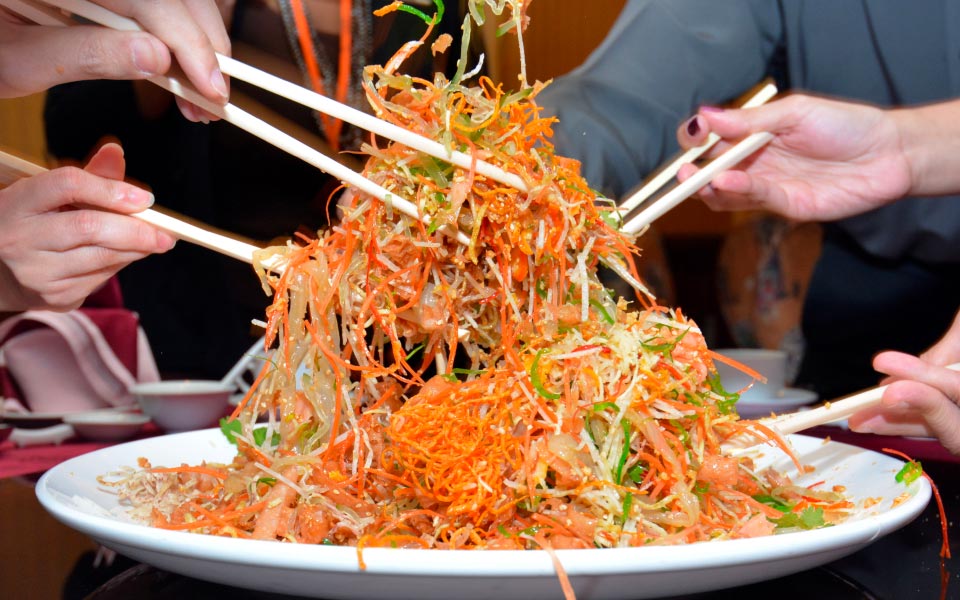
One uniquely Malaysian tradition is Yee Sang, also known as the Prosperity Toss (Lou Hei).
Yee Sang is believed to have originated in Seremban, Malaysia.
During gatherings:
- Family and friends gather around the dish
- They toss the shredded salad high into the air
- Everyone shouts auspicious phrases
The higher you toss, the more prosperity you are believed to receive.
This tradition is widely practised in Malaysia and Singapore.
You can read more about the origins of Yee Sang here.
Visiting Family & Open Houses
Throughout the 15 days, families visit relatives and friends.
Common greetings include:
- 恭喜发财 (Gong Xi Fa Cai)
- 新春快乐 (Xin Chun Kuai Le)
Avoid negative words during this period — as they are believed to bring bad luck.
In Malaysia, it is also common for political leaders and public figures to host “open houses,” welcoming people of all races and religions to celebrate together.
Giving Ang Pow (Red Packets)
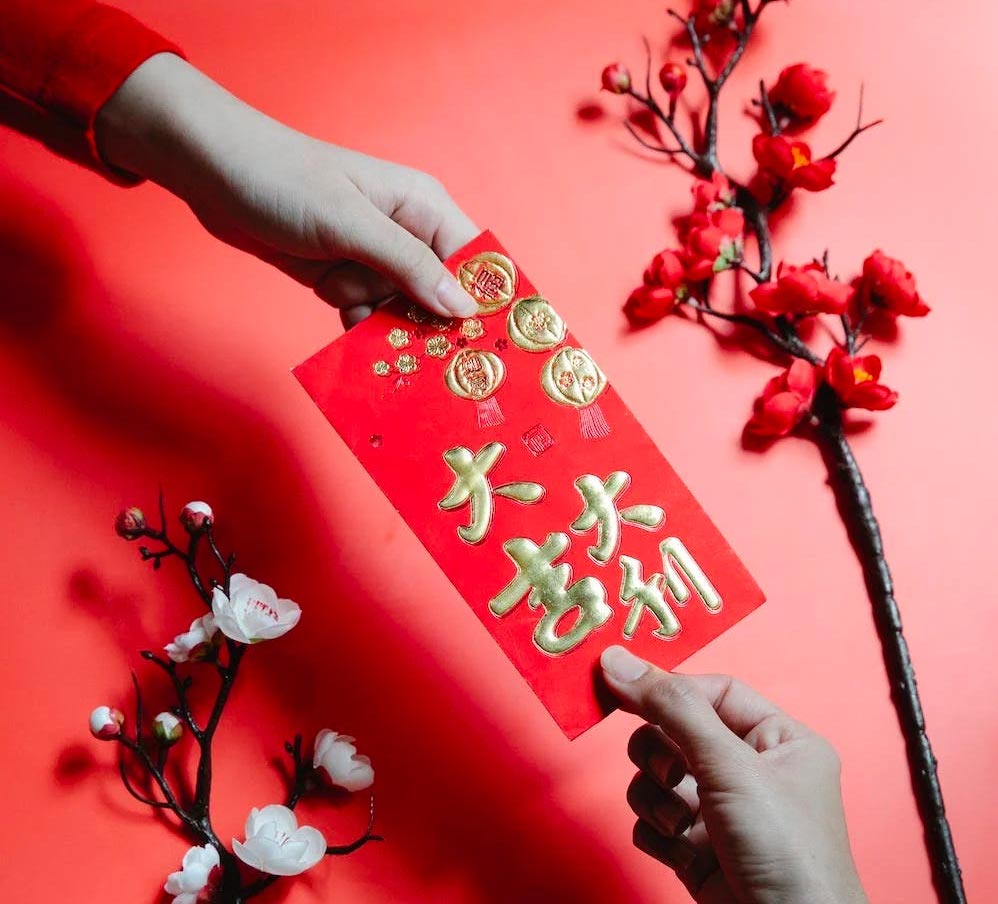
Married couples give out ang pow — red envelopes containing money — to:
- Children
- Unmarried relatives
- Sometimes elderly family members
The red packet symbolises blessings and good fortune.
The amount of money is less important than the intention of goodwill.
Fireworks & Firecrackers
Firecrackers and fireworks are used to:
- Drive away evil spirits
- Welcome the new year with loud celebration
- Symbolise joy and prosperity
In Malaysia, fireworks regulations apply, but festive displays are still common — especially during reunion night and the first few days.
Jade Emperor’s Birthday (Hokkien New Year)
The ninth day of Chinese New Year marks the birthday of the Jade Emperor, known in Hokkien as “Thni Kong.”
For the Hokkien community, this day is especially significant — sometimes even more important than Day 1.
In Penang, where many Hokkiens reside, celebrations are grand, particularly at:
- Chew Jetty
- Thni Kong Tnua
Families prepare elaborate offering tables with sugarcane, fruits and traditional pastries.
Chap Goh Meh – The 15th Night
Chap Goh Meh (literally “15th night” in Hokkien) marks the end of Chinese New Year celebrations.
In Penang, a unique tradition takes place:
Single women throw mandarin oranges into the sea, hoping to find a good partner.
In modern times, some even write their phone numbers on the oranges.
Chap Goh Meh is sometimes referred to as the “Chinese Valentine’s Day.”
Chinese New Year as a Public Holiday in Malaysia
Chinese New Year is a major national public holiday.
Many Malaysians:
- Return to their hometowns
- Take extended leave
- Travel domestically
Shopping malls are heavily decorated, and lion dance performances are common throughout Kuala Lumpur and other major cities.
Quick Facts About Chinese New Year
- Lasts 15 days
- Based on lunar calendar
- Red symbolises luck
- Reunion dinner is the most important meal
- Yee Sang is uniquely Malaysian
- Ends with Chap Goh Meh
Chinese New Year in Malaysia is more than just a festival — it is a powerful expression of family unity, cultural heritage and shared prosperity.
While rooted in centuries-old Chinese tradition, the Malaysian celebration has evolved into something uniquely local — blending religion, food, family and multicultural harmony.
Whether you are celebrating or simply experiencing it as a visitor in Kuala Lumpur, Chinese New Year is one of the most vibrant and meaningful times of the year in Malaysia.