The Chinese New Year is the biggest celebration for Chinese and during the 15 days, families and friends get together for good foods.
During the feast and celebrations, there are certain auspicious foods that is a must in the menu that have different meanings including prosperity, wealth, good luck, unity, success and many more.
Which are the foods that you’ve must have during the Chinese New Year? Find out and put it on your dining table.
Fish
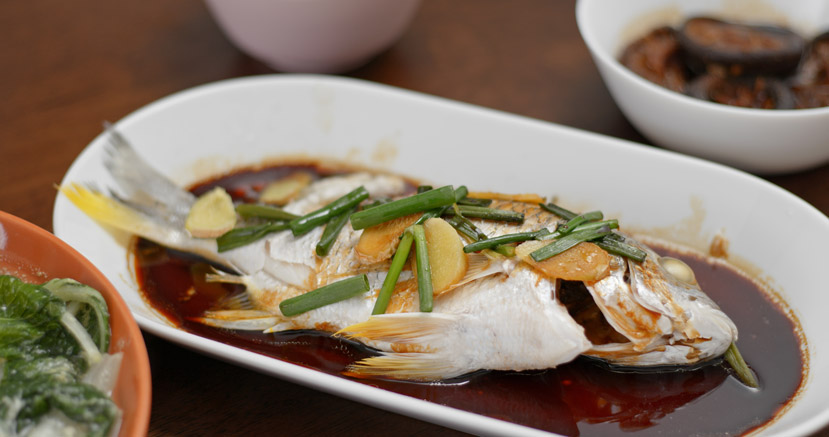
In Chinese, “fish” (鱼) is pronounced identically as 余 (yú) which means ‘surplus or abundance’. Fish is a traditional Chinese New Year dish on the Chinese New Year dinner menu. Chinese people always like to have a surplus at the end of the year, because they think if they have managed to save something at the end of the year, then they can make more in the next year.
Steamed fish is one of the most famous Chinese New Year recipes. To a certain extent, what fish should be chosen for the New Year dinner is based on auspicious homophonics. It is also common for Chinese to wish each other 年年有余 (Niánnián yǒu yú), which means “May you always have more than you need!”
Whole Chicken
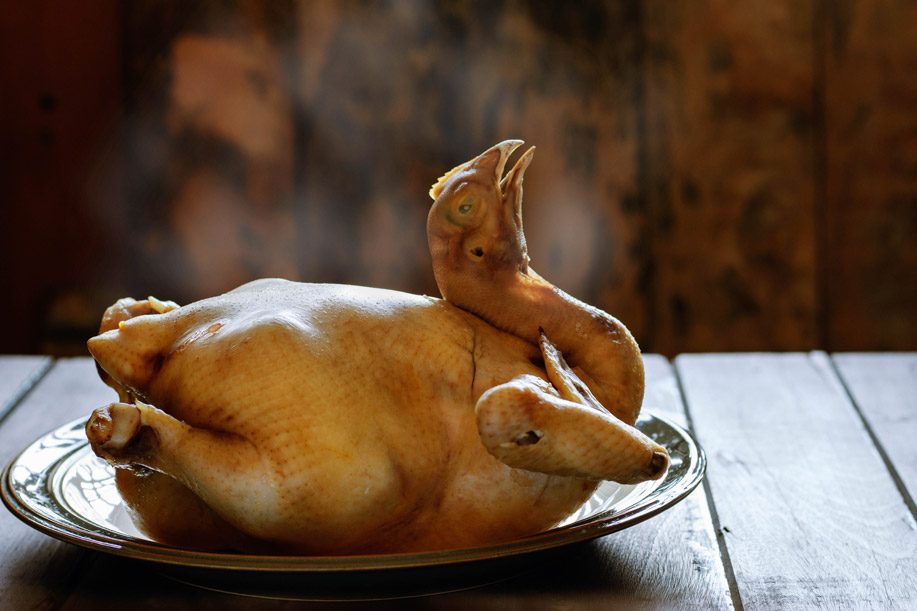
Chicken is a homophone for ji (吉), which sounds similar to the words meaning ‘good luck’ and ‘prosperity’. That is one thing that makes it such a welcome dish at reunion dinners. Chicken is usually served whole with the head and feet included to symbolize ‘unity’ and ‘togetherness’, while also signifying ‘a good beginning and end’ to the year.
Traditionally, a whole chicken is first offered to one’s ancestors and gods for blessings and protection.
In some family, the chicken feet are usually eaten by the breadwinner in the family, as they might help them ‘grab’ onto wealth (the word ‘grab’ is a homophone of chicken’s ‘talons’).
Dumplings
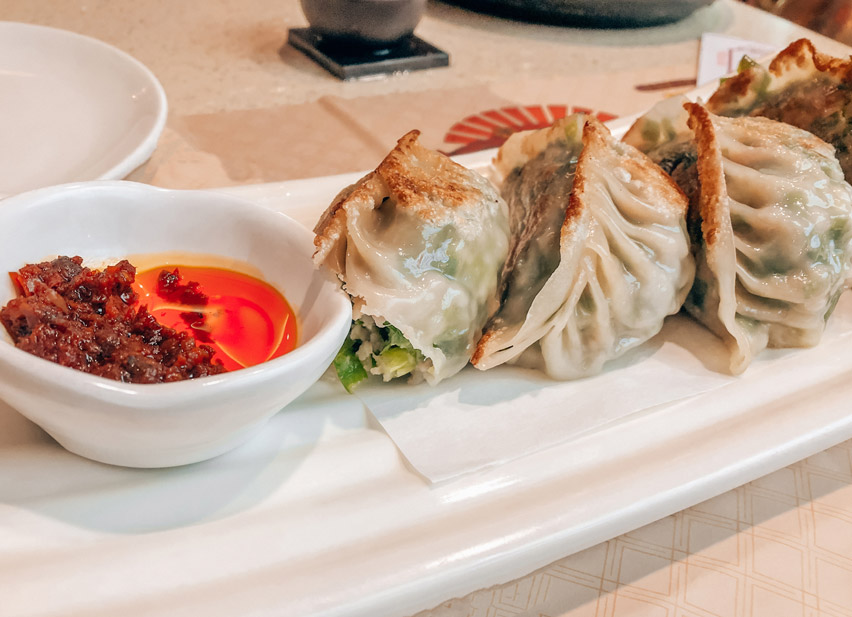
With a history of more than 1,800 years, dumpling (饺子) is a classic lucky food for Lunar New Year, and a traditional dish eaten on Chinese New Year’s Eve, widely popular in China and also in many Chinese communities from other countries.
Chinese dumplings can be made to look like Chinese silver ingots. There is this traditional belief that the more dumplings you eat during the New Year celebrations, the more money you can make in the coming year.
Spring Rolls
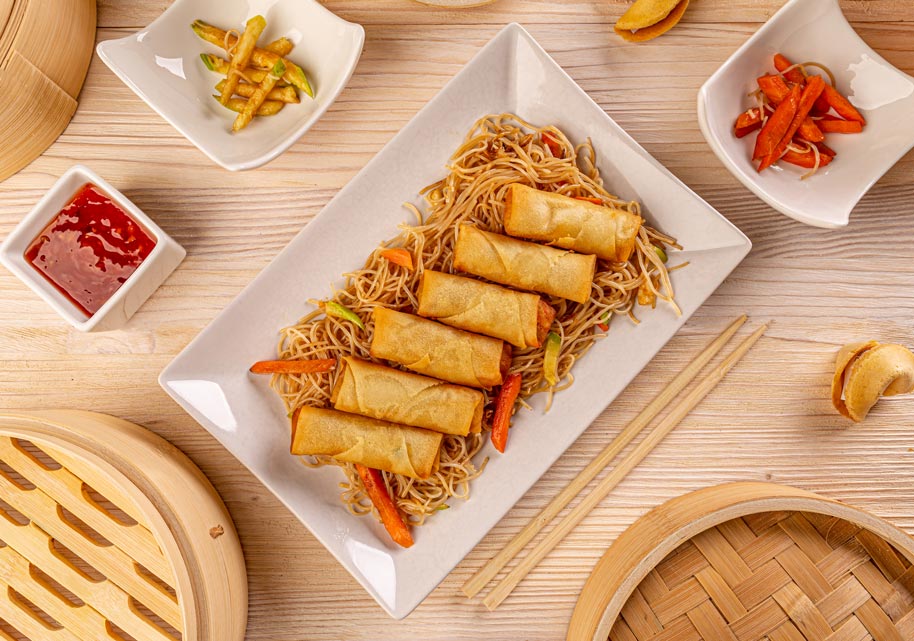
Spring rolls (春卷 Chūn juǎn) get their name because they are traditionally eaten during the Spring Festival. They are popular year-round but are especially significant during Chinese New Year. They are typically deep fried and stuffed with shredded vegetables, minced prawns or minced pork.
Mandarin Oranges
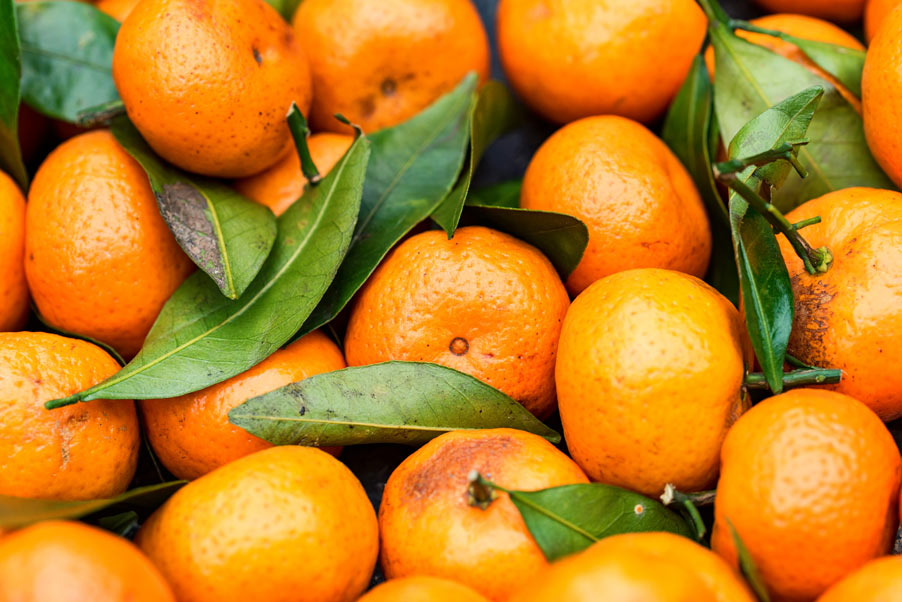
Eating and displaying tangerines and oranges is believed to bring good luck and fortune due to their pronunciation, and even writing. In Chinese, orange is 橙 (chéng), which sounds the same as the Chinese for ‘success’ (成).
Glutinous Rice Cake
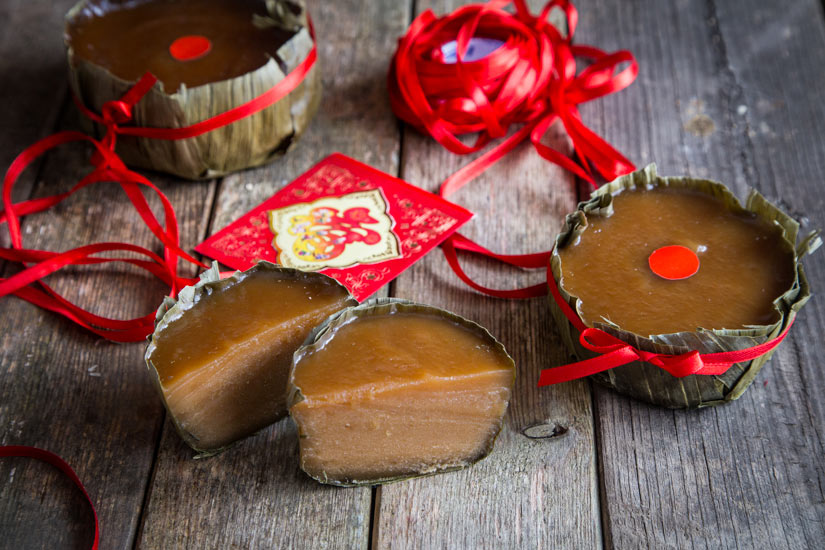
In Chinese, glutinous rice cake (年糕 Nián gāo) sounds like it means “getting higher year-on- by year”. In Chinese people’s minds, this means the higher you are the more prosperous your business is a general improvement in life.
In Malaysia, nian gao is typically prepared by slicing and steaming before being coated in desiccated coconut, or slicing and deep frying with a batter.
Poon Choi
Loosely translated, poon choi means “a treasure pot”, “big bowl feast”, or even “basin cuisine”. A traditional Cantonese dish, poon choi has made its way across geographical borders to become a significant dish in many Malaysian-Chinese festive banquets.
Layered with auspicious ingredients such as abalones, sea cucumbers, shiitake mushrooms, fish maw, prawns, and waxed meats, poon choi is the culmination of all the quintessential Chinese New Year flavours in a single dish.
Longevity Noodles
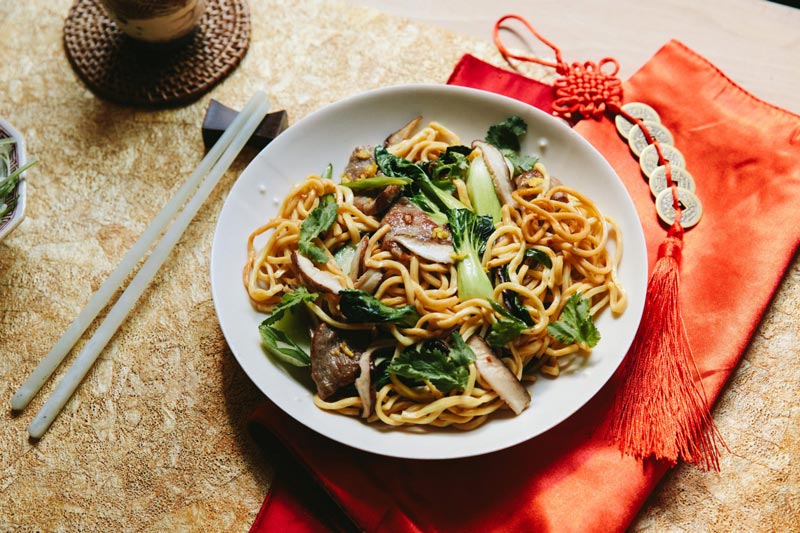
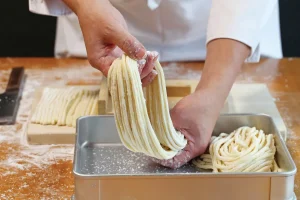
Longevity noodles (长寿面 Cháng shòu Miàn) unsurprisingly symbolize a wish for longevity. Their length and unsevered preparation are also symbolic of the eater’s life.
They are longer than normal noodles and uncut, either fried and served on a plate, or boiled and served in a bowl with their broth.
Yee Sang
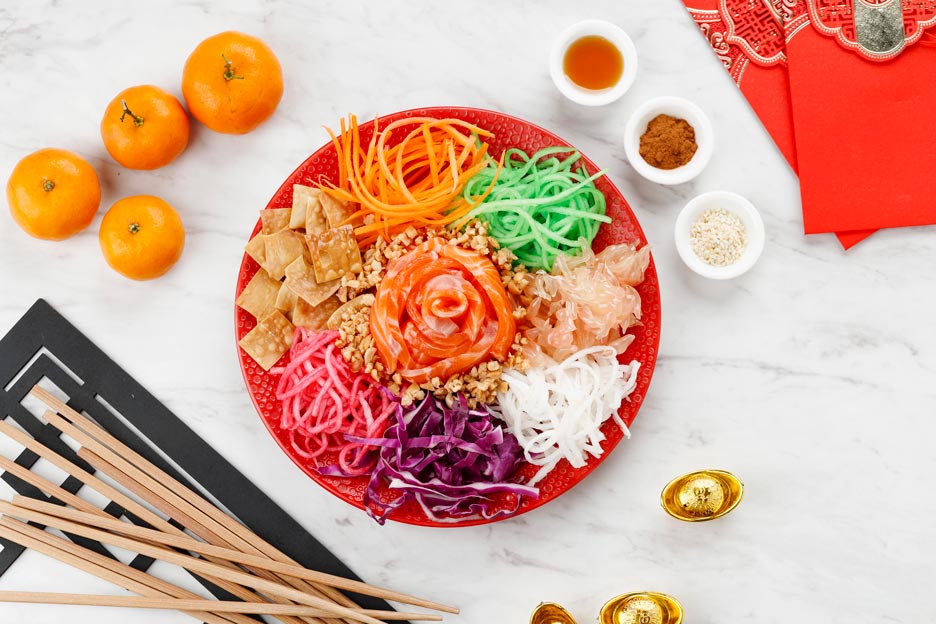
Yee Sang is particularly popular in Malaysia where almost every family and business has a ‘lo hei’ or tossing session at least once during the festivities.
The Yee Sang tossing ceremony, also called ‘Lo Hei’ is an event in itself and it is said that whoever tosses the highest will have the best fortune for the year.
If you didn’t know yet, yee sang is actually originated from Seremban.