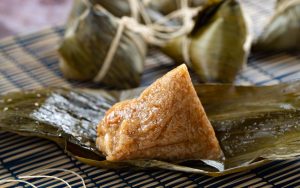
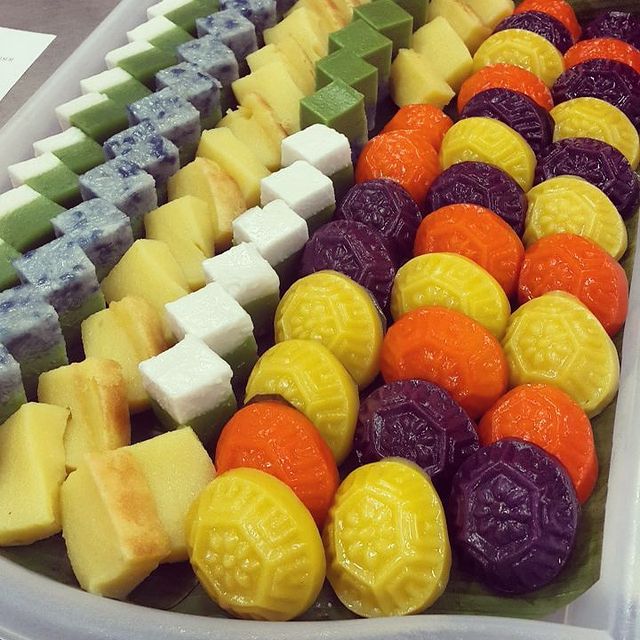
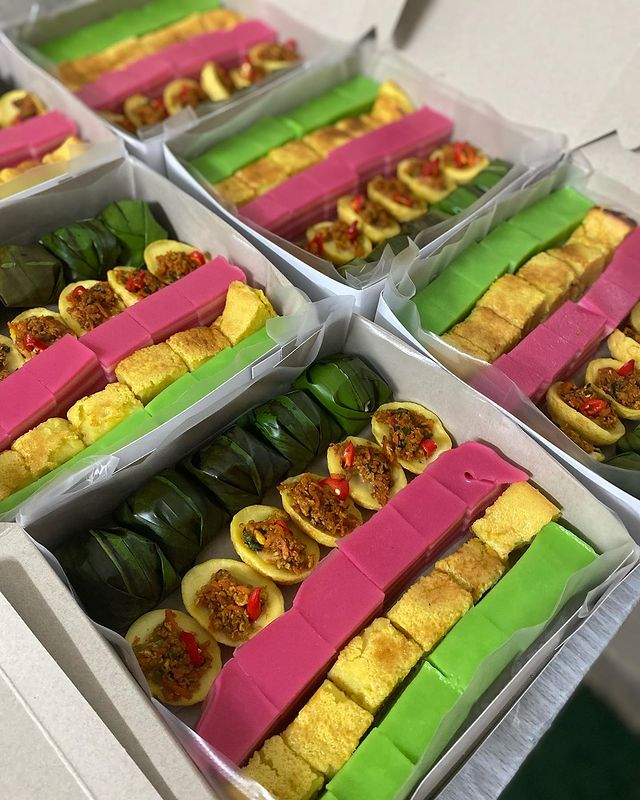
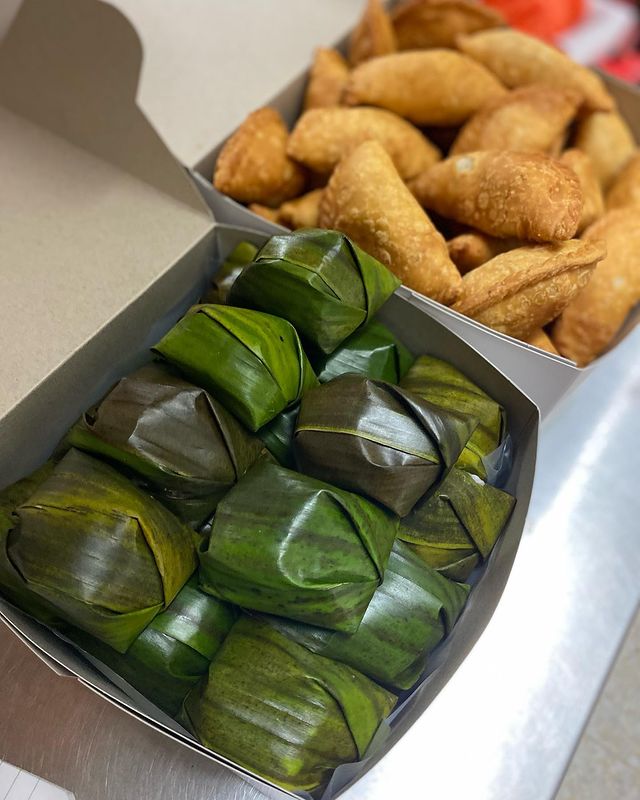
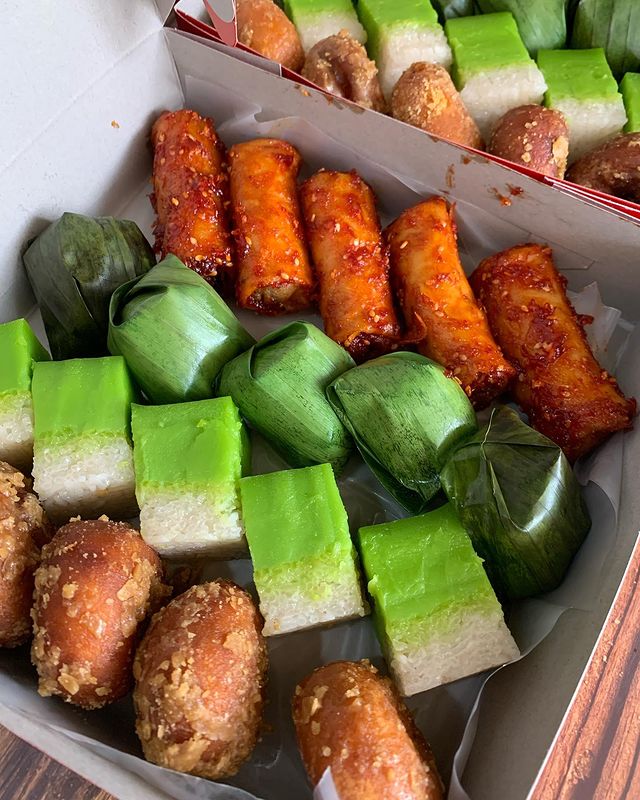
Kuih muih is one of the most colourful and diverse parts of Malaysian food culture. These traditional bite-sized snacks and desserts can be found at morning markets, neighbourhood stalls, Ramadan bazaars, cafés, and specialty kuih shops throughout Kuala Lumpur and the Klang Valley.
Made using ingredients such as coconut milk, glutinous rice, pandan, palm sugar, tapioca, and rice flour, kuih reflects Malaysia’s rich Malay, Chinese, Peranakan, and regional culinary heritage.
Whether you’re craving kuih lapis, onde-onde, kuih seri muka, kuih talam, or pulut inti, here are some of the best places to enjoy traditional kuih muih in Kuala Lumpur.
What Is Kuih Muih?
Kuih muih refers to a broad category of traditional Malaysian snacks, desserts, and sweet treats.
Unlike cakes and pastries commonly found in Western bakeries, traditional kuih often features:
- Coconut milk
- Pandan leaves
- Palm sugar (gula melaka)
- Glutinous rice
- Tapioca flour
- Rice flour
Many kuih recipes have been passed down through generations and remain an important part of Malaysian food culture.
Why Kuih Muih Remains Popular
Despite the rise of modern cafés and desserts, kuih continues to be loved because it offers:
- Nostalgic flavours
- Affordable pricing
- Rich cultural heritage
- Wide variety of textures
- Unique local ingredients
Many Malaysians grew up enjoying kuih during breakfast, tea time, family gatherings, and festive celebrations.
If you’re exploring local desserts, don’t miss our guides to best ais kacang in Kuala Lumpur, best cendol in Kuala Lumpur, and best tau fu fah in Kuala Lumpur.
Best Places to Buy Kuih Muih in Kuala Lumpur
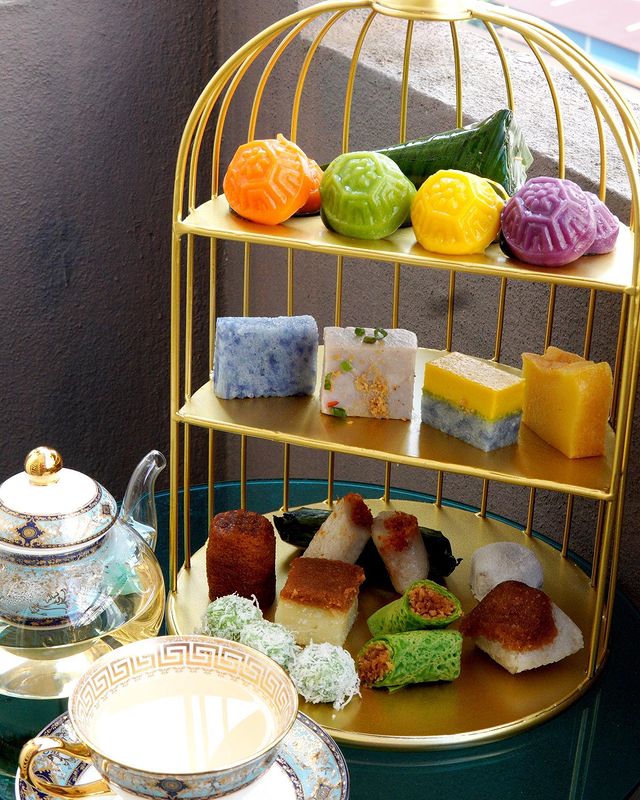
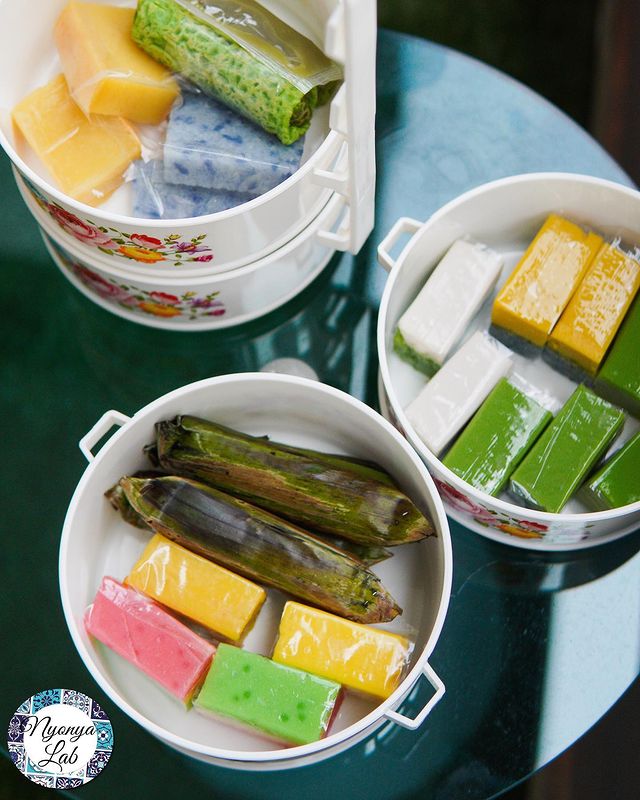
Nyonya Lab
Website | Instagram | Facebook
Baba Beng
Secawan Tepung
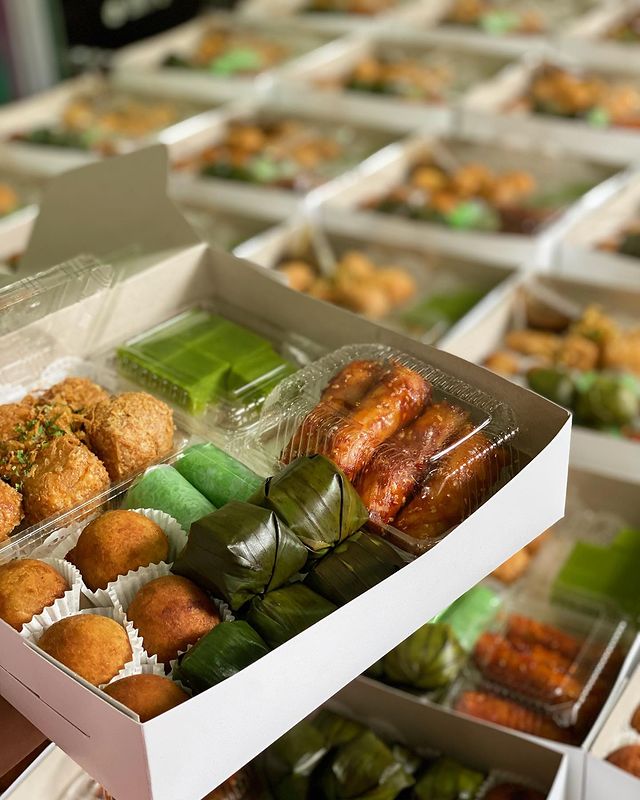
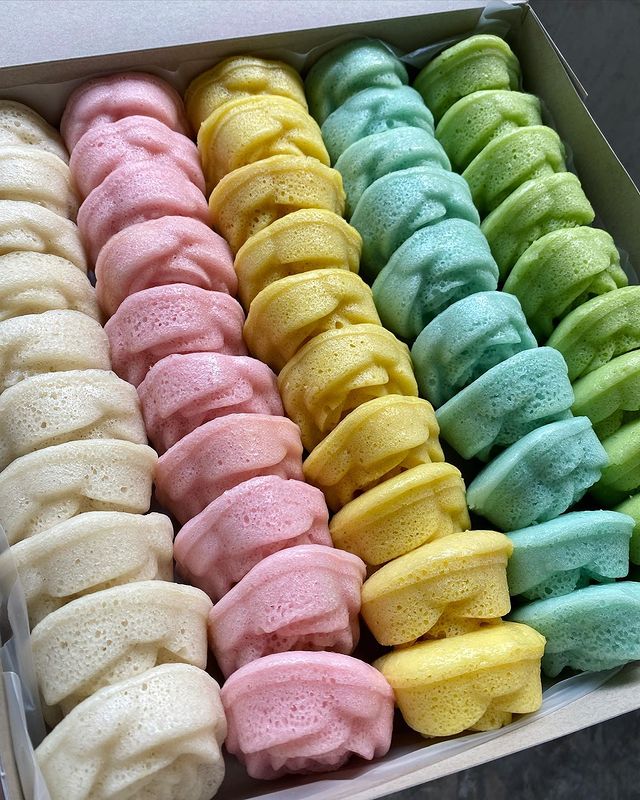
Blue Dahlia
601, Jalan 17/12, Seksyen 17, 46400 Petaling Jaya, Selangor.
Madam Yong Delight
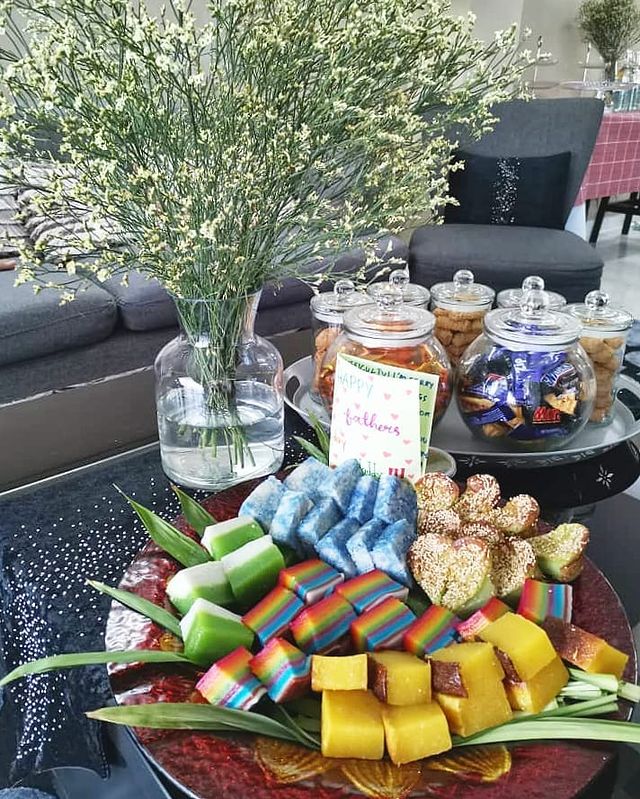
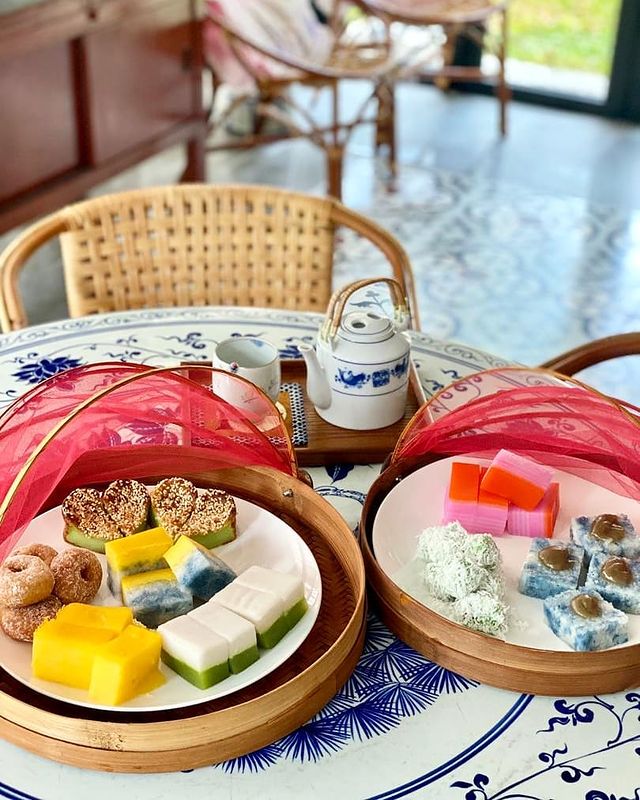
Website | Instagram | Facebook
Aroma Nyonya
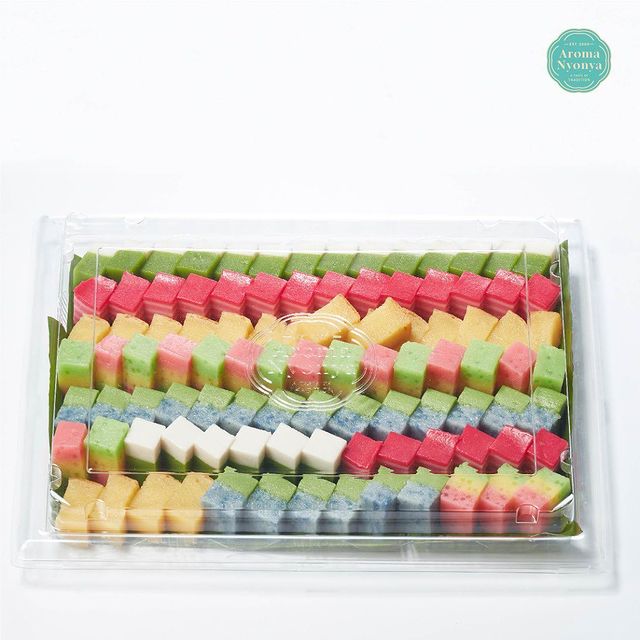
Website | Instagram | Facebook
A’Han Nyonya Kuih
16, Jalan 21/22, Sea Park, 46300 Petaling Jaya, Selangor.
Nina Kitchen
Kuih Malaya
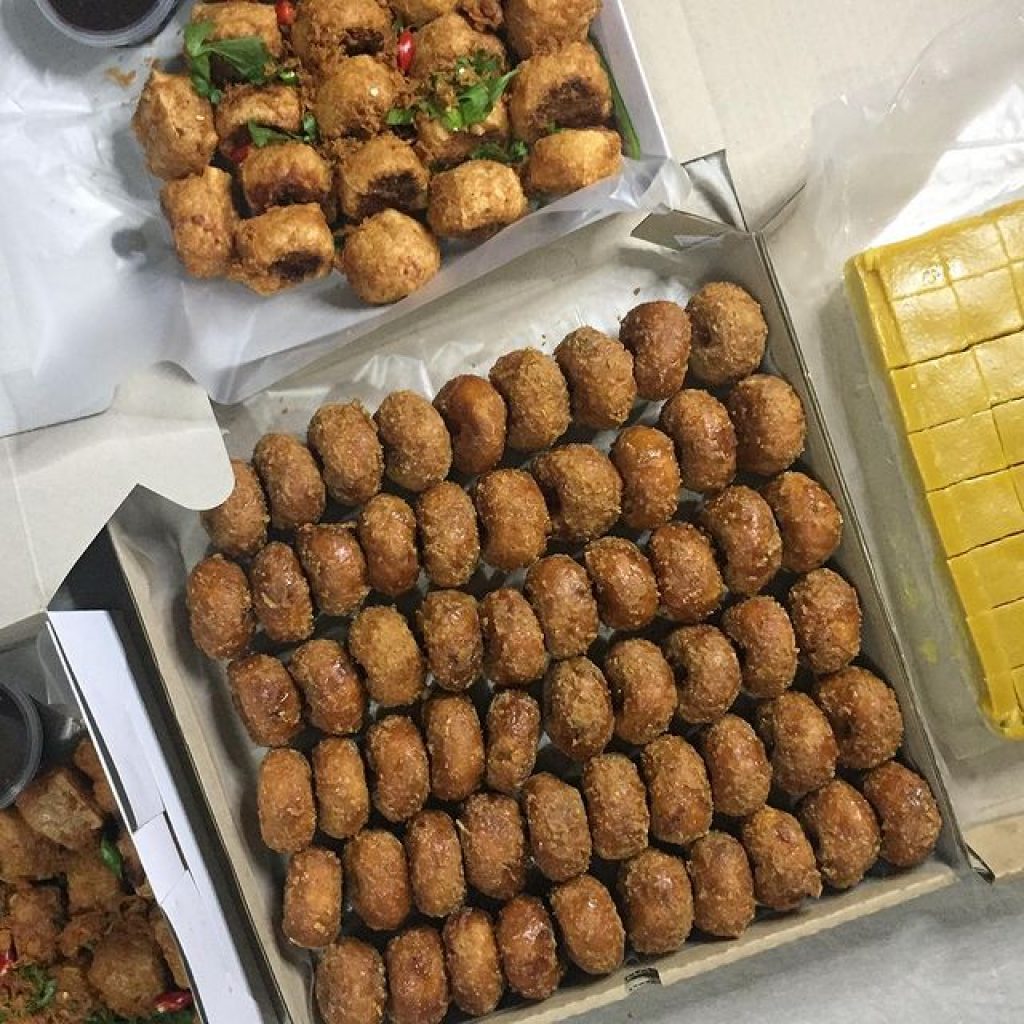
Modern Baba Nyonya
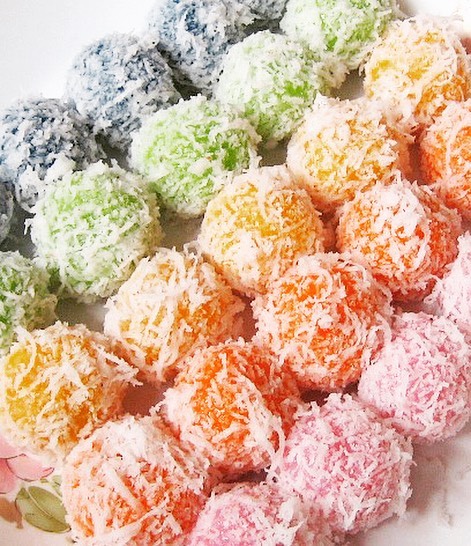
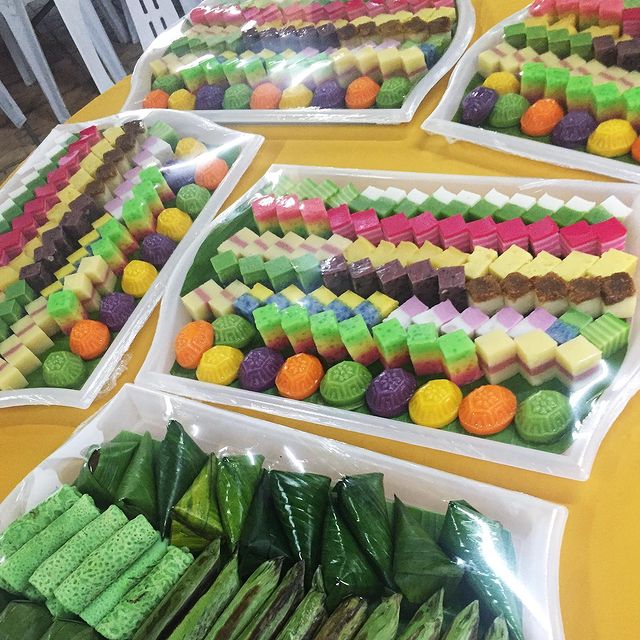
Kueh Cafe
No 6 Jalan Renang 13/26 Seksyen 13, Tadisma Business Park, 40100 Shah Alam, Selangor.
48, Jalan Setia Perdana BE U13/BE, Setia Alam, 40170 Shah Alam, Selangor.
11G, Jalan SS 18/1b, Ss18, 47500 Subang Jaya, Selangor.
No 15 (GF), Lorong Universiti C, Seksyen 16, 46200 Petaling Jaya, Selangor.
Neighbourhood Morning Markets
Some of the best kuih can still be found at local morning markets throughout Kuala Lumpur and Petaling Jaya.
You’ll often discover:
- Family-run stalls
- Handmade kuih
- Seasonal specialties
- Long-established recipes
What Makes Great Kuih Muih?
While kuih may appear simple, the best versions require skill, precision, and quality ingredients.
Fresh Ingredients
Fresh coconut milk, pandan leaves, palm sugar, and glutinous rice contribute significantly to flavour and texture.
Balanced Sweetness
Traditional kuih should be naturally sweet without becoming overwhelming. The best recipes allow the flavours of coconut, pandan, and gula melaka to shine.
Proper Texture
Different kuih have distinct textures, from the chewy bite of onde-onde to the creamy smoothness of kuih talam. Texture is often what separates exceptional kuih from average versions.
Traditional Preparation
Many of the finest kuih makers continue to use traditional techniques that have been passed down through generations.
Fresh Daily Production
Most traditional kuih is best enjoyed on the day it is made. Freshness plays a major role in both flavour and texture.
Best Areas for Kuih Hunting in Kuala Lumpur
Kampung Baru
One of the best places in Kuala Lumpur to experience traditional Malay food culture, Kampung Baru is home to numerous stalls, markets, and family-run businesses selling freshly made kuih. Visitors can often find classics such as kuih seri muka, pulut inti, onde-onde, and kuih talam, particularly during breakfast hours and the Ramadan season. While exploring the neighbourhood, you can also enjoy local favourites such as nasi lemak, satay, and roti canai.
To know more, check out our guide to Kampung Baru.
Chow Kit
Chow Kit remains one of Kuala Lumpur’s most authentic market districts and a fantastic destination for traditional kuih hunting. The bustling market area features numerous vendors offering a wide variety of Malay snacks and desserts, many of which are prepared using recipes passed down through generations. Early mornings are particularly rewarding, as the freshest selections are often available shortly after the market opens.
TTDI Market
The TTDI Morning Market is a favourite among locals looking for fresh produce, breakfast dishes, and traditional snacks. Several vendors specialise in homemade kuih, offering everything from colourful kuih lapis to soft kuih ketayap and glutinous rice treats. The market’s clean and organised environment also makes it an approachable option for first-time visitors exploring local food culture.
Petaling Street and Chinatown
Although Chinatown is often associated with Chinese food and heritage cafés, the surrounding area also offers traditional desserts and snacks, including various forms of kuih. Visitors exploring the historic district can discover old bakeries, coffee shops, and food stalls selling both Chinese and Peranakan-inspired kuih alongside other traditional Malaysian treats.
Explore more in our guide to Petaling Street.
Petaling Jaya
Petaling Jaya offers a mix of traditional neighbourhood markets, modern cafés, and specialty bakeries that celebrate Malaysian desserts. Areas such as SS2, Taman Paramount, and Section 14 are particularly popular among food hunters looking for homemade kuih and nostalgic local flavours. The city is also home to several modern establishments that present traditional kuih in more contemporary settings.
Discover more in our guide to Petaling Jaya.
Ramadan Bazaars Across Kuala Lumpur
During the fasting month, Kuala Lumpur’s Ramadan bazaars become some of the best places to explore traditional kuih. Vendors often offer dozens of varieties in a single location, including seasonal and hard-to-find specialties. Popular bazaars such as those in Kampung Baru, TTDI, and Wangsa Maju provide excellent opportunities to sample a wide range of kuih while experiencing one of Malaysia’s most vibrant food traditions.
Kuih Muih and Malaysian Food Culture
Kuih is much more than a dessert. It represents generations of culinary traditions and remains an important part of Malaysian daily life.
Kuih is commonly enjoyed:
- During breakfast
- At tea time
- During festive celebrations
- At Ramadan bazaars
- During family gatherings
Like roti canai, satay, ais kacang, and cendol, kuih muih reflects the diversity and richness of Malaysia’s food heritage.
To know more, check out our Ultimate Guide to Malaysian Kuih-muih.
Tips for Buying Kuih Muih
- Visit markets early for the freshest selection
- Try different varieties rather than buying only familiar favourites
- Ask vendors about seasonal specialties
- Buy small quantities of several types for a better experience
- Consume fresh for the best texture and flavour
From bustling markets and roadside vendors to modern cafés celebrating traditional flavours, Kuala Lumpur offers countless opportunities to explore the wonderful world of kuih muih.
Whether you’re rediscovering childhood favourites or trying Malaysian kuih for the first time, these traditional treats offer a delicious glimpse into the country’s rich culinary heritage.
For anyone interested in local food culture, kuih hunting is one of the most rewarding food experiences in Kuala Lumpur.
FAQs About Kuih Muih in Kuala Lumpur
What is kuih muih?
Kuih muih refers to a wide variety of traditional Malaysian snacks, desserts, and sweet treats. They are commonly made using ingredients such as coconut milk, pandan, glutinous rice, palm sugar, tapioca, and rice flour. The term encompasses hundreds of different varieties enjoyed across Malaysia’s diverse communities.
Where can I find traditional kuih in Kuala Lumpur?
Some of the best places to find traditional kuih include Chow Kit Market, Kampung Baru, TTDI Market, Pasar Keramat, and various neighbourhood morning markets throughout Kuala Lumpur and Petaling Jaya. Many cafés and specialty dessert shops also offer modern presentations of classic kuih.
Is kuih sweet or savoury?
Most kuih are sweet, but there are also savoury varieties. Sweet examples include onde-onde, kuih lapis, and kuih seri muka, while savoury kuih may contain ingredients such as glutinous rice, coconut, anchovies, or spiced fillings. This variety is one of the reasons kuih remains popular across different age groups and communities.
What is the most popular Malaysian kuih?
Some of the most popular and widely recognised kuih include:
- Onde-onde
- Kuih Seri Muka
- Kuih Lapis
- Kuih Talam
- Pulut Inti
- Kuih Ketayap
These classics can be found throughout Kuala Lumpur and are often recommended for first-time visitors looking to experience traditional Malaysian desserts.
When is the best time to buy kuih?
The best time to buy kuih is usually in the morning, as many vendors prepare their products fresh daily and sell them at markets or roadside stalls. Arriving early often gives you the widest selection and the freshest batches. During Ramadan, many varieties are also available in the late afternoon at bazaars.
Are kuih suitable for vegetarians?
Many traditional kuih are vegetarian-friendly as they are made primarily from coconut milk, rice flour, glutinous rice, pandan, and palm sugar. However, some savoury varieties may contain meat, seafood, or animal-based ingredients, so it’s always a good idea to check with the vendor if you have dietary requirements.
How long do kuih stay fresh?
Most traditional kuih are best enjoyed on the day they are made. Because they often contain fresh coconut milk and natural ingredients without preservatives, their texture and flavour are at their best within a day of purchase. Some varieties can be refrigerated, but freshness may vary depending on the type of kuih.
What is the difference between kuih and Western cakes?
Unlike Western cakes, which often rely on butter, cream, and wheat flour, traditional kuih typically use ingredients such as coconut milk, pandan, palm sugar, glutinous rice, and tapioca flour. This gives kuih its distinctive textures, colours, and flavours that are unique to Malaysia and Southeast Asia.
Can tourists easily try kuih in Kuala Lumpur?
Absolutely. Kuih is widely available throughout Kuala Lumpur, from markets and hawker centres to cafés and food courts. Many food tours and local food guides also include traditional kuih as part of the Malaysian culinary experience, making it easy for visitors to discover and enjoy these heritage treats.