Few dishes represent Malaysian food culture as well as satay. These smoky skewers of marinated meat grilled over charcoal and served with peanut sauce are a favourite among locals and visitors alike.
Whether enjoyed as a snack, a supper meal, or part of a larger feast, satay remains one of the most iconic foods in Kuala Lumpur and the Klang Valley. From legendary roadside stalls to famous restaurants that have been operating for decades, there are plenty of places to enjoy this beloved Malaysian classic.
Here’s a guide to some of the best satay spots in Kuala Lumpur and Klang Valley.
What Is Satay?
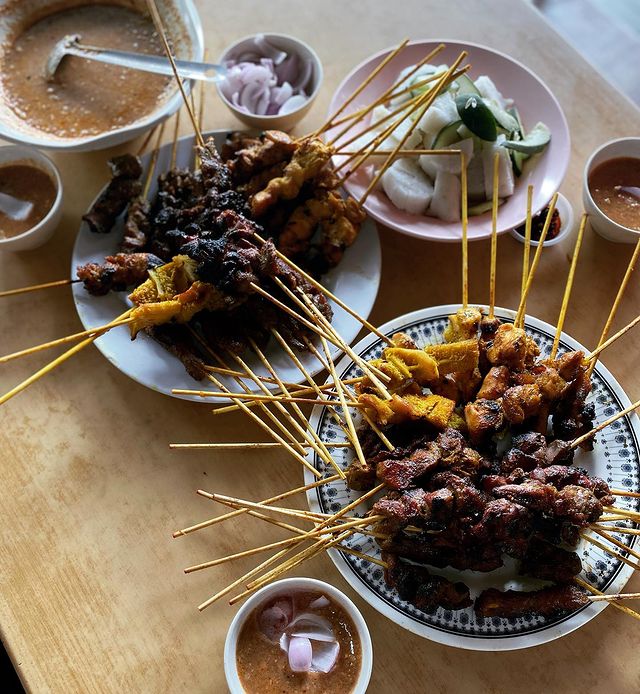
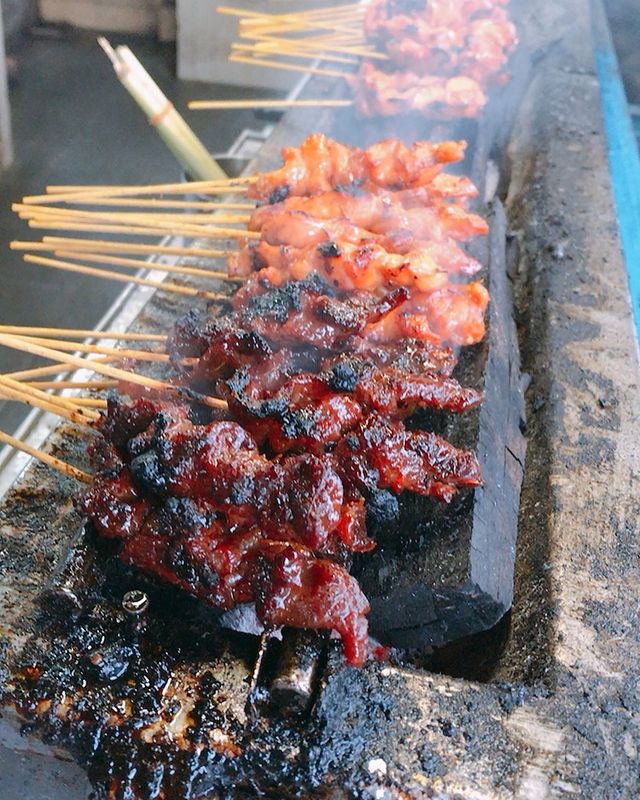
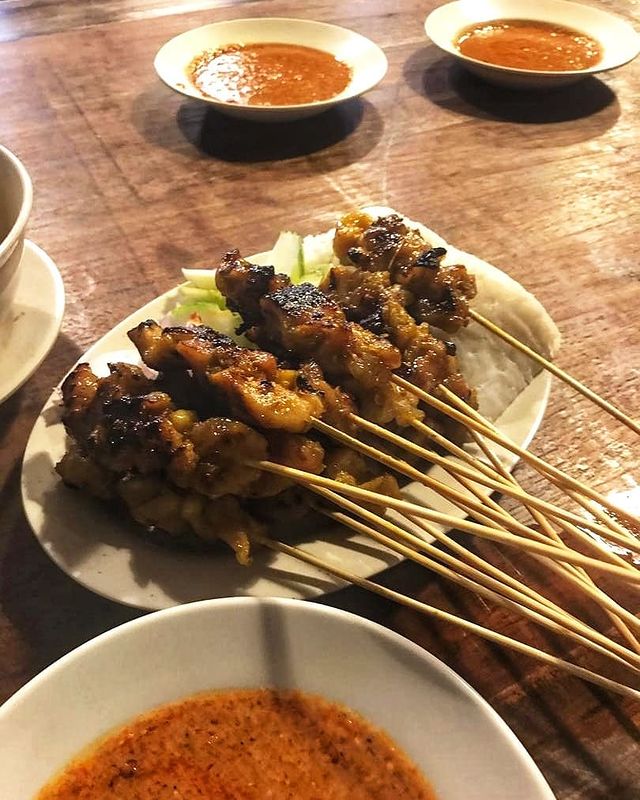
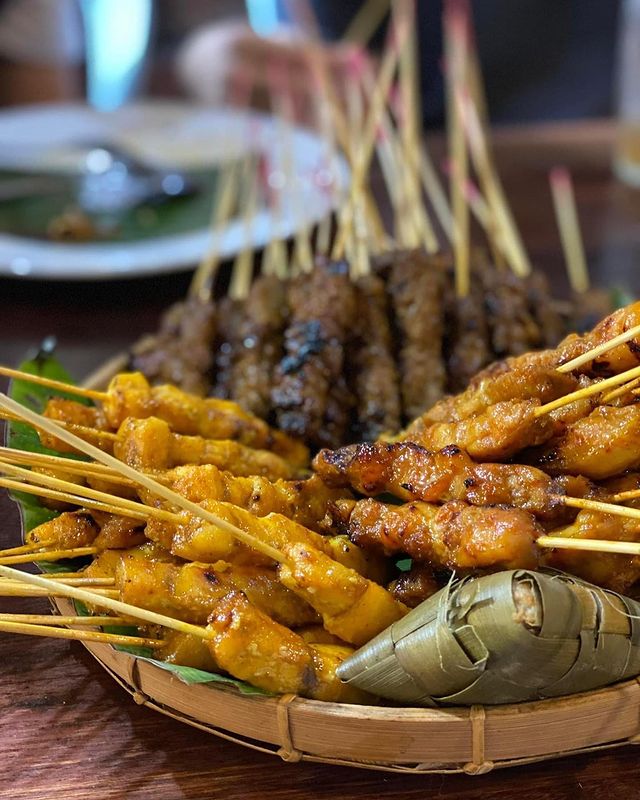
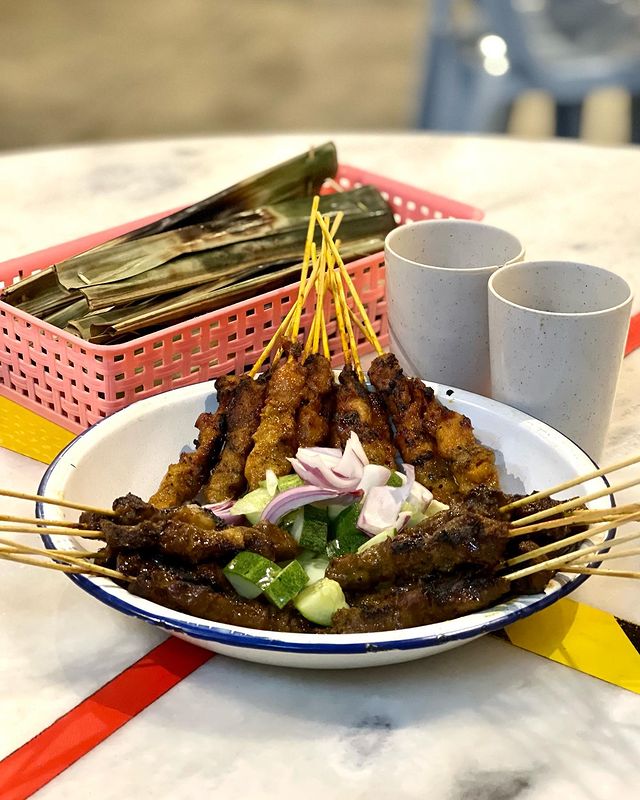
Satay consists of marinated meat skewered on bamboo sticks and grilled over charcoal fire.
It is traditionally served with:
- Peanut sauce
- Ketupat (rice cakes)
- Fresh cucumber
- Onions
Popular satay varieties include:
- Chicken satay
- Beef satay
- Lamb satay
- Venison satay
- Rabbit satay (at selected locations)
The combination of smoky grilled meat and rich peanut sauce is what makes satay one of Southeast Asia’s most beloved street foods.
Why Satay Is So Popular in Malaysia
Satay is deeply woven into Malaysia’s food culture because it offers:
- Rich smoky flavours
- Affordable pricing
- Easy sharing among groups
- Wide availability
- Strong cultural heritage
You’ll find satay everywhere from night markets and roadside stalls to upscale restaurants and food courts.
For visitors exploring Malaysian cuisine, satay is often one of the first dishes recommended alongside nasi lemak, roti canai, and char koay teow.
Sate Kajang Haji Samuri
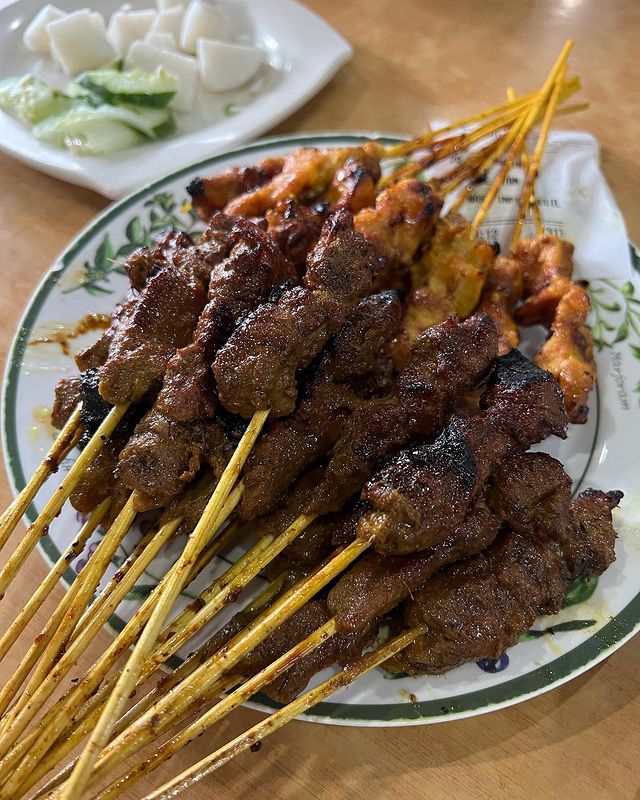
Multiple locations, check out where they are in this link
Website | Instagram | Facebook
Satay Station – Wagyu satay
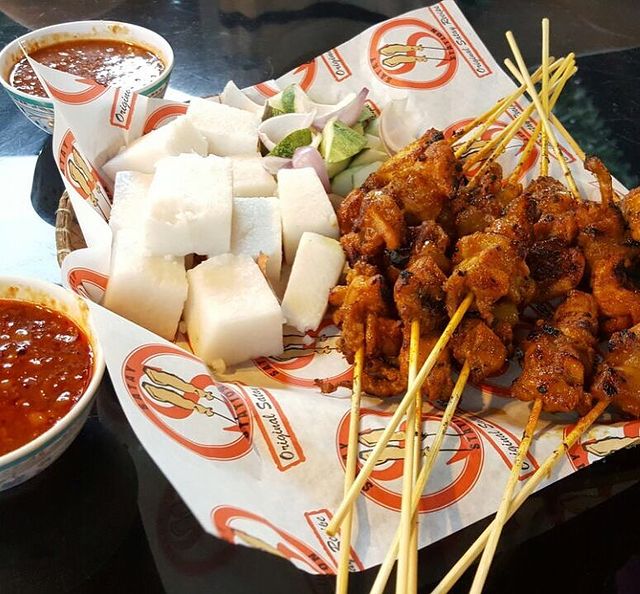
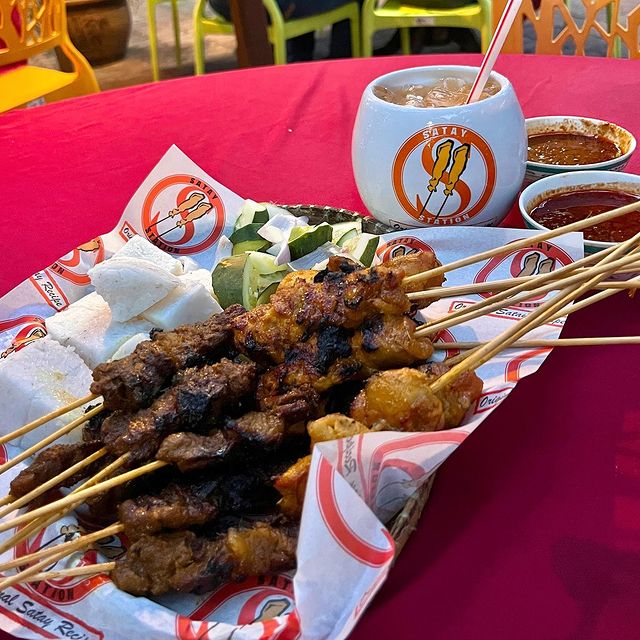
55, Jalan Pandan Kemajuan A,
Kampung Pandan Dalam,
55100 Kuala Lumpur.
E9/e, Jalan Tengku Ampuan Zabedah A 9/A,
Seksyen 9, 40100,
Shah Alam, Selangor.
Mont’ Kiara Meridin,
19, Jalan Duta Kiara,
Bukit Kiara, 50480 Kuala Lumpur.
Sate Atok – Kajang-style satay
Taman Segambut SPPK,
51200 Kuala Lumpur.
Satay Capitol 1951 Warisan
25, Jalan Raja Uda,
Kampung Baru,
50300 Kuala Lumpur.
Sate Zainah Ismail
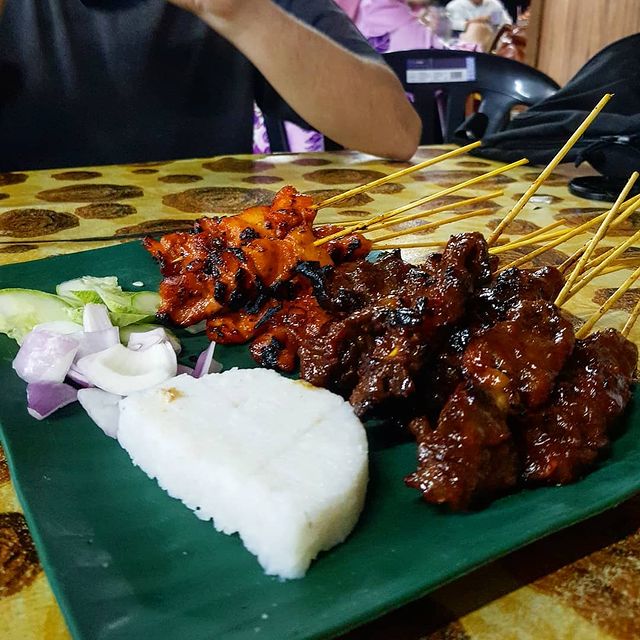
1077, Lorong Kiri 20,
Kampung Datuk Keramat,
54000 Kuala Lumpur.
Warung Satay Mak Long
Lot 4, Batu 6, Jalan Puchong,
Kampung Petaling, Kuala Lumpur.
Satay Pak Wan
88-G, Jalan 7a/2, Bandar Tasik Puteri,
48020 Rawang, Selangor.
Kasim sate – Pasar Malam Sentul
83, Jalan Sentul, Sentul,
51000 Kuala Lumpur.
Satay Putera Kajang
26 & 27, Jalan Mendaling,
Bandar Kajang, 43000,
Kajang, Selangor.
Dzul Satay
41, Jalan Peel, Maluri,
55100 Kuala Lumpur.
What Makes Great Satay?
While satay may appear simple at first glance, creating truly exceptional satay requires skill, patience, and attention to detail. From the marinade and grilling technique to the peanut sauce and accompaniments, every component contributes to the final experience.
Proper Marinade
Great satay starts with a well-balanced marinade. The meat should be marinated long enough for the spices to fully penetrate, resulting in flavour that goes beyond just the surface. Common ingredients include turmeric, lemongrass, coriander, cumin, garlic, and other aromatic spices that give satay its distinctive taste and colour.
Charcoal Grilling
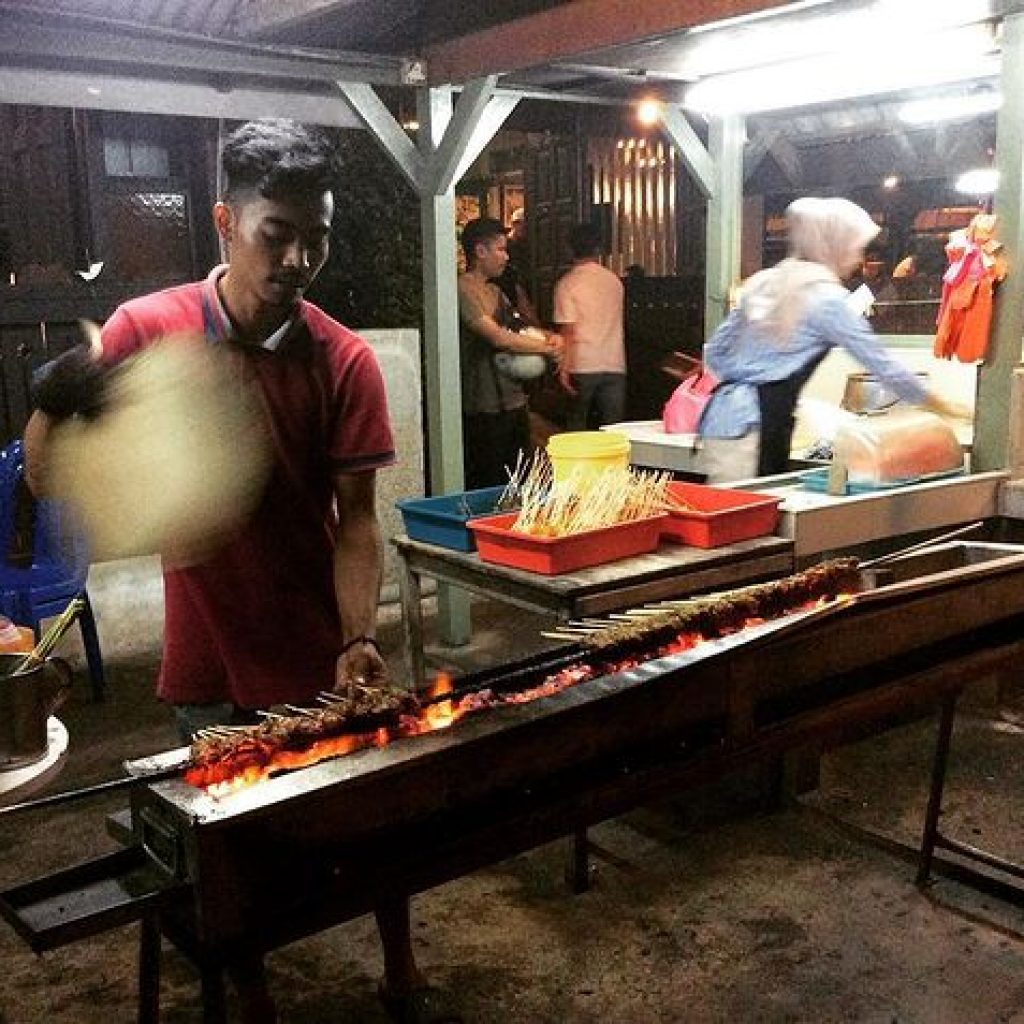
Traditional satay is cooked over charcoal, which imparts a smoky aroma that cannot be easily replicated with gas grills. The skill of the grill master is crucial, as the skewers need to be turned constantly to achieve a light char while preventing the meat from becoming dry or burnt.
Tender and Juicy Meat
The best satay remains juicy and tender despite being cooked over high heat. The meat should have a slight caramelisation on the outside while staying moist inside. Proper meat selection, marination, and grilling technique all play important roles in achieving this balance.
The Perfect Char
A slight smoky char is one of the hallmarks of excellent satay. The caramelisation created by the heat enhances the flavours of the marinade and adds an extra layer of complexity to every bite. However, excessive charring can overpower the meat and should be avoided.
Rich and Flavourful Peanut Sauce
For many satay lovers, the peanut sauce is just as important as the skewers themselves. A good satay sauce should be rich, nutty, and aromatic, with a balance of sweetness, savouriness, and mild spice. Some stalls have closely guarded peanut sauce recipes that have been perfected over generations.
Fresh Accompaniments
Traditional accompaniments such as ketupat (rice cakes), cucumber, and onions help balance the richness of the grilled meat and peanut sauce. The freshness and crunch of these side ingredients provide contrast and complete the meal.
Consistency
One of the characteristics that separates legendary satay stalls from average ones is consistency. Whether you’re visiting for the first time or the hundredth, the quality of the meat, sauce, and grilling should remain reliably excellent.
Aroma and Overall Experience
Before you even take a bite, great satay should be instantly recognisable by its irresistible aroma. The combination of charcoal smoke, spices, and grilling meat is often what draws customers from a distance. Coupled with the lively atmosphere of a roadside stall, night market, or bustling restaurant, it creates a dining experience that is uniquely Malaysian.
Ultimately, the best satay achieves harmony between smoky grilled meat, aromatic spices, rich peanut sauce, and fresh accompaniments. It is this balance of flavours and textures that has made satay one of Malaysia’s most beloved and enduring dishes.
Best Areas for Satay in Kuala Lumpur
While excellent satay can be found throughout the Klang Valley, certain areas have built strong reputations for serving some of the region’s most beloved skewers. From traditional Malay neighbourhoods to entire towns dedicated to satay culture, these are some of the best places to begin your satay hunt.
Kajang
No discussion about satay would be complete without mentioning Kajang. Often referred to as Malaysia’s “Satay Town,” Kajang has become synonymous with satay thanks to its long history and concentration of famous satay restaurants. Visitors will find numerous establishments serving chicken, beef, and lamb satay, each with their own recipes and loyal following. For many Malaysians, a trip to Kajang is almost a pilgrimage for satay lovers.
Kampung Baru
Located in the heart of Kuala Lumpur, Kampung Baru is one of the city’s most iconic food districts. Alongside nasi lemak, ikan bakar, and other traditional Malay dishes, you’ll find several eateries and food stalls serving freshly grilled satay. The traditional village atmosphere combined with the backdrop of Kuala Lumpur’s skyline makes dining here a uniquely local experience.
Also discover: Kampung Baru, a guide to Kuala Lumpur’s traditional village
Ampang
Ampang is known for its vibrant local food scene and diverse mix of Malay eateries. Several longstanding satay stalls and roadside restaurants operate here, particularly during the evening hours. It is a great area to explore if you’re looking for neighbourhood favourites away from the tourist crowds.
Petaling Jaya
Petaling Jaya offers a mix of traditional satay stalls, established restaurants, and modern eateries serving Malaysian classics. Areas such as SS2, Damansara Utama, and Section 14 are home to popular local food spots where satay is often a menu highlight. Its accessibility also makes PJ a convenient destination for food hunting.
Explore more: Petaling Jaya area guide
Night Markets and Ramadan Bazaars
Some of the most enjoyable satay experiences can be found at night markets and seasonal Ramadan bazaars across Kuala Lumpur and the Klang Valley. The aroma of charcoal-grilled skewers, the sight of satay being fanned over open flames, and the lively atmosphere make these places perfect for experiencing satay as locals do. Many vendors prepare their satay fresh on-site, offering a delicious and affordable street food experience.
Whether you’re heading to the legendary satay establishments of Kajang or discovering hidden neighbourhood stalls around Kuala Lumpur, each area offers its own interpretation of this beloved Malaysian dish. Exploring different locations is often the best way to discover your personal favourite.
Satay and Malaysian Food Culture
Satay is more than just grilled meat — it is part of Malaysia’s culinary identity.
It is commonly enjoyed:
- During festive celebrations
- At Ramadan bazaars
- During family gatherings
- As evening snacks and suppers
- At weddings and special events
Its popularity across different communities reflects Malaysia’s multicultural food heritage.
If you’re exploring local cuisine, also check out:
Tips for Enjoying Satay in KL
- Order a variety of meats to compare flavours
- Don’t skip the peanut sauce
- Eat the satay fresh from the grill
- Pair it with ketupat for a traditional experience
- Visit Kajang if you’re serious about satay hunting
From famous Kajang institutions to hidden roadside stalls, Kuala Lumpur and Klang Valley offer countless opportunities to enjoy excellent satay.
Whether you prefer chicken, beef, or lamb, the combination of smoky grilled meat and rich peanut sauce makes satay one of Malaysia’s most rewarding culinary experiences.
For both first-time visitors and lifelong locals, satay remains a dish that never goes out of style.
FAQs About Satay in Kuala Lumpur
What is the most famous satay place in Kuala Lumpur?
Satay Kajang Haji Samuri is among the most famous names associated with satay in Malaysia.
Why is Kajang famous for satay?
Kajang developed a strong satay culture over decades and is now widely regarded as Malaysia’s satay capital.
What meat is commonly used for satay?
Chicken, beef, and lamb are the most common options.
Is satay spicy?
The meat itself is usually mildly spiced, while the peanut sauce may contain varying levels of spice.