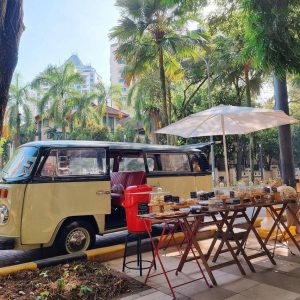
Why Kuala Lumpur Is One of Asia’s Best Food Cities
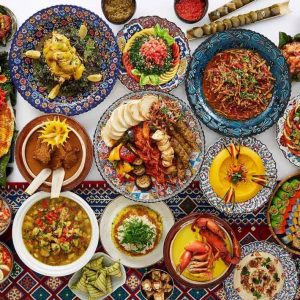
Kuala Lumpur is one of the best cities in Southeast Asia for food lovers. The city’s multicultural identity means you can enjoy Malay, Chinese, Indian, Peranakan, Middle Eastern, and modern international cuisine all within the same neighbourhood.
From smoky roadside satay stalls and old-school kopitiams to banana leaf rice restaurants and trendy cafés, eating in Kuala Lumpur is more than just finding good food — it is one of the best ways to experience the city itself.
If you are visiting Kuala Lumpur for the first time, deciding what to eat can feel overwhelming because there are simply too many choices. This guide highlights the essential dishes, local favourites, street food classics, and iconic Malaysian meals you should not miss while exploring the city.
If you want to understand Kuala Lumpur’s full food culture, neighbourhood dining scenes, cafés, and local food traditions, you can also explore our complete Kuala Lumpur food guide.
Must-Try Malaysian Food in Kuala Lumpur
Kuala Lumpur is one of the best places in Malaysia to experience the country’s diverse food culture. The city brings together Malay, Chinese, Indian, and regional Malaysian flavours, allowing visitors to discover many of the nation’s most iconic dishes within a single destination.
Some of the must-try foods in Kuala Lumpur include nasi lemak, roti canai, satay, banana leaf rice, bak kut teh, char koay teow, Hokkien mee, cendol, and teh tarik. These dishes are deeply connected to everyday Malaysian life and remain essential parts of the city’s dining culture.
One of the most exciting things about eating in Kuala Lumpur is the variety of experiences attached to the food itself. You can enjoy breakfast at a traditional kopitiam, visit a busy banana leaf rice restaurant during lunch, explore street food at night markets, and end the evening with supper at a mamak stall. Together, these experiences offer a deeper understanding of Kuala Lumpur beyond its landmarks and shopping districts.
Rice & Noodle Dishes
Nasi Lemak
Nasi lemak is Malaysia’s national dish, featuring fragrant coconut rice, sambal, anchovies, peanuts, and egg. If you are searching for great versions around the city, explore our guide to the best nasi lemak in Kuala Lumpur
Nasi Kandar
Nasi kandar is a rich rice dish served with various curries, fried chicken, seafood, vegetables, and heavy mixed gravies. Originally associated with Penang, it has become one of Kuala Lumpur’s favourite comfort meals, especially during lunch and supper hours. If you enjoy bold curry flavours, here are some places for nasi kandar in Kuala Lumpur.
Char Koay Teow
Flat rice noodles stir-fried over high heat with prawns, cockles, egg, bean sprouts, and soy sauce, known for its smoky wok hei aroma.
Hokkien Mee (KL Style)
Thick yellow noodles braised in dark soy sauce with pork, squid, cabbage, and crispy pork lard, creating a rich and savoury noodle dish.
Pan Mee
Pan mee is a comforting handmade noodle dish commonly served in soup or dry versions with minced pork, anchovies, mushrooms, and leafy vegetables. The noodles are known for their soft and chewy texture, making it a favourite everyday meal among locals. You can also discover some popular pan mee spots in Kuala Lumpur.
Mee Goreng Mamak
Spicy stir-fried yellow noodles cooked with tofu, potatoes, egg, vegetables, and strong curry flavours commonly found at mamak stalls across Kuala Lumpur.
Laksa
A spicy noodle soup dish available in different regional styles, combining noodles with coconut milk or tamarind-based broth, herbs, seafood, or chicken.
Chee Cheong Fun
Soft steamed rice noodle rolls usually served with sweet sauce, curry, sesame seeds, or stuffed ingredients depending on regional preparation styles.
Claypot Chicken Rice
Claypot chicken rice is cooked over charcoal or high heat in traditional claypots together with marinated chicken, Chinese sausage, salted fish, and soy sauce. The result is a smoky and deeply savoury rice dish with crispy bits at the bottom of the pot. Here are some recommended places for claypot chicken rice in Kuala Lumpur.
Banana Leaf Rice
Banana leaf rice is one of Kuala Lumpur’s most popular Indian dining experiences, featuring rice served with assorted curries, vegetables, papadum, and spicy side dishes on a banana leaf. Many locals enjoy pairing it with fried chicken, mutton curry, or squid for a heavier meal. If you are looking for good spots around the city, explore our guide to banana leaf rice in Kuala Lumpur
Yong Tau Foo
Vegetables, tofu, and bean curd stuffed with fish paste and served in soup or dry versions alongside noodles and dipping sauces.
Wan Tan Mee
Springy egg noodles tossed in dark sauce and served with char siu, vegetables, and dumplings, commonly enjoyed as a simple comfort meal.
Meat, Grilled & Protein-Focused Dishes
Satay
Skewered meats grilled over charcoal flames and served with peanut sauce, cucumber, onions, and ketupat rice cakes, especially popular during evening hours.
Ayam Goreng Berempah
Deep-fried chicken marinated with spices and herbs until crispy, aromatic, and flavourful, commonly eaten with rice and sambal.
Rendang
Slow-cooked meat simmered with coconut milk, spices, lemongrass, and herbs until rich, tender, and intensely flavourful.
Bak Kut Teh
Herbal pork rib soup cooked with garlic, soy sauce, and Chinese herbs, traditionally enjoyed with rice and side dishes.
Hainanese Chicken Rice
Poached chicken served with fragrant rice, chilli sauce, ginger paste, and light soy sauce, inspired by Hainanese Chinese culinary traditions.
Ikan Bakar
Ikan bakar refers to charcoal-grilled fish marinated with sambal and spices before being wrapped in banana leaves and grilled over open flames. The smoky aroma and spicy flavours make it one of Malaysia’s most beloved seafood dishes. You can also explore our recommendations for ikan bakar around Kuala Lumpur and Klang Valley.
Char Siew
Sweet and savoury Cantonese-style barbecued pork glazed with caramelised sauce and commonly paired with rice or noodles.
Tandoori Chicken
Chicken marinated in yogurt and spices before being roasted in a tandoor oven, commonly eaten with naan and curry.
Sambal Sotong
Squid cooked in spicy sambal sauce, balancing sweetness, spice, and seafood flavours commonly found in nasi campur selections.
Bread, Snacks & Street Foods
Roti Canai
Flaky flatbread served with dhal or curry, deeply connected to Kuala Lumpur’s mamak culture and commonly eaten during breakfast or supper.
Roti Tisu
A thin and crispy towering version of roti canai coated with condensed milk and sugar, popular as a sweet sharing snack.
Apam Balik
A thick folded pancake filled with peanuts, sugar, corn, and butter, available in crispy or fluffy versions at street stalls.
Popiah
Fresh spring rolls filled with vegetables, tofu, turnip, and sweet sauce wrapped in thin soft crepes for a light savoury snack.
Curry Puff
Pastry pockets filled with curried potatoes, chicken, sardines, or eggs, commonly sold at bakeries and roadside stalls.
Kuih-Muih
Traditional Malaysian bite-sized snacks and desserts made from coconut milk, glutinous rice, pandan, palm sugar, and local ingredients.
Ramly Burger
Malaysia’s iconic roadside burger wrapped with egg and loaded with sauces, creating a messy but satisfying late-night street food experience.
Otak-Otak
Spiced fish paste wrapped in banana leaves and grilled over charcoal, offering smoky flavours and soft texture.
Keropok Lekor
Fish sausage snacks from the east coast of Malaysia, usually deep-fried and served with sweet chilli sauce.
Pisang Goreng
Deep-fried banana fritters with crispy batter and soft sweet banana inside, commonly enjoyed during tea time or as street snacks.
Samosa
Triangular fried pastry filled with potatoes, spices, and vegetables, commonly found at Indian-Muslim eateries and Ramadan bazaars.
Vegetable & Traditional Dishes
Sayur Lodeh
Vegetables cooked in lightly spiced coconut milk gravy, commonly eaten together with rice, sambal, and fried side dishes.
Ulam & Sambal
Traditional Malay raw herbs and vegetables served with spicy sambal paste, highlighting Malaysia’s strong herb and fresh ingredient culture.
Lontong
Compressed rice cakes served in coconut vegetable stew with sambal, tofu, boiled egg, and serunding coconut floss.
Sambal Petai
Petai beans stir-fried in spicy sambal sauce with seafood or prawns, known for its strong aroma and uniquely Malaysian flavours.
Pucuk Paku Belacan
Wild jungle fern stir-fried with sambal belacan, commonly enjoyed in Malay and kampung-style restaurants.
Desserts & Drinks
Cendol
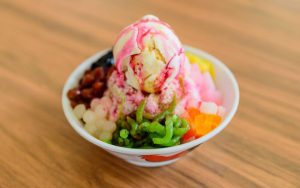
Cendol is a refreshing shaved ice dessert topped with coconut milk, gula melaka syrup, red beans, and green jelly noodles, making it especially popular during hot afternoons in Kuala Lumpur. Different stalls and cafés offer their own variations, from traditional roadside versions to modern dessert interpretations. You can also discover some popular cendol spots in Kuala Lumpur.
Ais Kacang
Ais kacang, also known as ABC, is one of Malaysia’s most colourful desserts, featuring shaved ice topped with syrups, sweet corn, beans, jelly, peanuts, and sometimes ice cream. It is commonly enjoyed after spicy meals or during warm weather. If you are craving local desserts, here are some places for ais kacang in Kuala Lumpur.
Teh Tarik
Malaysia’s famous pulled milk tea known for its frothy texture and strong tea flavour, commonly enjoyed at mamak restaurants.
Kopi (Local Coffee)
Traditional Malaysian coffee roasted with butter or margarine, usually served thick, strong, and sweet at kopitiams.
Bandung Ais
Sweet rose syrup drink mixed with milk and ice, recognised for its bright pink colour and refreshing creamy taste.
Durian
Malaysia’s most famous tropical fruit known for its strong aroma, creamy texture, and rich bittersweet flavour profile.
Tau Fu Fah
Soft silky tofu pudding served with sweet syrup, commonly eaten warm or chilled as a light dessert.
Sirap Limau
Refreshing lime drink mixed with rose syrup and ice, commonly served at local restaurants and Ramadan bazaars.
White Coffee
Rich and aromatic coffee style popular in Malaysia, known for its smooth texture and sweeter roasted flavour profile.
Milo Dinosaur
Iced Milo drink heavily topped with extra Milo powder, especially popular among younger Malaysians and café-goers.
Where to Eat Malaysian Food in Kuala Lumpur
You don’t need fancy restaurants.
The best food is found at:
- Hawker centres
- Kopitiams (traditional coffee shops)
- Night markets (pasar malam)
- Food courts
- Neighbourhood stalls
Crowds are usually a good sign.
Halal vs Non-Halal Food in Kuala Lumpur
Kuala Lumpur is very food-friendly for all visitors.
- Halal food is widely available
- Non-halal dishes (like bak kut teh) are clearly found in Chinese areas
- You can always ask if unsure
Many eateries are pork-free even if not officially halal.
Is Malaysian Food Spicy?
Some dishes are spicy — but not all.
Tips for first-timers:
- Ask for less sambal
- Try mild dishes first
- Spice levels vary by stall
Don’t let spice fear stop you — Malaysian food is about balance, not just heat.
First-Timer Food Tips in Kuala Lumpur
- Eat where locals eat
- Try small portions from multiple stalls
- Be open to flavours and textures
- Don’t rush meals — food is social here
KL is a city where eating is an activity.
Eating Your Way Through Kuala Lumpur
To understand Kuala Lumpur, you don’t start with landmarks — you start with food.
Every dish tells a story of migration, tradition, and everyday life. From morning nasi lemak to late-night roti canai, this is a city best experienced one meal at a time.
If this is your first visit, this ultimate food guide gives you the foundation. Everything else builds from here.
To explore more about food in Kuala Lumpur, check out our Ultimate Food Guide in Kuala Lumpur.