Central Market Kuala Lumpur: Why It’s a Must-Visit
Central Market Kuala Lumpur (Pasar Seni) is one of the city’s most iconic cultural landmarks, often featured in guides to Kuala Lumpur landmarks and things to do in Kuala Lumpur. Once a historic wet market, it has been transformed into a vibrant hub showcasing Malaysian arts, crafts, and heritage.
Located in the heart of the old town, it sits just steps away from Petaling Street and the wider Chinatown Kuala Lumpur, making it an essential stop in any walkable city itinerary.
More than just a market, Central Market offers a quick, immersive glimpse into Malaysia’s multicultural identity — all in one place.
Today, it stands as:
- A heritage site preserved from demolition
- A cultural marketplace with 300+ shops
- A gateway to Kuala Lumpur’s old town district
- A core stop in any KL itinerary
Quick Facts About Central Market KL
- Location: Jalan Hang Kasturi, Kuala Lumpur
- Opening Hours: 10:00 AM – 10:00 PM daily
- Entrance Fee: Free
- Nearest Station: Pasar Seni (LRT & MRT)
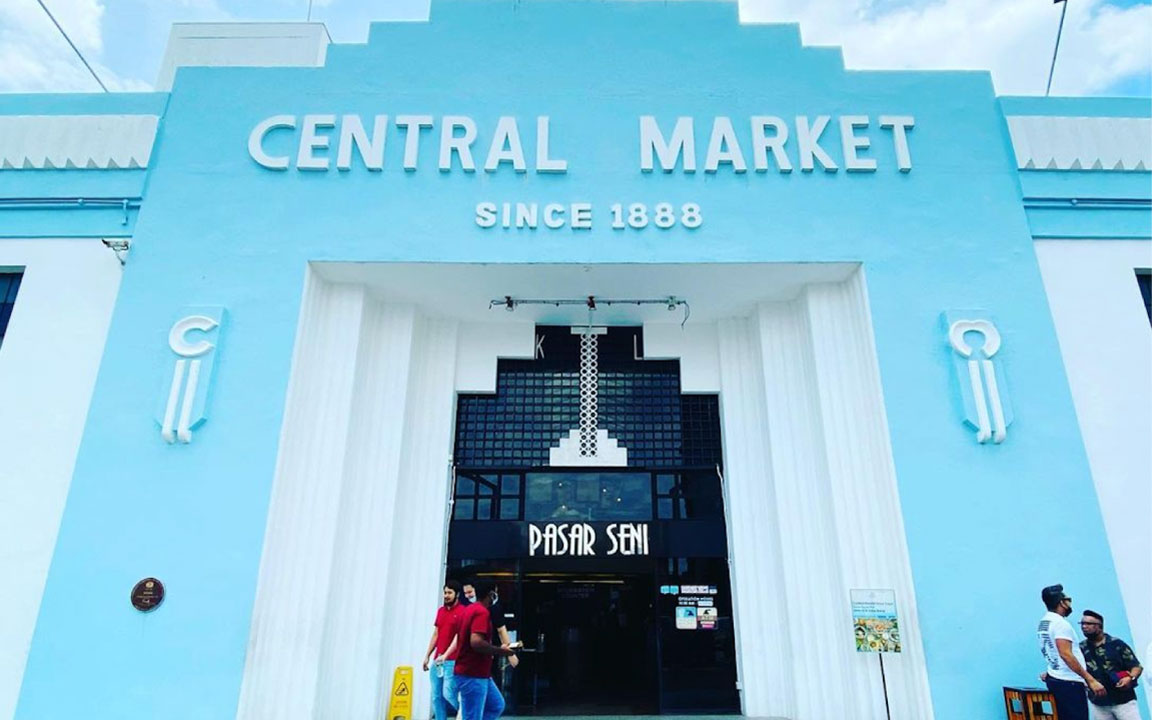
- Built: 1888 (current building 1937, Art Deco style)
A Brief History of Central Market
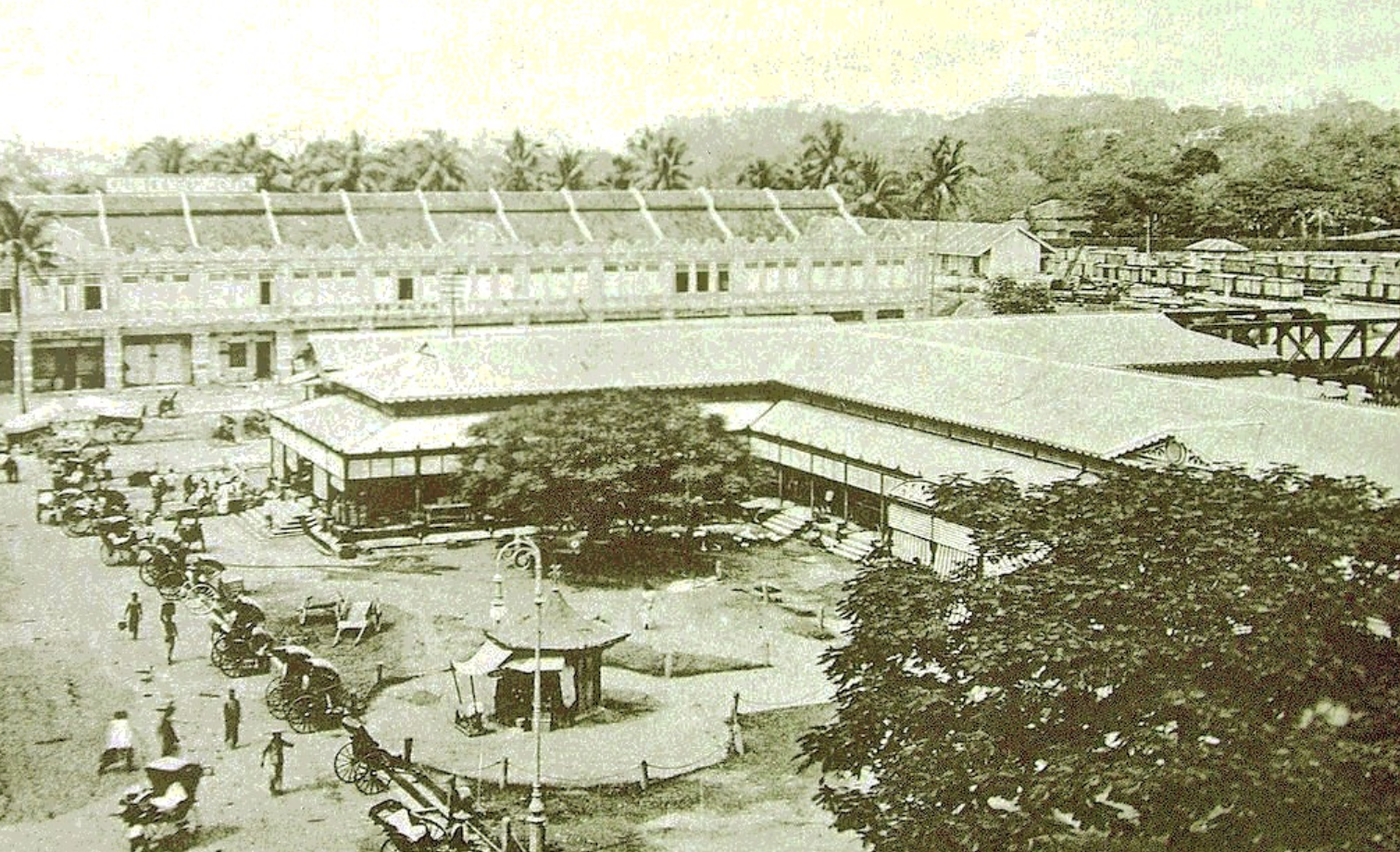
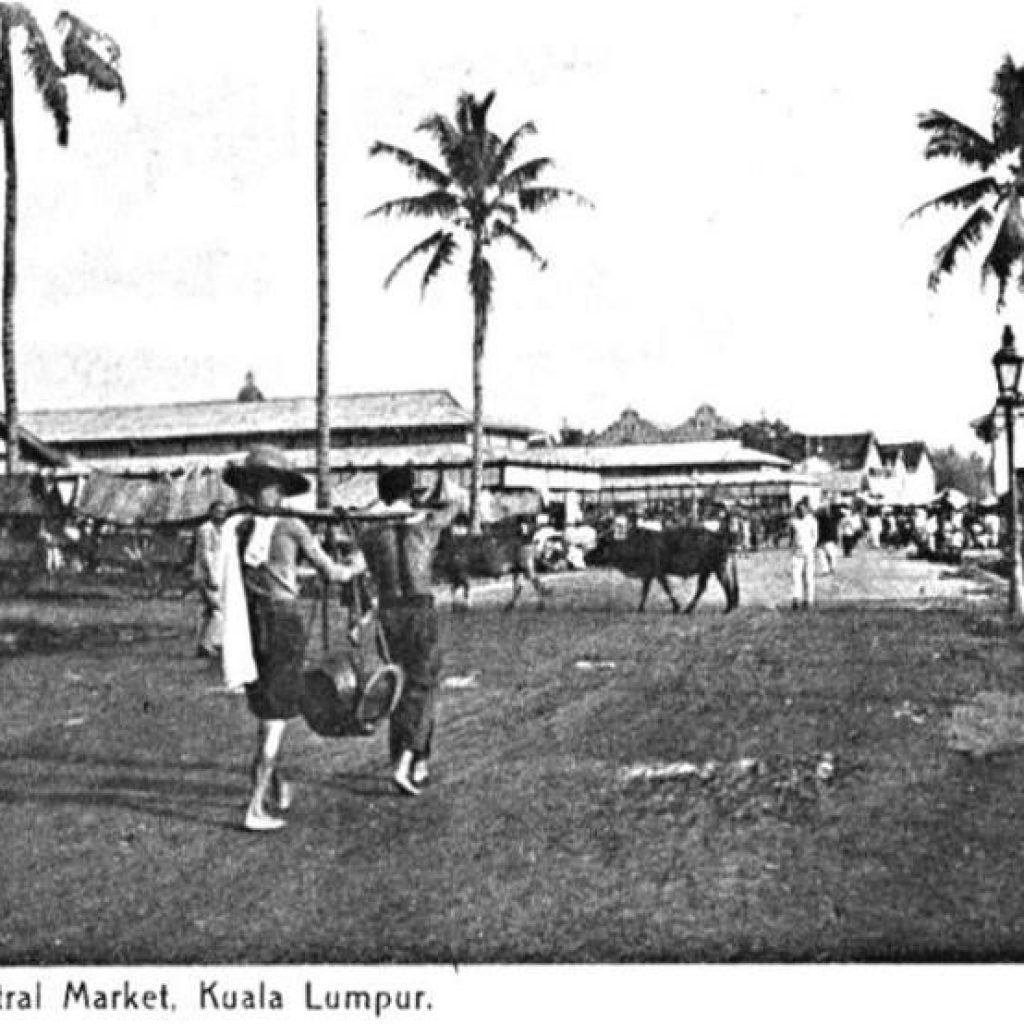
Central Market traces its origins back to 1888, when it was established as a wet market serving Kuala Lumpur’s early residents, including tin miners and traders. As the city grew, the market became a key commercial hub within the developing town.
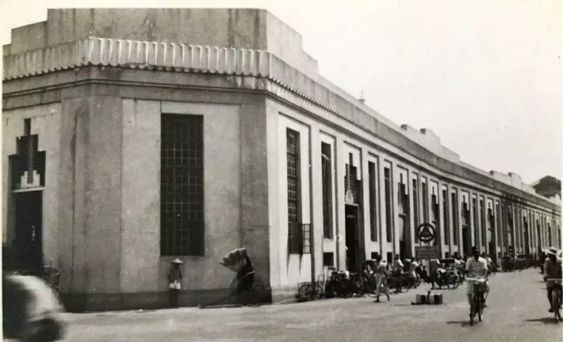
In 1937, the current building was constructed in a distinctive Art Deco style, reflecting Kuala Lumpur’s architectural evolution during the colonial period. By the 1970s, however, the market faced the threat of demolition due to rapid urban development.
Recognising its historical and cultural value, efforts were made to preserve the building. In 1986, Central Market was officially transformed into a cultural arts centre, shifting its role from a traditional market to a space dedicated to Malaysian heritage, crafts, and local entrepreneurship.
Today, it stands as a rare example of adaptive reuse — a historic structure that continues to evolve while preserving its identity at the heart of Kuala Lumpur.
This transformation turned Central Market into what it is today: a living cultural archive of Malaysia’s identity.
What to Do at Central Market Kuala Lumpur
1. Shop for Authentic Malaysian Handicrafts
Central Market is one of the best places in KL to find:
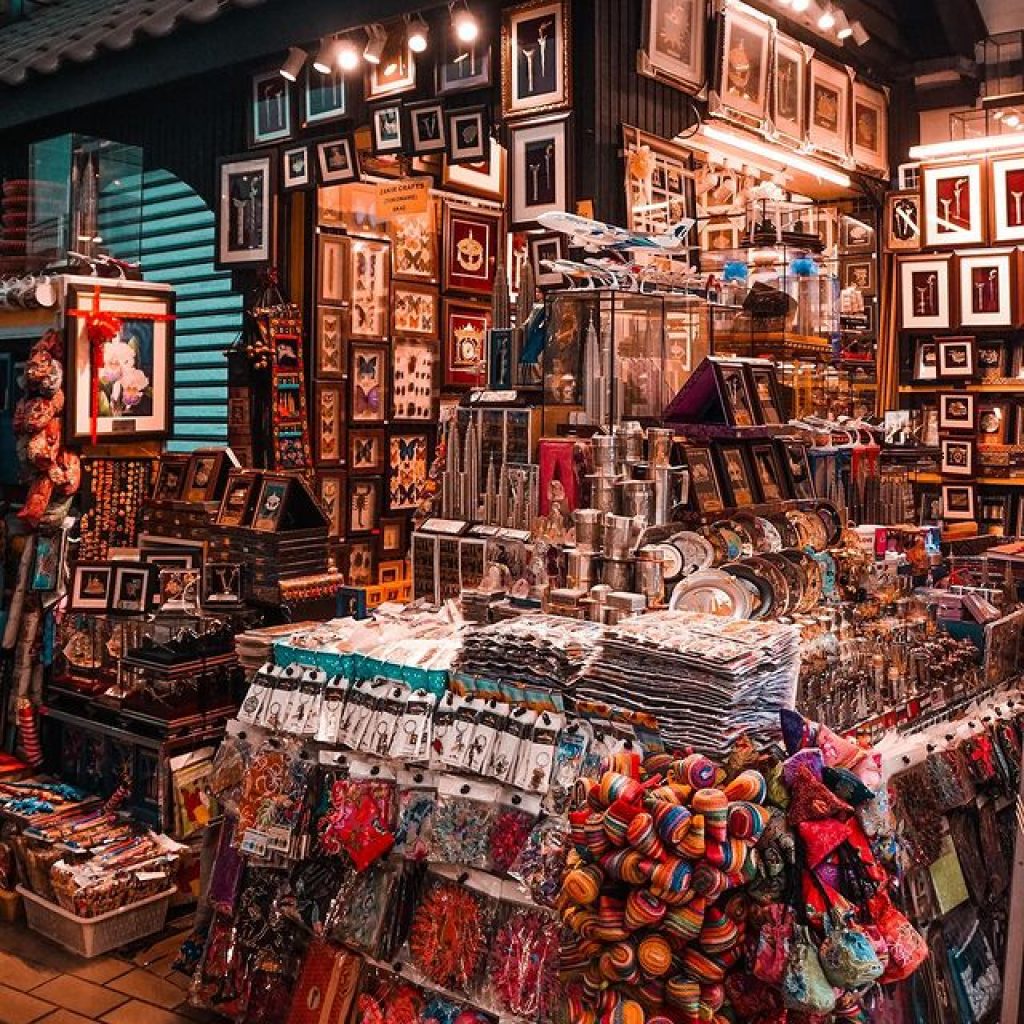
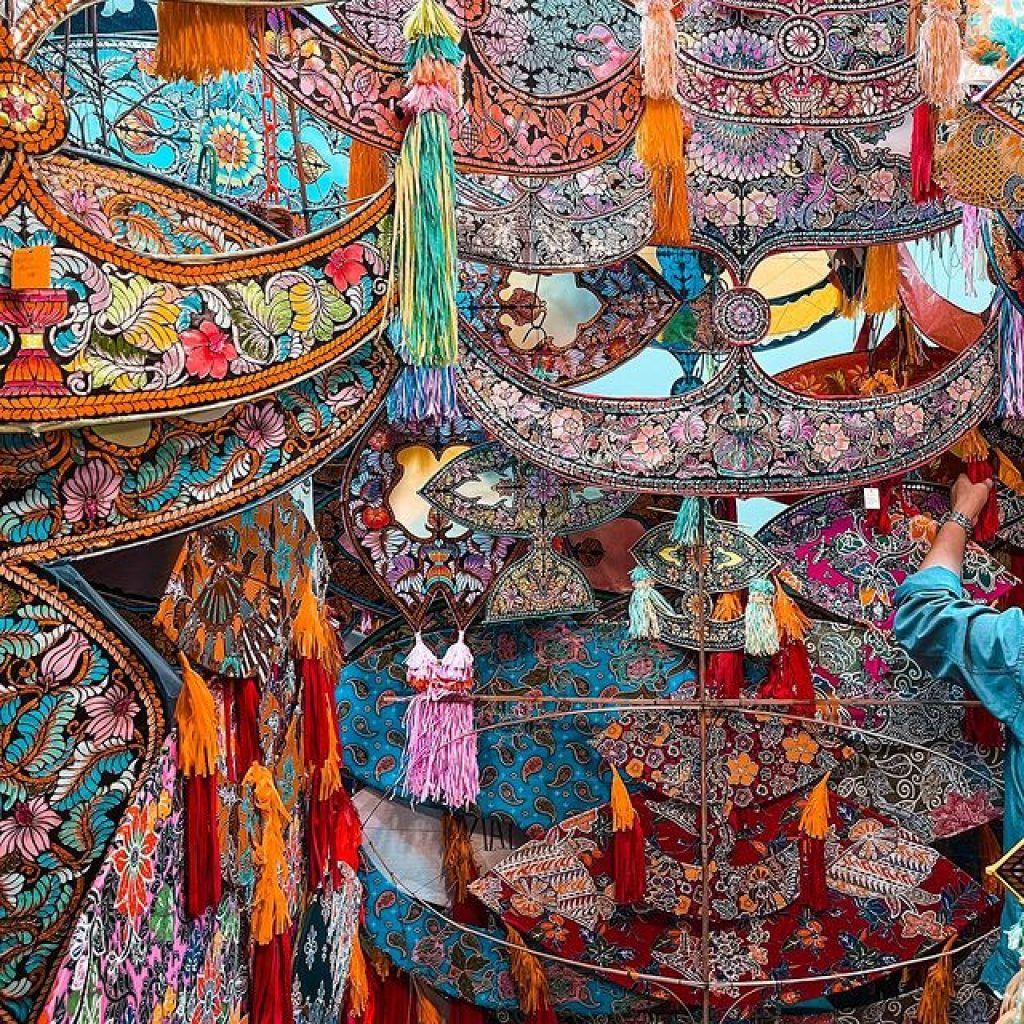
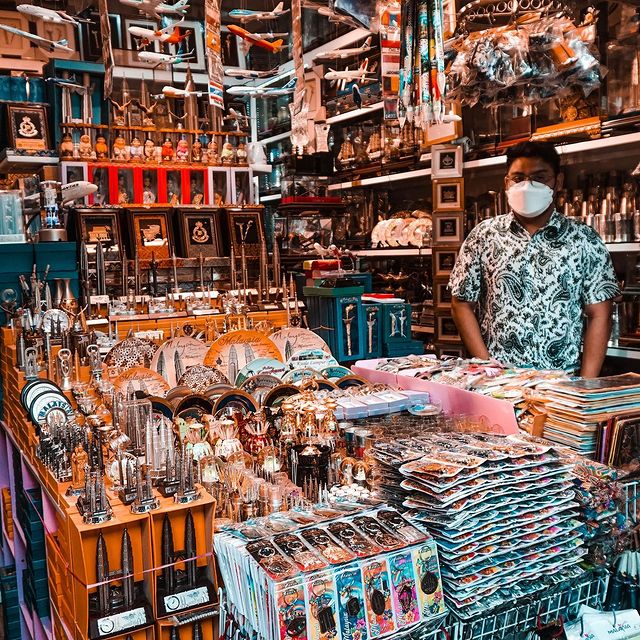
- Batik clothing and textiles
- Handmade souvenirs
- Traditional masks and wood carvings
- Pewterware and local crafts
Unlike some tourist-heavy areas, many items here are locally made and culturally rooted.
2. Explore Cultural Zones
The market is divided into themed sections representing Malaysia’s diversity:
- Lorong Melayu – Malay heritage crafts
- Straits Chinese / Nyonya – Peranakan influence
- Indian zone – Textiles and accessories
This layout reflects Malaysia’s multicultural identity in a single space.
3. Visit Kasturi Walk (Outdoor Market)
Right next to Central Market is Kasturi Walk, a covered pedestrian street filled with:
- Street food vendors
- Souvenir stalls
- Local snacks
- Buskers and street performances
It adds a lively, outdoor market vibe to your visit.
You might be interested to find out more about: Street Food in Kuala Lumpur
4. Discover the Central Market Annexe
The Annexe is a creative and artistic extension of Central Market featuring:
- Local art galleries
- Pop-up exhibitions
- Cultural workshops
It’s one of KL’s underrated independent art spaces.
Explore more: Museums in Kuala Lumpur
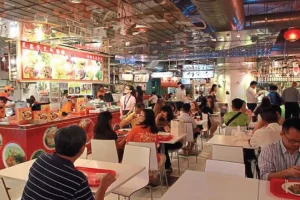
5. Eat at the Food Court (Makan Hall)
Head upstairs to enjoy:
- Malaysian classics
- Local desserts
- Affordable meals
Perfect for a quick break while exploring.
Check out more about: Cheap Food in Kuala Lumpur
What to Buy at Central Market
Best Things to Buy:
- Batik shirts & scarves
- Handmade jewellery
- Malaysian snacks & local products
- Cultural souvenirs
Tip: Bargaining is acceptable, but do it respectfully.
Best Time to Visit Central Market
- Morning (10 AM – 12 PM): Quiet and relaxed
- Afternoon: Escape KL heat (air-conditioned)
- Evening (6–8 PM): Best atmosphere with nearby street activity
How to Get to Central Market
By Train
- Pasar Seni Station (LRT & MRT) – 5-minute walk
By Bus
- Go KL City Bus (Purple Line)
By Foot
- Walking distance from:
- Petaling Street (Chinatown)
- Masjid Jamek
- River of Life
Explore more: Getting Around Kuala Lumpur
Nearby Attractions (Cluster Integration)
Central Market sits in one of KL’s most walkable heritage zones:
- Petaling Street (Chinatown) – food & street shopping
- Merdeka Square – colonial architecture
- Masjid Jamek – historic mosque
- River of Life – scenic riverfront
Explore more:
Central Market vs Petaling Street: Which Is Better?
| Feature | Central Market | Petaling Street |
|---|---|---|
| Atmosphere | Clean, curated | Bustling, chaotic |
| Products | Local crafts | Mass souvenirs |
| Experience | Cultural | Street market |
| Comfort | Air-conditioned | Outdoor |
Best strategy: Visit both — they complement each other and they are nearby.
Travel Tips for Visiting Central Market
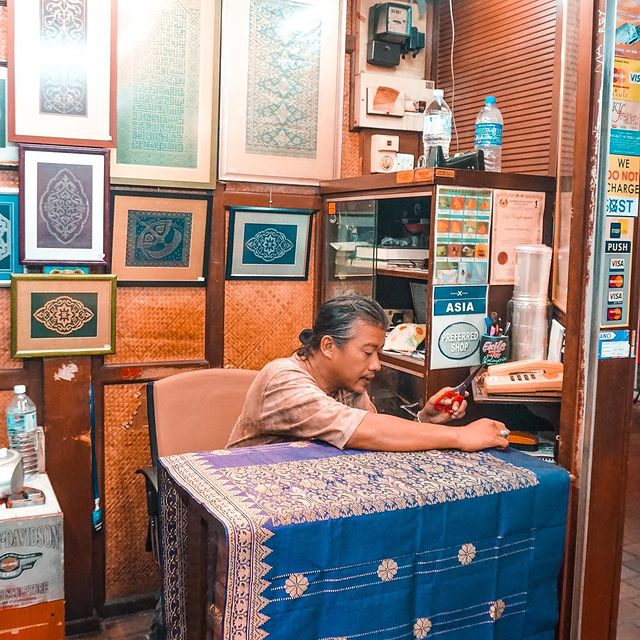
- Bring cash (some stalls don’t accept cards or digital payments)
- Check for cultural events or exhibitions
- Combine with Chinatown walk
- Avoid peak afternoon crowds if possible
FAQs About Central Market Kuala Lumpur
What is Central Market Kuala Lumpur famous for?
It is famous for being a cultural and heritage market offering Malaysian arts, crafts, and souvenirs.
Is Central Market worth visiting?
Yes — it’s one of the best places to understand Malaysia’s culture in a single location.
How long should I spend here?
Typically 1–2 hours, longer if you explore nearby attractions.
Is Central Market free?
Yes, entry is free.
What is the difference between Pasar Seni and Central Market?
They are the same — Pasar Seni is the Malay name.
Why Central Market Still Matters
Central Market is not just a tourist stop — it is a symbol of Kuala Lumpur’s transformation:
- From mining town → modern city
- From wet market → cultural landmark
- From local trade → global attraction
It remains one of the few places where you can experience Malaysia’s multicultural identity in one walkable space.
For more info: