Deepavali is one of Malaysia’s most important cultural and religious celebrations. Known as the Festival of Lights, it is celebrated primarily by the Hindu community and symbolises the triumph of light over darkness, good over evil and knowledge over ignorance.
In Kuala Lumpur, the weeks leading up to Deepavali bring colourful decorations, festive bazaars, traditional clothing, flower garlands, Indian sweets and glowing oil lamps. Brickfields, home to Kuala Lumpur’s Little India, becomes one of the liveliest places to experience the festive atmosphere.
For Hindu families, however, Deepavali is more than a public celebration. It is a meaningful occasion centred on prayer, renewal, family reunions, generosity and the hope of beginning a brighter chapter.
This guide explains the history and meaning of Deepavali, how it is celebrated in Malaysia, where to experience it in Kuala Lumpur and what visitors should know before joining the festivities.
When Is Deepavali in Malaysia?
Deepavali follows the Hindu calendar, so its date changes every year on the Gregorian calendar. It usually falls in October or November.
In 2026, Deepavali falls on:
Sunday, 8 November 2026
Because it falls on a Sunday, a replacement public holiday may apply on the following working day, depending on the state and an employee’s working arrangements. Travellers and employees should confirm this against the official federal and state holiday calendar.
Preparations normally begin several weeks before the actual festival. Shopping streets, malls and Indian neighbourhoods may introduce decorations, bazaars and seasonal promotions well in advance.
Is Deepavali a Public Holiday in Malaysia?
Deepavali is a public holiday in Kuala Lumpur and most parts of Malaysia, although it is generally not gazetted as a public holiday in Sarawak.
In Kuala Lumpur, government offices, banks and many independent businesses will be closed. Most shopping malls, tourist attractions and restaurants remain open, although operating hours may differ.
Public transport usually operates on a public-holiday or weekend schedule. Services can be busier around shopping districts, temples and transport hubs.
What Is Deepavali?
Deepavali is a major Hindu festival celebrated in Malaysia, India, Singapore and Hindu communities around the world. Related celebrations are also observed by some Jains, Sikhs and other religious communities, although their beliefs and commemorations differ.
The name comes from Sanskrit words associated with a row of lights:
- Dipa or deepa means lamp or light
- Avali means a row or series
Deepavali can therefore be understood as a “row of lights”.
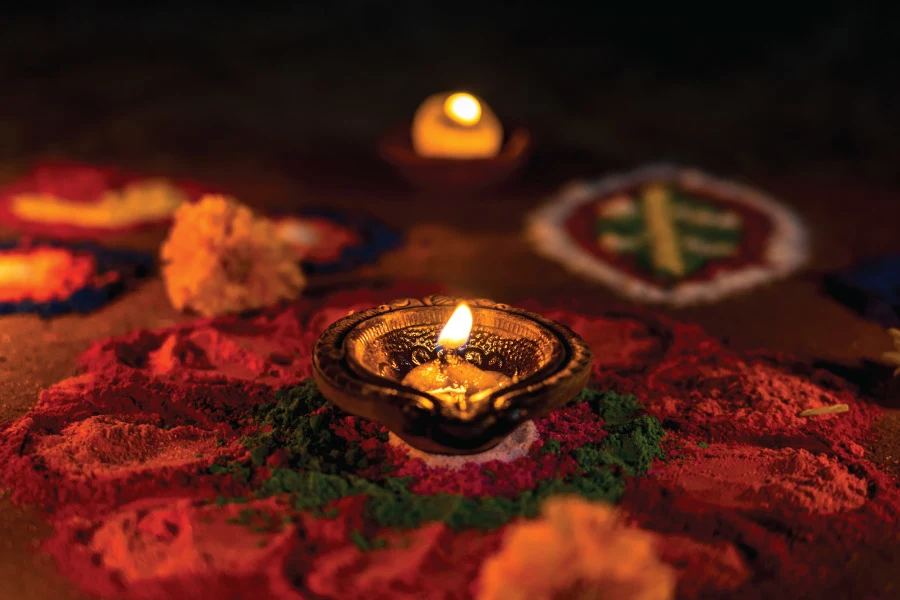
Small oil lamps known as diyas are among the festival’s most recognisable symbols. Lighting them represents the removal of spiritual darkness and the arrival of knowledge, goodness and hope.
Deepavali or Diwali: What Is the Difference?
Deepavali and Diwali refer to the same broad Festival of Lights, but the preferred name varies between regions and languages.
“Deepavali” is commonly used among South Indian communities and is the standard term in Malaysia. This reflects the strong Tamil and South Indian heritage of many Malaysian Hindus.
“Diwali” is more widely used in northern India and has become the better-known term internationally.
Neither name is inherently incorrect. Within Malaysia, however, Deepavali is the more familiar and culturally appropriate term in official and everyday usage.
What Does Deepavali Celebrate?
Deepavali is associated with several religious stories and traditions. The particular meaning may differ according to region, language, family background and religious denomination.
The central themes remain broadly consistent:
- Light overcoming darkness
- Good overcoming evil
- Knowledge overcoming ignorance
- Renewal and purification
- Gratitude and prosperity
- Family and community bonds
Among many Tamil and South Indian Hindu communities, the festival is connected to the defeat of the demon Narakasura by Lord Krishna. The story represents the destruction of arrogance, cruelty and darkness.
Other Hindu traditions associate the festival with Lord Rama’s return to Ayodhya following his defeat of Ravana. In some communities, prayers are offered to Lakshmi, the goddess of prosperity.
These stories should be understood as different traditions within a large and diverse religion rather than as competing explanations. Deepavali does not have exactly the same meaning or sequence of rituals for every Hindu family.
The Meaning of Light During Deepavali
Light is the defining symbol of Deepavali.
Traditionally, families place oil lamps around entrances, prayer areas and other parts of the home. The flames symbolise the removal of darkness, not only in a physical sense but also within the human mind and spirit.
The festival encourages people to overcome qualities such as:
- Anger
- Envy
- Greed
- Arrogance
- Ignorance
- Resentment
In their place, Deepavali promotes compassion, wisdom, generosity, humility and hope.
Modern celebrations may use candles, electric lights and decorative installations, but the traditional oil lamp remains deeply meaningful.
How Is Deepavali Celebrated in Malaysia?
Malaysian Deepavali traditions reflect the country’s strong Tamil and South Indian cultural heritage while also incorporating the open-house customs of multicultural Malaysia.
Every family observes the festival somewhat differently, but several traditions are widely practised.
Cleaning and Decorating the Home
Preparations begin before Deepavali day.
Families clean their homes, replace old household items and decorate their entrances. The cleaning represents a fresh beginning and prepares the home to welcome family, friends and divine blessings.
Doorways may be decorated with:
- Oil lamps
- Fresh flowers
- Mango leaves
- Festive lights
- Colourful fabrics
- Kolam designs
The preparation itself is part of the celebration, with family members working together before guests arrive.
Creating a Kolam
A kolam is a decorative design created on the floor, usually near the entrance to a home, temple or business.
Traditional kolam designs are made with rice flour. Modern versions may use coloured rice, grains, flower petals or coloured powder.
The patterns can be geometric, floral or symbolic. During Deepavali, elaborate designs may incorporate oil lamps, peacocks, lotus flowers and other festive imagery.
Beyond their beauty, kolam designs represent auspiciousness and welcome. Rice flour also traditionally provides food for insects and small creatures, expressing coexistence and generosity towards living beings.
Shopping malls and public buildings in Kuala Lumpur often create large kolam installations during the festive period. Some also organise demonstrations or competitions that allow visitors to learn about the art form.
Taking an Oil Bath
Many Hindu families begin Deepavali morning with a traditional oil bath before sunrise.
Oil is applied to the hair and body before bathing. The ritual represents purification and the symbolic washing away of negative qualities from the past.
Family elders may apply oil to younger relatives as a blessing. After bathing, family members put on new or freshly prepared clothes before beginning prayers and celebrations.
The ritual has religious and cultural significance and should not be treated merely as a beauty treatment.
Wearing New Clothes
New clothing represents renewal and an auspicious beginning.
Women may wear sarees, salwar kameez, lehengas or other traditional outfits, while men may wear veshti, kurta, jippa or contemporary formal clothing.
Shopping for Deepavali clothes is a major part of the preparations. In Kuala Lumpur, textile and clothing shops in Brickfields and around Jalan Tuanku Abdul Rahman become particularly busy in the weeks before the festival.
Praying at Home or Visiting a Temple
After the morning oil bath, families may conduct prayers at home or visit a Hindu temple.
Offerings can include:
- Flowers
- Fruits
- Sweets
- Incense
- Betel leaves
- Coconuts
- Oil lamps
Temple practices vary, and the religious experience remains personal. Visitors should avoid interrupting prayers or treating ceremonies as performances.
Kuala Lumpur is home to numerous Hindu temples, ranging from small neighbourhood places of worship to prominent historic landmarks. Our guide to religious sites in Kuala Lumpur introduces some of the city’s most important temples, mosques and churches.
Seeking Blessings From Elders
Younger family members commonly greet their parents, grandparents and other elders during Deepavali.
Seeking blessings acknowledges the importance of family relationships, respect and continuity between generations. Families may also remember relatives who have passed away and reflect on those unable to join the gathering.
Visiting Relatives and Friends
Deepavali is a time for families to reconnect.
After prayers, people visit relatives and friends, exchange greetings and share meals. As with other Malaysian festivals, the celebration often extends beyond the immediate household.
The common greeting is:
Happy Deepavali
or
Selamat Hari Deepavali
Holding a Deepavali Open House
The open house is a distinctive part of festive life in Malaysia.
Hindu families, organisations and public institutions may invite guests from different religious and cultural backgrounds to share a meal. These gatherings make Deepavali an inclusive national celebration while preserving its Hindu significance.
Guests are not expected to understand every ritual. Showing respect, dressing appropriately and accepting food graciously are generally sufficient.
Giving Gifts and Money
Families may exchange sweets, clothing and other gifts. Some adults give money to children, usually placed inside decorative envelopes.
Businesses may also present festive hampers to employees, clients and partners. These can contain Indian sweets, savoury snacks, dried fruits, nuts and decorative items.
Traditional Deepavali Food in Malaysia
Food is one of the best ways to experience Deepavali in Malaysia.
There is no single compulsory festival menu. Dishes differ between families, but a typical celebration may include rice, curries, vegetables, meat dishes, sweets and savoury snacks.
Murukku
Murukku is one of Malaysia’s most recognisable Deepavali snacks.
Made from rice flour and urad dal flour, the dough is seasoned, shaped into spirals and fried until crisp. Recipes may include cumin, sesame seeds, chilli, asafoetida or other spices.
Murukku is commonly prepared or purchased before the festival and served to visiting guests.
Achu Murukku
Achu murukku is a delicate, flower-shaped snack made using a patterned metal mould.
The thin batter is fried until golden and crisp. Depending on the recipe, it can be lightly sweet or savoury.
Nei Urundai
Nei urundai are round sweets generally made with mung bean flour, sugar, ghee and nuts.
Their crumbly texture and rich aroma make them a popular festive treat, although recipes vary between households.
Laddu
Laddu refers to several types of round Indian sweets. Depending on the recipe, they may be made using gram flour, semolina, coconut, nuts or other ingredients.
Adhirasam
Adhirasam is a traditional Tamil sweet made primarily with rice flour and jaggery.
The mixture is shaped into flat rounds and fried, producing a chewy texture and deep caramel-like flavour. Making it well requires careful preparation, and some families continue to use recipes passed down through generations.
Mysore Pak
Mysore pak is a rich sweet made from gram flour, sugar and ghee. It can range from soft and porous to firm and fudge-like, depending on the preparation.
Omapodi
Omapodi is a thin, crispy savoury snack flavoured with ajwain or carom seeds. It may be served on its own or included in a festive snack mixture.
Payasam
Payasam is a sweet dessert or pudding that may be prepared using milk, coconut milk, lentils, vermicelli, rice, sago or other ingredients.
It is commonly served during religious celebrations and family meals.
Banana Leaf Rice
A Deepavali meal may include rice served on a banana leaf with vegetable dishes, curries, pickles, papadum and other accompaniments.
Some households prepare vegetarian food, particularly when religious observances are involved, while others serve chicken, mutton, fish or seafood dishes.
Visitors can experience South Indian and Malaysian-Indian cooking throughout the year in Brickfields, one of Kuala Lumpur’s strongest neighbourhoods for Indian food.
Biryani and Festive Curries
Biryani, mutton curry, chicken varuval and other celebratory dishes may be served during family gatherings and open houses.
The menu depends on the household’s regional roots, dietary practices and family preferences. It is more accurate to describe Deepavali food as diverse than to suggest every family serves the same dishes.
Where to Experience Deepavali in Kuala Lumpur
The most meaningful Deepavali celebrations often take place in family homes and temples. However, several public areas allow visitors to experience the festival’s atmosphere.
Brickfields and Little India Kuala Lumpur
Brickfields is the best-known place to experience the weeks leading up to Deepavali in Kuala Lumpur.
Centred around Jalan Tun Sambanthan, Little India in Brickfields is filled with Indian restaurants, textile shops, jewellery stores, grocers, flower garland vendors and religious businesses.
Before Deepavali, the neighbourhood becomes especially vibrant with:
- Festive arches and lights
- Traditional clothing
- Sarees and fabrics
- Jewellery and accessories
- Flower garlands
- Prayer items
- Indian sweets and snacks
- Seasonal bazaars
- Music and cultural performances
The most energetic period is usually the final week before Deepavali. Visit during the day if you want to shop more comfortably, or in the evening to see the lights and busier festive atmosphere.
Brickfields is beside KL Sentral, making it easy to reach by LRT, KTM Komuter, KL Monorail, airport train and other rail services.
Sri Kandaswamy Kovil
Sri Kandaswamy Kovil is one of the most important Hindu temples in Brickfields.
Built in the South Indian Dravidian architectural tradition, the temple is recognisable by its ornate entrance tower filled with colourful sculptures of Hindu deities.
It remains an active place of worship rather than simply a visitor attraction. During Deepavali and other important religious occasions, worshippers may come for prayers and blessings.
Visitors should dress modestly, remove their shoes where required and avoid entering restricted areas.
Sri Maha Mariamman Temple
Sri Maha Mariamman Temple on Jalan Tun H.S. Lee is Kuala Lumpur’s oldest Hindu temple.
Established in the 19th century, it is known for its elaborate gopuram, or entrance tower, decorated with figures from Hindu tradition. The temple remains an important religious and cultural landmark in the historic city centre.
It is located close to Petaling Street and Central Market, allowing visitors to explore several sides of Kuala Lumpur’s multicultural heritage in the same trip. Our guide to Jalan Tun H.S. Lee explains more about the historic street and its different places of worship.
The temple can become busy during major festivals. Visitors should remain quiet, follow instructions and give priority to worshippers.
Batu Caves
Batu Caves is Malaysia’s most recognisable Hindu landmark and an important place of worship dedicated primarily to Lord Murugan.
It is more closely associated with the annual Thaipusam pilgrimage than with Deepavali. Nevertheless, it is a valuable place for visitors who want to understand Malaysia’s Hindu heritage during a wider festive trip.
The complex includes temples, shrines, a monumental statue of Lord Murugan and the famous 272-step staircase leading into the main cave.
Deepavali visitors should not assume that Batu Caves will necessarily host Kuala Lumpur’s largest public celebration. Event programmes vary, and neighbourhood temples may be more central to family observances.
Jalan Tuanku Abdul Rahman and Masjid India
The streets around Jalan Tuanku Abdul Rahman and Masjid India are major destinations for festive shopping.
Although the area is highly multicultural, its textile shops, jewellers and fashion retailers make it particularly busy before Deepavali. Shoppers come for fabrics, sarees, traditional clothing, accessories, home decorations and gifts.
The experience is more commercial than religious, but it provides a lively look at the preparations surrounding the festival.
Expect heavy traffic and limited parking during the final weekends before Deepavali. Travelling by LRT to Masjid Jamek or Bandaraya is generally more convenient.
Shopping Malls
Major shopping malls in Kuala Lumpur celebrate Deepavali with elaborate decorations, kolam displays and cultural performances.
Common activities include:
- Kolam-making demonstrations
- Indian dance performances
- Traditional music
- Clothing and jewellery promotions
- Festive markets
- Craft workshops
- Deepavali dining menus
- Photography installations
Displays change every year, so visitors should check the malls’ official event schedules.
Malls around KLCC, Bukit Bintang, Bangsar, Mid Valley and other major districts generally remain open on Deepavali itself.
Deepavali Bazaars and Cultural Events
Temporary bazaars may appear in Brickfields and other neighbourhoods before the festival.
They commonly sell:
- Traditional clothing
- Costume jewellery
- Bangles
- Flower garlands
- Lamps and decorations
- Prayer items
- Henna services
- Sweets and snacks
- Festive gift sets
Government agencies, cultural organisations and community groups may also organise concerts, open houses and public celebrations. Dates and locations vary annually, so consult our regularly updated guide to events in Kuala Lumpur closer to the festival.
Visiting a Hindu Temple During Deepavali
Visitors are generally welcome at many Hindu temples, but Deepavali is first and foremost a religious occasion. Respect for worshippers should take priority over sightseeing or photography.
Dress Modestly
Cover your shoulders and knees. Avoid revealing or excessively casual clothing.
Some temples may provide cloth coverings, but it is better to arrive appropriately dressed.
Remove Your Shoes
Shoes must normally be removed before entering the main temple area. Leave them at the designated place.
Ask Before Taking Photographs
Photography rules differ between temples. Never photograph worshippers, priests, ceremonies or sacred spaces without permission.
Avoid using flash during prayers.
Do Not Interrupt Rituals
Stand to one side, remain quiet and follow the flow of visitors. Do not walk between a worshipper and a shrine or touch religious objects without invitation.
Follow Food Rules
Some temples serve vegetarian food or blessed offerings. Accept them with your right hand or both hands and consume them respectfully.
Do not bring meat or alcohol into temple grounds.
Expect Crowds
Temples may be busiest during the morning and around scheduled prayer sessions. If you are visiting primarily to see the architecture, consider going on another day during the festive period.
Deepavali Open-House Etiquette
If you are invited to a Deepavali open house, the atmosphere is usually warm and relaxed.
A few basic courtesies will help:
- Wear neat, modest clothing
- Remove your shoes before entering if the household does so
- Greet the hosts with “Happy Deepavali” or “Selamat Hari Deepavali”
- Accept at least a small amount of food when possible
- Ask before photographing people or prayer areas
- Inform the host about dietary restrictions
- Avoid bringing alcohol unless you know it is welcome
- Do not assume every Hindu family follows the same customs
Bringing a gift is appreciated but not compulsory. Suitable options include fruit, flowers, sweets or a simple household gift. If bringing food, check that it meets the family’s dietary practices.
Is Kuala Lumpur Open During Deepavali?
Kuala Lumpur does not close completely during Deepavali.
Most shopping malls, hotels, tourist attractions and restaurants remain open. Some Indian-owned businesses may close or operate shorter hours so staff can celebrate with their families.
Visitors should expect:
- Government offices and banks to be closed
- Public transport to follow a holiday schedule
- Heavy crowds around Brickfields before the festival
- Quieter roads during parts of Deepavali morning
- Busy shopping malls later in the day
- Possible changes to independent restaurant hours
Check individual opening hours before travelling, particularly if you plan to visit a temple, family-run restaurant or small shop.
How to Get to Brickfields for Deepavali
Public transport is the easiest way to reach Brickfields during the festive period.
By Train to KL Sentral
KL Sentral is served by:
- Kelana Jaya LRT Line
- KTM Komuter
- KLIA Ekspres
- KLIA Transit
- ETS intercity trains
- Connecting services to the MRT
- Nearby KL Monorail services
From KL Sentral, walk towards Jalan Tun Sambanthan and the Little India area.
By KL Monorail
Alight at Tun Sambanthan Station for direct access to parts of Brickfields. The KL Monorail also connects the neighbourhood with Bukit Bintang and central Kuala Lumpur.
By Car or E-Hailing
Roads can become congested in the evenings and during the final weekend before Deepavali. Parking is limited, and temporary traffic arrangements may be introduced.
If using an e-hailing service, choose a drop-off point slightly outside the busiest section and complete the journey on foot.
Our Kuala Lumpur public transport guide provides a fuller explanation of the city’s trains and buses.
Tips for Experiencing Deepavali in Kuala Lumpur
Visit Before the Festival Day
The best public atmosphere is often found during the week leading up to Deepavali. On the day itself, many people spend the morning praying and visiting relatives at home.
Explore Brickfields in the Late Afternoon
Shops will still be open, the heat will be easing and the festive lights will become more visible after sunset.
Bring Cash
Large shops generally accept cards or electronic payments, but cash remains useful at temporary stalls and smaller businesses.
Prepare for Crowds
Brickfields and popular shopping areas can become extremely busy. Keep your belongings secure and allow additional travelling time.
Be Respectful With Photography
Kolam designs, decorations and street scenes are usually easy to photograph. Exercise more care around homes, temples, priests and worshippers.
Try the Food, but Ask About Ingredients
Indian sweets and snacks may contain nuts, dairy, gluten or ghee. Ask about ingredients if you have allergies or dietary requirements.
Check Event Dates Separately
A cultural performance, bazaar or mall celebration may be held before Deepavali rather than on the public holiday itself.
Frequently Asked Questions About Deepavali
When is Deepavali in 2026?
Deepavali falls on Sunday, 8 November 2026.
Is Deepavali a public holiday in Kuala Lumpur?
Yes. Deepavali is a public holiday in Kuala Lumpur.
Why does the Deepavali date change every year?
Deepavali follows the Hindu calendar rather than the Gregorian calendar. It therefore falls on a different Gregorian date each year, usually in October or November.
Is Deepavali the same as Diwali?
Yes. They refer to the same broad Festival of Lights. “Deepavali” is more commonly used in Malaysia and among South Indian communities, while “Diwali” is widely used in northern India and internationally.
What does Deepavali mean?
The name refers to a row or series of lights. The festival symbolises the triumph of light over darkness, good over evil and knowledge over ignorance.
Who celebrates Deepavali in Malaysia?
It is celebrated primarily by Malaysian Hindus, particularly communities with Tamil and South Indian heritage. Malaysians of other backgrounds also participate through open houses, workplace celebrations and public cultural events.
Where is the best place to experience Deepavali in Kuala Lumpur?
Brickfields, Kuala Lumpur’s Little India, is the best place to experience festive shopping, decorations and the public atmosphere before Deepavali.
Is Batu Caves the main place for Deepavali celebrations?
Batu Caves is an important Hindu religious site, but it is most strongly associated with Thaipusam. Deepavali is widely celebrated at family homes, neighbourhood temples and community events throughout Kuala Lumpur.
Can tourists visit a Hindu temple during Deepavali?
Yes, many temples welcome respectful visitors. Dress modestly, remove your shoes, follow temple rules and avoid interrupting prayers.
What food is eaten during Deepavali?
Common festive foods include murukku, achu murukku, laddu, nei urundai, adhirasam, Mysore pak, payasam, biryani, curries and banana-leaf meals. Menus differ between families.
What should I say to someone celebrating Deepavali?
“Happy Deepavali” and “Selamat Hari Deepavali” are both appropriate.
Do shops and restaurants open on Deepavali?
Most large malls and tourist-oriented businesses remain open. Some family-run businesses and Indian restaurants may close or operate shorter hours.
When is the best time to visit Brickfields for Deepavali?
Visit during the final one or two weeks before the festival for shopping and decorations. Late afternoon into evening offers a good balance between open shops and illuminated streets.
Celebrating Light, Renewal and Togetherness
Deepavali’s most enduring message is one of hope.
The lamps, new clothes, freshly cleaned homes and shared meals all express the possibility of leaving darkness behind and beginning again with greater clarity.
In Kuala Lumpur, the festival also reflects Malaysia’s multicultural identity. Hindu families maintain religious and cultural traditions while welcoming friends, neighbours and colleagues from different backgrounds into their celebrations.
Whether you walk through illuminated Brickfields, admire a colourful kolam, visit a temple or share festive food at an open house, Deepavali offers an opportunity to experience a living tradition built around light, renewal and human connection.