Kuala Lumpur is a city of contrasts — where modern icons like the Petronas Twin Towers stand alongside layers of history and culture.
Most visitors start with well-known landmarks such as the Sultan Abdul Samad Building at Merdeka Square, the Kuala Lumpur Railway Station, and Masjid Negara — all key highlights in guides to Kuala Lumpur landmarks and things to do in Kuala Lumpur.
But beyond these iconic sites lies a quieter side of the city.
Across areas like Kampung Baru and Brickfields, lesser-known heritage buildings quietly preserve stories of early communities, cultural identity, and the city’s evolution.
This guide explores hidden historical buildings in Kuala Lumpur — the overlooked gems that reveal a deeper side of the city.
1. Rumah Penghulu Abu Seman
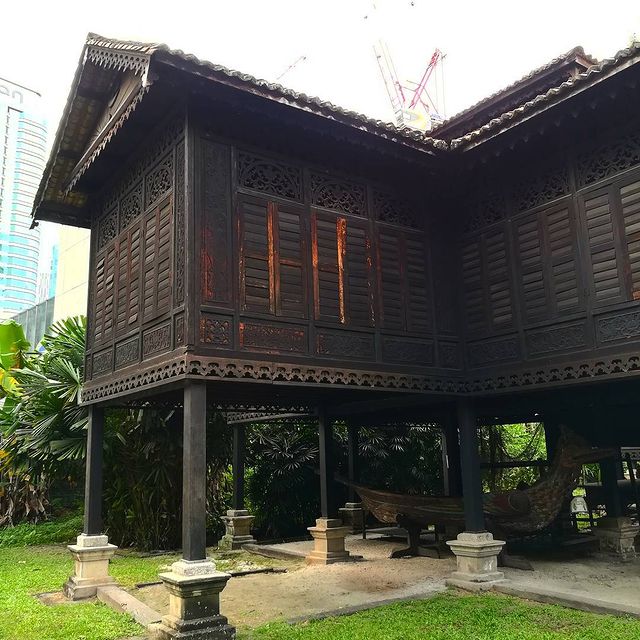
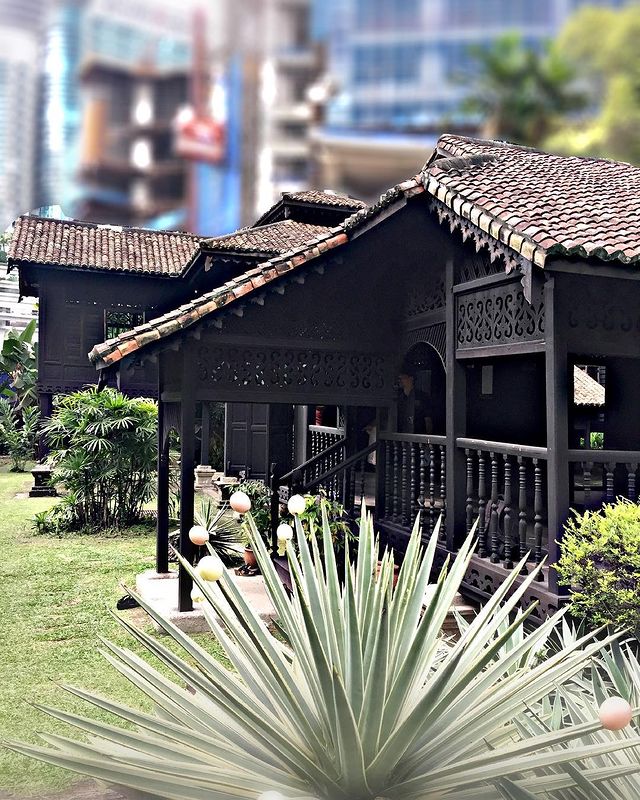
The Rumah Penghulu Abu Seman is one of the most important surviving examples of traditional Malay architecture in Kuala Lumpur. Originally built in Kedah between 1910 and 1930, the house was dismantled, relocated, and meticulously reconstructed by Badan Warisan Malaysia. Built entirely without nails, it reflects the ingenuity of traditional craftsmanship, with intricate carvings, ventilation features, and elevated flooring designed for tropical living. Today, it offers a rare glimpse into pre-urban Malay life within the modern city.
Highlights:
- Traditional Malay timber house (no nails construction)
- Relocated and preserved by Badan Warisan Malaysia
- Elevated structure for ventilation and flood protection
- Cultural workshops and heritage programmes occasionally held
2. Vivekananda Ashrama
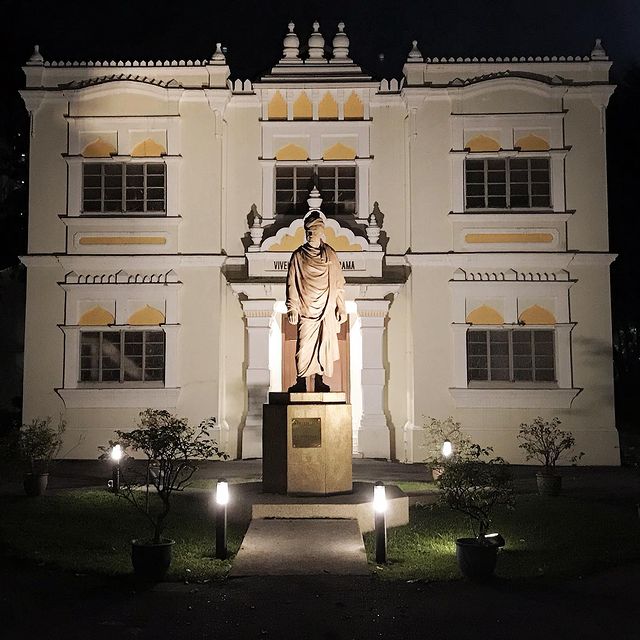
Located in the heart of Brickfields, the Vivekananda Ashrama stands as a symbol of Kuala Lumpur’s Indian community heritage. Established in the early 1900s and inspired by the teachings of Swami Vivekananda, the building served as a centre for education, spirituality, and community gatherings. Its colonial-era architecture combined with cultural significance makes it one of the most meaningful yet overlooked heritage sites in the city.
Highlights:
- Established in early 20th century
- Strong connection to Indian spiritual and cultural history
- Located in Brickfields (“Little India”)
- One of the oldest surviving community institutions in KL
3. Rumah Tangsi
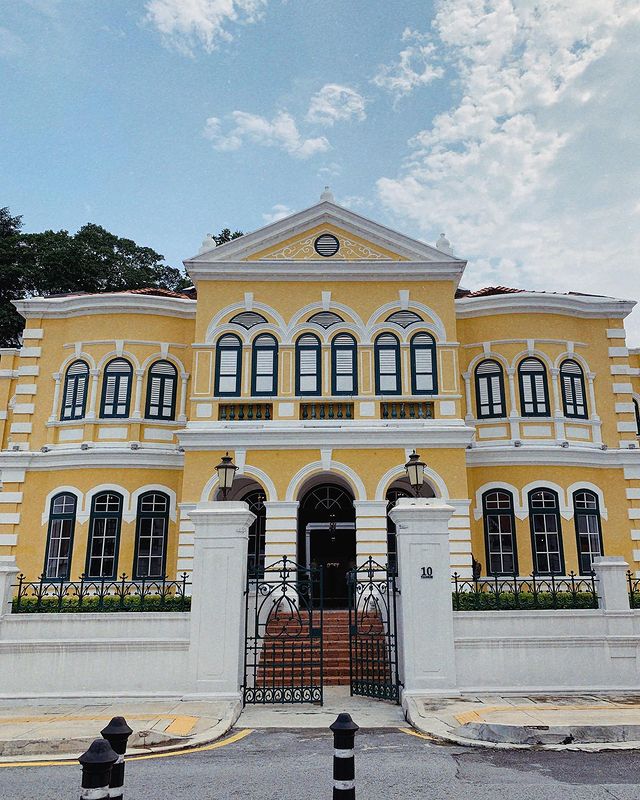
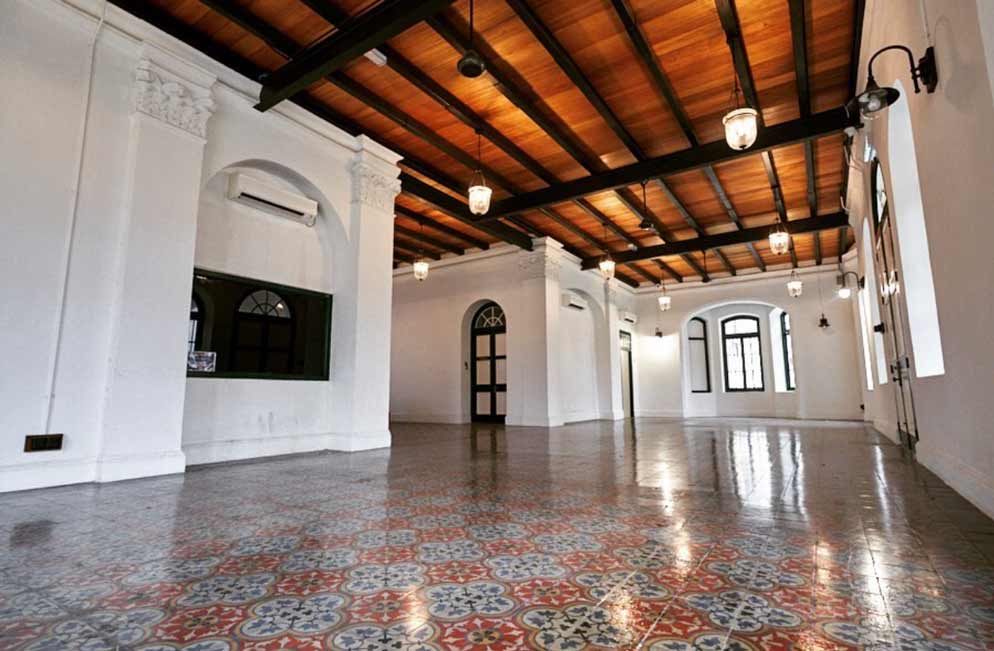
The striking Rumah Tangsi is a beautifully restored mansion originally built by Loke Chow Kit, a prominent businessman in early Kuala Lumpur. With its distinctive yellow façade and European architectural style, the building stands out among KL’s heritage structures. Over the decades, it has served multiple purposes — from residence to government offices — and today functions as a cultural and event space.
Highlights:
- Built by Loke Chow Kit (early KL entrepreneur)
- Unique European-style architecture in KL
- Distinctive bright yellow exterior
- Now used as event and cultural venue
Read more about: Rumah Tangsi
4. Bangunan Sulaiman
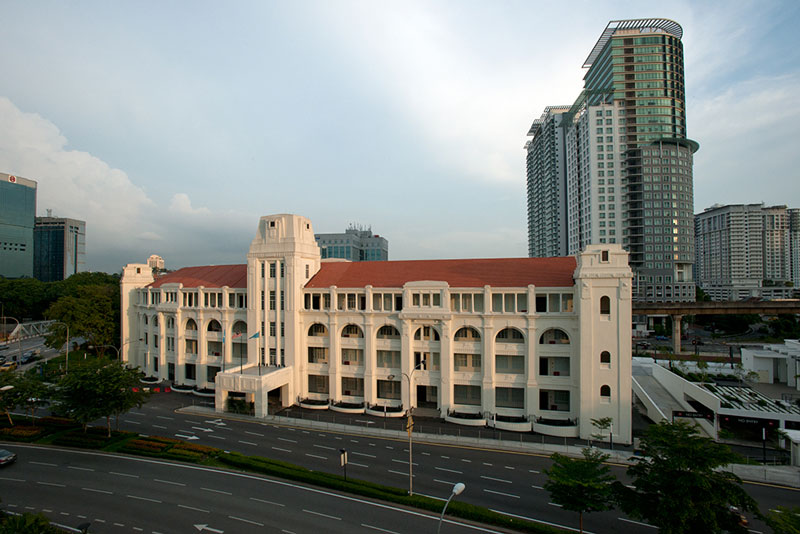
Bangunan Sulaiman is one of the earliest administrative buildings in Kuala Lumpur, dating back to the early 20th century. It played a key role in housing a variety of government offices, including the Syariah court. The building reflects both colonial influence and local governance, making it an important symbol of Malaysia’s identity within Kuala Lumpur’s urban development.
Highlights:
- Represents early governance and land preservation
- Rare surviving administrative heritage building
5. Rumah Pusaka Chow Kit
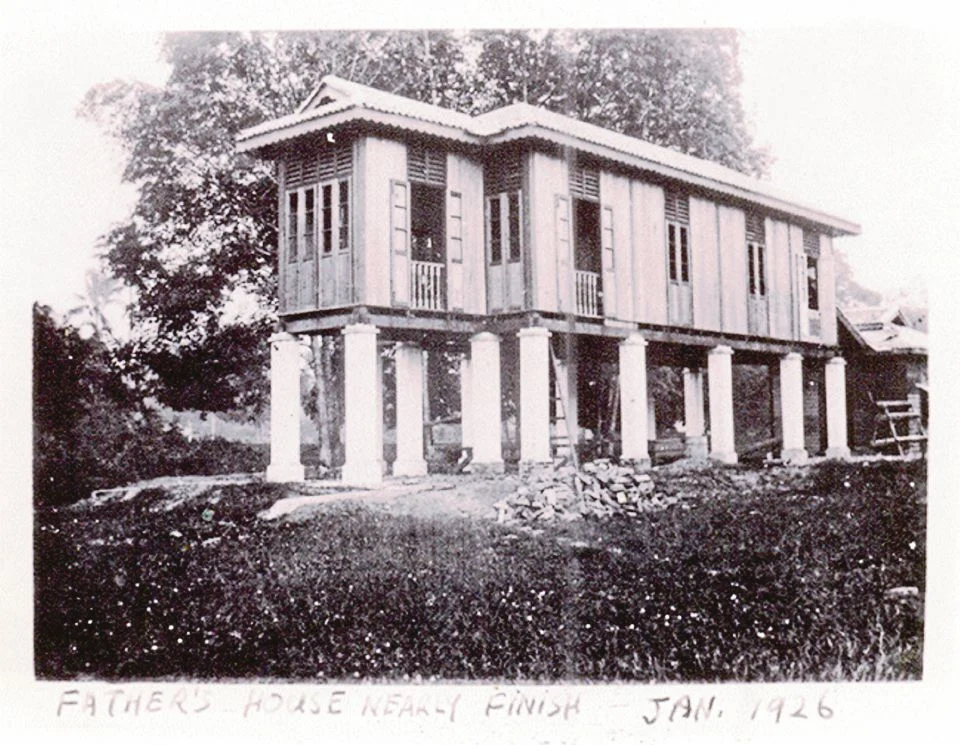
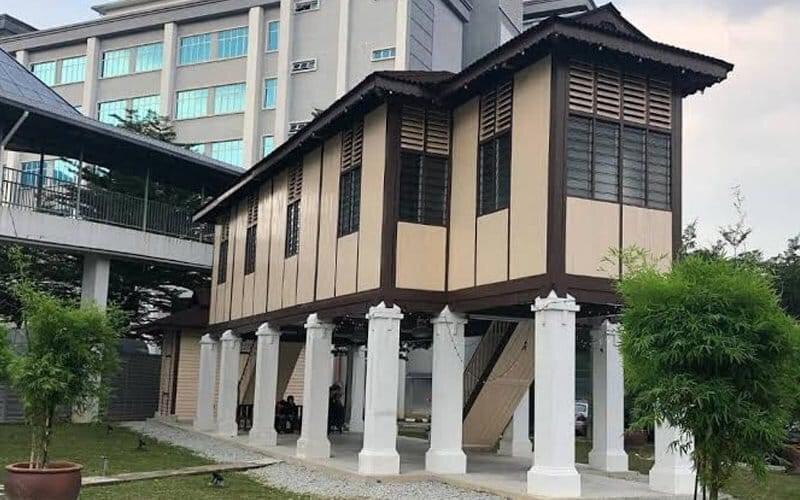
The Rumah Pusaka Chow Kit is a lesser-known relic of Kuala Lumpur’s past, quietly standing in one of the city’s busiest districts. This traditional Malay house reflects the kampung lifestyle that once dominated the area before urbanisation transformed it into a dense commercial zone. Its survival offers a powerful contrast between old and new Kuala Lumpur.
Highlights:
- Rare kampung-era house in Chow Kit
- Represents pre-urban Kuala Lumpur living
- Strong contrast against surrounding modern development
- Symbol of disappearing heritage landscape
6. Oriental Building
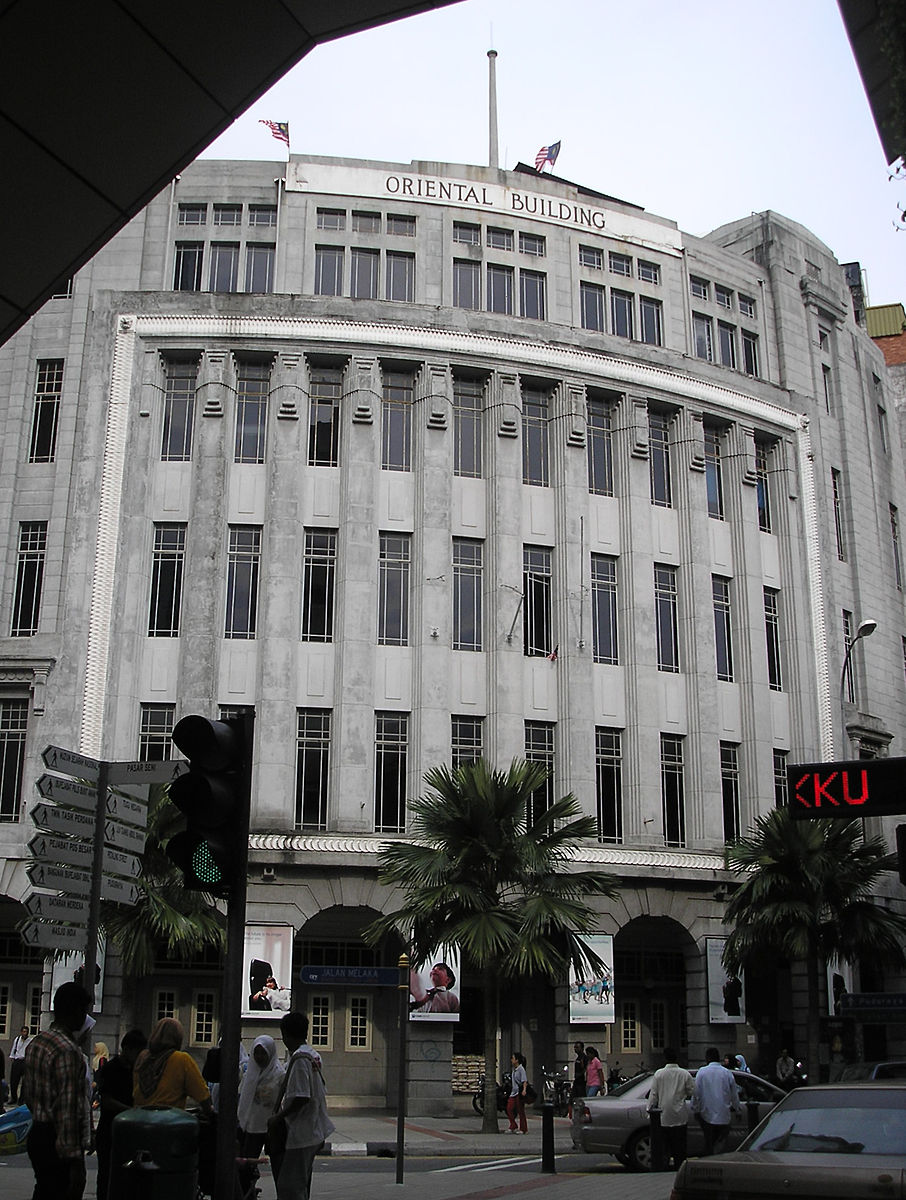
The Oriental Building is a fine example of early commercial architecture influenced by Art Deco design. Located in the city centre, it once housed businesses that contributed to Kuala Lumpur’s economic growth during the colonial era. Its geometric lines and façade details reflect a transition period in architectural styles.
Highlights:
- Art Deco architectural influence
- Early commercial building in KL
- Located near historic core of the city
- Reflects economic growth during colonial period
7. Kuala Lumpur City Library
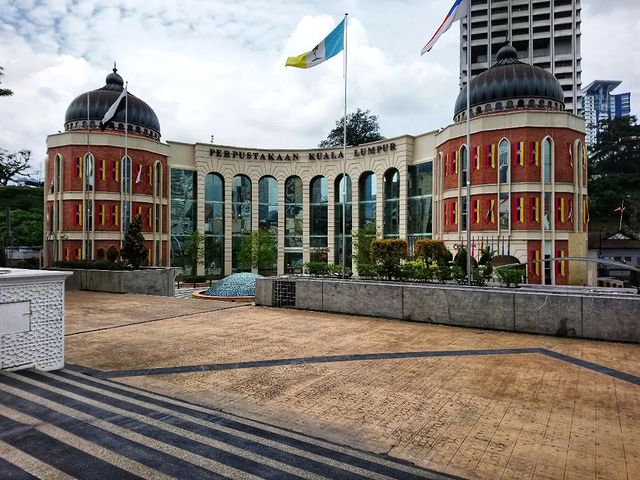
Situated near Merdeka Square, the Kuala Lumpur City Library is often overshadowed by more famous landmarks nearby. Originally built as a government printing office during the colonial era, it has since been repurposed into a public library. Its understated presence and historical value make it an underrated stop for those exploring the area.
Highlights:
- Colonial-era administrative building
- Repurposed into a public library
- Located near Merdeka Square
- Often overlooked despite central location
8. Kuala Lumpur City Theatre
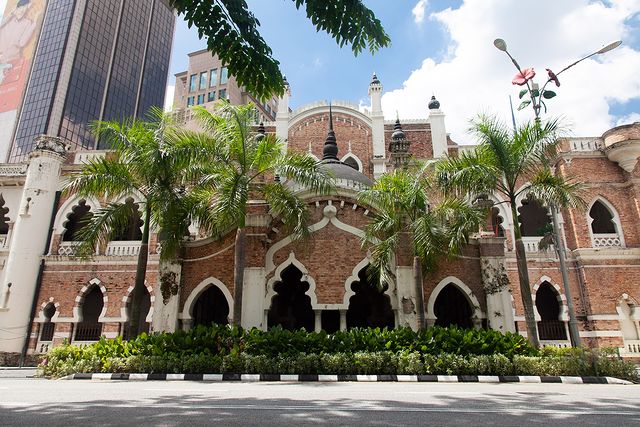
The Kuala Lumpur City Theatre is widely recognised today because of the iconic “I ❤️ KL” sign, but the building itself dates back to the colonial period. It once served as a venue for performances and gatherings, contributing to Kuala Lumpur’s early cultural and entertainment scene.
Highlights:
- Historic theatre and performance venue
- Famous “I ❤️ KL” photo spot
- Located near Merdeka Square
- Part of KL’s early cultural scene
9. Rubber Research Institute Building
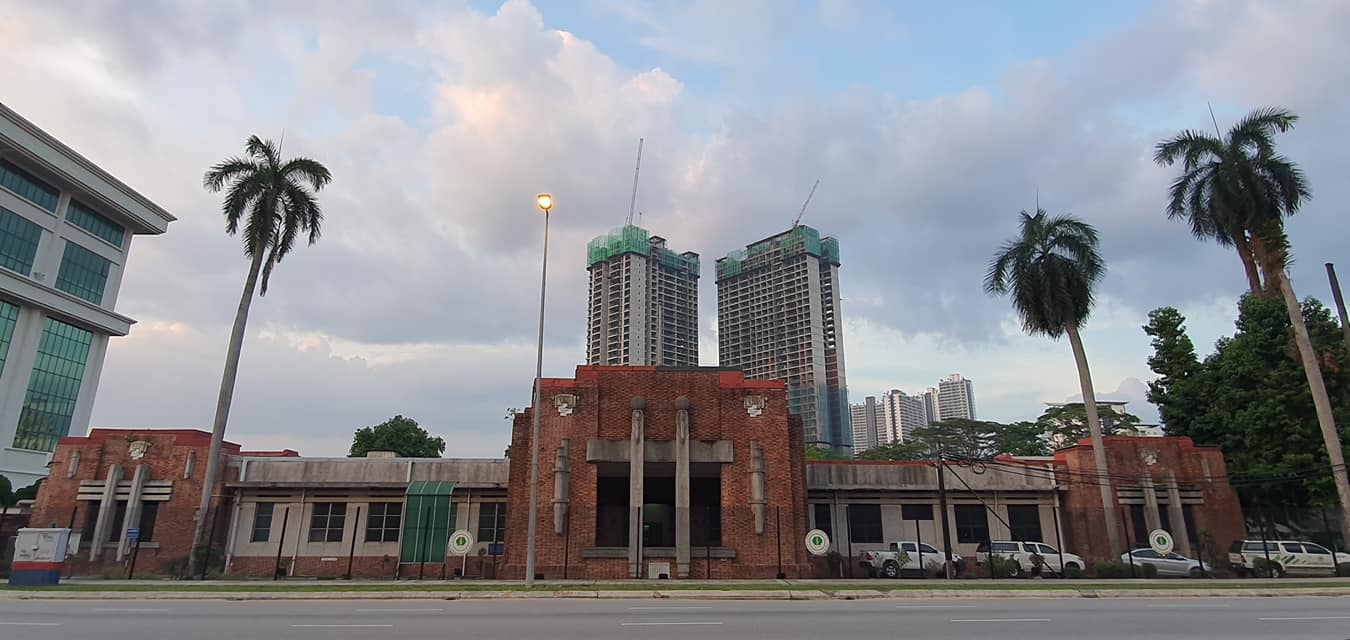
The Rubber Research Institute Malaysia building represents a crucial chapter in Malaysia’s economic history. During the early to mid-20th century, rubber was one of the country’s most important exports, and this institute played a key role in research and development. The building reflects both scientific advancement and colonial economic priorities.
Highlights:
- Central to Malaysia’s rubber industry development
- Represents economic and agricultural history
- Colonial-era institutional architecture
- Important research legacy
10. Loke Mansion
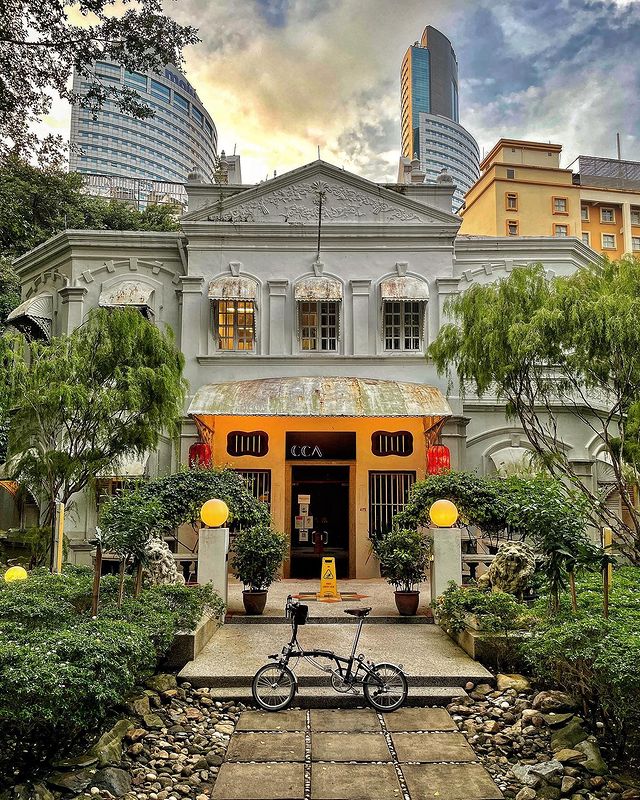
Loke Mansion, is a preserved mansion associated with the influential Loke family. The building reflects the wealth and prominence of early Chinese entrepreneurs in Kuala Lumpur. Today, it has been revitalised and repurposed as the home to Cheang & Ariff law firm.
Highlights:
- Linked to prominent Loke family
- Restored and adaptively reused
- Blend of heritage and modern function
11. Seri Negara
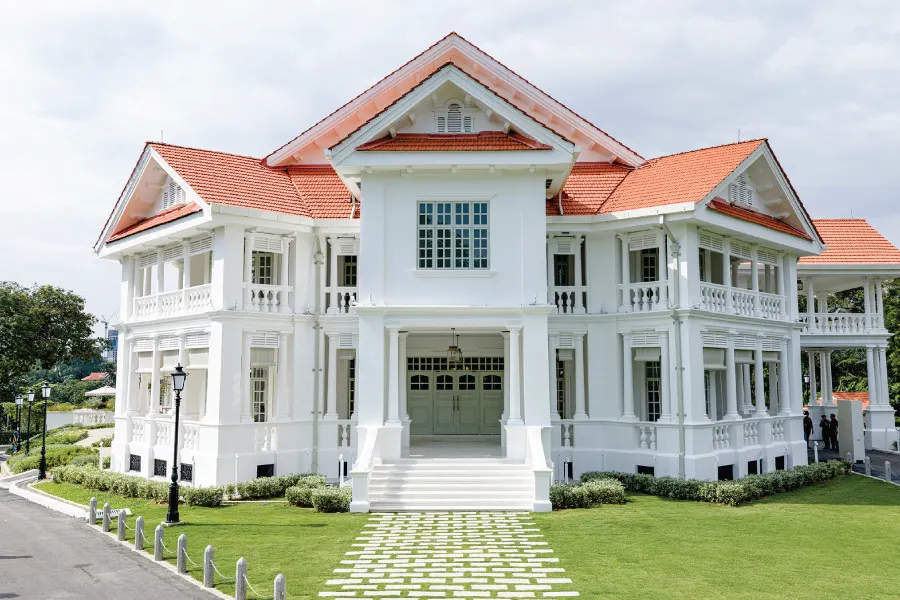
Seri Negara was once the official guest house of Governor of the Straits Settlement. It was later renamed King’s House, followed by Istana Tetamu, before receiving the name Seri Negara that we recognise today. The house witnessed defining milestones, including the signing of the Federation of Malaya Agreement in 1948 and the Independence Agreement in 1957, key moments that paved the way towards nationhood.
Today, Seri Negara begins a new life as a public cultural space, restored and revitalised to honour its legacy as the cradle of national identity.
Highlights:
- Pivotal venue for decision-making that shaped the country’s future
- Linked to Malaysia’s political history
- Post-independence heritage significance
Why These Hidden Buildings Matter
These lesser-known structures:
- Tell stories beyond tourism postcards
- Reflect multi-cultural influences (Malay, Chinese, Indian, colonial)
- Preserve identity in a rapidly modernising city
They are essential for understanding Kuala Lumpur not just as a capital city — but as a living historical landscape.
How to Explore These Places
- Combine visits with nearby areas like:
- Kampung Baru
- Brickfields
- Merdeka Square
- Visit during daytime for architecture appreciation
- Pair with heritage walks or self-guided tours
FAQs
What are the lesser-known historical buildings in Kuala Lumpur?
Some of the lesser-known historical buildings in Kuala Lumpur include the Rumah Penghulu Abu Seman, Vivekananda Ashrama, Rumah Tangsi, Bangunan Sulaiman, and Loke Mansion. These buildings are often overshadowed by major landmarks but offer deeper insights into Kuala Lumpur’s cultural and historical development.
Why are some historical buildings in Kuala Lumpur not well known?
Many historical buildings in Kuala Lumpur are less well known because they are not heavily promoted in tourism campaigns and are often located within residential or commercial neighbourhoods. Unlike major landmarks such as Merdeka Square, these sites may lack signage, accessibility, or commercialisation, making them less visible to casual visitors.
Are these hidden heritage buildings open to the public?
It depends on the building. Some, like Rumah Tangsi and Seri Negara are accessible on certain hours, during events or public programmes. Others, such as Bangunan Sulaiman and Loke Mansion are used as private offices, and therefore public are not allowed to visit.
What is the best way to explore historical buildings in Kuala Lumpur?
The best way to explore Kuala Lumpur’s historical buildings is by grouping them into neighbourhood clusters such as Kampung Baru, Brickfields, and the city centre around Merdeka Square. Combining public transport with short walking routes allows for a more efficient and immersive experience.
How do these buildings reflect Kuala Lumpur’s history?
These buildings reflect Kuala Lumpur’s evolution from a tin mining settlement into a modern capital city. They showcase influences from Malay, Chinese, Indian, and colonial communities, highlighting different phases of development — from traditional kampung life and early commerce to political and institutional growth.
Are historical buildings in Kuala Lumpur protected?
Many historical buildings in Kuala Lumpur are protected under heritage conservation efforts, either at national or local levels. However, some remain vulnerable to redevelopment due to urban pressure, making awareness and preservation increasingly important.
What is the difference between landmarks and hidden historical buildings?
Landmarks are widely recognised, heavily promoted, and often iconic structures such as the Petronas Twin Towers. Hidden historical buildings, on the other hand, are lesser-known sites that may not attract large crowds but offer equally valuable historical and cultural significance.
Can I visit these places in one day?
Yes, it is possible to visit several of these buildings in one day if you plan your route efficiently. Focus on clusters such as the city centre and Kampung Baru, and use public transport to move between areas like Brickfields. A half-day to full-day itinerary is usually sufficient.
Are these places suitable for tourists or only locals?
These historical buildings are suitable for both tourists and locals. In fact, they offer a more authentic and less commercialised perspective of Kuala Lumpur, making them especially valuable for travellers who want to go beyond typical tourist attractions.
When is the best time to visit historical buildings in Kuala Lumpur?
The best time to visit is in the morning or late afternoon when the weather is cooler and lighting is better for photography. Kuala Lumpur’s tropical climate can be hot and humid during midday, especially when exploring multiple locations on foot.
Are there guided heritage tours available in Kuala Lumpur?
Yes, there are guided heritage tours available, particularly around the city centre and Merdeka Square. However, many of these lesser-known buildings are best explored through self-guided routes, allowing you to discover hidden details at your own pace.