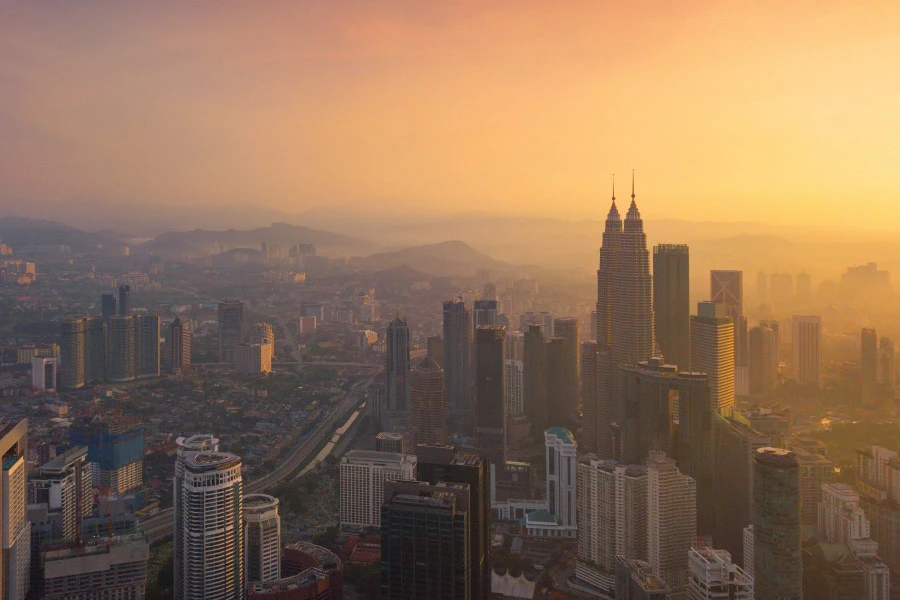
Kuala Lumpur is a city of contrasts. Modern skyscrapers stand beside old shophouses, luxury malls exist just minutes away from traditional wet markets, and peaceful residential enclaves sit close to some of Southeast Asia’s busiest commercial districts.
While many visitors only know areas like Bukit Bintang or KLCC, the city is actually made up of dozens of neighbourhoods — each with its own atmosphere, lifestyle, food culture, architecture, and rhythm.
Some neighbourhoods are famous for nightlife and shopping, while others are loved for cafés, heritage streets, local food, parks, luxury living, or creative culture. Understanding Kuala Lumpur’s neighbourhoods can completely change the way you experience the city.
Whether you are:
- visiting Kuala Lumpur for the first time,
- deciding where to stay,
- planning to move here,
- searching for food and cafés,
- exploring local culture,
- or simply curious about the city,
this guide breaks down the major neighbourhoods and districts across Kuala Lumpur and the Klang Valley.
Understanding Kuala Lumpur’s Neighbourhoods
One thing that confuses many first-time visitors is that “Kuala Lumpur” often refers to both:
- the actual Federal Territory of Kuala Lumpur, and
- the wider Greater Kuala Lumpur / Klang Valley region.
In reality, many areas commonly associated with Kuala Lumpur are technically located in neighbouring Selangor, including places like:
- Petaling Jaya
- Subang Jaya
- Shah Alam
- Puchong.
However, from a lifestyle and travel perspective, they function as part of the same urban ecosystem.
Kuala Lumpur itself can generally be divided into:
- the city centre,
- heritage districts,
- lifestyle neighbourhoods,
- suburban residential areas,
- and modern mixed developments.
Each area offers a completely different side of the city.
For the wider region, check out the neighbourhoods around Greater Kuala Lumpur.
Kuala Lumpur City Centre (KLCC)
KLCC is the modern heart of Kuala Lumpur and the city’s most iconic district. Best known for the towering Petronas Twin Towers, KLCC is where visitors will find luxury hotels, shopping malls, rooftop bars, corporate towers, and major tourist attractions all within one central area.
Compared to many parts of Kuala Lumpur, KLCC is also relatively walkable, especially around KLCC Park and the pedestrian walkway connecting the district to Bukit Bintang. The neighbourhood is highly popular among first-time visitors, business travellers, and those looking for a more upscale city experience.
What Makes KLCC Special?
- Home to the Petronas Twin Towers
- Luxury hotels and serviced residences
- Upscale shopping at Suria KLCC
- Rooftop bars and fine dining
- Green urban spaces at KLCC Park
- Convenient LRT and city centre connectivity
Top Attractions in KLCC
- Petronas Twin Towers
- KLCC Park
- Suria KLCC
- Aquaria KLCC
- Kuala Lumpur Convention Centre
Check this out for the full guide: KLCC Area Guide
Bukit Bintang
Bukit Bintang is Kuala Lumpur’s main entertainment, shopping, and nightlife district. Busy from day to night, the area is filled with shopping malls, cafés, bars, hotels, street food spots, and tourist attractions, making it one of the liveliest neighbourhoods in the city.
The neighbourhood is especially popular among younger travellers and visitors who want to stay close to Kuala Lumpur’s nightlife and dining scene. Despite its modern atmosphere, Bukit Bintang also blends local street food culture with luxury lifestyle experiences, especially around areas like Jalan Alor and Changkat Bukit Bintang.
What Makes Bukit Bintang Special?
- Kuala Lumpur’s main shopping and entertainment hub
- Vibrant nightlife and bar scene
- Famous street food at Jalan Alor
- Wide range of hotels from budget to luxury
- Walkable connection to KLCC
For the full Bukit Bintang Guide: Bukit Bintang Area Guide
Bangsar
Bangsar is one of Kuala Lumpur’s most popular lifestyle neighbourhoods, known for its cafés, restaurants, bars, and vibrant social scene. Compared to the busy city centre, Bangsar offers a more local and community-driven atmosphere while still remaining highly modern and connected.
The area attracts young professionals, creatives, expats, and locals looking for good food, café culture, and nightlife. From brunch spots and specialty coffee cafés to cocktail bars and upscale dining, Bangsar is often seen as one of Kuala Lumpur’s trendiest neighbourhoods.
What Makes Bangsar Special?
- Strong café and brunch culture
- Popular nightlife and bar scene
- Mix of modern lifestyle and older neighbourhood charm
- Wide range of restaurants and eateries
- Popular among locals, expats, and creatives
Top Things to Do in Bangsar
- Café hopping and brunch hunting
- Explore bars and nightlife spots
- Discover boutique stores and lifestyle spaces
- Try local and international dining options
- Enjoy a slower, more residential side of Kuala Lumpur
Explore more about Bangsar in this area guide: Bangsar Area Guide
Mont Kiara
Mont Kiara is one of Kuala Lumpur’s most established expatriate neighbourhoods, known for its luxury condominiums, international schools, cafés, and modern residential lifestyle. Located slightly outside the city centre, the area offers a quieter and more suburban atmosphere compared to places like KLCC or Bukit Bintang.
Mont Kiara is especially popular among families, long-term visitors, and the international community due to its convenience, safety, and strong selection of dining and lifestyle options. The neighbourhood also has a strong Japanese and Korean influence, reflected in many of its restaurants, supermarkets, and cafés.
What Makes Mont Kiara Special?
- Popular expatriate and family-friendly neighbourhood
- Luxury condominiums and serviced residences
- International schools and modern amenities
- Strong Japanese and Korean dining scene
- More peaceful and residential atmosphere
Top Things to Do in Mont Kiara
- Explore cafés and international restaurants
- Visit lifestyle malls and supermarkets
- Experience Japanese and Korean food culture
- Enjoy a quieter side of Kuala Lumpur
- Stay in modern serviced residences for longer trips
Check out this guide about Mont Kiara: Mont Kiara Area Guide
Petaling Street (Chinatown)
Petaling Street is one of Kuala Lumpur’s oldest and most culturally significant neighbourhoods. Often referred to as Chinatown, the area is known for its heritage shophouses, bustling markets, temples, street food, and growing café and creative scene.
Over the years, Petaling Street has evolved beyond its traditional market image into a lively cultural district where old Kuala Lumpur meets modern urban culture. Visitors can explore hidden cafés, speakeasy bars, boutique stays, and restored heritage lanes while still experiencing the neighbourhood’s strong local character.
What Makes Petaling Street Special?
- Historic Chinatown district of Kuala Lumpur
- Heritage buildings and old shophouses
- Famous street food and local eateries
- Blend of traditional culture and modern cafés
- Popular for photography and cultural exploration
Top Attractions in Petaling Street
- Petaling Street Market
- Central Market
- Kwai Chai Hong
- Sin Sze Si Ya Temple
- Sri Maha Mariamman Temple
Top Things to Do in Petaling Street
- Try local street food and traditional coffee shops
- Explore heritage lanes and murals
- Visit temples and cultural landmarks
- Discover hidden cafés and bars
- Shop for souvenirs and local goods
Explore more about Petaling Street through this guide: Petaling Street (Chinatown) Area Guide
Chow Kit
Chow Kit is one of Kuala Lumpur’s most fascinating old-meets-new neighbourhoods. Historically known as a busy market and trading district, the area has gradually transformed into a creative urban neighbourhood filled with boutique hotels, cafés, restaurants, and cultural spaces while still retaining its strong local identity.
Unlike the polished atmosphere of KLCC or Bukit Bintang, Chow Kit feels more raw and authentic, offering visitors a glimpse into everyday Kuala Lumpur life. The neighbourhood is especially popular among photographers, food lovers, and travellers looking to explore a more local side of the city.
What Makes Chow Kit Special?
- Traditional market and local street culture
- Mix of heritage buildings and modern creative spaces
- Growing café and boutique hotel scene
- One of Kuala Lumpur’s most photogenic urban neighbourhoods
- Strong local food culture
Top Things to Do in Chow Kit
- Explore one of Kuala Lumpur’s oldest wet markets
- Try traditional Malay and local food
- Discover hidden cafés and boutique stays
- Experience everyday local city life
- Walk around the neighbourhood for street photography
Find out more about Chow Kit through this guide: Chow Kit Area Guide
Brickfields (Little India)
Brickfields, also known as Little India, is one of Kuala Lumpur’s most colourful and culturally vibrant neighbourhoods. Located beside KL Sentral, the area is filled with Indian restaurants, spice shops, flower garland stalls, temples, textile stores, and lively streets decorated with colourful arches and murals.
Brickfields is especially popular for its food culture, offering everything from banana leaf rice and briyani to thosai, Indian sweets, and traditional tea shops. Despite being highly urban and busy, the neighbourhood retains a strong cultural identity and remains one of the best places in Kuala Lumpur to experience the city’s Indian heritage.
What Makes Brickfields Special?
- Kuala Lumpur’s famous Little India district
- Rich Indian culture and heritage
- Excellent banana leaf rice and Indian food
- Colourful streets and traditional shops
- Convenient location beside KL Sentral
Top Attractions in Brickfields
- KL Sentral
- Vivekananda Ashram
- Indian temples and cultural landmarks
- Traditional textile and saree shops
Top Things to Do in Brickfields
- Enjoy banana leaf rice and local Indian cuisine
- Shop for spices, sweets, and traditional clothing
- Explore temples and cultural sites
- Walk through the colourful Little India streets
Check out the guide to Little India: Brickfields Area Guide
TTDI (Taman Tun Dr Ismail)
Taman Tun Dr Ismail, commonly known as TTDI, is one of Kuala Lumpur’s most popular suburban lifestyle neighbourhoods. Known for its cafés, parks, brunch spots, and relaxed atmosphere, the area is especially popular among young professionals, families, fitness enthusiasts, and café hoppers.
Compared to the busy city centre, TTDI offers a calmer and more residential side of Kuala Lumpur while still remaining highly connected to nearby areas like Bandar Utama, Damansara Heights, and Mont Kiara. The neighbourhood has also become well known for its café culture, weekend brunch scene, and outdoor lifestyle.
What Makes TTDI Special?
- Strong café and brunch culture
- Relaxed and family-friendly atmosphere
- Popular fitness and outdoor lifestyle area
- Mix of local eateries and modern cafés
- Convenient suburban location
Read more about TTDI: Taman Tun Dr Ismail Area Guide
Desa ParkCity
Desa ParkCity is one of Kuala Lumpur’s most modern and well-planned residential neighbourhoods. Known for its greenery, walkable streets, lakeside lifestyle, and family-friendly environment, the area offers a very different atmosphere compared to the busy city centre.
The neighbourhood is especially popular among families, expats, and locals looking for a quieter and more community-focused lifestyle. Desa ParkCity is also well known for its pet-friendly culture, outdoor spaces, cafés, and relaxed weekend atmosphere around the waterfront area.
What Makes Desa ParkCity Special?
- Modern master-planned neighbourhood
- Green and walkable environment
- Family and pet-friendly atmosphere
- Lakeside cafés and lifestyle spaces
- Peaceful suburban lifestyle
Top Things to Do in Desa ParkCity
- Walk or jog around the park and lake
- Enjoy café hopping and brunch spots
- Relax at pet-friendly outdoor spaces
- Experience a quieter side of Kuala Lumpur
- Visit during weekends for the lively community atmosphere
Pudu
Pudu is one of Kuala Lumpur’s most underrated food and culture neighbourhoods. Located just outside the city centre, the area is known for its traditional coffee shops, old-school eateries, local markets, and growing café scene.
While parts of Pudu still retain a gritty and nostalgic atmosphere, the neighbourhood has slowly evolved into a creative urban district filled with hidden cafés, boutique stays, bakeries, and lifestyle spaces. It is especially popular among food lovers and travellers looking to experience a more local side of Kuala Lumpur beyond the usual tourist areas.
What Makes Pudu Special?
- Strong local food culture
- Traditional coffee shops and hawker eateries
- Blend of old Kuala Lumpur and modern cafés
- More affordable stays near the city centre
- Popular for food hunting and café hopping
Top Things to Do in Pudu
- Explore local breakfast and street food
- Discover hidden cafés and dessert spots
- Walk around old shophouse streets
- Experience a more authentic side of Kuala Lumpur
- Stay near the city centre at a lower cost
Explore more about Pudu in the Pudu Area Guide.
Cheras
Cheras is a large residential and food-focused neighbourhood stretching across both Kuala Lumpur and Selangor. Known for its strong local community culture, the area has become one of the city’s most popular destinations for food hunting, night markets, cafés, and everyday suburban living.
Compared to the tourist-heavy city centre, Cheras offers a more authentic and local side of Kuala Lumpur, where visitors can explore traditional eateries, roadside hawker stalls, modern cafés, and busy commercial areas. The neighbourhood is especially lively during the evenings and weekends, with many locals gathering for food and nightlife.
What Makes Cheras Special?
- Strong local food culture
- Popular night market and supper spots
- Mix of traditional eateries and modern cafés
- Large residential and suburban community
- More affordable lifestyle compared to central KL
Top Things to Do in Cheras
- Go food hunting for local favourites
- Explore night markets and supper spots
- Discover hidden cafés and dessert places
- Experience suburban Kuala Lumpur lifestyle
- Visit local malls and entertainment areas
Find out more about Cheras in the Cheras Area Guide.
Damansara Heights
Damansara Heights is one of Kuala Lumpur’s most upscale and prestigious neighbourhoods. Known for its luxury residences, embassies, stylish cafés, and fine dining restaurants, the area offers a quieter and more refined atmosphere compared to the busy city centre.
Over the years, Damansara Heights has evolved into a lifestyle destination popular among professionals, expats, and affluent locals. The neighbourhood is especially known for its growing café culture, premium dining scene, and modern lifestyle developments while still maintaining a leafy and residential character.
What Makes Damansara Heights Special?
- Upscale residential and lifestyle neighbourhood
- Stylish cafés and fine dining restaurants
- Popular among professionals and expats
- More peaceful and less crowded atmosphere
- Convenient access to Bangsar and Mont Kiara
Sri Hartamas
Sri Hartamas is a vibrant lifestyle neighbourhood known for its international dining scene, nightlife, and strong expatriate community. Located beside Mont Kiara, the area is especially popular for its Japanese and Korean restaurants, cafés, bars, and late-night food culture.
Compared to the more polished atmosphere of Mont Kiara, Sri Hartamas feels slightly more casual and energetic, attracting young professionals, expats, and food lovers looking for a lively social scene. The neighbourhood is particularly active during the evenings, with many restaurants, pubs, and cafés staying busy late into the night.
What Makes Sri Hartamas Special?
- Strong Japanese and Korean food culture
- Popular nightlife and supper spot area
- Lively café and dining scene
- Popular among expats and young professionals
- Mix of casual and upscale lifestyle experiences
Mid Valley & KL Eco City
Mid Valley City and KL Eco City form one of Kuala Lumpur’s busiest shopping, business, and lifestyle districts. Strategically located between Kuala Lumpur and Petaling Jaya, the area is highly popular among both locals and travellers due to its connectivity, hotels, offices, and major shopping malls.
The district is centred around Mid Valley Megamall and The Gardens Mall, two of the city’s most visited retail destinations. Over the years, KL Eco City has added modern office towers, residences, cafés, and lifestyle spaces, transforming the area into a major mixed-use urban hub.
What Makes Mid Valley & KL Eco City Special?
- One of Kuala Lumpur’s biggest shopping districts
- Excellent public transport connectivity
- Mix of business, retail, hotels, and residences
- Popular staycation and meeting spot
- Convenient location between KL and PJ
Setapak
Setapak is a lively residential neighbourhood located on the western side of Kuala Lumpur. Known for its strong local community, affordable food scene, and student population, the area offers a more everyday and suburban side of the city compared to tourist-focused districts like KLCC or Bukit Bintang.
Setapak is especially popular among students and young families due to the presence of universities, shopping malls, and affordable housing. Over the years, the neighbourhood has also developed a growing café and food culture, with plenty of local eateries, supper spots, and casual hangout spaces spread throughout the area.
What Makes Setapak Special?
- Strong local and student community
- Affordable food and living costs
- Mix of traditional eateries and modern cafés
- Convenient suburban location
- Busy local nightlife and supper culture
Sentul
Sentul is a historic neighbourhood that has transformed from a former railway and industrial district into one of Kuala Lumpur’s emerging creative and lifestyle areas. While parts of Sentul still retain traces of old Kuala Lumpur, the neighbourhood now features modern developments, cafés, parks, arts spaces, and residential communities.
The area is especially popular among locals looking for a quieter and more relaxed atmosphere away from the busy city centre. Sentul also has a growing reputation for creative events, urban green spaces, and modern community-focused developments.
What Makes Sentul Special?
- Blend of old industrial heritage and modern development
- Growing creative and arts scene
- Green spaces and parks
- More peaceful atmosphere compared to central KL
- Emerging café and lifestyle culture
Best Areas in Kuala Lumpur (By Purpose)
Best Area for First-Time Visitors
KLCC is ideal for first-time visitors who want to stay close to Kuala Lumpur’s most famous landmarks, luxury hotels, shopping malls, and major tourist attractions.
Bukit Bintang is perfect for travellers who enjoy nightlife, shopping, entertainment, and being surrounded by cafés, bars, and busy city energy.
Best Area for Food & Cafés
Bangsar is one of Kuala Lumpur’s top lifestyle neighbourhoods for café hopping, brunch culture, modern dining, and vibrant nightlife experiences.
TTDI offers a relaxed suburban atmosphere filled with cafés, bakeries, brunch spots, and local eateries popular among young professionals and families.
Pudu is highly popular for traditional coffee shops, hidden cafés, local street food, and old-school eateries that showcase Kuala Lumpur’s food culture.
Chinatown combines heritage streets, local food, hidden bars, boutique cafés, and cultural experiences within one of Kuala Lumpur’s oldest districts.
Best Area for Luxury Stays
KLCC & Bukit Bintang offers many of Kuala Lumpur’s top luxury hotels, serviced residences, rooftop bars, and premium shopping experiences within the city centre.
Damansara Heights provides a quieter and more upscale lifestyle atmosphere with stylish cafés, fine dining restaurants, and luxury residential surroundings.
Mont Kiara is popular among expats and long-term visitors seeking luxury condominiums, international lifestyle amenities, and family-friendly living.
Best Area for Budget-Travellers
Chinatown offers affordable hotels, hostels, local food, and convenient access to public transport while maintaining strong cultural and heritage appeal.
Pudu provides budget-friendly stays near the city centre alongside local food spots, cafés, markets, and a more authentic Kuala Lumpur experience.
Brickfields is a convenient and affordable neighbourhood beside KL Sentral, making it easy for travellers to move around the city by rail.
Best Area for Nightlife
Bukit Bintang is Kuala Lumpur’s main nightlife district, filled with bars, clubs, rooftop lounges, live music venues, and late-night dining spots.
Bangsar offers a more lifestyle-oriented nightlife scene with cocktail bars, pubs, cafés, and social spaces popular among locals and expats.
Sri Hartamas is well known for its lively Japanese and Korean dining scene, bars, supper spots, and expat-focused nightlife culture.
Best Area for Families
Desa ParkCity is one of Kuala Lumpur’s most family-friendly neighbourhoods, known for its parks, greenery, walkable design, and peaceful atmosphere.
Mont Kiara is especially popular among families due to its international schools, spacious residences, and strong expatriate community environment.
TTDI offers a balanced suburban lifestyle with parks, cafés, family-friendly amenities, and a calmer atmosphere compared to central Kuala Lumpur.
Best Area for Local Experiences
Chow Kit offers a raw and authentic glimpse into everyday Kuala Lumpur life through its markets, local eateries, and traditional urban atmosphere.
Pudu combines traditional coffee shops, local markets, hidden cafés, and old-school food culture within one of Kuala Lumpur’s oldest neighbourhoods.
Cheras is popular for its suburban food culture, night markets, supper spots, and everyday local lifestyle beyond the main tourist areas.
Brickfields showcases Kuala Lumpur’s Indian heritage through colourful streets, banana leaf rice restaurants, spice shops, and cultural landmarks.
How to Choose the Right Area in Kuala Lumpur
When choosing a neighbourhood in Kuala Lumpur, consider:
- proximity to MRT/LRT stations
- type of experience (tourist vs local)
- budget
- food and lifestyle preferences
- purpose of stay (short-term vs long-term)
Each neighbourhood offers a different version of Kuala Lumpur — from fast-paced city life to slower, residential environments.
You can also explore:
Transportation Between Kuala Lumpur Neighbourhoods
One important thing to understand about Kuala Lumpur is that distances can sometimes feel misleading. Areas that look close on the map may still take time to reach due to traffic congestion, especially during weekday peak hours.
Fortunately, Kuala Lumpur is connected by a growing public transportation network that includes MRT, LRT, Monorail, KTM Komuter, buses and airport rail services.
Ride-hailing services such as Grab are also widely used and are often the most convenient way to travel between neighbourhoods that are less connected by rail.
Neighbourhoods such as KLCC, Bukit Bintang, Petaling Street, Brickfields and Chow Kit are relatively easy to explore using public transport and walking connections.
Meanwhile, suburban and residential areas such as Mont Kiara, Desa ParkCity, Cheras and Setapak are often more convenient by car or Grab, especially during evenings or weekends.
Tips for Getting Around Kuala Lumpur
- Use rail transport during peak traffic hours whenever possible
- Grab is convenient for shorter city trips and suburban neighbourhoods
- Some areas are more walkable than others, especially KLCC and Bukit Bintang
- MRT lines have improved connectivity to many residential neighbourhoods
- Staying near a rail station can make travelling around the city much easier
You can also explore:
Emerging & Creative Neighbourhoods in Kuala Lumpur
Kuala Lumpur is constantly evolving, and several neighbourhoods have become increasingly popular among younger locals, creatives, and entrepreneurs.
These include:
- Bangsar South
- Publika
- Taman Paramount
- Kampung Attap
- and parts of Sentul and Chow Kit.
These districts often feature:
- creative cafés,
- co-working spaces,
- boutique stores,
- independent brands,
- and modern urban culture.
FAQ
What is the best neighbourhood in Kuala Lumpur?
There is no single best neighbourhood in Kuala Lumpur. KLCC is ideal for luxury and sightseeing, Bukit Bintang is best for nightlife and shopping, while Bangsar and TTDI are popular for cafés and lifestyle culture.
Which area is best for tourists in Kuala Lumpur?
Most tourists stay around KLCC, Bukit Bintang, Chinatown, or Brickfields due to connectivity and attractions.
Is Kuala Lumpur walkable?
Certain areas like KLCC, Bukit Bintang, Chinatown, and parts of Bangsar are relatively walkable, but Kuala Lumpur overall remains a car-oriented city.
Which neighbourhood has the best food in Kuala Lumpur?
Food lovers often explore areas like Pudu, Bangsar, Chow Kit, Cheras, Brickfields, and Chinatown.
What is the safest neighbourhood in Kuala Lumpur?
Neighbourhoods like Desa ParkCity, Mont Kiara, TTDI, and Damansara Heights are generally considered among the safer and more upscale residential areas.
Is it better to stay in KLCC or Bukit Bintang?
KLCC is better for luxury and iconic landmarks, while Bukit Bintang is better for nightlife, shopping, and entertainment.
The beauty of Kuala Lumpur lies in its diversity.
Every neighbourhood reveals a different side of the city:
- modern skyscrapers in KLCC,
- nightlife in Bukit Bintang,
- heritage streets in Chinatown,
- café culture in Bangsar,
- local food in Pudu and Cheras,
- and peaceful suburban living in Desa ParkCity or Mont Kiara.
Exploring Kuala Lumpur by neighbourhood is one of the best ways to truly understand the city beyond its famous landmarks.
Instead of seeing Kuala Lumpur as one giant city, think of it as a collection of unique districts — each with its own culture, food, pace, and personality.
