Few streets in Kuala Lumpur offer a glimpse into the city’s early history quite like Jalan Tun H.S. Lee. Running through the heart of the old city centre, this historic road has witnessed Kuala Lumpur’s transformation from a muddy mining settlement into Malaysia’s modern capital.
Today, Jalan Tun H.S. Lee is known for its heritage buildings, religious landmarks, budget hotels, local eateries, and excellent public transport connections. Located between Chinatown, Merdeka Square, and the historic commercial districts of Kuala Lumpur, the street remains one of the most culturally significant roads in the city.
Whether you are exploring Kuala Lumpur’s heritage quarter, hunting for local food, or tracing the city’s origins, Jalan Tun H.S. Lee is a fascinating place to discover.
Where is Jalan Tun H.S. Lee?
Jalan Tun H.S. Lee runs through central Kuala Lumpur, connecting several historic neighbourhoods including Chinatown, Lebuh Ampang, and the vicinity of Merdeka Square.
The street intersects with many of the city’s oldest roads, including:
- Jalan Petaling
- Jalan Sultan
- Jalan Hang Kasturi
- Jalan Pudu
- Jalan Tun Tan Cheng Lock
- Lebuh Ampang
Its central location makes it a popular route for both visitors and locals moving between major attractions in the city centre.
The History of Jalan Tun HS Lee
Like many streets in old Kuala Lumpur, Jalan Tun H.S. Lee dates back to the late 19th century during the city’s tin-mining boom.
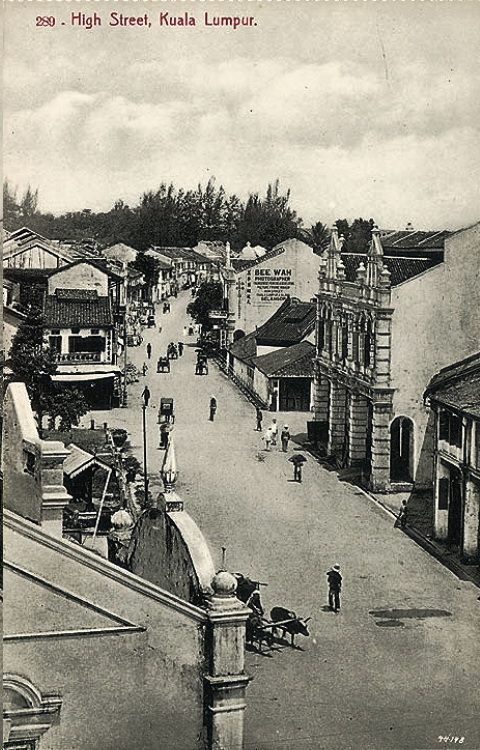
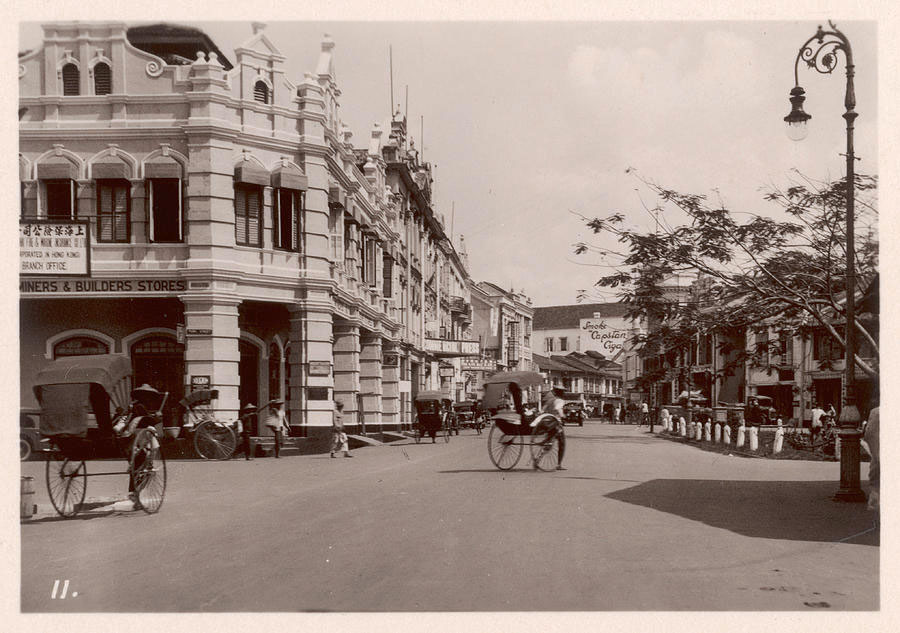
The road was originally known as High Street, one of the earliest commercial streets established when Kuala Lumpur began developing around the confluence of the Klang and Gombak Rivers.
During the colonial period, High Street became an important commercial and administrative area. Shophouses, banks, trading businesses, clan associations, and places of worship gradually emerged along the street, reflecting the multicultural nature of early Kuala Lumpur.
Subsequently it was renamed as Jalan Bandar as it is one of the main point of the city during that time. Finally in November 1988, the name was changed to Jalan Tun H S Lee.
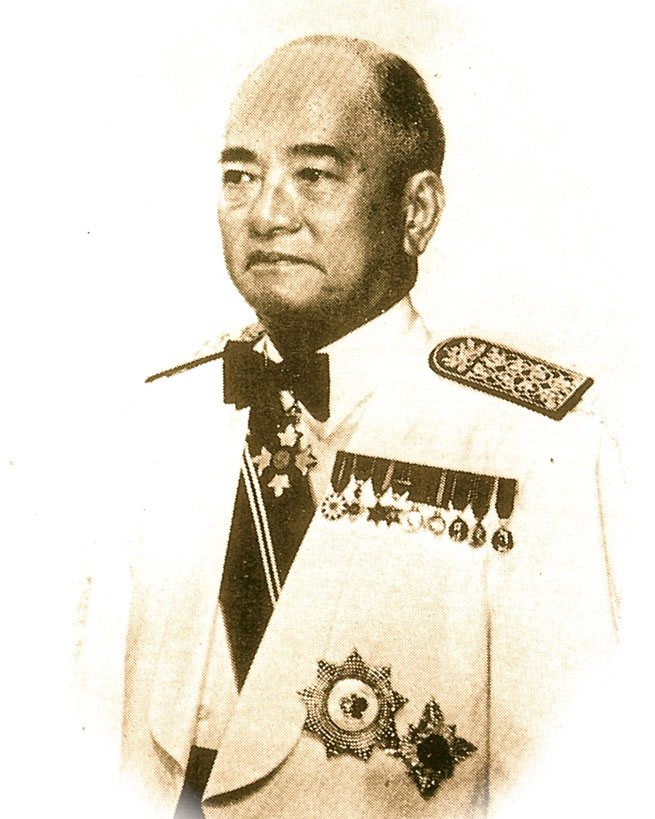
Who was Tun H S Lee?
Tun Henry Lee Hau Shik was Malaysia’s first Finance Minister. He was born in Guangdong province, China a obtained a law degree and a Masters in economics from Cambridge University. He arrived in Malaya in 1924 and got involved in the tin mining business.
In Malaya, he was actively participating in the community through various Chinese-based organisations, serving as President of the Selangor Chinese Chamber of Commerce, and a founding member of the Malaysian Chinese Association (MCA).
He also founded the China Press in 1945 and the Development and Commercial Bank (now RHB Bank) in 1966.
Tun H S Lee is one of the signatory for the Independence Agreement signed in London in 1957.
Why Jalan Tun H.S. Lee Matters to Kuala Lumpur
Jalan Tun H.S. Lee is more than just another city street.
It sits within the historic core of Kuala Lumpur, surrounded by some of the city’s oldest landmarks, including:
- Central Market
- Chinatown
- Sri Maha Mariamman Temple
- Guan Di Temple
- Sin Sze Si Ya Temple
- Merdeka Square
Together, these sites tell the story of how Kuala Lumpur evolved from a frontier mining town into a thriving metropolis.
For visitors interested in heritage tourism, Jalan Tun H.S. Lee offers one of the most authentic historical experiences in the city.
Religious Landmarks Along Jalan Tun H.S. Lee
One of the defining features of Jalan Tun H.S. Lee is its concentration of important religious sites.
Sri Maha Mariamman Temple
Established in 1873, Sri Maha Mariamman Temple is the oldest Hindu temple in Kuala Lumpur.
Its colourful South Indian-style gopuram tower has become one of the most recognisable landmarks in Chinatown. The temple continues to serve the local Hindu community and is particularly important during Thaipusam celebrations.
Visitors exploring Chinatown often combine their visit with nearby attractions such as Petaling Street and Central Market.
Guan Di Temple
Located near Petaling Street, Guan Di Temple is one of Kuala Lumpur’s most significant Chinese temples.
Dedicated to Guan Yu, the Chinese god of loyalty and righteousness, the temple attracts worshippers, tourists, and history enthusiasts alike.
Sin Sze Si Ya Temple
Often regarded as the oldest Taoist temple in Kuala Lumpur, Sin Sze Si Ya Temple was founded by Kapitan Yap Ah Loy, one of the most important figures in Kuala Lumpur’s early history.
The temple remains a key heritage landmark and offers insight into the city’s Chinese mining community during the 19th century.
Heritage Buildings and Architecture
Walking along Jalan Tun H.S. Lee reveals many examples of Kuala Lumpur’s architectural heritage.
Visitors can spot:
- Pre-war shophouses
- Art Deco commercial buildings
- Colonial-era structures
- Traditional five-foot ways
- Historic clan association buildings
Many of these structures have been restored and adapted into cafés, boutique hotels, offices, and cultural spaces.
The area is particularly attractive for photographers seeking a glimpse of old Kuala Lumpur beyond the city’s modern skyline.
Hotels and Accommodation Near Jalan Tun H.S. Lee
The street’s location near Chinatown makes it a convenient base for visitors exploring the city centre.
Accommodation options nearby include:
- Travelodge Chinatown Kuala Lumpur
- Four Points by Sheraton Kuala Lumpur, Chinatown
- Tian Jing Hotel
- Else Kuala Lumpur
- Hotel 1000 Miles
- Cosmo Hotel Kuala Lumpur
Travellers looking for heritage stays may also enjoy exploring boutique hotels around Chinatown and Central Market.
For those planning a broader city stay, our guide to where to stay in Kuala Lumpur can help you choose the most suitable neighbourhood.
Food and Eateries Around Jalan Tun H.S. Lee
The surrounding area offers a diverse mix of traditional and modern dining experiences.
Popular options include:
Chinatown Food Spots
The nearby Petaling Street area features:
- Hokkien mee
- Claypot chicken rice
- Wantan mee
- Chinese desserts
- Traditional coffee shops
Modern Cafés
Several heritage shophouses along the street and surrounding neighbourhoods have been converted into cafés, specialty coffee shops, and creative dining concepts.
Visitors can easily spend an entire day exploring both the food and heritage attractions around the area.
Public Transportation
One of Jalan Tun H.S. Lee’s biggest advantages is its accessibility.
Pasar Seni MRT Station
The nearest station is Pasar Seni MRT Station, located just a short walk away.
The station connects visitors to:
- Bukit Bintang
- Tun Razak Exchange (TRX)
- Muzium Negara
- Kajang
Pasar Seni LRT Station
The Kelana Jaya Line provides convenient access to:
- KLCC
- KL Sentral
- Subang Jaya
- Putra Heights
Go KL City Bus
Several free Go KL bus routes operate nearby, offering connections to major attractions across the city centre.
Those unfamiliar with the rail network may find our guide to using the MRT, LRT and Monorail in Kuala Lumpur useful before visiting.
Nearby Attractions to Combine with Your Visit
Central Market
Just a few minutes away, Central Market is one of Kuala Lumpur’s best-known cultural attractions, featuring handicrafts, souvenirs, local art, and heritage architecture.
Petaling Street
The heart of Chinatown remains one of the city’s most popular districts for food, shopping, and cultural exploration.
Merdeka Square
A short walk north brings visitors to Merdeka Square, where Malaysia’s independence was officially declared in 1957.
River of Life
The revitalised River of Life project showcases the historic confluence where Kuala Lumpur was founded.
Sultan Abdul Samad Building
One of Kuala Lumpur’s most iconic colonial landmarks, Sultan Abdul Samad building remains among the city’s most photographed heritage structures.
Frequently Asked Questions
Why is Jalan Tun H.S. Lee famous?
Jalan Tun H.S. Lee is one of Kuala Lumpur’s oldest streets and is known for its historical significance, heritage buildings, temples, and proximity to Chinatown.
What was Jalan Tun H.S. Lee previously called?
The street was originally known as High Street during the colonial era before being renamed in honour of Tun H.S. Lee.
Who was Tun H.S. Lee?
Tun H.S. Lee was a Malaysian statesman, founding member of MCA, and one of the key leaders involved in the country’s journey towards independence.
Which attractions are near Jalan Tun H.S. Lee?
Nearby attractions include Central Market, Petaling Street, Sri Maha Mariamman Temple, Guan Di Temple, Sin Sze Si Ya Temple, Merdeka Square, and the River of Life.
Which MRT station is closest to Jalan Tun H.S. Lee?
Pasar Seni MRT Station and Pasar Seni LRT Station are the nearest public transportation hubs.
Jalan Tun H.S. Lee represents the story of old Kuala Lumpur better than most streets in the city. From its origins as High Street to its role in modern Malaysia, the road offers visitors a rare opportunity to experience the city’s heritage, culture, religion, architecture, and food in one walkable district.
For anyone exploring Kuala Lumpur beyond the skyscrapers, Jalan Tun H.S. Lee remains one of the most rewarding streets to discover.