Few desserts suit Kuala Lumpur’s tropical weather quite like a towering bowl of finely shaved ice. From delicate Japanese kakigori flavoured with matcha and hojicha to creamy Korean bingsu piled with fruit, injeolmi and other toppings, the Klang Valley has plenty of ways to cool down.
Kakigori and bingsu may look similar at first glance, but each has its own character. Japanese kakigori typically places greater emphasis on finely shaved ice, syrups and carefully balanced flavours, while Korean bingsu frequently uses milk-based snow ice accompanied by generous toppings.
Whether you’re looking for a refreshing afternoon dessert or somewhere for a late-night sweet treat, here are some of the best places for kakigori and bingsu in Kuala Lumpur and the Klang Valley.
What Is Kakigori?
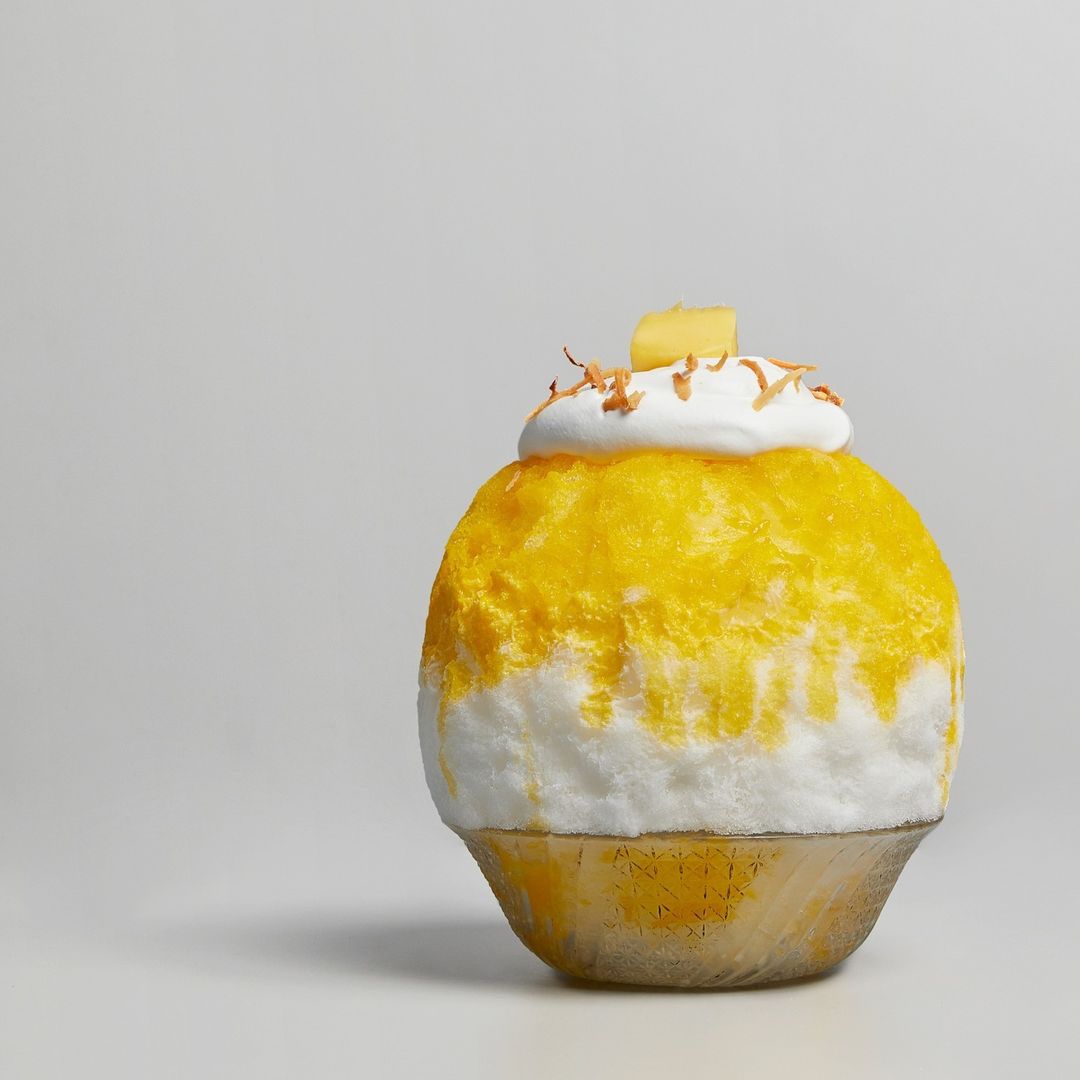
Kakigori is a Japanese shaved ice dessert traditionally made by shaving ice into an exceptionally fine, fluffy texture before adding syrups, fruit, tea, condensed milk or other toppings.
Modern kakigori cafés have taken the dessert much further, with flavours ranging from Japanese classics such as matcha and hojicha to strawberry, mango, chocolate and seasonal creations.
Unlike Malaysia’s ais kacang, where numerous ingredients are typically hidden beneath and around the ice, kakigori often focuses on the texture of the shaved ice and the flavour poured or layered throughout it.
If you enjoy local shaved ice desserts too, continue with our guide to the best ais kacang in Kuala Lumpur.
Kakigori vs Bingsu: What’s the Difference?
Kakigori comes from Japan, while bingsu is Korean.
Traditional kakigori generally features very finely shaved ice flavoured with syrup or other ingredients. Contemporary versions can be elaborate, but the quality and texture of the ice remain particularly important.
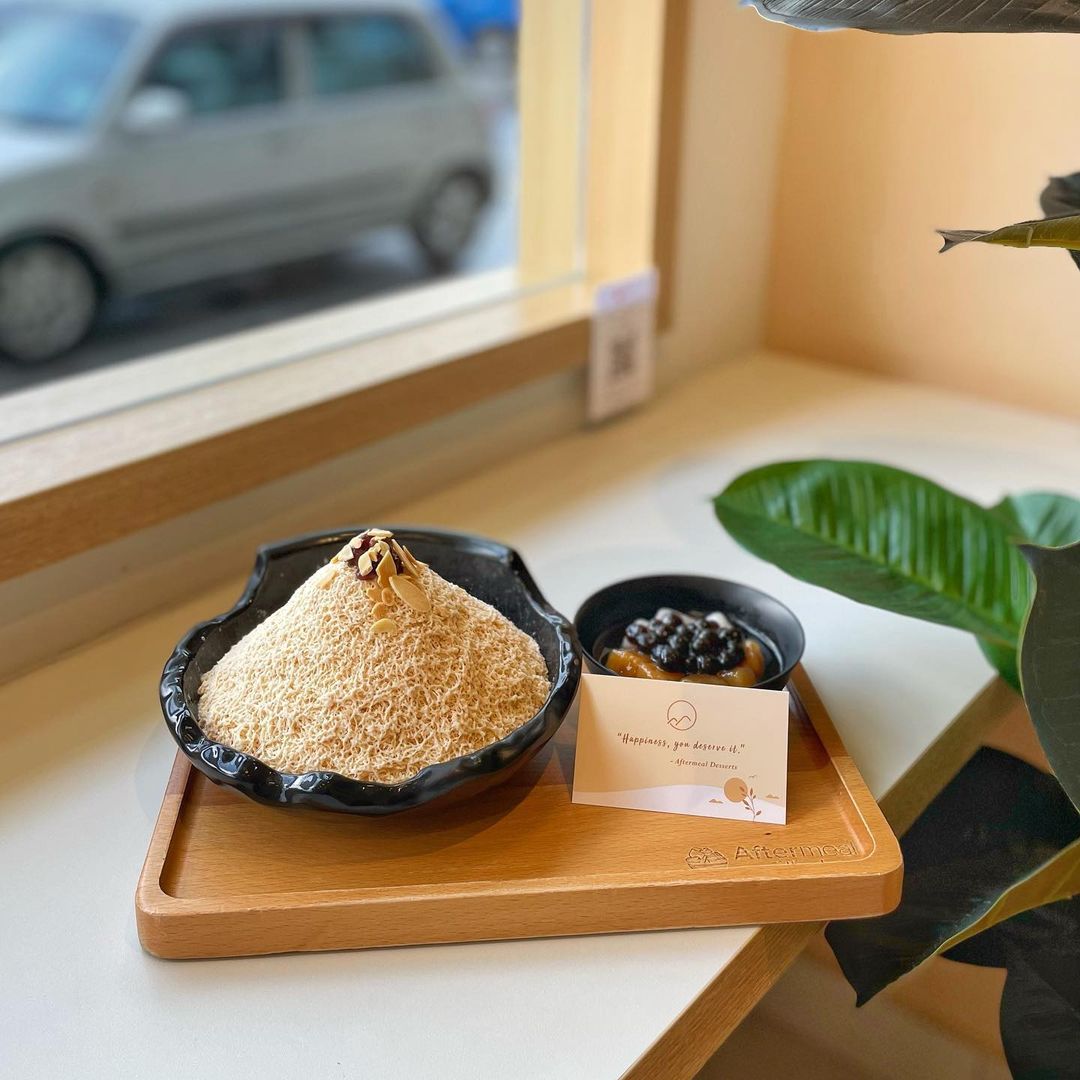
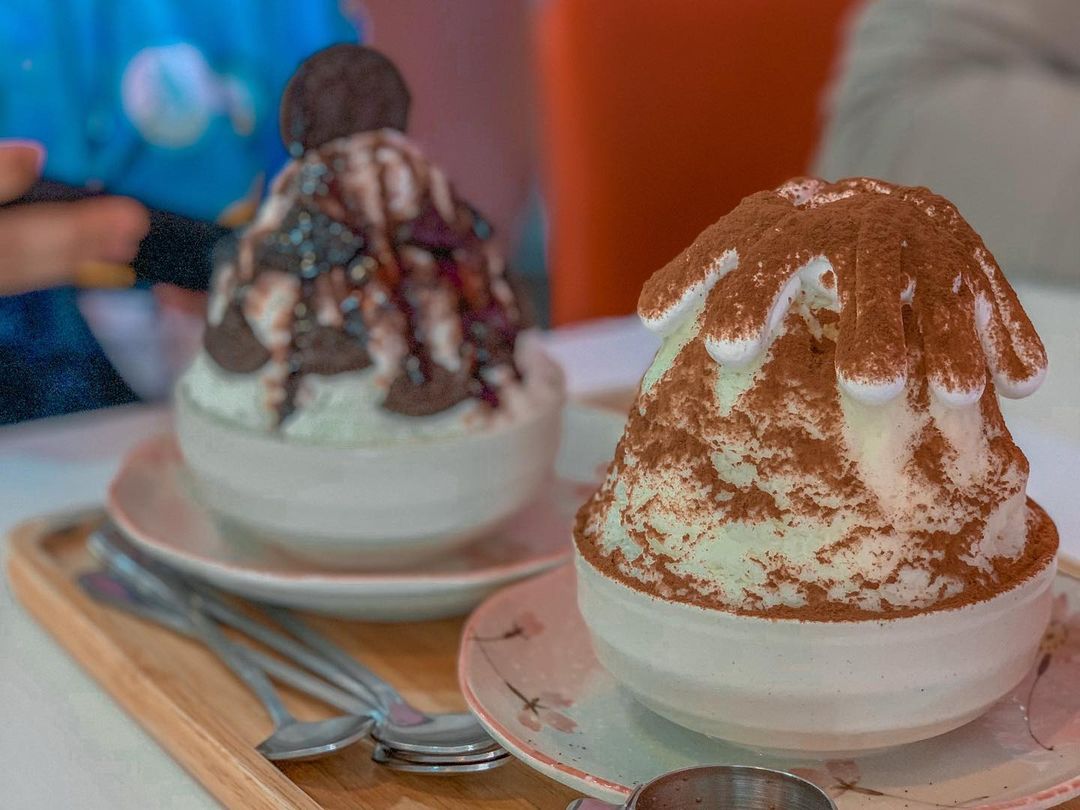
Bingsu, meanwhile, commonly uses finely shaved ice or frozen milk to create a creamy, snow-like texture. It is usually served with more generous toppings such as fruit, red beans, soybean powder, rice cakes, ice cream, cheesecake or biscuits.
Both have evolved considerably, so the line between modern kakigori, bingsu and other Asian snow-ice desserts can sometimes become blurred.
Best Kakigori & Bingsu in Kuala Lumpur
Kakiyuki
Sunway 163 Mall
8, Jalan Kiara, Mont Kiara, 50480 Kuala Lumpur.
Minimo
98, Jalan Radin Anum 1,
Bandar Baru Sri Petaling, 57000 Kuala Lumpur.
Aftermeal Desserts
Damansara Utama
52, Jalan SS 21/58,
Damansara Utama, 47400,
Petaling Jaya, Selangor.
SS2
33, Jalan SS 2/64, SS2,
47300 Petaling Jaya, Selangor.
Kepong
127, Jalan Rimbunan Raya 1
Laman Rimbunan, Kepong,
52100 Kuala Lumpur.
Website | Instagram | Facebook
Pleasant Day
12A, Jalan Radin Bagus 6,
Bandar Baru Sri Petaling, 57000 Kuala Lumpur.
Mykōri Dessert Café
List of locations of Mykōri Dessert Café
Instagram | Facebook | Twitter
Jeju Bingsu
20-G, Jalan Solaris 3,
Mont Kiara, 50480 Kuala Lumpur.
Souffle Dessert Cafe
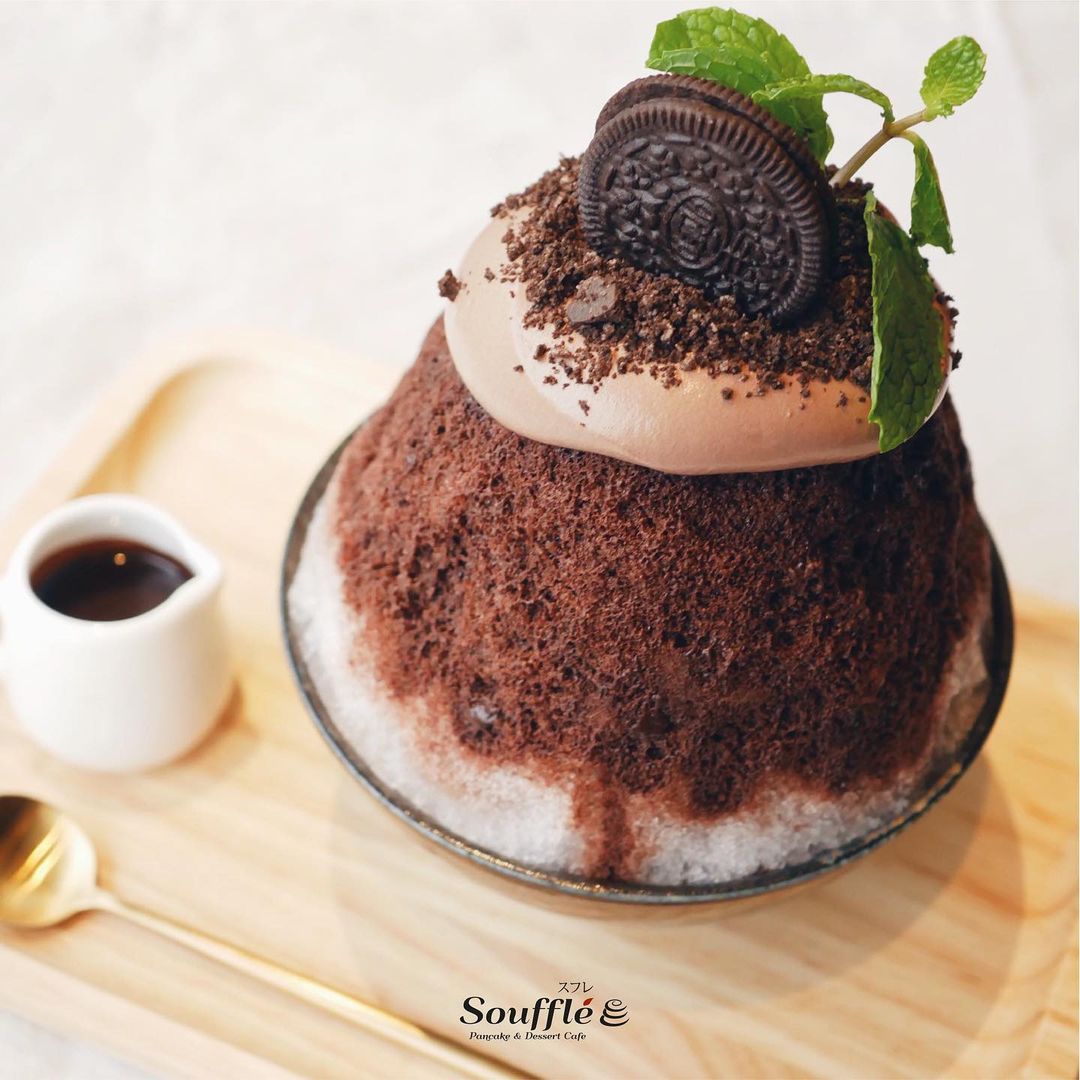
No 1-7, 1st floor, Kompleks Kenari,
Jalan Kenari 19a, Bandar Puchong Jaya,
47100 Puchong, Selangor.
42, Jalan SS 21/58, Damansara Utama,
47400 Petaling Jaya, Selangor.
KoriLab Cafe
24-1, Jalan Manis 3, Taman Bukit Segar,
56100 Cheras, Kuala Lumpur.
Hanbing Korean Dessert
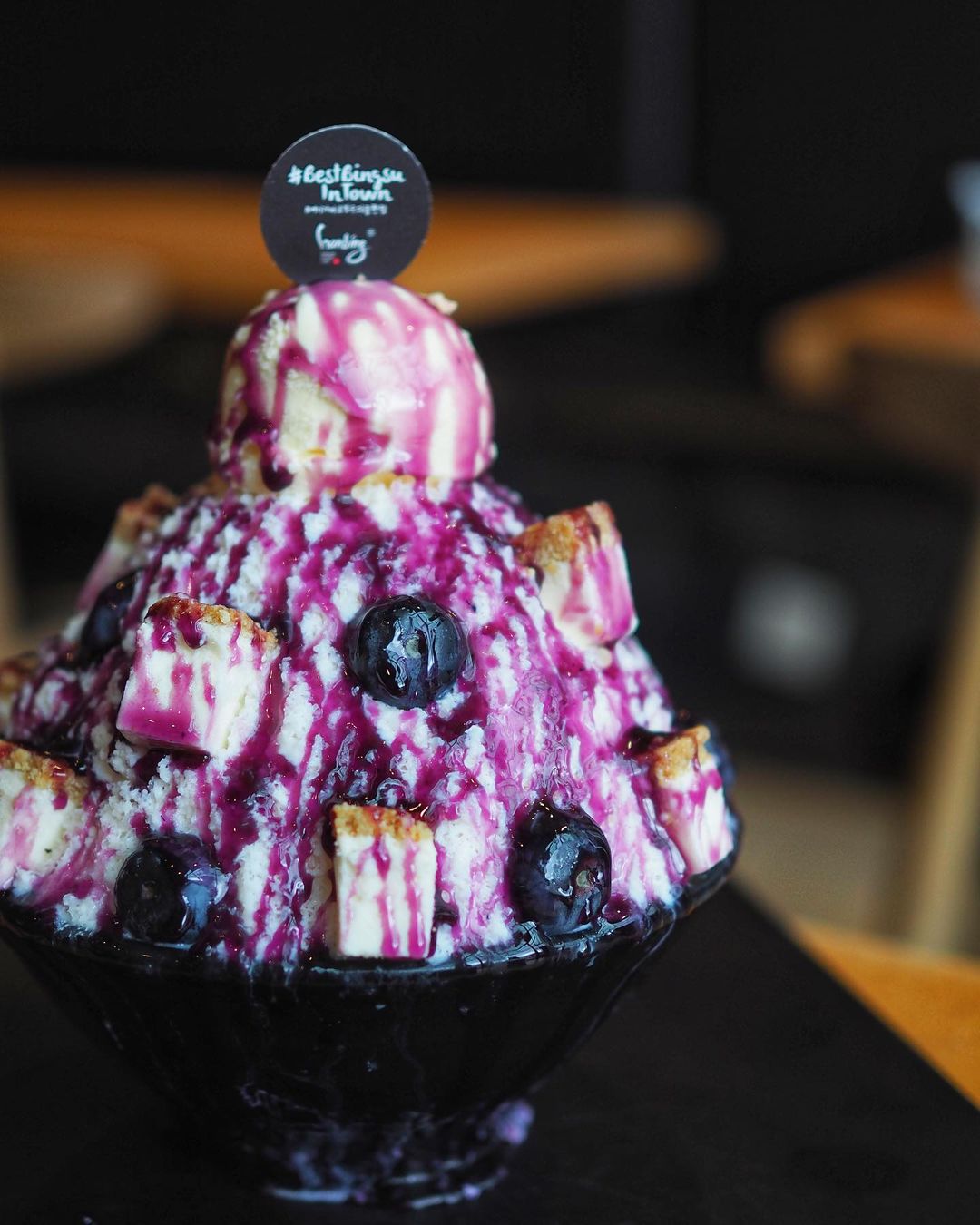
NU Sentral
LG-21 NU Sentral Shopping Mall,
201, Jalan Tun Sambanthan, Kuala Lumpur Sentral,
50450 Kuala Lumpur.
KL East Mall
G2K-02, KL East Mall
Jalan Lingkaran Tengah 2,
53100, Kuala Lumpur.
Putrajaya
LG-75 West Wing
IOI City Mall, 62502 Putrajaya.
Saka-no-Ue Cafe
Lot G-74, Mitsui Shopping Park Lalaport,
No. 2, Jalan Hang Tuah,
City Centre, 55100 Kuala Lumpur.
What Makes Great Kakigori?
Great kakigori begins with the ice. It should be shaved exceptionally fine, creating a light and almost snow-like texture that melts quickly on the tongue rather than feeling crunchy.
The flavouring is equally important. Syrups, tea, fruit and milk should penetrate the ice rather than simply sitting on top, so the dessert remains flavourful as you work your way through the bowl.
Sweetness also needs to be controlled. Particularly with matcha and hojicha, the best versions preserve some of the tea’s bitterness and aroma rather than covering everything with sugar.
Finally, toppings should complement the ice. Red beans, mochi, fruit, nuts or cream can add texture and flavour, but they shouldn’t overwhelm what makes kakigori distinctive in the first place.
What Makes Great Bingsu?
Bingsu is all about that soft, fluffy snow texture. Whether made with ice or a milk-based frozen mixture, it should melt effortlessly rather than becoming coarse or watery.
Toppings are generally more prominent than in traditional kakigori. Fresh fruit should actually taste fresh, injeolmi should remain pleasantly chewy, and ingredients such as soybean powder, red beans and sauces should be distributed well enough that you’re not left with plain ice at the bottom.
A good bingsu should also be shareable. Many portions are intentionally generous, making this an ideal dessert for two or more people after a meal.
Kakigori vs Ais Kacang: What’s the Difference?
Both involve shaved ice, but the experience is quite different.
Kakigori generally emphasises exceptionally fine ice paired with syrups, fruit or Japanese tea flavours. Modern versions may include additional fillings and toppings, but the texture of the ice remains central.
Ais kacang, or ABC, is a Malaysian dessert built around a much broader mixture of ingredients. Red beans, sweet corn, grass jelly, peanuts, evaporated milk, rose syrup and gula melaka are among the ingredients you might encounter.
If you’d like to compare them yourself, explore our guide to the best ais kacang in Kuala Lumpur.
Tips for Enjoying Kakigori & Bingsu in KL
Kakigori and bingsu melt quickly in Malaysia’s heat, so they’re best eaten immediately after being served. Larger portions are often designed for sharing, particularly bingsu, so check the size before everyone at the table orders one.
Popular dessert cafés can also become busy after dinner and on weekends. Visiting during the afternoon or earlier in the evening can mean shorter queues.
If you’re sensitive to sweetness, tea-based flavours such as matcha, hojicha and injeolmi-style bingsu are often worth exploring alongside fruit and chocolate-based creations.
More Desserts to Try in Kuala Lumpur
Shaved ice is only one part of Kuala Lumpur’s increasingly diverse dessert scene.
For something distinctly Malaysian, explore our guides to the best cendol in Kuala Lumpur, best ais kacang in Kuala Lumpur, best tau fu fah in Kuala Lumpur, and traditional Malaysian kuih.
If contemporary cafés are more your style, our Best Cafés in Kuala Lumpur guide covers specialty coffee, brunch cafés and dessert-focused spaces across the city.
Kuala Lumpur’s shaved ice scene now stretches far beyond a handful of dessert cafés. Japanese kakigori, Korean bingsu and Malaysian interpretations of snow ice have each found their own following around the city.
For a distinctly Japanese experience, look for finely shaved kakigori built around tea, fruit and seasonal flavours. If you want something creamier and loaded with toppings, Korean bingsu may be the better choice.
Better still, try both. From BBCC and KL Sentral to Mont Kiara, Cheras, Sri Petaling and Petaling Jaya, there are enough shaved ice cafés around the Klang Valley to turn cooling down into a dessert-hunting adventure.
FAQs About Kakigori & Bingsu in Kuala Lumpur
What is kakigori?
Kakigori is a Japanese shaved ice dessert made with finely shaved ice and flavoured with syrups, tea, fruit, milk or other ingredients. Modern kakigori cafés often create elaborate seasonal variations using ingredients such as matcha, hojicha, strawberries and mangoes.
What is the difference between kakigori and bingsu?
Kakigori is Japanese, while bingsu originates from Korea. Kakigori traditionally places greater emphasis on fine shaved ice and syrups, while contemporary bingsu often uses milk-based snow ice and more generous toppings such as fruit, rice cakes, soybean powder and ice cream.
Where can I find kakigori in Kuala Lumpur?
Kakigori and Japanese-style shaved ice can be found around BBCC, Hartamas, Kepong, Cheras and other parts of the city. There are also numerous dessert cafés across Petaling Jaya and the wider Klang Valley.
Where can I find bingsu in Kuala Lumpur?
KL Sentral, Mont Kiara, Sri Petaling and other neighbourhoods have Korean dessert cafés serving bingsu. Hanbing at NU Sentral is one of the more centrally located options.
What are the most popular kakigori flavours?
Matcha, hojicha, strawberry and mango are among the most familiar flavours, although KL dessert cafés increasingly experiment with milk tea, local ingredients and seasonal combinations.
Is kakigori the same as ais kacang?
No. Both are shaved ice desserts, but Malaysian ais kacang typically combines ice with numerous toppings such as red beans, sweet corn, grass jelly, syrups and milk. Kakigori generally focuses more heavily on the fine texture of the ice and its accompanying flavourings.
Can kakigori or bingsu be shared?
Yes. Many modern kakigori and especially bingsu servings are large enough for two people to share. Portion sizes vary considerably between cafés, however, so check before ordering.
Are kakigori and bingsu halal?
It depends on the individual café and ingredients used. A dessert being meat-free does not automatically mean the premises are halal-certified. Muslim diners who require certification should check the restaurant’s current JAKIM halal status before visiting.