Discovering Chinese Temples in Kuala Lumpur
Kuala Lumpur’s skyline may be defined by skyscrapers, but its cultural identity is deeply rooted in tradition—and nowhere is this more evident than in its Chinese temples.
These temples are not just places of worship. They are:
- Living heritage sites
- Architectural landmarks
- Cultural anchors for the local Chinese community
From hilltop temples with panoramic views to hidden shrines tucked within the city’s oldest streets, exploring Chinese temples is one of the most meaningful ways to understand Kuala Lumpur.
If you’re planning your trip, you can pair this guide with our things to do in Kuala Lumpur and cultural heritage in Kuala Lumpur to build a deeper itinerary.
Why Visit Chinese Temples in Kuala Lumpur?
Chinese temples in KL offer a unique blend of spirituality, history, and visual beauty.
What makes them special:
- Intricate architecture with carvings, lanterns, and roofs
- Cultural festivals like Chinese New Year and Mid-autumn Celebrations
- Active worship spaces filled with incense and rituals
- Highly photogenic settings across the city
They also reflect Kuala Lumpur’s evolution—from a tin mining settlement to a modern metropolis.
1. Thean Hou Temple (天后宫)
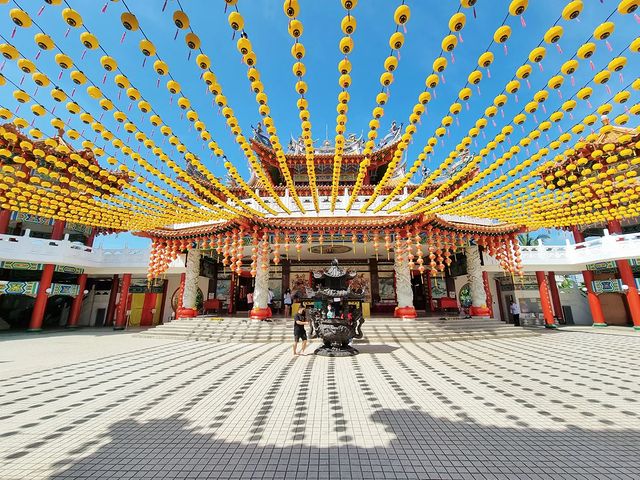
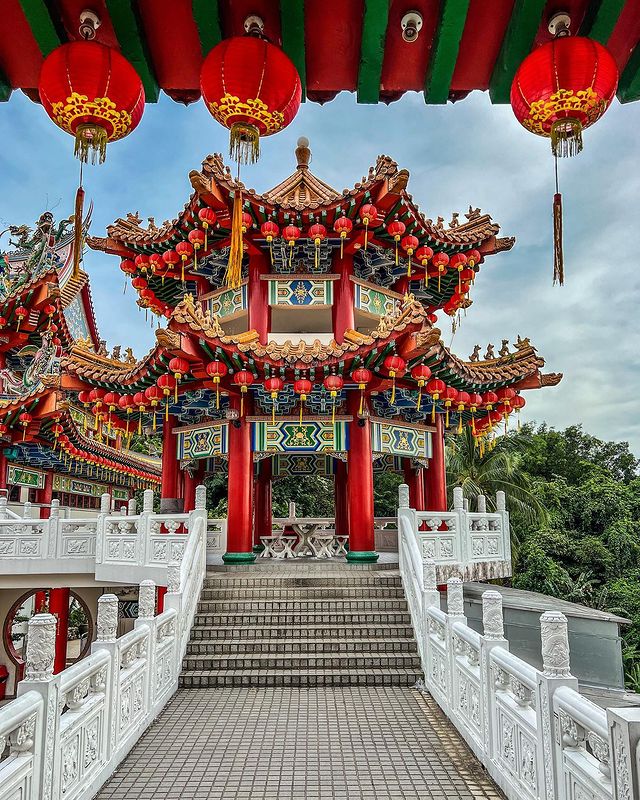
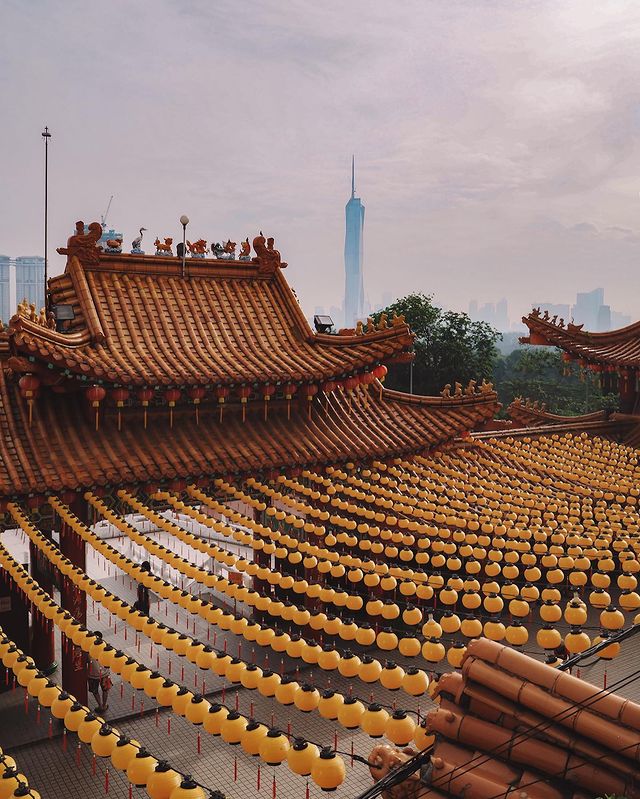
Perched on a hilltop overlooking the city, Thean Hou Temple is one of the most visually striking and culturally significant Chinese temples in Malaysia. Completed in 1987, it blends traditional Chinese architectural elements with modern construction, creating a grand multi-tiered complex. Dedicated to Mazu, the sea goddess, the temple remains an active place of worship while also serving as a major cultural and tourism landmark.
Highlights:
- Panoramic views of Kuala Lumpur skyline
- Rows of red lanterns during Chinese New Year
- Intricate dragon pillars and decorative rooflines
- Popular venue for weddings and photography
- Spacious courtyards and prayer halls
Explore more: Thean Hou Temple
2. Chan She Shu Yuen Ancestral Hall (陈氏书院)
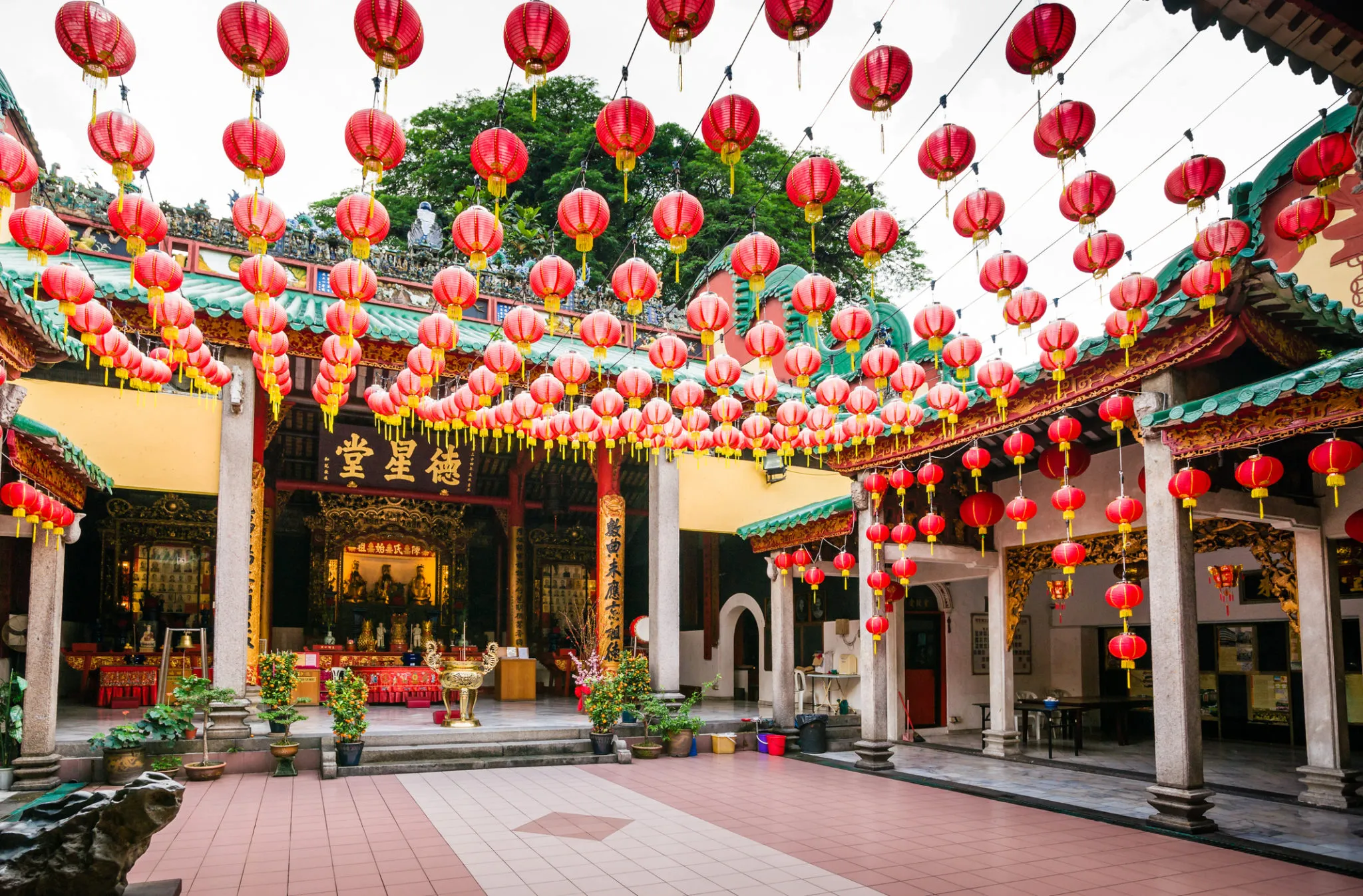
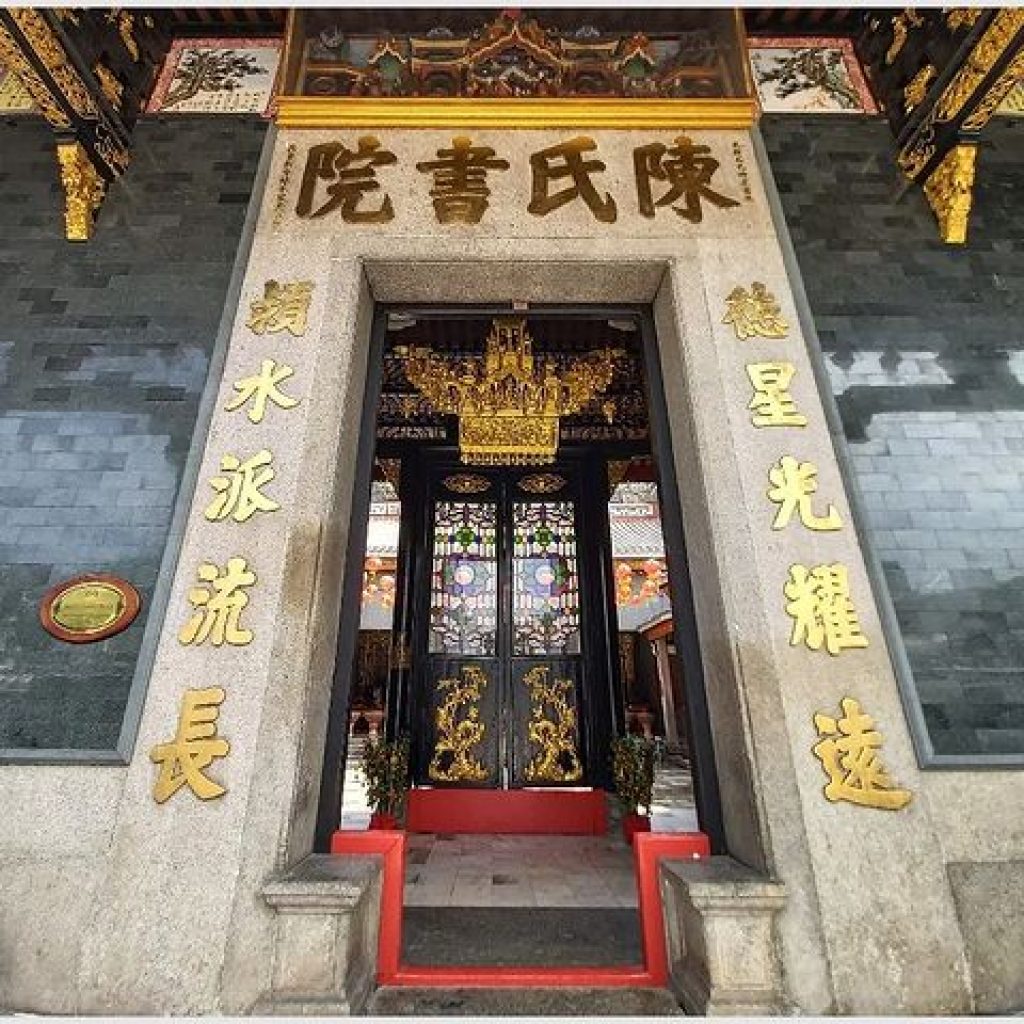
Tucked near Chinatown, Chan She Shu Yuen Ancestral Hall is a beautifully preserved clan house built in 1906 by the Chan clan. More than just a temple, it functioned as a social and administrative centre for early Chinese settlers. The structure showcases authentic southern Chinese craftsmanship, with elaborate carvings, ceramic figurines, and symmetrical courtyards that reflect traditional design principles.
Highlights:
- Exquisite stone carvings and porcelain roof sculptures
- Traditional courtyard layout with historical ambience
- Quiet escape from the busy Petaling Street area
- Strong heritage value tied to early KL Chinese community
- Rare example of clan-based architecture in the city
3. Sin Sze Si Ya Temple (仙四师爷庙)
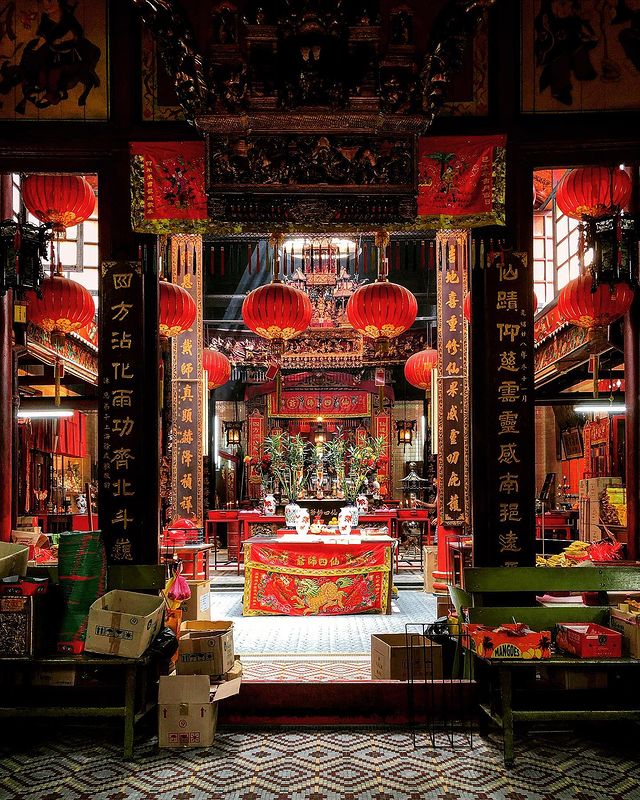
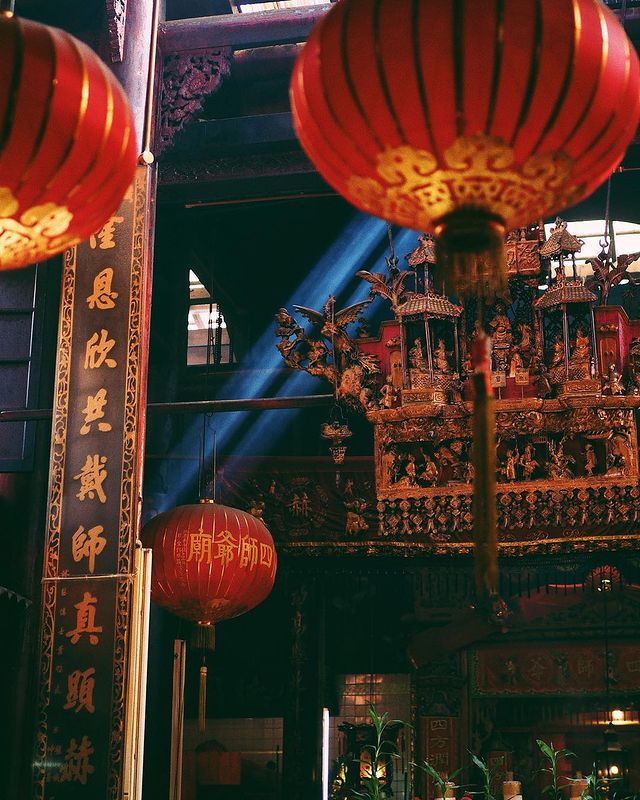
Founded in 1864, Sin Sze Si Ya Temple is the oldest Chinese temple in Kuala Lumpur and holds deep historical significance. Built by Yap Ah Loy, a founding figure of the city, the temple honours deities believed to protect early settlers. Despite its modest exterior, the interior is rich with heritage, filled with incense coils, altars, and traditional wooden structures that reflect its age.
Highlights:
- Oldest Chinese temple in Kuala Lumpur
- Strong historical connection to KL’s founding
- Authentic, preserved wooden interiors
- Active worship site for prayers and fortune seeking
- Located within Chinatown, near Petaling Street
Read more about Sin Sze Si Ya Temple
4. Guan Di Temple (关帝庙)
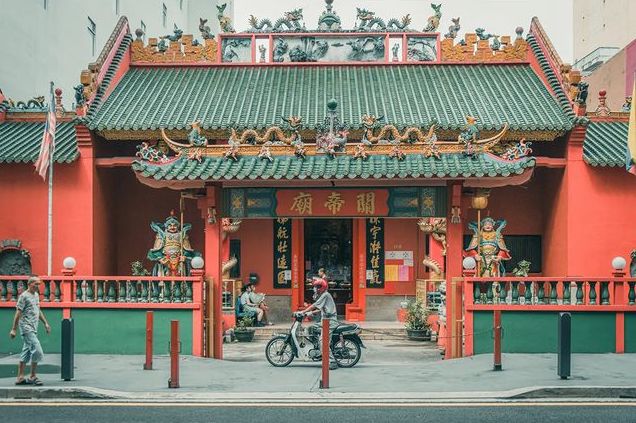
Located along the bustling Petaling Street, Guan Di Temple is one of the most visited Chinese temples in the city. Dedicated to Guan Yu, the god of war, loyalty, and righteousness, the temple is especially popular among business owners seeking blessings. Its striking red exterior and constant flow of worshippers make it one of the most vibrant spiritual sites in KL.
Highlights:
- Bright red facade that stands out in Chinatown
- Heavy incense atmosphere with active worship
- Popular among locals for business and prosperity prayers
- Easily accessible along Petaling Street
Many of these temples are located within or near Chinatown Kuala Lumpur, one of the oldest neighbourhoods in the city.
Read more about Guan Di Temple.
5. Kun Yam Thong Temple
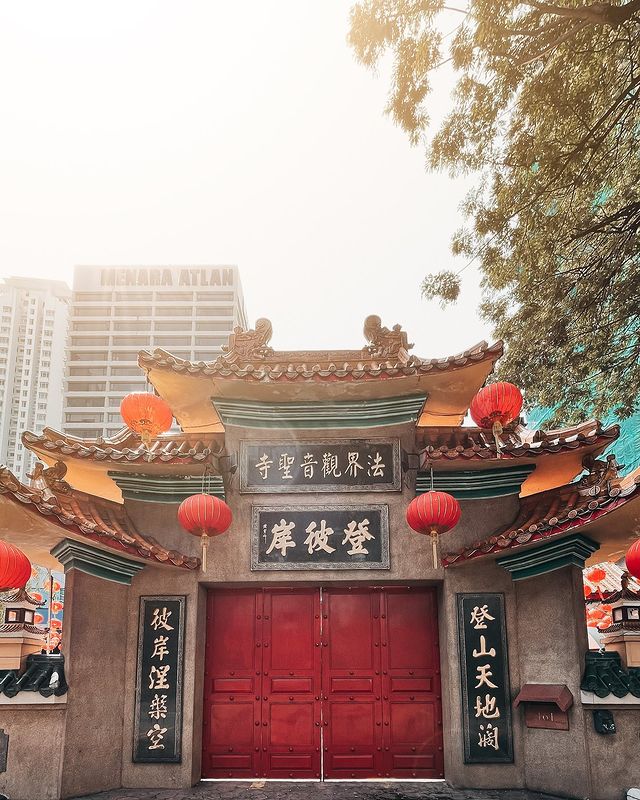
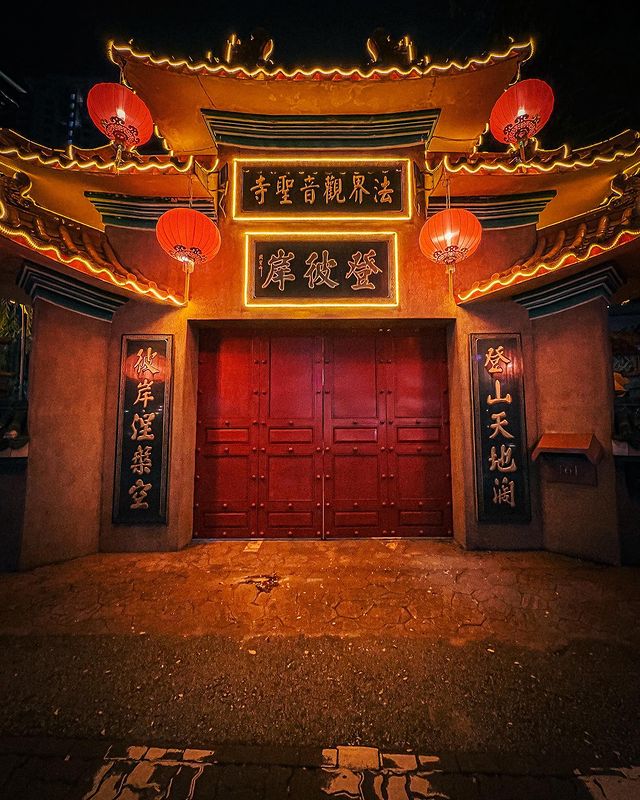
A lesser-known but serene spot, Kun Yam Thong Temple offers a more peaceful alternative to the city’s larger temples. Dedicated to Guan Yin, the goddess of mercy, the temple is often quieter and less crowded, making it ideal for reflection. Its cave-like interior and simple design create an intimate spiritual atmosphere that contrasts with more elaborate temples.
Highlights:
- Calm and quiet environment for reflection
- Dedicated to Guan Yin (goddess of mercy)
- Unique cave-like interior setting
- Less crowded compared to major temples
- Suitable for a slower, more personal visit
6. Chin Swee Caves Temple (Day Trip)
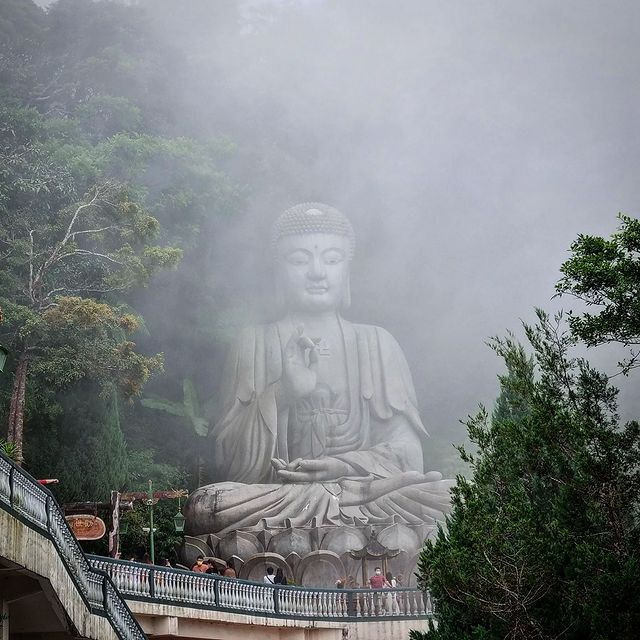
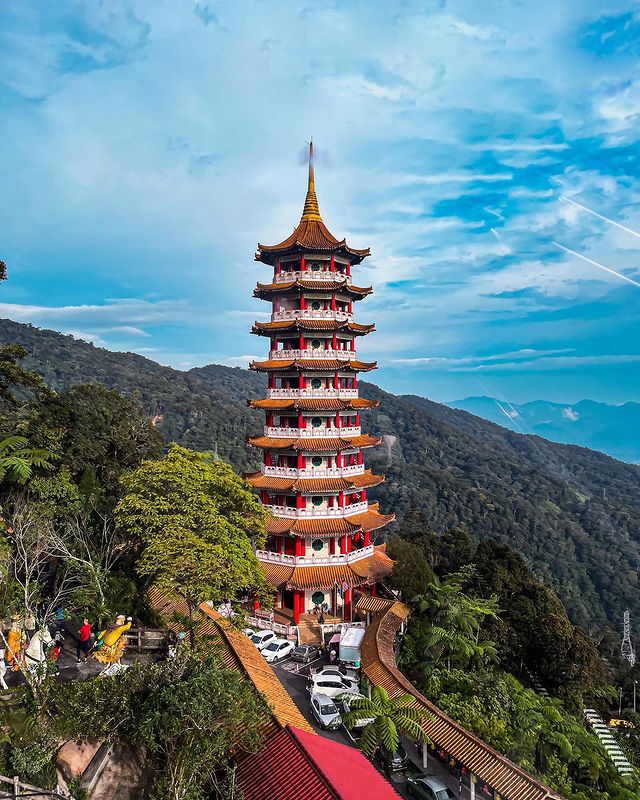
Located in the mountains near Genting Highlands, Chin Swee Caves Temple offers a completely different temple experience. Surrounded by mist and greenery, the temple sits at a high elevation, providing breathtaking views. Built in honour of Reverend Chin Swee, it features large-scale statues, a towering pagoda, and storytelling displays depicting Buddhist teachings.
Highlights:
- Scenic mountain setting with misty views
- Multi-storey pagoda overlooking the valley
- Large statues and mythological displays
- Cooler climate compared to Kuala Lumpur
- Ideal as a day trip combined with Genting Highlands
How to Explore Chinese Temples in Kuala Lumpur
1. Combine with Chinatown Exploration
Most temples like Sin Sze Si Ya and Guan Di Temple are within walking distance in Petaling Street.
2. Plan a Half-Day Temple Route
Suggested route:
- Chan She Shu Yuen
- Guan Di Temple
- Sin Sze Si Ya Temple
3. Visit During Festivals
The best time to experience temples:
- Chinese New Year
- Wesak Day
- Mid-Autumn Festival
Cultural Etiquette When Visiting Temples
- Dress modestly
- Keep noise levels low
- Follow local prayer customs
- Avoid stepping over offerings
FAQs: Chinese Temples in Kuala Lumpur
What is the most famous Chinese temple in Kuala Lumpur?
Thean Hou Temple is widely considered the most famous due to its scale, architecture, and popularity.
Which is the oldest temple in Kuala Lumpur?
Sin Sze Si Ya Temple, founded in 1864, is the oldest.
Are these temples free to enter?
Most temples in Kuala Lumpur are free, though donations are welcomed.
Can tourists visit Chinese temples in KL?
Yes—temples are open to visitors and are one of the best ways to explore local culture.
How many temples should I visit in one day?
3–4 temples is ideal for a relaxed experience without rushing.
A Different Side of Kuala Lumpur
Chinese temples reveal a side of Kuala Lumpur that goes beyond malls and skyscrapers.
They tell stories of:
- Migration and settlement
- Faith and resilience
- Culture and identity
Whether you’re a traveller, photographer, or culture enthusiast, these temples offer a deeper, more meaningful way to experience the city.
Looking for more cultural experiences? Browse our complete guide on things to do in Kuala Lumpur for first-time visitors.