Hidden within the heart of Kuala Lumpur’s historic Chinatown lies Jalan Panggung, a short but historically significant street that has quietly witnessed more than a century of the city’s evolution.
Although relatively small in size, Jalan Panggung was once a lively centre for entertainment, opera performances, and community gatherings. Today, the street has transformed into one of Chinatown’s most charming heritage lanes, where restored pre-war shophouses, boutique cafés, creative businesses, and cultural spaces coexist with reminders of old Kuala Lumpur.
Whether you’re exploring Chinatown on foot or tracing the city’s history beyond its skyscrapers, Jalan Panggung offers a fascinating glimpse into Kuala Lumpur’s past and present.
Where is Jalan Panggung?
Jalan Panggung is located within the historic Chinatown district of Kuala Lumpur, running parallel to Jalan Petaling and connecting Jalan Sultan with Jalan Tun H.S. Lee.
Its central location places it within walking distance of many of Kuala Lumpur’s best-known heritage attractions, including:
- Petaling Street
- Central Market
- Sri Maha Mariamman Temple
- Guan Di Temple
- Sin Sze Si Ya Temple
- Merdeka Square
- River of Life
The street is easily explored as part of a heritage walking trail through old Kuala Lumpur.
Why is it Called Jalan Panggung?
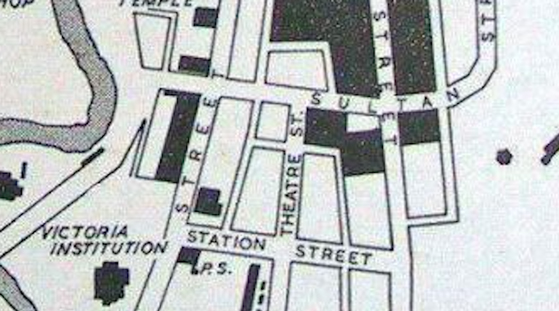
Jalan Panggung was originally known as Theatre Street, one of the oldest roads in Kuala Lumpur. The street already appeared on the 1889 map of Kuala Lumpur, making it one of the city’s earliest established roads.
The name “Theatre Street” originated from a Chinese theatre built by Cheow Yeok in the 1880s. Located along the street, the theatre became an important entertainment venue for Kuala Lumpur’s growing Chinese community during the tin-mining era.
Throughout the year, audiences gathered to watch Cantonese opera performances, while Teochew opera and bangsawan troupes also staged occasional productions. At a time when cinemas and television did not yet exist, these live performances were among the city’s most popular forms of entertainment, making Theatre Street a lively cultural hub.
In the early 1960s, the street was officially renamed Jalan Panggung, with “panggung” being the Malay word for “theatre” or “stage”—a direct translation of its original English name. Although the theatre itself no longer exists, the street name continues to preserve an important chapter of Kuala Lumpur’s early cultural history.
A Street Rooted in Chinatown’s Early History
As one of the oldest recorded streets in Kuala Lumpur, Jalan Panggung played an important role in the development of the city’s original Chinese settlement. Its appearance on the 1889 map reflects its significance during the formative years of Kuala Lumpur, when the surrounding neighbourhood was rapidly expanding with shophouses, markets, places of worship, entertainment venues, and businesses serving the booming tin-mining economy.
Today, Jalan Panggung remains part of Kuala Lumpur’s historic Chinatown. While the opera stages and theatres have disappeared, its well-preserved heritage buildings and revitalised streetscape continue to offer visitors a glimpse into the city’s rich multicultural past.
From Entertainment Street to Heritage Lane
As cinema, television, and modern entertainment became popular during the mid-20th century, traditional Chinese opera gradually declined.
Many businesses left the area, and for several decades Jalan Panggung became a relatively quiet back street within Chinatown.
In recent years, however, conservation efforts and the growing popularity of heritage tourism have breathed new life into the neighbourhood.
Today, beautifully restored shophouses house cafés, restaurants, boutique hotels, creative studios, galleries, and independent businesses, making Jalan Panggung one of Chinatown’s hidden gems.
Heritage Architecture Along Jalan Panggung
One of Jalan Panggung’s biggest attractions is its collection of well-preserved pre-war architecture.
Visitors will notice:
- colourful pre-war shophouses
- Art Deco façades
- traditional timber windows
- decorative plasterwork
- classic five-foot ways
- restored heritage buildings
Many of these buildings have undergone adaptive reuse while preserving their historic character, creating an attractive blend of old and new.
The street is especially popular with photographers seeking quieter heritage scenes away from the busier sections of Petaling Street.
Hotels and Boutique Accommodation
Jalan Panggung has become home to several stylish boutique accommodations that celebrate Chinatown’s heritage.
Nearby options include:
- Else Kuala Lumpur
- Four Points by Sheraton Kuala Lumpur, Chinatown
- Tian Jing Hotel
- Hotel 1000 Miles
- Travelodge Chinatown Kuala Lumpur
- Space Hotel Kuala Lumpur
Many of these properties occupy restored heritage buildings, allowing visitors to experience old Kuala Lumpur while enjoying modern comforts.
For more accommodation ideas, see our guide on Where to Stay in Kuala Lumpur.
Cafés, Restaurants and Food Around Jalan Panggung
While Jalan Panggung itself remains relatively peaceful, it sits in one of Kuala Lumpur’s richest food neighbourhoods.
Nearby visitors can enjoy:
Chinatown Cafés
Many restored shophouses now house specialty coffee cafés, artisan bakeries, and creative brunch spots that blend contemporary design with heritage architecture.
Traditional Chinese Coffee Shops
Long-established eateries around Jalan Sultan and Jalan Petaling continue serving classic local favourites such as wantan mee, Hokkien mee, roast duck, herbal tea, and traditional Chinese desserts.
Evening Food Scene
As evening approaches, nearby Petaling Street comes alive with hawker stalls, street food vendors, restaurants, and dessert shops that attract both locals and tourists.
Public Transportation
Jalan Panggung is easily accessible using public transport.
Pasar Seni MRT Station
Just a few minutes’ walk away, Pasar Seni MRT Station provides direct access to Bukit Bintang, TRX, Kajang, and other parts of Greater Kuala Lumpur.
Pasar Seni LRT Station
The nearby Kelana Jaya Line connects visitors to KL Sentral, KLCC, and many popular attractions.
Go KL City Bus
Several Go KL bus routes stop within walking distance, making it easy to explore the city centre without driving.
For first-time visitors, our Guide to Using MRT, LRT and Monorail in Kuala Lumpur explains how to navigate the rail network.
Nearby Attractions
One of Jalan Panggung’s greatest strengths is its proximity to many of Kuala Lumpur’s iconic heritage attractions.
Petaling Street
Just around the corner, Petaling Street is the heart of Kuala Lumpur’s Chinatown. Browse market stalls selling souvenirs, clothing, and local snacks, while enjoying famous street food, traditional Chinese eateries, and the vibrant atmosphere that has defined the neighbourhood for generations.
Central Market
A short walk from Jalan Panggung, Central Market is one of Kuala Lumpur’s premier cultural landmarks. Originally a wet market, it now houses local handicrafts, artisan products, galleries, and Malaysian souvenirs, making it an excellent stop for shopping and cultural experiences.
Sri Maha Mariamman Temple
Located along nearby Jalan Tun H.S. Lee, Sri Maha Mariamman Temple is Kuala Lumpur’s oldest Hindu temple. Its colourful South Indian-style entrance tower, intricate carvings, and rich history make it one of the city’s most iconic religious landmarks.
Guan Di Temple
Situated opposite Sri Maha Mariamman Temple, Guan Di Temple is dedicated to the Chinese god of war and righteousness. The historic temple is renowned for its beautifully preserved architecture, incense-filled prayer hall, and centuries-old cultural significance.
Sin Sze Si Ya Temple
Hidden among Chinatown’s historic streets, Sin Sze Si Ya Temple is widely regarded as Kuala Lumpur’s oldest Taoist temple. Founded by Kapitan Yap Ah Loy, it remains an important place of worship and a key landmark in the city’s early history.
Merdeka Square
Less than a 15-minute walk away, Merdeka Square is where Malaysia’s independence was proclaimed in 1957. Surrounded by magnificent colonial-era buildings, the square remains one of Kuala Lumpur’s most important historical and architectural landmarks.
River of Life
Located near the confluence of the Klang and Gombak Rivers, the River of Life redevelopment has transformed Kuala Lumpur’s historic birthplace into a scenic waterfront promenade. The area is especially popular in the evenings when the iconic blue light mist creates a striking atmosphere.
Best Time to Visit Jalan Panggung
Morning offers the quietest atmosphere for photography and appreciating the heritage architecture.
Late afternoon brings softer lighting that highlights the restored façades, while evenings allow visitors to combine a leisurely stroll through Jalan Panggung with dinner and shopping around Petaling Street.
Weekdays are generally less crowded than weekends, providing a more relaxed experience.
Interesting Facts About Jalan Panggung
- “Panggung” means stage or theatre in Malay.
- The street was historically associated with Chinese opera and entertainment.
- It forms part of Kuala Lumpur’s original Chinatown.
- Many of its heritage buildings have been carefully restored through adaptive reuse.
- Today, it is one of the city’s emerging creative and cultural streets.
Frequently Asked Questions
What does Jalan Panggung mean?
“Panggung” is the Malay word for stage or theatre, reflecting the street’s historical association with entertainment and Chinese opera performances.
Where is Jalan Panggung?
It is located in Kuala Lumpur’s Chinatown, between Jalan Sultan and Jalan Tun H.S. Lee, within walking distance of Central Market and Petaling Street.
Why is Jalan Panggung historically important?
It preserves part of Kuala Lumpur’s early entertainment history and forms part of the city’s original commercial and residential district established during the tin-mining era.
Is Jalan Panggung worth visiting?
Yes. Visitors interested in heritage architecture, boutique cafés, photography, and Kuala Lumpur’s cultural history will enjoy exploring this quieter corner of Chinatown.
How do I get to Jalan Panggung?
The easiest way is via Pasar Seni MRT or Pasar Seni LRT Station, both of which are only a short walk away.
Although it is often overshadowed by the bustling energy of nearby Petaling Street, Jalan Panggung tells a quieter yet equally important story about Kuala Lumpur’s past. From its origins as a street of theatres and Chinese opera to its revival as a heritage and creative lane, it reflects the city’s ability to preserve history while embracing change.
For travellers seeking a deeper understanding of old Kuala Lumpur, Jalan Panggung is well worth adding to any Chinatown walking itinerary.