Kuala Lumpur is one of Southeast Asia’s most dynamic and liveable cities.
Malaysia’s capital combines modern skyscrapers, vibrant street culture, world-class food, and relatively affordable living costs — making it attractive to locals, expatriates, entrepreneurs, and digital nomads alike.
From the iconic skyline anchored by the Petronas Twin Towers to neighbourhoods filled with cafés, street food stalls, and leafy residential streets, Kuala Lumpur offers a lifestyle that balances urban convenience with cultural richness.
But what is it actually like to live here?
This guide explains everything you need to know about living in Kuala Lumpur, including neighbourhoods, cost of living, lifestyle, transportation, safety, and the pros and cons of life in Malaysia’s largest city.
Why People Choose to Live in Kuala Lumpur
Kuala Lumpur has quietly become one of Asia’s most appealing cities to live in.
Compared with other regional capitals like Singapore, Hong Kong, or Bangkok, KL offers modern infrastructure, international connectivity, and a cosmopolitan lifestyle at a much lower cost.
Several factors make the city particularly attractive.
Affordable Urban Living
Kuala Lumpur offers a standard of living that would be far more expensive in other global cities.
Luxury condominiums with swimming pools, gyms, and security are widely available, and dining out is affordable thanks to Malaysia’s strong food culture.
Residents can enjoy everything from hawker food to fine dining without spending excessively.
Cultural Diversity
Malaysia is one of the most multicultural countries in Asia.
Kuala Lumpur reflects this diversity through its food, festivals, neighbourhoods, and languages. Malay, Chinese, Indian, and international influences blend naturally in daily life.
This diversity makes KL particularly welcoming to foreigners and international communities.
A Strong Food Culture
Kuala Lumpur is often considered one of the best food cities in the world.
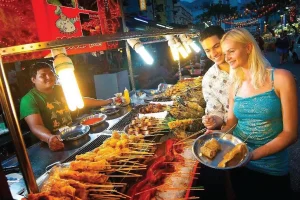
Street food, hawker stalls, modern cafés, and award-winning restaurants exist side by side.
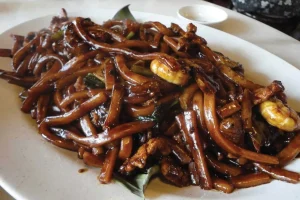
Residents enjoy dishes ranging from nasi lemak and char kway teow to international cuisines from Japan, Korea, Italy, and the Middle East.
For food lovers, living in KL means endless options.
Strategic Location in Southeast Asia
Kuala Lumpur is also well positioned as a regional hub.
Flights from Kuala Lumpur International Airport connect the city to major destinations across Asia, Australia, the Middle East, and Europe.
Weekend trips to destinations such as Penang, Langkawi, Bangkok, Bali, and Singapore are easy.
Best Neighbourhoods to Live in Kuala Lumpur
Kuala Lumpur is made up of distinct neighbourhoods, each offering different lifestyles.
Choosing where to live depends on your work location, budget, and preferred environment.
KLCC (Kuala Lumpur City Centre)
KLCC is the heart of modern Kuala Lumpur.
The area is known for luxury residences, five-star hotels, and proximity to major corporate offices.
Residents enjoy walkable access to shopping malls like Suria KLCC and parks such as KLCC Park.
Living in KLCC offers the most central and upscale lifestyle in the city.
Read more: KLCC Area Guide
Bangsar
Bangsar is one of Kuala Lumpur’s most popular lifestyle neighbourhoods.
It is known for trendy cafés, restaurants, bars, and a vibrant expatriate community.
Telawi Street is the social centre of the area, while nearby Bangsar South has grown into a business and residential hub.
Bangsar is ideal for young professionals and those who enjoy an active social life.
Explore more: Bangsar Area Guide
Mont Kiara
Mont Kiara is widely known as Kuala Lumpur’s expatriate enclave.
The neighbourhood features modern condominiums, international schools, and family-oriented facilities.
It is popular with Japanese, Korean, and Western expatriates, as well as Malaysian families seeking a quieter residential environment.
Mont Kiara offers a suburban feel while still being close to the city centre.
Explore more: Mont Kiara Area Guide
Damansara Heights
Damansara Heights is one of Kuala Lumpur’s most prestigious residential areas.
Large homes, embassies, and upscale restaurants characterise the neighbourhood.
It is quieter and greener than the city centre, attracting wealthy residents and professionals.
Desa ParkCity
Desa ParkCity is often considered one of the most well-planned residential communities in Kuala Lumpur.
It features parks, lakes, jogging paths, and family-friendly facilities.
The neighbourhood is especially popular among families due to its safety and lifestyle environment.
Petaling Street / Chinatown
For those who enjoy historic urban living, the Chinatown area offers heritage shophouses, boutique hotels, and a growing café scene.
Living here means being surrounded by Kuala Lumpur’s historic core and cultural landmarks.
Explore more: Petaling Street Area Guide
Cost of Living in Kuala Lumpur
One of Kuala Lumpur’s biggest advantages is affordability.
Compared with many global cities, residents can enjoy a high standard of living at a relatively low cost.
Housing
Rental prices vary significantly depending on location.
Approximate monthly rent:
Studio apartment (city centre): RM2,000 – RM3,500
Luxury condominium: RM3,500 – RM8,000
Suburban apartment: RM1,200 – RM2,500
Many residential buildings include facilities such as swimming pools, gyms, security, and parking.
Food
Food is one of the most affordable pleasures in Kuala Lumpur.
Typical prices:
Street food meal: RM8 – RM15
Casual restaurant meal: RM20 – RM40
Café brunch: RM30 – RM50
Fine dining: RM120+
Because eating out is affordable, many residents dine out frequently.
Transportation
Transportation costs are also relatively low.
Public transport includes MRT, LRT, Monorail, and buses.
Typical costs:
Train ride: RM1.50 – RM5
Ride-hailing (Grab): RM8 – RM25 depending on distance
Many residents still choose to own cars, especially those living in suburban neighbourhoods.
Utilities
Average monthly costs:
Electricity: RM150 – RM300
Internet: RM100 – RM150
Mobile plans: RM30 – RM80
Getting Around Kuala Lumpur
Kuala Lumpur’s transportation network has improved significantly over the past decade.
Public Transport
The city’s rail system includes:
- MRT (Mass Rapid Transit)
- LRT (Light Rail Transit)
- Monorail
- KTM Komuter
These systems connect most major areas of Greater Kuala Lumpur.
However, coverage is still expanding and some residential areas are not fully connected.
Find out more about how to get around Kuala Lumpur.
Driving
Driving remains the most common mode of transport.
Highways connect Kuala Lumpur to surrounding suburbs and neighbouring states.
However, traffic congestion during peak hours can be significant.
Lifestyle in Kuala Lumpur
Living in Kuala Lumpur offers a diverse urban lifestyle.
Residents enjoy access to shopping, food, nature, and entertainment.
Shopping
Kuala Lumpur is one of Southeast Asia’s best shopping cities.
Major malls include:
- Suria KLCC
- Pavilion Kuala Lumpur
- Mid Valley Megamall
- The Exchange TRX
These malls feature international luxury brands, dining options, and entertainment.
Find out more about shopping in Kuala Lumpur.
Food & Dining
Food is central to daily life in Kuala Lumpur.
Popular areas for dining include:
- Jalan Alor
- Chinatown
- Bangsar
- TTDI
- Damansara Heights
Residents can explore everything from street food stalls to Michelin-recommended restaurants.
Read more: Kuala Lumpur food guide
Green Spaces
Despite being a dense city, Kuala Lumpur offers several parks.
Notable ones include:
- KLCC Park
- Perdana Botanical Gardens
- Titiwangsa Lake Gardens
These provide spaces for jogging, cycling, and relaxation.
Safety in Kuala Lumpur
Kuala Lumpur is generally considered a safe city.
Violent crime is relatively rare, although petty crimes such as pickpocketing can occur in crowded tourist areas.
Most residential buildings include security and gated access, which contributes to overall safety.
As with any major city, residents should remain aware of their surroundings.
Pros and Cons of Living in Kuala Lumpur
Pros
Affordable cost of living
Excellent food culture
Modern infrastructure
Diverse international community
Good regional travel connectivity
Cons
Traffic congestion
Hot and humid climate
Public transport coverage still developing
Flooding can occur during heavy rain in some areas
Who Kuala Lumpur Is Best For
Kuala Lumpur appeals to a wide range of residents.
Expats
The city offers an international lifestyle at relatively low cost.
English is widely spoken, making it easy for foreigners to adapt.
Entrepreneurs
Malaysia has a growing startup and business ecosystem, with relatively low operating costs.
Digital Nomads
Fast internet, affordable living, and strong café culture make KL attractive for remote workers.
Families
International schools, residential communities, and parks make the city family-friendly.
Is Kuala Lumpur a Good Place to Live?
For many people, Kuala Lumpur offers the ideal balance between affordability and modern city living.
Residents enjoy world-class food, vibrant neighbourhoods, and easy access to the rest of Southeast Asia.
While challenges such as traffic and climate exist, the overall quality of life remains strong.
It is this balance that continues to attract locals, expatriates, and entrepreneurs to Malaysia’s capital.
Frequently Asked Questions
Is Kuala Lumpur expensive to live in?
Compared with cities like Singapore, Hong Kong, or London, Kuala Lumpur is significantly more affordable. Housing, food, and transportation costs remain relatively low while still offering a high standard of living.
Is Kuala Lumpur good for expats?
Yes. Kuala Lumpur has a large expatriate community, international schools, and English is widely spoken. Areas like Mont Kiara and Bangsar are especially popular among expatriates.
Do you need a car in Kuala Lumpur?
While public transport is improving, many residents still prefer to own a car, especially if they live outside the city centre.
What salary is needed to live comfortably in Kuala Lumpur?
For a comfortable lifestyle, many residents consider RM6,000 – RM10,000 per month sufficient depending on housing and lifestyle choices.
Living in Kuala Lumpur offers a unique combination of modern urban life, cultural diversity, and affordability.
From vibrant neighbourhoods and exceptional food to international connectivity and business opportunities, the city continues to grow as one of Southeast Asia’s most liveable capitals.
Whether you are a local professional, an expatriate relocating to Malaysia, or a digital nomad exploring the region, Kuala Lumpur offers a lifestyle that is both dynamic and accessible.