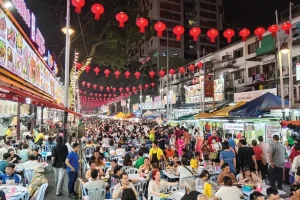
Pudu Kuala Lumpur: The Ultimate Area Guide
Pudu is one of Kuala Lumpur’s most underrated neighbourhoods.
Located just minutes from Bukit Bintang, this historic district blends old-school kopitiams, bustling wet markets, traditional Chinese temples, budget hotels, street art, and hyper-local food culture — all wrapped in a gritty, authentic atmosphere that feels worlds away from KL’s glass towers.
This Pudu area guide is ideal for visitors who want to experience old Kuala Lumpur through local food, wet markets, and everyday neighbourhood life.
If you want to experience Kuala Lumpur beyond the postcard skyline, Pudu is where the real city begins.
Where Is Pudu Located?
Pudu sits just east of Bukit Bintang and south of Jalan Imbi, within central Kuala Lumpur. It is well-connected by:
- LRT: Pudu Station (Sri Petaling Line)
- Monorail: Hang Tuah Station
- Major roads: Jalan Pudu, Jalan Tun Razak
- Walking distance to Bukit Bintang (15–20 minutes)
It acts as a bridge between:
- Bukit Bintang (modern shopping & nightlife)
- Chinatown (heritage & temples)
- Jalan Imbi (food & residential mix)
Strategically central, yet culturally distinct.
The History of Pudu: From Tin Mining Settlement to Urban Grit
Before Kuala Lumpur became a capital city, Pudu was part of the early tin mining landscape of Selangor.
In the late 19th century:
- Chinese miners settled here
- Agricultural land surrounded the area
- Wooden shoplots were built along Jalan Pudu
As KL expanded, Pudu became:
- A working-class commercial district
- A food and market hub
- A dense residential neighbourhood
For decades, it developed organically — without the polished urban planning seen in KLCC or Bangsar.
That organic growth is what gives Pudu its charm today.
What Pudu Is Known For
Pudu is best known for:
- Wet markets and morning food culture
- Old shoplots and kopitiams
- Affordable local meals
- A strong sense of everyday community
It’s not polished — but it’s real.
Pudu’s Most Famous Landmark: Pudu Jail
One of the most talked-about landmarks in KL history was Pudu Jail.
Built in 1895 during British colonial rule, the prison once housed:
- Criminals
- Political detainees
- High-profile inmates
Its exterior mural — once the longest mural in the world — became iconic.
The prison was demolished in 2010, replaced by commercial development. Today, Lalaport BBCC stands on its former grounds.
Though physically gone, Pudu Jail remains deeply embedded in KL’s urban memory.
Pudu Wet Market & Morning Scene
The Pudu wet market is the heart of the area.
In the early morning, you’ll see:
- Vegetable and meat vendors
- Elderly residents shopping daily
- Hawker stalls serving breakfast
- Coffeeshops already busy before 8am
This is where Pudu feels most alive.
What to Eat in Pudu
Pudu is one of KL’s strongest food neighbourhoods.
Why Pudu Food Is Special
- Old generational stalls
- Lower rent = authentic pricing
- Local crowd dominance
- Less tourist markup
Pork Noodles (Chu Yuk Fun)
One of Pudu’s breakfast staples.
Clear broth, minced pork, liver, intestine — intensely flavourful and comforting.
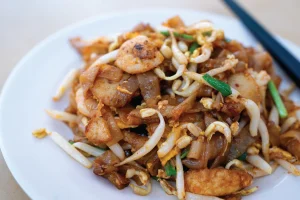
Hokkien Mee
Dark soy braised noodles cooked over high heat.
Often charcoal-fired in older stalls.
Curry Laksa
Rich coconut broth with cockles and tofu puffs.
Many stalls inside Pudu market serve strong traditional versions.
Claypot Chicken Rice
Charcoal claypot rice with Chinese sausage and salted fish.
Traditional Kuih & Nyonya Cakes
Local kuih sellers inside Pudu market provide:
- Kuih lapis
- Kuih talam
- Ang koo kuih
Read more about traditional Malaysian kuih-muih here.
Old Shoplots & Streetscape
Pudu’s streets are lined with:
- Pre-war and post-war shoplots
- Small hardware and tailoring shops
- Repair businesses and family trades
It’s a popular area for:
- Street photography
- Observing daily life
- Understanding KL’s working history
Cafés & Newer Additions
In recent years, a few cafés and creative spaces have appeared around Pudu, usually tucked among old shoplots.
They tend to be:
- Low-key
- Small-scale
- Integrated into the neighbourhood
Nothing flashy — but a sign of slow change.
Where to Stay in Pudu
Pudu is strong for:
- Budget hotels
- Mid-range boutique stays
- Airbnb apartments
Popular types:
- Budget backpacker hostels
- 3-star city hotels
- Serviced residences near Lalaport
What Makes Pudu Different from Other KL Neighbourhoods?
Unlike:
- KLCC – corporate and polished
- Bangsar – lifestyle and affluent
- Chinatown – curated heritage tourism
Pudu is:
- Raw
- Working-class
- Food-first
- Community-driven
- Unpretentious
It’s KL without filters.
What It’s Like to Live in Pudu
Pudu attracts:
- Long-time residents
- Elderly communities
- Migrant workers
- People who value location and affordability
Living here is practical rather than aspirational. Everything you need is close, even if it’s not polished.
Is Pudu Worth Visiting?
Pudu is worth visiting if you:
- Love local food
- Enjoy wet markets
- Appreciate old neighbourhoods
- Want to see non-touristy KL
If you’re looking for cafés and nightlife, look elsewhere. If you want authentic daily life, Pudu delivers.
Is Pudu Safe?
Short answer: Yes — with normal city awareness.
Like most dense urban areas:
- Daytime: Busy and active
- Night: Quieter but generally safe
- Stick to main roads after midnight
Pudu has significantly improved over the past decade.
Read more about Is Kuala Lumpur Safe for Tourists?
Why Pudu Represents the Real Kuala Lumpur
Kuala Lumpur is not just skyscrapers.
It is:
- Wet markets at 8am
- Charcoal noodles at noon
- Incense smoke drifting from temples
- Old men reading newspapers at kopitiams
- Generational food stalls surviving redevelopment
Pudu holds that spirit.
And as Kuala Lumpur modernises, neighbourhoods like Pudu remind us what built the city in the first place.