Taman Tun Dr Ismail, better known as TTDI, is one of Kuala Lumpur’s most established and well-loved residential neighbourhoods. Leafy streets, independent cafés, busy restaurants, a traditional market and easy access to Bukit Kiara give the area a distinctive balance between city convenience and suburban calm.
TTDI is not filled with major tourist landmarks. Its appeal is more understated: morning walks, grocery runs at the neighbourhood market, coffee with friends, family dinners and residents who have known the same local businesses for years.
For visitors, it offers an opportunity to see a more everyday side of the capital beyond KLCC, Bukit Bintang and the city’s shopping malls. For residents, TTDI remains one of the most desirable places to live in Kuala Lumpur.
This complete TTDI area guide covers its history, things to do, food, cafés, shopping, transport and what makes the neighbourhood special.
Where Is TTDI?
Taman Tun Dr Ismail is located on the northwestern edge of Kuala Lumpur, beside the boundary with Selangor. It sits between several established areas, including Bandar Utama, Damansara Utama, Mutiara Damansara, Bukit Kiara and Bandar Sri Damansara.
Despite being within the Federal Territory of Kuala Lumpur, TTDI feels closely connected to the wider Damansara and Petaling Jaya area. Residents regularly travel between TTDI, Bandar Utama, Damansara Uptown and other nearby neighbourhoods for work, food and shopping.
TTDI is approximately:
- 20 to 30 minutes from Kuala Lumpur city centre
- 10 minutes from Bandar Utama and 1 Utama
- 10 to 15 minutes from Damansara Heights
- 15 to 25 minutes from Bangsar
- 20 to 30 minutes from KL Sentral
Travel times can be considerably longer during morning and evening peak hours.
A Brief History of Taman Tun Dr Ismail
Before becoming a residential township, the land occupied by TTDI was part of a rubber estate on what was then the western outskirts of Kuala Lumpur.
Plans to develop the approximately 286-hectare site began in the early 1970s through a partnership between the Urban Development Authority and SEA Housing Corporation. Construction commenced in 1974, shortly after Kuala Lumpur became a Federal Territory.
The township was named after Tun Dr Ismail Abdul Rahman, one of Malaysia’s most respected statesmen. He served as the country’s ambassador to the United States, representative to the United Nations and Deputy Prime Minister of Malaysia.
At the time, the location was regarded as relatively distant from central Kuala Lumpur. Jalan Damansara was narrower and less developed, while much of the surrounding area had yet to undergo large-scale urbanisation.
Over the following decades, TTDI grew into a planned township combining landed homes, apartments, condominiums, schools, community facilities, shops and green spaces. Its maturity is now one of its greatest strengths. Instead of feeling like a newly constructed development, TTDI has established streets, large trees, long-running businesses and several generations of residents.
What Is TTDI Known For?
TTDI is best known for five things:
- A strong neighbourhood food and café scene
- The TTDI Market
- Bukit Kiara and its surrounding greenery
- Mature residential streets
- A close-knit community identity
There is no single landmark that defines the entire area. TTDI’s personality comes from the relationship between its commercial streets, market, parks and residential communities.
The result is a neighbourhood that feels active without being overwhelmingly busy. It has enough restaurants and businesses to attract visitors, but everyday life remains central to its identity.
Things to Do in TTDI
1. Explore the TTDI Market
Pasar Besar Taman Tun Dr Ismail, commonly called the TTDI Market, is one of the neighbourhood’s most important community institutions.
The market is busiest in the morning, when residents arrive to buy vegetables, fruit, meat, seafood, spices, dried ingredients and household essentials. You may also find prepared food, traditional snacks and stalls serving simple local meals.
Unlike a market maintained mainly as a tourist attraction, the TTDI Market continues to perform its original function. It is a working neighbourhood market used by households, cooks and small food businesses.
Visit early in the morning for the liveliest atmosphere and the widest selection. As with many wet markets, some stalls may close once their daily stock has been sold.
If you enjoy exploring traditional markets, kopitiams and hawker stalls, the market offers a useful introduction to the everyday food culture covered in our Kuala Lumpur food guide.
2. Walk Around Taman Persekutuan Bukit Kiara
The green space beside TTDI is one of the neighbourhood’s biggest advantages. Commonly associated with Bukit Kiara or TTDI Park, the area attracts walkers, joggers, families and recreational hikers.
Depending on the route you choose, a visit can be as easy as a gentle park walk or as active as a longer climb through the surrounding trails. The greener setting creates a remarkable contrast with the dense urban development found elsewhere in the Klang Valley.
Early mornings and late afternoons are generally the most comfortable times to visit. Wear suitable shoes, bring drinking water and take additional care after heavy rain, when some paths may become muddy or slippery.
Visitors looking for more outdoor ideas can also explore our guide to nature day trips from Kuala Lumpur.
3. Go Café-Hopping
TTDI has long been one of the Klang Valley’s notable café neighbourhoods. Its café scene grew naturally around the area’s residents, offices and commercial shoplots rather than as a purpose-built tourist attraction.
You will find:
- Independent coffee shops
- Specialty coffee bars
- Bakeries and pastry shops
- Brunch cafés
- Dessert shops
- Comfortable cafés for meetings or remote work
Many cafés occupy shoplots around Lorong Rahim Kajai and the wider commercial centre. Some are busy throughout the week, while others become particularly lively during weekend brunch hours.
The experience is more relaxed than café-hopping in central Bukit Bintang. You are more likely to see regular customers, residents walking in from nearby homes and friends settling in for a long conversation.
4. Discover the Commercial Streets
TTDI’s main commercial areas are arranged around streets such as Jalan Burhanuddin Helmi, Jalan Wan Kadir and Lorong Rahim Kajai. These streets contain a dense collection of restaurants, cafés, bakeries, pharmacies, clinics, banks and specialist shops.
There is no need to follow a strict route. Part of the pleasure is simply walking between the shoplots and seeing what is open.
However, TTDI is only partly walkable. Individual commercial clusters are comfortable to explore on foot, but moving between the MRT station, market, park and more distant residential sections may require a feeder bus, ride-hailing service or car.
5. Spend a Slow Morning in the Neighbourhood
TTDI works particularly well as a slow morning destination. You can begin with breakfast, browse the market, stop for coffee and then walk at Bukit Kiara before the afternoon heat becomes stronger.
This kind of visit reveals TTDI more effectively than attempting to rush between a list of attractions. The neighbourhood’s appeal lies in its rhythm rather than in landmark collecting.
Food in TTDI
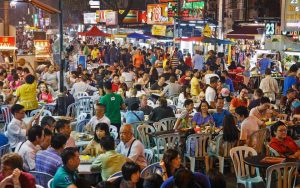
Food is one of the main reasons people travel to TTDI. The neighbourhood supports a broad mix of long-running local businesses and newer dining concepts, reflecting both its established community and changing tastes.
Kopitiams and Local Breakfast
TTDI’s kopitiams and casual eateries are where the neighbourhood feels most grounded. Depending on where you go, breakfast may include toast and eggs, nasi lemak, noodles, roti canai or other familiar Malaysian dishes.
These places are often busiest in the morning and at lunchtime. Some have loyal customers who have returned for years, giving them a stronger sense of continuity than newer lifestyle restaurants.
Malaysian Food
The wider TTDI area offers Malay, Chinese and Indian Malaysian cooking, alongside mamak restaurants and casual rice-and-noodle shops.
Rather than being known for just one signature dish, TTDI works best as an all-round food neighbourhood. Options range from quick weekday meals to restaurants suitable for large family dinners.
Budget-conscious visitors can combine this guide with our recommendations for cheap food in Kuala Lumpur.
Cafés, Bakeries and Brunch
TTDI’s modern food identity is closely connected to its cafés and bakeries. The customer base includes residents, professionals, families, cyclists and people travelling from elsewhere in the Klang Valley for weekend brunch.
Typical choices include:
- Specialty coffee
- Sourdough and pastries
- Egg-based breakfasts
- Pasta and sandwiches
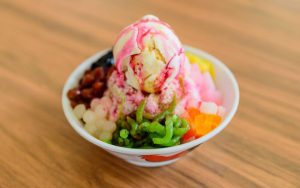
- Cakes and desserts
- Contemporary Malaysian-inspired dishes
Popular cafés can become crowded on weekends. Arriving before the main brunch period usually makes parking and seating easier.
Casual and International Dining
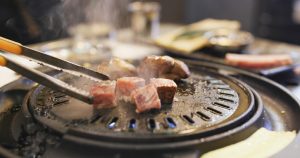
TTDI also has a wide selection of casual international food, including Japanese, Korean, Thai, Western and modern Asian restaurants. The neighbourhood’s mix of residents helps sustain both familiar family establishments and more experimental concepts.
Many restaurants are concentrated within a relatively compact commercial zone, making TTDI useful when a group cannot agree on a single cuisine.
Dinner, Drinks and Supper
Although TTDI is not primarily a nightlife district, its restaurants, pubs and neighbourhood bars give it an active evening atmosphere.
Nightlife here tends to be casual and conversation-led rather than centred on large clubs. It is better suited to dinner, drinks with friends or a relaxed gathering than a full night of clubbing.
For a livelier late-night experience, explore the city’s wider selection of bars and nightlife in Kuala Lumpur. Late diners can also refer to our guide to 24-hour food in Kuala Lumpur.
Shopping and Everyday Conveniences
TTDI is not a major shopping destination, but it is exceptionally convenient for everyday needs.
Around the neighbourhood, you can find:
- Supermarkets and grocers
- Bakeries
- Pharmacies
- Clinics and dental practices
- Banks
- Pet shops
- Fitness studios
- Salons and personal-care services
- Independent speciality stores
This practical retail mix is part of what makes TTDI feel self-contained. Residents rarely need to travel far for routine errands.
For larger shopping trips, 1 Utama Shopping Centre is a short drive or MRT journey away. The Curve, IKEA Damansara and other shopping centres around Mutiara Damansara are also easily accessible by car.
Visitors planning a broader retail itinerary can browse our guide to the best shopping malls in Kuala Lumpur.
Getting to TTDI
By MRT
The easiest way to reach TTDI without a car is through the TTDI MRT station on the Kajang Line.
The line connects the area directly with major destinations such as:
- Bandar Utama
- Muzium Negara and KL Sentral
- Bukit Bintang
- Merdeka
- Pasar Seni
- Tun Razak Exchange
This makes TTDI relatively convenient for visitors staying in central Kuala Lumpur. Our Kuala Lumpur MRT guide explains the wider rail network and how to use it.
One important point is that the MRT station sits beside Jalan Damansara rather than directly within every part of the neighbourhood. Some restaurants, the market and Bukit Kiara may still require a walk, feeder bus or short ride-hailing journey.
By Bus
Rapid KL feeder buses connect the MRT station with different sections of TTDI and nearby neighbourhoods. Routes and operating arrangements may change, so check the current MyRapid information before travelling.
By Car or Ride-Hailing Service
TTDI is accessible from Jalan Damansara and several roads connecting it with Bandar Utama, Petaling Jaya and other parts of Kuala Lumpur.
Grab and other ride-hailing services are generally convenient, especially when travelling between the MRT station, commercial areas and Bukit Kiara.
Parking can be difficult during:
- Weekday lunch hours
- Friday and Saturday evenings
- Weekend brunch periods
- Busy mornings near the market and park
If possible, use the MRT and complete the final part of the journey by feeder bus or ride-hailing service.
Is TTDI Walkable?
TTDI is walkable within individual pockets but not necessarily across the entire neighbourhood.
The commercial streets around the central shoplots can be explored on foot. The same applies to the park once you have reached its entrance. However, distances between these areas, uneven pedestrian infrastructure and hot weather can make an entirely walking-based itinerary uncomfortable.
A practical approach is to:
- Take the MRT to TTDI.
- Use a feeder bus or Grab to reach the market or park.
- Explore each cluster on foot.
- Use another short ride when moving to the next part of the neighbourhood.
This is common in Kuala Lumpur, where many neighbourhoods were planned around road access. Our guide to getting around Kuala Lumpur covers the most useful transport options for visitors.
Best Time to Visit TTDI
The best time to visit depends on what you want to experience.
Early Morning
Come early for the TTDI Market, local breakfast and a walk around Bukit Kiara. The temperature is usually more comfortable, and you will see the neighbourhood at its most active and authentic.
Late Morning to Afternoon
This is a good period for café-hopping, brunch and browsing the commercial streets. Weekdays are generally calmer, while weekends bring larger café crowds.
Evening
Visit in the evening for dinner, dessert or drinks. The commercial areas become lively without feeling as intense as the nightlife districts in central Kuala Lumpur.
Heavy rain can affect hiking plans and make traffic slower, so keep an indoor alternative ready during wetter periods. These rainy-day activities in Kuala Lumpur may be useful if the weather changes.
What It Is Like to Live in TTDI
TTDI is considered one of Kuala Lumpur’s most desirable mature residential neighbourhoods. Its appeal comes from a combination of established infrastructure, greenery, transport access and a strong local identity.
Housing includes:
- Terrace houses
- Semi-detached homes
- Bungalows
- Apartments
- Condominiums
- Newer high-rise residences near Jalan Damansara
The neighbourhood attracts families, professionals, business owners, retirees and long-term residents. Its location near Kuala Lumpur and Petaling Jaya also makes it practical for households whose daily activities extend across the Klang Valley.
Advantages of Living in TTDI
- Mature and established neighbourhood
- Strong food and café selection
- Access to green spaces
- MRT connectivity
- Good range of daily conveniences
- Active resident community
- Close to Bandar Utama and Petaling Jaya
Things to Consider
- Property prices and rents can be relatively high
- Traffic builds up during peak hours
- Parking is limited in popular commercial areas
- Not every section is easily walkable
- Restaurants and cafés can become crowded on weekends
TTDI shares some qualities with Bangsar, although it generally feels greener, quieter and more suburban. Bangsar has a stronger nightlife and retail identity, while TTDI is more closely associated with community life, parks and everyday dining.
Nearby Areas to Explore
Bandar Utama
Located immediately across the Kuala Lumpur–Selangor boundary, Bandar Utama is best known for 1 Utama Shopping Centre. It is directly connected to TTDI by road and the MRT Kajang Line.
Petaling Jaya
The wider Petaling Jaya area offers extensive food, shopping and neighbourhood exploration. Damansara Uptown, SS2 and other established commercial districts can be combined with a visit to TTDI.
Damansara Heights
Damansara Heights is an upscale residential and dining district southeast of TTDI. Visit for restaurants, cafés and a quieter alternative to central Kuala Lumpur.
Bangsar
For more cafés, restaurants, boutiques and evening venues, continue to Bangsar. It offers a denser and more energetic lifestyle scene than TTDI.
Mont Kiara and Sri Hartamas
These neighbouring districts are known for international restaurants, high-rise residences and large expatriate communities. They are easiest to reach from TTDI by car or ride-hailing service.
Is TTDI Worth Visiting?
TTDI is worth visiting if you enjoy food, coffee, markets, parks and neighbourhood exploration.
It is particularly suitable for:
- Repeat visitors who have already seen KL’s major landmarks
- Travellers curious about local daily life
- Café and food enthusiasts
- Visitors looking for green space within the city
- People staying around Damansara or Petaling Jaya
- Those considering living in Kuala Lumpur
It may be less suitable if you have only one day in Kuala Lumpur and want to prioritise major landmarks. In that case, begin with the essential destinations in our guide to the best places to visit in Kuala Lumpur.
Frequently Asked Questions About TTDI
What does TTDI stand for?
TTDI stands for Taman Tun Dr Ismail. The township was named after Tun Dr Ismail Abdul Rahman, a prominent Malaysian statesman and former Deputy Prime Minister.
Is TTDI in Kuala Lumpur or Selangor?
TTDI is within the Federal Territory of Kuala Lumpur. However, it sits beside the Selangor boundary and is closely connected to Bandar Utama and Petaling Jaya.
How do I get to TTDI from central Kuala Lumpur?
Take the MRT Kajang Line to TTDI station. Depending on your destination within the neighbourhood, continue on foot, by feeder bus or with a short ride-hailing journey.
What is TTDI famous for?
TTDI is known for its cafés, restaurants, neighbourhood market, mature residential environment and access to Bukit Kiara’s green spaces.
Is TTDI good for tourists?
Yes, especially for visitors who want to explore local food and daily life beyond Kuala Lumpur’s main tourist districts. However, TTDI is better treated as a neighbourhood experience than a sightseeing destination.
Is TTDI suitable for families?
Yes. Its parks, established residential streets, schools, healthcare services and everyday conveniences have made it especially popular with families.
Is TTDI expensive?
Property and some dining options can be relatively expensive compared with less central suburbs. Nevertheless, the area still offers casual eateries, market food and reasonably priced local meals.
How much time should I spend in TTDI?
Allow half a day for the market, park, food and café scene. Two to three hours may be sufficient if you are only visiting for a meal and coffee.
TTDI represents a side of Kuala Lumpur that visitors can easily miss.
There are no skyscrapers competing for attention and few conventional tourist attractions. Instead, the neighbourhood is shaped by morning market routines, busy restaurants, independent cafés, green trails and residents who have built their lives around the area.
That combination makes TTDI more than another dining destination. It is a mature, lived-in neighbourhood where Kuala Lumpur’s urban energy meets a slower and more community-oriented rhythm.
If you want to understand the city beyond its landmarks, spend a morning at the market, walk around Bukit Kiara and stay for lunch or coffee. TTDI may not demand attention, but that understated character is precisely what makes it special.