
Tugu Negara is one of Kuala Lumpur’s most important historical landmarks — a powerful tribute to those who sacrificed their lives for Malaysia’s freedom.
Located within the green enclave of Perdana Botanical Gardens, this iconic monument stands not just as a sculpture, but as a symbol of resilience, unity, and national identity.
What Is Tugu Negara?
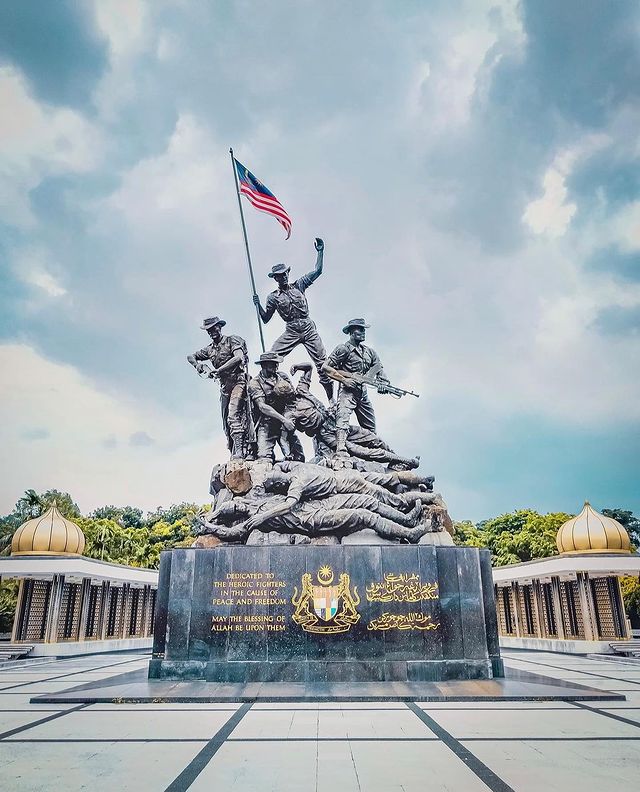
Photo / IG @mingleeng
Tugu Negara (National Monument) is a bronze sculpture commemorating Malaysian soldiers who died in:
- World War II
- The Malayan Emergency (1948–1960)
It is one of the largest freestanding bronze sculptures in the world, representing a group of soldiers in a dramatic and symbolic pose — led by a central figure holding the Malaysian flag high.
The History of Tugu Negara
From Cenotaph to Monument
Before Tugu Negara, a cenotaph was erected in remembrance of fallen soldiers near what is now Merdeka Square.
However, as the nation evolved, a more significant memorial was envisioned.
Construction & Design
- Completed in 1966
- Designed by American sculptor Felix de Weldon
- Inspired by the famous Marine Corps War Memorial
The sculpture features seven soldiers, each representing core values:
- Leadership
- Courage
- Unity
- Strength
- Vigilance
- Suffering
- Sacrifice
A Site of National Importance
Tugu Negara has since become:
- A site for official ceremonies
- A place for remembrance, especially during Warriors’ Day (Hari Pahlawan)
- A landmark representing Malaysia’s journey toward independence
What the Sculpture Represents
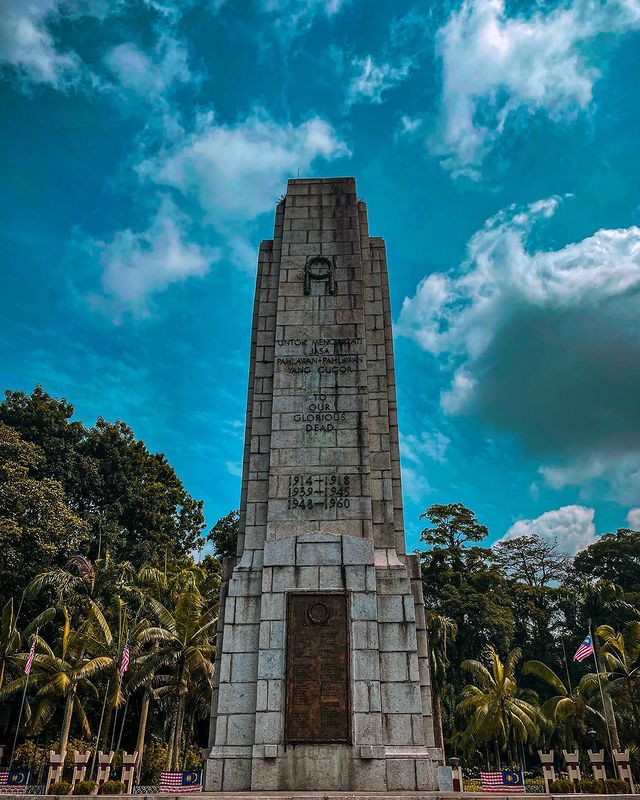
Photo / IG @rabbysnaen
At the heart of Tugu Negara is a deeply symbolic composition:
Central Figure
- Holding the Malaysian flag high
- Represents victory and national pride
Fallen Soldiers
- Depicted lying or wounded
- Symbolise sacrifice and the cost of freedom
Supporting Figures
- Standing strong and alert
- Reflect unity, vigilance, and strength
Surroundings
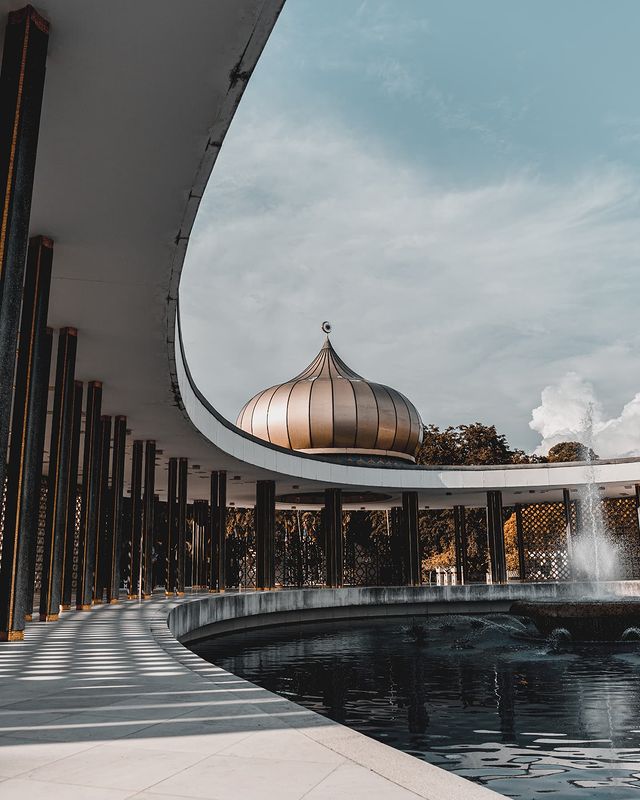
- Reflecting pool and landscaped gardens
- Create a solemn, respectful atmosphere
Why Visit Tugu Negara?
1. A Powerful Historical Experience
Tugu Negara is not just visual — it tells a story of struggle, loss, and independence that shaped Malaysia.
2. One of KL’s Most Meaningful Landmarks
Unlike modern attractions like the Petronas Twin Towers, this monument offers emotional and historical depth.
3. Peaceful Green Surroundings
Located within Perdana Botanical Gardens, it’s quiet, spacious, and reflective.
4. Ideal for Cultural Exploration
Pairs perfectly with nearby museums and heritage sites for a deeper understanding of Kuala Lumpur.
What to Expect During Your Visit
Monument Area
- Elevated platform with the bronze sculpture
- Best viewed from multiple angles
Reflecting Pool
- Adds visual symmetry
- Enhances the monument’s solemn atmosphere
Inscription Plaque
- Honours fallen soldiers
- Provides historical context
Landscaped Gardens
- Ideal for a slow walk
- Quiet, shaded environment
How to Visit Tugu Negara
Location
- Within Perdana Botanical Gardens
- Close to:
- National Museum of Malaysia
- Islamic Arts Museum Malaysia
Opening Hours
- Typically daily, morning to evening
- Accessible as an outdoor public monument
Entrance Fee
- Free entry
Getting There
- Best by car or ride-hailing
- Can be combined with nearby attractions in a half-day itinerary
Best Time to Visit
- Early Morning (7am–10am)
Cooler weather, fewer visitors, better lighting - Late Afternoon (4pm–6pm)
Softer light and more comfortable temperatures
Avoid midday heat, as the monument area is exposed.
Nearby Attractions to Combine
Cultural & Historical Sites
Nature & Parks
This makes Tugu Negara a key stop in a heritage + nature route in KL.
Why Tugu Negara Still Matters Today
Tugu Negara is more than a monument — it is:
- A reminder of the sacrifices behind Malaysia’s independence
- A symbol of unity across diverse communities
- A place of reflection for both locals and visitors
In a rapidly modernising Kuala Lumpur, it anchors the city to its past — ensuring that the stories of courage and sacrifice are never forgotten.
FAQ About Tugu Negara
What does Tugu Negara represent?
It honours Malaysian soldiers who died in World War II and the Malayan Emergency.
Is Tugu Negara free to visit?
Yes — it is a public monument with free entry.
How long should I spend here?
Around 30 to 60 minutes is sufficient for exploration and photography.
Is it suitable for tourists?
Absolutely — especially for those interested in:
- History
- Culture
- Meaningful landmarks
Can I visit at night?
Yes, but daytime visits are recommended for better visibility and appreciation of details.
Tugu Negara stands as one of Kuala Lumpur’s most significant yet often overlooked landmarks.
While many visitors are drawn to the city’s skyscrapers and shopping districts, this monument offers something deeper — a moment to pause, reflect, and understand the sacrifices that shaped modern Malaysia.
If you’re building a meaningful itinerary in Kuala Lumpur, Tugu Negara is not just a stop — it’s an experience.