
Kuala Lumpur is a city built on layers of history — from its beginnings as a muddy tin-mining settlement in the 1850s to becoming one of Southeast Asia’s most modern capitals.
Unlike many cities where history is hidden in museums, Kuala Lumpur’s story unfolds through its landmarks. From colonial-era architecture to independence-era monuments and modern skyscrapers, each site represents a chapter in the city’s evolution.
This guide brings you through the most important historical landmarks in Kuala Lumpur, organised by timeline — so you don’t just visit them, but understand how Kuala Lumpur became what it is today.
If you’re planning your visit, you may also want to explore our first time in Kuala Lumpur guide and top things to do in Kuala Lumpur for a complete itinerary.
A Brief History of Kuala Lumpur
Before exploring the landmarks, here’s how Kuala Lumpur evolved:
- 1850s — Founded as a tin-mining settlement
- Late 1800s — Developed under British colonial rule
- Early 1900s — Administrative and commercial hub
- 1957 — Independence declared at Merdeka Square
- 1990s–Present — Rapid urbanisation and global city status
These phases are still visible across the city — through its landmarks.
Colonial & Early Kuala Lumpur (1850s – 1940s)
Most of Kuala Lumpur’s earliest landmarks are concentrated around the historic core near the Klang River and Merdeka Square.
Sultan Abdul Samad Building
The Sultan Abdul Samad Building is an iconic Moorish-style landmark completed in 1897, once housing British administration offices and now symbolising Kuala Lumpur’s colonial past alongside the historic Merdeka Square.
Why it matters:
- Served as British administrative headquarters
- Features Moorish-style architecture
- Faces Merdeka Square — the heart of historic KL
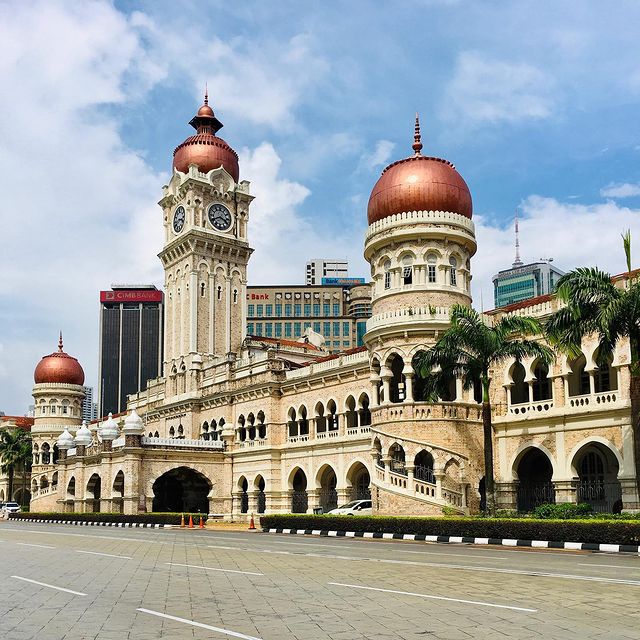
Photo / IG @kevinpoh1
Merdeka Square
A historic open field where Malaysia declared independence in 1957, surrounded by colonial-era architecture and serving as the symbolic heart of Kuala Lumpur’s national identity.
Why it matters:
- One of the most historically important sites in the country
- Surrounded by colonial-era buildings
- Symbol of national identity
Sultan Abdul Samad Jamek Mosque
Situated at the confluence of the Klang and Gombak rivers, this 1909 mosque marks Kuala Lumpur’s birthplace and features elegant Mughal-inspired architecture by British architect Hubback.
Why it matters:
- One of KL’s oldest mosques (1909)
- Marks the original settlement area
- Designed by a prominent colonial architect
Kuala Lumpur Railway Station
Built in 1910, this grand station blends Islamic and Victorian architectural influences, reflecting Kuala Lumpur’s colonial-era infrastructure development and serving as a historic transportation hub.
Why it matters:
- Key transport hub during British Malaya
- Represents early infrastructure development
- One of KL’s most photographed heritage buildings
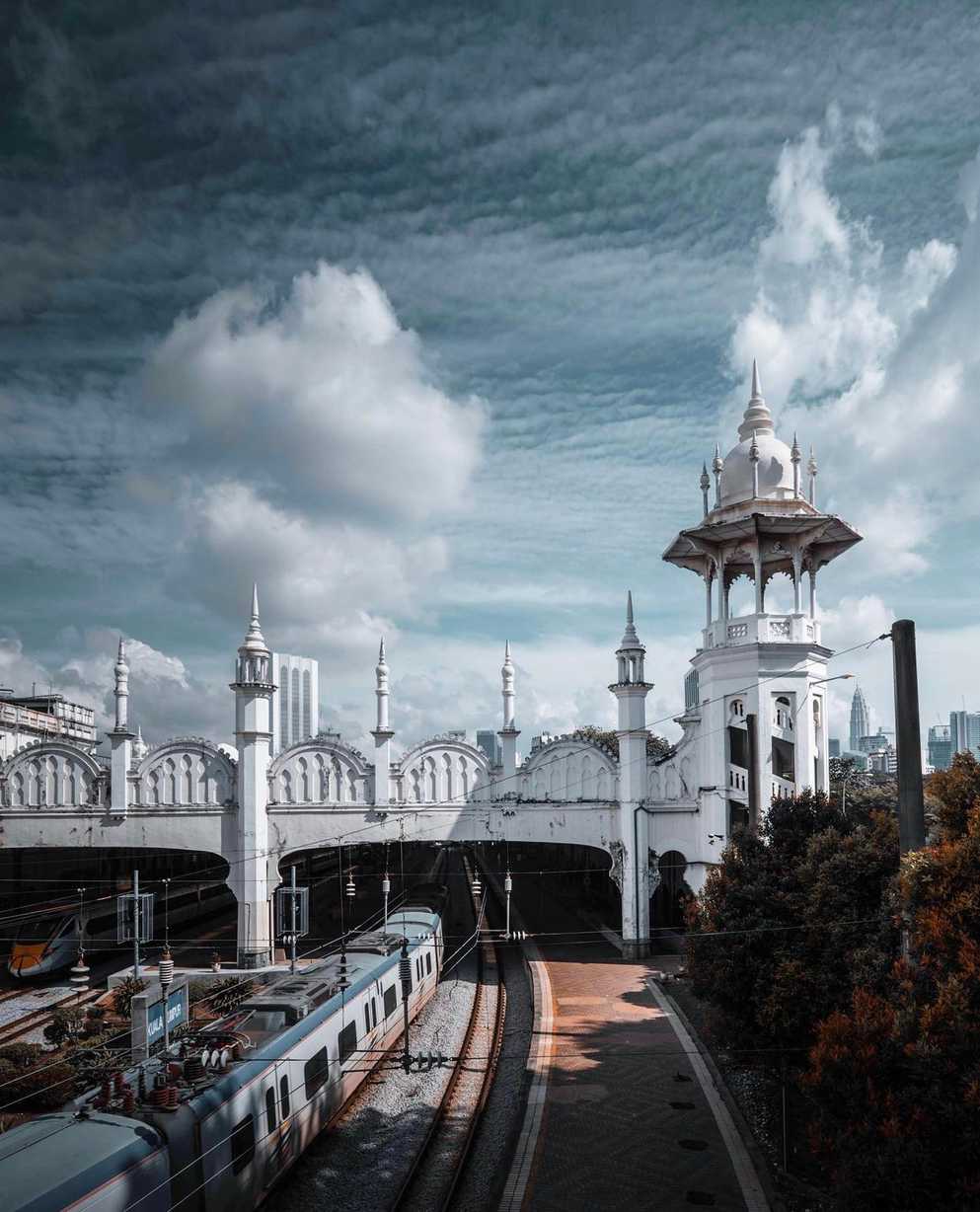
Photo / IG @vincentkhor7
Lesser-Known Colonial Landmarks Around Merdeka Square
Beyond the major icons, several smaller landmarks add depth to Kuala Lumpur’s historical landscape.
National Textile Museum
Housed in a restored colonial building, this museum showcases Malaysia’s rich textile heritage, from traditional fabrics to intricate weaving techniques across diverse cultural communities.
Royal Selangor Club
Established during British rule, this exclusive club reflects colonial social life and leisure culture, standing prominently along Merdeka Square with its Tudor-style architecture.
Rumah Tangsi
A beautifully restored heritage mansion blending Chinese and European influences, now serving as a cultural venue for events, exhibitions, and performances in Kuala Lumpur.
City Theatre Kuala Lumpur
One of Kuala Lumpur’s earliest performance venues, the City Theatre reflects the city’s early entertainment culture and artistic scene during the colonial period.
Oriental Building Kuala Lumpur
A historic commercial building representing early business activity in Kuala Lumpur, associated with the development of trade and finance in the city’s colonial era.
Bangunan Sulaiman
An early administrative building that played a role in Kuala Lumpur’s governance structure, reflecting the city’s transition into an organised urban centre.
These sites provide a glimpse into daily life, governance, and culture during colonial Kuala Lumpur, beyond major monuments.
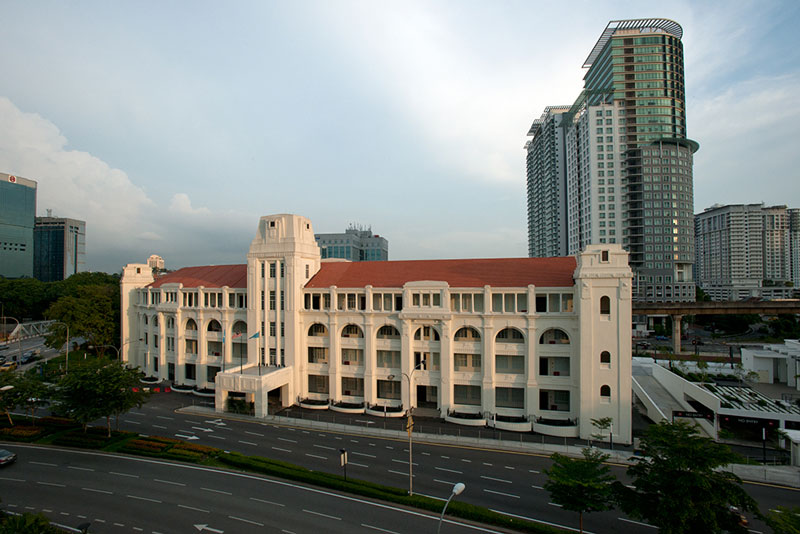
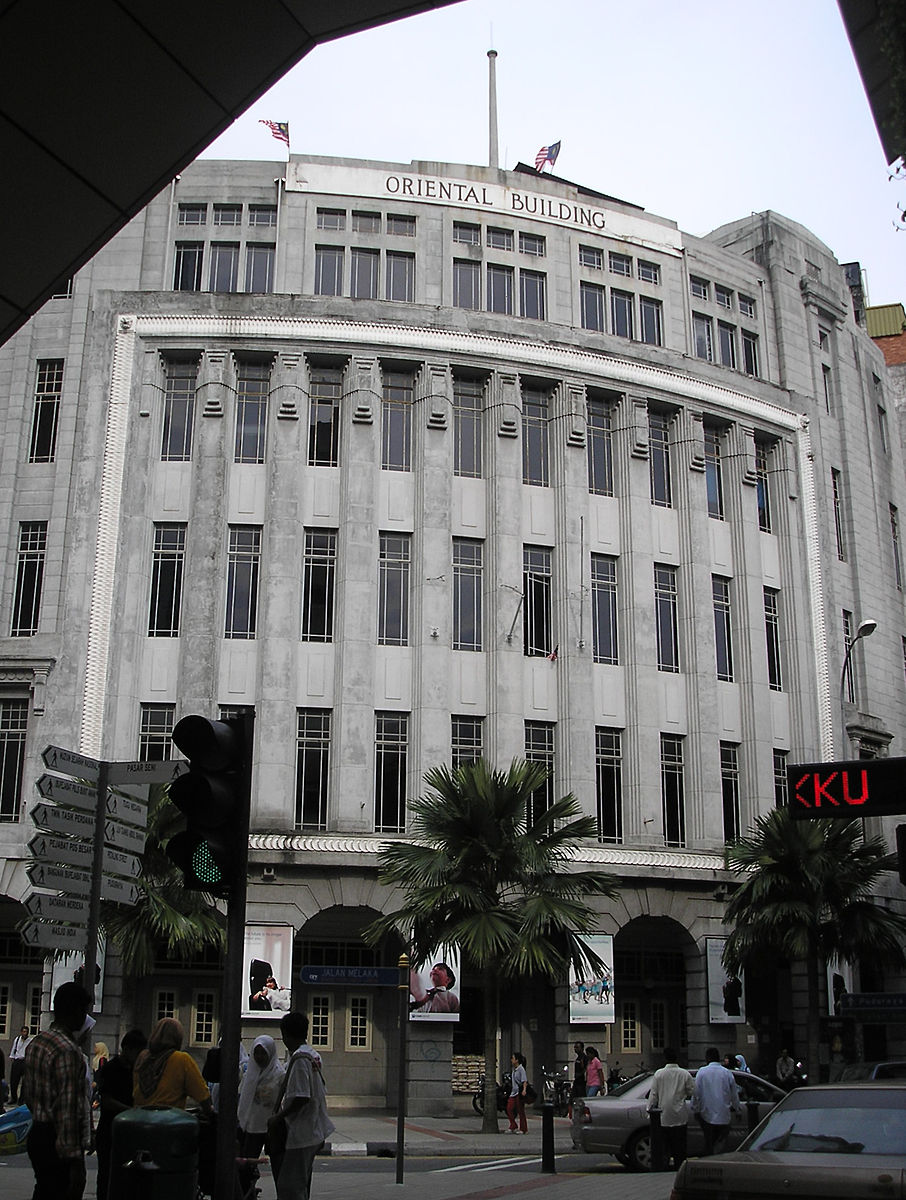
Independence & Nation-Building Era (1950s – 1980s)
Following independence, Kuala Lumpur began to establish its national identity.
National Mosque (Masjid Negara)
Completed in 1965, this modern mosque symbolises Malaysia’s independence, featuring a unique geometric roof design and serving as a major national and religious landmark.
Why it matters:
- Built to commemorate independence
- Modern Islamic architectural style
- Major religious and national landmark
National Museum of Malaysia
The country’s main museum offering a comprehensive journey through Malaysia’s history, from prehistoric times to modern development, housed in a building inspired by traditional architecture.
Why it matters:
- Covers prehistoric to modern Malaysia
- Houses important artefacts and exhibits
- Complements visits to historical landmarks
You can explore more in our museum guide to Kuala Lumpur.
Modern Landmarks That Define KL’s History Today
Modern structures are also part of Kuala Lumpur’s historical narrative — representing progress and transformation.
Petronas Twin Towers
Completed in 1998, these iconic twin towers symbolise Malaysia’s rapid economic growth and global presence, once holding the title of the world’s tallest buildings.
Why it matters:
- Symbol of Malaysia’s economic rise
- Defines KL’s global image
- Key highlight for visitors
Explore more: The Petronas Twin Towers Guide
Kuala Lumpur Tower
A prominent telecommunications tower offering panoramic views of the city, representing Kuala Lumpur’s modern infrastructure and technological advancement.
Why it matters:
- Represents modern infrastructure
- Offers perspective on KL’s urban expansion
Explore more: Kuala Lumpur Tower Guide
Merdeka 118
One of the tallest buildings in the world, Merdeka 118 stands near the historic Merdeka Square, symbolising Malaysia’s ambition and linking its independence legacy with future growth.
Why it matters:
- Connects past and future symbolically
- Built near the site of independence
- Represents Malaysia’s ambition
Read more: Merdeka 118, the Second Tallest Skyscraper in the World
How to Explore Kuala Lumpur’s Historical Landmarks
To experience these landmarks effectively:
1. Start at the Historical Core
- Begin at Merdeka Square
- Walk through surrounding colonial landmarks
- Visit Jamek Mosque
2. Combine with Cultural Experiences
Explore nearby areas such as:
- Petaling Street & Chinatown KL
- Central Market
See our cultural heritage sites in Kuala Lumpur for deeper insights.
3. Explore by Neighbourhood
Different areas offer different historical perspectives:
- Old KL → colonial history
- KLCC → modern development
Refer to our Kuala Lumpur neighbourhood guide for planning.
Why These Landmarks Matter
Kuala Lumpur’s landmarks collectively represent:
- The city’s origin as a mining settlement
- The influence of British colonial rule
- The journey to independence
- The rise of a modern global city
Together, they form a living timeline that visitors can experience in one city.
FAQs About Historical Landmarks in Kuala Lumpur
What are the most important historical landmarks in Kuala Lumpur?
The most important include Sultan Abdul Samad Building, Merdeka Square, Jamek Mosque, Kuala Lumpur Railway Station, and the Petronas Twin Towers.
Where is the historical centre of Kuala Lumpur?
The main historical centre is around Merdeka Square, where many colonial-era landmarks are located.
Are modern buildings considered historical landmarks in Kuala Lumpur?
Yes. Buildings like the Petronas Twin Towers and Merdeka 118 represent important phases in Kuala Lumpur’s development.
How long should I spend exploring historical landmarks in Kuala Lumpur?
You can cover the main landmarks in one day, but a deeper exploration may take 2–3 days.
What is the best way to explore historical Kuala Lumpur?
Walking around the Merdeka Square area is the best way to experience Kuala Lumpur’s historical core.