Yee Sang Origin: The Seremban Story Behind Lou Hei
Every Chinese New Year, tables across Malaysia fill with a colourful platter of shredded vegetables, raw fish and sweet sauce — and moments later, laughter erupts as everyone tosses the dish high into the air.
This is Yee Sang, also known as Lou Hei (捞起) — a uniquely Malaysian Chinese tradition that has become inseparable from Chinese New Year celebrations.
But while many assume Yee Sang comes from China, its modern version is widely believed to have originated in Seremban, Malaysia.
Here’s the full story behind one of Malaysia’s most iconic festive dishes.
What Is Yee Sang?
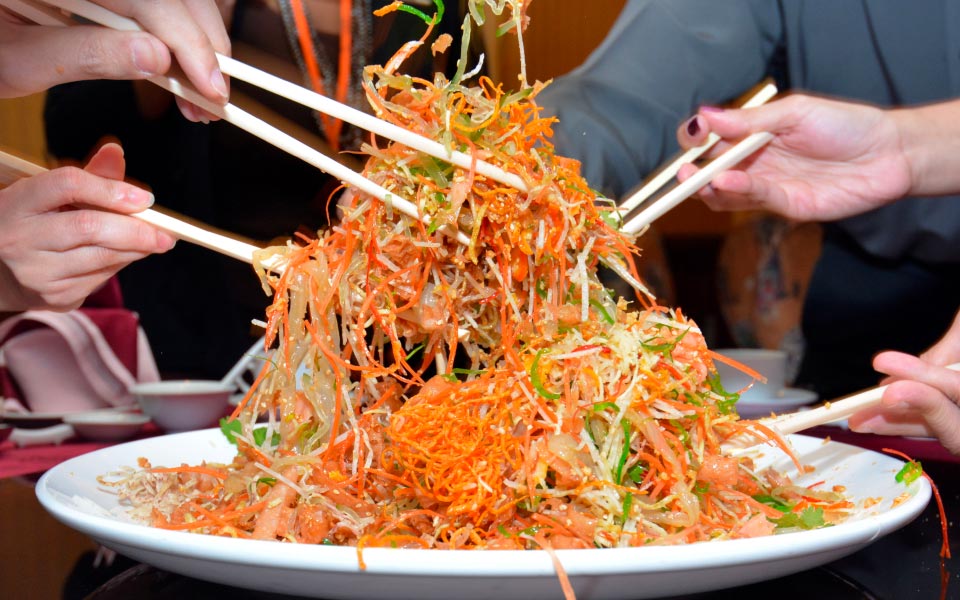
Yee Sang (鱼生), literally meaning “raw fish,” is a raw fish salad traditionally eaten during the Chinese New Year.
It is most famously associated with the act of:
- Gathering family and friends
- Tossing the ingredients high into the air
- Shouting auspicious wishes
- Wishing for prosperity and abundance
The higher the toss, the greater the fortune believed to come in the year ahead.
Yee Sang is typically served before the main dishes at reunion dinners or festive gatherings.
The Origin of Yee Sang in Malaysia
Although raw fish dishes existed in southern China centuries ago, the modern festive Yee Sang as we know it today is believed to have been popularised in Malaysia.
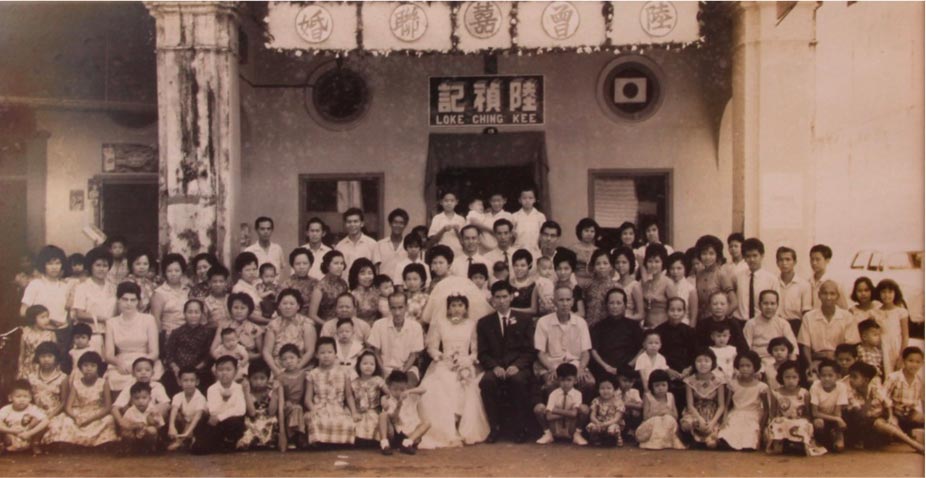
According to widely circulated accounts, the modern “Lou Hei Yee Sang” was created in the 1940s by a Cantonese migrant named Loke Ching Fatt, who operated a catering business in Seremban.
Interestingly, Loke Ching Fatt is also known as the grandfather of Malaysia’s current Transport Minister, Anthony Loke.
The dish was originally meant to be eaten on the seventh day of the Lunar New Year, known as Ren Ri (人日) — the “Birthday of Mankind.”
The Meaning Behind Lou Hei (捞起)
The act of tossing Yee Sang is known as Lou Hei, which means “tossing up.”
But symbolically, it also sounds like “rising” — representing:
- Rising fortune
- Rising wealth
- Rising success
During the tossing, participants shout auspicious phrases such as:
- “Gong Xi Fa Cai!” (Wishing you prosperity)
- “Nian Nian You Yu!” (Abundance year after year)
- “Bu Bu Gao Sheng!” (Rise higher step by step)
The louder and higher the toss, the more symbolic prosperity for the coming year.
What Is in Yee Sang?
The composition of yee sang in itself is significant to the Chinese, owing to the meaning ascribed to each ingredient. Although there are many different variations of yee sang nowadays, most of them contains this few ingredients:
- Raw fish slices, usually salmon – To symbolise an abundance of prosperity
- Pomelo – To symbolise an abundance of good luck
- Cucumber – To symbolise many happy returns
- Papaya – To symbolise many happy returns, and the ability to be the best version of one’s self
- Carrot – To symbolise an abundance of wealth
- Crackers – To symbolise gold ingots used in ancient China
- Crushed peanuts or sesame seeds – To symbolise fertility
- Vegetable oil – To symbolise liquid gold coating all aspects of one’s endeavours
- Plum sauce – To symbolise a year filled with sweetness
- Lime – To symbolise many good tidings
- Five spice powder – To symbolise the five branches of happiness, namely family, wealth, health, kindness, and a happy ending
How Yee Sang Became a Malaysian Chinese Identity
Although raw fish dishes have historical roots in China, the modern ceremonial tossing of Yee Sang is largely a Malaysian and Singaporean phenomenon.
In Malaysia, the practice spread rapidly through:
- Cantonese restaurant networks
- Chinese business communities
- Corporate Chinese New Year dinners
Today, Yee Sang is:
- Served in restaurants
- Ordered for corporate gatherings
- A must-have at reunion dinners
- A popular festive takeaway item
It is one of the few dishes that truly represents Malaysian Chinese culinary identity.
When Is Yee Sang Eaten?
Although traditionally linked to Ren Ri (7th day of Lunar New Year), modern practice sees Yee Sang enjoyed:
- From reunion dinner (New Year’s Eve)
- Throughout the 15 days of celebration
- At corporate CNY events
- During open houses
It has evolved into a flexible festive ritual.
National Heritage Recognition
Yee Sang has become such an important part of Malaysian culture that it has been included in Malaysia’s National Heritage List.
Its recognition highlights:
- Cultural integration
- Local adaptation of Chinese traditions
- Malaysia’s multicultural heritage
Yee Sang is not merely food — it is ritual, performance and symbolism combined.
Yee Sang may have roots in Chinese culinary history, but its modern ceremonial form is unmistakably Malaysian.
Originating from Seremban in the 1940s and spreading nationwide, it has become one of the most iconic traditions of Chinese New Year in Malaysia.
Beyond its colourful ingredients and sweet plum sauce lies something deeper — a shared wish for prosperity, unity and rising fortune in the year ahead.
And perhaps that’s why, year after year, Malaysians continue to toss it higher.