When it comes to Southeast Asia travel, two cities consistently dominate the conversation: Kuala Lumpur and Bangkok.
Both are vibrant, fast-paced, culturally rich, and packed with food, shopping, and experiences. But they offer very different travel vibes.
So which city is better for your trip?
This in-depth guide compares Kuala Lumpur vs Bangkok across key travel factors — from cost and food to nightlife, culture, and overall experience — helping you decide where to go.
Quick Overview: Kuala Lumpur vs Bangkok
| Category | Kuala Lumpur | Bangkok |
|---|---|---|
| Overall Vibe | Modern, relaxed, diverse | Chaotic, energetic, intense |
| Cost | Moderate, good value | Generally cheaper |
| Food Scene | Multicultural (Malay, Chinese, Indian) | Street food paradise (Thai-focused) |
| Transport | Easy & efficient | Busy but extensive |
| Shopping | Malls & lifestyle | Markets + malls |
| Nightlife | Chill to upscale | Wild and vibrant |
| Culture | Diverse & layered | Strong Thai identity |
| Cleanliness | Cleaner, more organised | More chaotic, crowded |
City Identity & First Impressions
Kuala Lumpur: Modern, Multicultural & Effortlessly Liveable
Kuala Lumpur is often described as one of Southeast Asia’s most accessible and balanced cities — a place where modern infrastructure meets deep cultural diversity.
At first glance, the skyline immediately defines the city, anchored by the iconic Petronas Twin Towers. But beyond the skyscrapers, Kuala Lumpur reveals layers of identity through its neighbourhoods, food, and everyday life.
What makes Kuala Lumpur stand out is its multicultural foundation:
- Malay, Chinese, and Indian influences coexist seamlessly
- Mosques, temples, and churches sit within minutes of each other
- Food, language, and traditions blend into a uniquely Malaysian identity
Compared to other major cities in the region, Kuala Lumpur feels:
- More organised and structured
- Less overwhelming for first-time visitors
- Easier to navigate with its integrated rail system
This makes it an ideal starting point if you’re planning your 1-Day Kuala Lumpur Itinerary or even a longer stay exploring the city’s districts.
You’ll also notice how the city transitions naturally between:
- Modern hubs like Bukit Bintang
- Cultural enclaves like Petaling Street
- Landmark-driven areas like KLCC
Overall, Kuala Lumpur delivers a well-rounded, comfortable urban experience — one that balances exploration, food, shopping, and culture without overwhelming the traveller.
Bangkok: High-Energy, Chaotic & Intensely Cultural
Bangkok offers a completely different first impression — one that is immediate, intense, and impossible to ignore.
From the moment you arrive, the city surrounds you with:
- Constant movement and traffic
- Bustling street markets and food stalls
- A sensory overload of sights, sounds, and smells
Unlike Kuala Lumpur’s more measured pace, Bangkok thrives on energy and unpredictability.
The city’s identity is deeply tied to Thai culture and history, reflected in landmarks such as Wat Arun and the Grand Palace. These sites aren’t just attractions — they are central to the city’s identity and daily life.
Bangkok feels:
- More intense and immersive
- More chaotic, especially during peak hours
- Rich in street-level experiences
It’s the kind of city where:
- A quiet alley can lead to a hidden food gem
- A short walk turns into a full sensory journey
- Every corner feels alive, especially at night
Overall, Bangkok delivers a high-energy, experience-driven city atmosphere — perfect for travellers who want to dive straight into the action.
Cost of Travel: Which Is More Affordable?
For many travellers, cost plays a major role in deciding between Kuala Lumpur and Bangkok.
While both cities are considered affordable by global standards, they differ in how and where you spend your money.
Kuala Lumpur: Better Value for Comfort & Quality
Kuala Lumpur offers strong value, especially if you prioritise comfort, convenience, and modern amenities.
Accommodation
- Mid-range hotels are highly competitive in price
- Luxury stays (especially around KLCC and Bukit Bintang) are relatively affordable
- High-quality serviced apartments widely available
You can explore options in our Where to Stay in Kuala Lumpur to match your budget and travel style.
Food & Dining
- Street food: RM5–RM15 (~$1–$3)
- Casual dining: RM15–RM30
- Cafés and lifestyle dining are slightly pricier but widely available
The variety means you can control your budget easily, from hawker food to upscale dining.
Transport
- MRT, LRT, and Monorail are efficient and affordable
- Grab rides are reasonably priced and widely used
- Walking is possible in key districts like KLCC and Bukit Bintang
For first-time visitors, getting around is simple — especially if you’re following a 1-Day Kuala Lumpur Itinerary.
Overall: Kuala Lumpur may not be the cheapest, but it offers excellent value for a higher level of comfort and convenience.
Bangkok: Budget-Friendly & Backpacker-Oriented
Bangkok is often seen as one of the most budget-friendly cities in Southeast Asia, especially for backpackers and long-term travellers.
Accommodation
- Budget hostels and guesthouses are extremely affordable
- Wide range of low-cost hotels across the city
- Luxury hotels also available, often at competitive prices
Food & Dining
- Street food: extremely cheap and accessible
- Meals from local vendors can cost as little as $1–$2
- Night markets offer a wide variety of affordable options
Bangkok excels in low-cost, high-flavour food experiences.
Transport
- BTS Skytrain and MRT are efficient in central areas
- Tuk-tuks and taxis add variety but can be inconsistent in pricing
- Traffic congestion may increase travel time (and cost indirectly)
Overall: Bangkok is generally cheaper on a day-to-day basis, especially for food and budget accommodation.
Food Scene: Multicultural vs Street Food Capital
Food is one of the biggest reasons travellers choose between Kuala Lumpur and Bangkok.
Both cities are global food destinations — but they offer very different culinary experiences.
Kuala Lumpur: Diversity on a Plate
What makes Kuala Lumpur’s food scene unique is its diversity — shaped by generations of Malay, Chinese, and Indian influences.
Instead of specialising in one cuisine, Kuala Lumpur gives you multiple food cultures in one city.
What You Can Expect
- Malay cuisine
Nasi lemak, satay, rendang — rich, aromatic, and rooted in local tradition - Chinese Malaysian cuisine
Char koay teow, Hokkien mee, dim sum — wok hei flavours and street classics - Indian cuisine
Roti canai, banana leaf rice, thosai — bold spices and comforting meals
This makes Kuala Lumpur ideal for travellers who want to explore a wide range of flavours without leaving the city.
Why Kuala Lumpur’s Food Scene Stands Out
- Multiple cuisines within walking distance
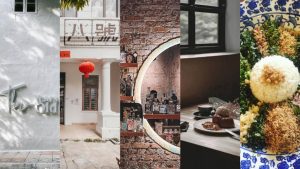
- Strong balance between street food and modern cafés
- Halal-friendly options widely available
- Cultural storytelling behind every dish
You can go from a traditional breakfast to a modern café brunch, and end the day with street food — all within the same neighbourhood.
This is why food plays a central role in many Things to Do in Kuala Lumpur experiences.
Where to Experience It
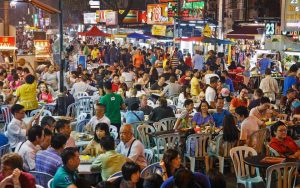
- Jalan Alor — KL’s most famous street food stretch
- Petaling Street — heritage eats and local classics
- Local kopitiams and hawker centres across the city
Kuala Lumpur’s strength is variety + accessibility + cultural depth.
Bangkok: Street Food Heaven
If Kuala Lumpur is about diversity, Bangkok is about intensity.
Widely recognised as one of the world’s top street food cities, Bangkok delivers a high-energy, street-driven culinary experience.
What You Can Expect
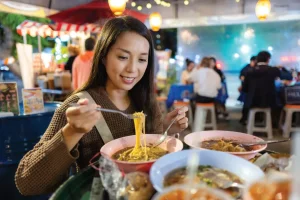
- Pad Thai, boat noodles, tom yum
- Mango sticky rice and Thai desserts
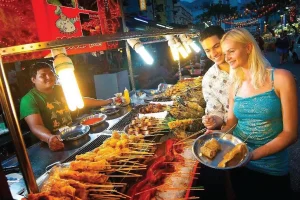
- Grilled meats, seafood, and skewers
Food is everywhere — on sidewalks, markets, alleys, and night streets.
Why Bangkok’s Food Scene Stands Out
- Extremely affordable street food
- Strong, bold, and consistent flavour profiles
- Night markets that double as food hubs
- High volume of food stalls across the city
Unlike Kuala Lumpur, Bangkok’s food scene is less about variety across cultures — and more about depth within Thai cuisine.
The Experience Factor
In Bangkok, eating is not just about the food — it’s about the environment:
- Sitting on plastic stools by the roadside
- Eating beside traffic and crowds
- Discovering hidden stalls in small alleys
It’s immersive, raw, and energetic.
Things to Do & Attractions
When comparing Kuala Lumpur and Bangkok, the biggest difference lies in how you experience the city.
Kuala Lumpur offers a balanced mix of modern attractions, culture, and lifestyle, while Bangkok leans heavily into historical landmarks, temples, and immersive street experiences.
Kuala Lumpur: A Balanced Urban Experience
In Kuala Lumpur, attractions are spread across different themes — making it easy to build a well-rounded itinerary.
Iconic Landmarks & Skyline
- Petronas Twin Towers — the city’s most recognisable icon
- KL Tower — panoramic views of the skyline
These landmarks form the core of most Things to Do in Kuala Lumpur itineraries.
Cultural & Heritage Attractions
- Batu Caves — one of Malaysia’s most important Hindu sites
- Petaling Street — heritage streets, markets, and local food
- Mosques, temples, and colonial-era buildings across the city
Kuala Lumpur’s strength lies in its multicultural storytelling.
Lifestyle, Shopping & Urban Experiences
- Pavilion Kuala Lumpur — one of the city’s top shopping destinations
- KLCC area for parks, malls, and skyline views
- Cafés, rooftop bars, and modern lifestyle spaces
Perfect for travellers who want a mix of sightseeing + leisure.
Why Kuala Lumpur Stands Out
- Attractions are diverse but not overwhelming
- Easy to combine multiple stops in one day
- Ideal for structured itineraries like a 1-Day Kuala Lumpur Itinerary
Overall, Kuala Lumpur offers a well-paced, accessible city experience.
Bangkok: Culture, Temples & Experiences
In contrast, Bangkok delivers a more experience-driven and culturally immersive journey.
Historic Landmarks & Temples
- Grand Palace — Thailand’s most famous landmark
- Wat Pho — home to the giant reclining Buddha
- Wat Arun — iconic riverside temple
Bangkok’s attractions are deeply rooted in Thai history and religion.
Markets & Local Experiences
- Chatuchak Weekend Market
- Floating markets around the city
- Night markets with food, shopping, and entertainment
These experiences define Bangkok’s street-level culture.
Unique Experiences
- River cruises along the Chao Phraya
- Tuk-tuk rides through busy streets
- Night market hopping
Bangkok is less about structured sightseeing — and more about exploration and discovery.
Shopping: Malls vs Markets
Shopping is one of the biggest highlights when visiting Kuala Lumpur and Bangkok — but the experience differs significantly.
Kuala Lumpur leans toward modern, mall-driven lifestyle shopping, while Bangkok offers a mix of markets, street shopping, and mega retail experiences.
Kuala Lumpur: Modern Malls & Lifestyle-Centric Experiences
In Kuala Lumpur, shopping is deeply integrated into the city’s lifestyle.
Major Shopping Districts
- Bukit Bintang — the heart of KL’s retail scene
- Pavilion Kuala Lumpur — luxury brands, dining, lifestyle
- Suria KLCC — shopping beneath the Petronas Twin Towers
These areas are often featured in guides like Where to Stay in Kuala Lumpur, as they combine convenience, shopping, and accessibility.
What Defines Shopping in Kuala Lumpur
- Air-conditioned, comfortable environments
- Strong mix of international brands and local designers
- Integrated cafés, restaurants, and entertainment
- Easy connectivity via MRT/LRT
Shopping here feels seamless and lifestyle-driven, not just transactional.
Beyond Shopping: Lifestyle Appeal
Kuala Lumpur’s shopping districts double as lifestyle hubs:
- Café hopping in Bukit Bintang
- Rooftop dining and bars
- Weekend mall culture with events and pop-ups
This makes KL ideal for travellers who want a relaxed, curated urban experience.
Explore more: Shopping in Kuala Lumpur
Bangkok: Markets, Bargains & Shopping Adventures
In Bangkok, shopping is more dynamic, diverse, and experience-driven.
Market Culture
- Chatuchak Weekend Market (one of the largest in the world)
- Night markets across the city
- Floating markets offering local products and food
Markets are central to Bangkok’s shopping identity.
Malls & Retail
Bangkok also features large shopping complexes:
- MBK Center (budget-friendly shopping)
- Siam Paragon (luxury retail)
But even malls in Bangkok feel more fast-paced and crowded compared to Kuala Lumpur.
What Defines Shopping in Bangkok
- Bargain hunting and negotiation culture
- Wide variety of goods (clothing, souvenirs, street items)
- High-energy, crowded environments
- Constant movement and discovery
Shopping here feels like an adventure rather than a routine.
Nightlife & Entertainment
Nightlife is one of the biggest differentiators between Kuala Lumpur and Bangkok.
While both cities come alive after dark, they offer completely different experiences — from relaxed rooftop evenings to full-scale party scenes.
Kuala Lumpur: Rooftop Bars, Social Nights & Lifestyle Experiences
In Kuala Lumpur, nightlife is less about chaos — and more about atmosphere, views, and social experiences.
Rooftop Bars & Skyline Experiences
- Bars around the Petronas Twin Towers area
- Sky lounges overlooking KL’s skyline
- Cocktail bars with curated menus and ambience
Perfect for travellers who prefer scenic, relaxed evenings over loud parties.
Social & Lifestyle Nightlife
- Bukit Bintang — bars, lounges, and late-night cafés
- Jalan Alor — food-driven nightlife experience
- Speakeasies and hidden cocktail bars across the city
Nights in KL often revolve around conversation, food, and atmosphere.
What Defines Nightlife in Kuala Lumpur
- More laid-back and upscale
- Safer and less overwhelming
- Strong mix of dining + drinks + socialising
- Ideal for couples, groups, and casual nights out
Bangkok: High-Energy, Non-Stop Entertainment
In contrast, Bangkok is known for its intense, high-energy nightlife scene.
Party Districts & Clubs
- Khao San Road — backpacker party hub
- Sukhumvit — clubs, bars, nightlife venues
- Large-scale nightclubs with international DJs
Bangkok is built for travellers who want late nights and high energy.
Night Markets & Entertainment
- Night markets with food, shopping, and performances
- Live music venues and street entertainment
- Late-night food culture that runs deep into the night
The city doesn’t slow down — it evolves as the night progresses.
What Defines Nightlife in Bangkok
- Loud, vibrant, and fast-paced
- Wide variety — from markets to mega clubs
- Social, spontaneous, and unpredictable
- Extends well beyond midnight
Bangkok delivers a full-spectrum nightlife experience.
Transport & Getting Around
Getting around is a key factor when comparing Kuala Lumpur and Bangkok.
While both cities have extensive transport systems, the experience differs significantly in terms of ease, efficiency, and comfort.
Kuala Lumpur: Efficient, Connected & Beginner-Friendly
In Kuala Lumpur, getting around is relatively straightforward, even for first-time visitors.
Rail Network & Connectivity
- MRT, LRT, and Monorail cover major areas
- Key districts like KLCC, Bukit Bintang, and Pasar Seni are well connected
- Clear signage and relatively easy navigation
You can move between major attractions like the Petronas Twin Towers and Petaling Street with minimal hassle.
Ride-Hailing & Accessibility
- Grab is widely available and affordable
- Short travel times between key areas
- Reliable pricing with minimal negotiation
This makes it easy to follow structured plans like in the Kuala Lumpur itineraries.
Walkability
- Walkable zones in KLCC and Bukit Bintang
- Covered pedestrian walkways in certain areas
- Safe and relatively comfortable compared to many regional cities
What Defines Transport in Kuala Lumpur
- Predictable and organised
- Beginner-friendly navigation
- Efficient for short stays
- Lower stress overall
Kuala Lumpur is one of the easiest major Southeast Asian cities to navigate.
Explore more: Getting around Kuala Lumpur
Bangkok: Extensive but Complex & Congested
In Bangkok, transport is diverse and extensive — but comes with challenges.
Rail & Public Transport
- BTS Skytrain and MRT serve central areas
- Efficient during peak hours (when avoiding traffic)
- Limited coverage in some older districts
Traffic & Road Transport
- Heavy traffic congestion is common
- Travel times can be unpredictable
- Tuk-tuks and taxis add flexibility, but pricing can vary
Getting around often requires more planning compared to Kuala Lumpur.
Alternative Transport Experiences
- River boats along the Chao Phraya
- Tuk-tuks for short, local rides
- Motorbike taxis for quick navigation
These add to the experience, but not necessarily convenience.
What Defines Transport in Bangkok
- Wide variety of transport options
- Traffic-heavy and sometimes chaotic
- Less predictable travel times
- More immersive but less structured
Bangkok is functional — but requires adaptability and patience.
Cleanliness & Comfort
- Kuala Lumpur: Cleaner, more organised, less overwhelming
- Bangkok: Busier, more chaotic, more sensory overload
KL is generally more comfortable and beginner-friendly
Culture & Atmosphere
Beyond attractions and food, what truly defines a city is its culture and atmosphere — how it feels to be there.
Between Kuala Lumpur and Bangkok, the difference is not just visible — it’s deeply experiential.
Kuala Lumpur: Multicultural, Layered & Evolving
Kuala Lumpur is a city shaped by diversity — not just in population, but in everyday life.
A True Cultural Melting Pot
- Malay, Chinese, and Indian communities coexist and influence daily life
- Languages, traditions, and cuisines overlap seamlessly
- Religious diversity is visible across the city
Within a short distance, you can encounter:
- Mosques, temples, and churches
- Traditional neighbourhoods like Petaling Street
- Heritage enclaves like Brickfields (Little India)
This creates a city that feels layered rather than defined by a single identity.
Old Meets New
Kuala Lumpur constantly balances:
- Modern skyscrapers and infrastructure
- Traditional villages like Kampung Baru
- Colonial-era buildings and heritage streets
The result is a city that feels in transition — evolving, but still rooted in its past.
Everyday Atmosphere
- More relaxed pace compared to regional capitals
- Social, community-driven lifestyle
- A mix of modern urban life and traditional rhythms
Kuala Lumpur feels like a city you can live in, not just visit.
Bangkok: Strong Identity, Intense & Immersive
In contrast, Bangkok offers a more defined and immersive cultural identity.
Deeply Rooted Thai Culture
- Strong influence of Buddhism across daily life
- Temples like Wat Pho and Wat Arun shape the city’s identity
- Cultural traditions are more visually and socially prominent
Bangkok feels culturally cohesive and deeply rooted.
High-Energy Urban Life
- Streets are constantly active
- Vendors, traffic, and crowds create a dynamic environment
- Nightlife and street culture extend the city’s energy into late hours
The city feels alive at all times.
Cultural Immersion
- Markets, temples, and street food are part of everyday life
- Festivals and traditions are widely celebrated
- Culture is not just observed — it is experienced directly
Bangkok offers a more intense and immersive cultural experience.
Kuala Lumpur vs Bangkok: Which Should You Choose?
After comparing every aspect — from food and attractions to transport and culture — the decision between Kuala Lumpur and Bangkok ultimately comes down to your travel style and priorities.
There is no universal “better” city — only the one that fits how you want to experience Southeast Asia.
Choose Kuala Lumpur If You Want…
A balanced, comfortable, and easy-to-navigate city experience
Kuala Lumpur is ideal for travellers who prefer a well-rounded and stress-free trip, where everything feels accessible and manageable.
✔ A mix of modern attractions and cultural experiences
✔ Multicultural food across Malay, Chinese, and Indian cuisines
✔ Efficient transport and easy navigation
✔ Cleaner, more organised surroundings
✔ Shopping malls, cafés, and lifestyle experiences
Kuala Lumpur is especially suitable if you are:
- Visiting Southeast Asia for the first time
- Travelling as a couple or family
- Looking for comfort without sacrificing variety
You can start planning with a structured guide like the Kuala Lumpur itineraries.
Choose Bangkok If You Want…
An intense, energetic, and experience-driven adventure
Bangkok is perfect for travellers who want to be immersed in a city that never slows down.
✔ Vibrant street food culture
✔ Night markets and shopping experiences
✔ Iconic temples and Thai heritage
✔ High-energy nightlife and entertainment
✔ A more spontaneous and exploratory travel style
Bangkok is ideal if you:
- Enjoy fast-paced, dynamic environments
- Want to experience street culture at its fullest
- Prefer adventure over structure
The Best Option: Visit Both
If time allows, the best choice may not be one or the other — but both.
Many travellers combine:
- 3–4 days in Kuala Lumpur for comfort, food diversity, and city exploration
- 3–4 days in Bangkok for energy, culture, and street experiences
Together, they offer a complete Southeast Asian city experience.
There’s no clear “winner” in the Kuala Lumpur vs Bangkok debate.
It depends on your travel style:
- Comfort + diversity → Kuala Lumpur
- Energy + intensity → Bangkok
If anything, they complement each other — and together, they represent the best of Southeast Asia.
FAQs
Is Kuala Lumpur safer than Bangkok?
Both cities are generally safe, but Kuala Lumpur feels more organised and less chaotic, making it more comfortable for first-time travellers.
Which city has better food?
Bangkok is famous for street food, while Kuala Lumpur offers more variety due to its multicultural cuisine.
Is Kuala Lumpur cheaper than Bangkok?
Bangkok is slightly cheaper overall, but Kuala Lumpur offers better value for comfort and quality.
Which city is better for first-time travellers?
Kuala Lumpur is easier to navigate and less overwhelming.