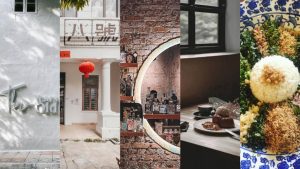
Chow Kit is one of Kuala Lumpur’s most raw, authentic, and evolving neighbourhoods—a place where old meets new, grit meets creativity, and everyday life unfolds in full colour. Located just north of the city centre, this district is known for its legendary wet market, budget-friendly eats, migrant communities, and a growing wave of boutique hotels, cafés, and creative spaces.
Often overlooked in favour of more polished districts like Bukit Bintang or the iconic skyline around the Petronas Twin Towers, Chow Kit offers a very different perspective of the city—one that complements guides like things to do in Kuala Lumpur or first-time in Kuala Lumpur by showing a deeper, more lived-in side.
If you’re looking to experience a less-curated, more real side of Kuala Lumpur, Chow Kit is where the city reveals itself—loud, layered, and alive.
Where Is Chow Kit Located?
Chow Kit sits within central Kuala Lumpur, just north of the city centre and close to key districts like Bukit Bintang, Kampung Baru, and Titiwangsa. It stretches around Jalan Chow Kit, Jalan Raja Alang, and Jalan Haji Taib, placing it within easy reach of both commercial hubs and cultural enclaves often featured in neighbourhood guides in Kuala Lumpur.
Its strategic location makes it:
- Easily accessible by KTM Komuter (Putra station)
- Connected to the KL Monorail (Chow Kit station), a key part of getting around Kuala Lumpur
- Just minutes from major landmarks like the Petronas Twin Towers and the wider KLCC area
This makes Chow Kit a convenient base if you want central access without the higher prices of the main tourist districts.
What Makes Chow Kit Special?
Chow Kit stands out because it doesn’t try to impress—it simply exists, unapologetically real. In a city often defined by modern landmarks like the Petronas Twin Towers and curated experiences around Bukit Bintang, Chow Kit offers something far more grounded—an everyday Kuala Lumpur that many guides only briefly touch on.
1. The Largest Wet Market in Kuala Lumpur
The Chow Kit Market is the beating heart of the neighbourhood and one of the most iconic local experiences you’ll find outside typical things to do in Kuala Lumpur. It’s loud, chaotic, and fascinating—filled with fresh produce, seafood, spices, and meats.
Why visit:
- Experience local daily life up close
- Discover Malaysian ingredients and flavours often featured in Kuala Lumpur food guides
- Incredible street photography opportunities
2. A Cultural Crossroads
Chow Kit has long been home to a mix of Malay, Indonesian, Bangladeshi, and other migrant communities. This diversity shapes everything—from food to language to street culture—making it one of the most layered neighbourhoods in the city, much like nearby Kampung Baru but with a more urban, fast-paced edge.
It’s one of the few areas in KL where you’ll hear multiple languages within minutes of walking, reflecting the broader cultural mix explored across cultural heritage in Kuala Lumpur.
3. Old KL Meets New Creative Energy
While parts of Chow Kit remain gritty, others are quietly transforming. Boutique stays like The Chow Kit and a growing café scene are redefining the area, similar to how certain pockets highlighted in where to stay in Kuala Lumpur are evolving.
The contrast is what makes it compelling:
- Traditional markets vs modern design hotels
- Street food stalls vs curated dining spaces often seen in where to eat in Kuala Lumpur
This blend of old and new is what gives Chow Kit its unique identity within Kuala Lumpur.
Top Things to Do in Chow Kit
1. Explore Chow Kit Market
A visit to the Chow Kit Market is the defining experience of the neighbourhood and one of the most authentic highlights beyond typical things to do in Kuala Lumpur. Arrive early in the morning when the market is at its most vibrant, with vendors setting up and locals doing their daily shopping.
Why visit & highlights:
- One of the largest wet markets in Kuala Lumpur
- Fresh seafood, meats, spices, and tropical fruits unique to Malaysian cuisine
- A raw, unfiltered look at local daily life rarely seen in tourist areas like Bukit Bintang
- Excellent spot for street photography and cultural observation
2. Walk Along Jalan Raja Alang & Kampung Baru Edge
Just a short walk away, Jalan Raja Alang connects Chow Kit to Kampung Baru, offering a striking contrast between old village life and the modern skyline. This area is especially lively in the evenings, making it a great addition to any Kuala Lumpur neighbourhoods guide itinerary.
Why visit & highlights:
- Traditional Malay houses set against views of the Petronas Twin Towers
- Street-side warungs serving classic dishes featured in where to eat in Kuala Lumpur
- A more cultural, local atmosphere compared to commercial districts
- Ideal for evening walks, food exploration, and photography
3. Café-Hop & Discover Hidden Spots
Chow Kit’s café scene is still under-the-radar, but that’s exactly what makes it exciting. Scattered between older shoplots are creative cafés and boutique spaces, including those around The Chow Kit, offering a quieter alternative to the busy café culture in Bukit Bintang.
Why visit & highlights:
- Hidden cafés with unique interiors and local character
- Less crowded compared to mainstream café districts
- A mix of modern coffee culture within a traditional neighbourhood setting
- Great stop between exploring nearby areas featured in where to stay in Kuala Lumpur
If you want to explore cafes beyond Chow Kit area, check the best cafes in Kuala Lumpur.
4. Experience Everyday Street Life in Chow Kit
More than any single attraction, Chow Kit is best experienced by simply walking through it. The neighbourhood reveals itself through its streets—vendors setting up stalls, residents going about their routines, and layers of life that reflect the deeper rhythm of Kuala Lumpur beyond curated travel guides.
Why visit & highlights:
- Observe real, everyday life in one of KL’s most authentic districts
- Discover hidden corners, street scenes, and unexpected moments
- A contrast to polished attractions often listed in first-time in Kuala Lumpur guides
- Perfect for slow exploration, photography, and storytelling
In Chow Kit, the experience isn’t just about what you see—it’s about how the city feels when you walk through it.
What to Eat in Chow Kit
Food in Chow Kit is unpretentious, affordable, and deeply local—a reflection of the neighbourhood’s everyday character. Unlike the more curated dining scenes in Bukit Bintang, eating here feels closer to how locals actually experience Kuala Lumpur.
You won’t find many “Instagram-famous” spots—instead, it’s all about roadside stalls, mamak eateries, and small warungs serving dishes that are staples in Kuala Lumpur food guide.
Must-Try Foods in Chow Kit:
- Nasi lemak
Malaysia’s national dish, commonly found at roadside stalls in the morning. Expect fragrant coconut rice, sambal, anchovies, egg, and sometimes fried chicken. - Roti canai
A flaky, buttery flatbread served with dhal or curry. Best enjoyed fresh at local mamak stalls, especially for breakfast or supper. - Mee goreng mamak
Stir-fried noodles packed with bold flavours—spicy, slightly sweet, and smoky from the wok. - Satay & grilled meats
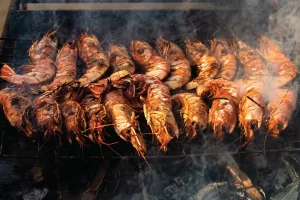
Head towards nearby Kampung Baru in the evening for skewered meats grilled over charcoal and served with peanut sauce.
One of the biggest advantages of eating in Chow Kit is value—meals here are often more affordable than in central tourist areas, making it a great stop when exploring the city’s broader food scene.
Where to Stay in Chow Kit
Chow Kit offers a balanced mix of boutique stays and budget-friendly hotels, making it an appealing alternative to more expensive areas like Bukit Bintang. For travellers browsing where to stay in Kuala Lumpur, this neighbourhood stands out for its central location and more grounded, local atmosphere.
Recommended Stays in Chow Kit:
- The Chow Kit
A stylish boutique hotel that reflects the character of the neighbourhood, with thoughtfully designed interiors, warm tones, and a strong sense of place. Ideal for travellers looking for a more curated yet intimate stay experience within Kuala Lumpur. - Budget hotels & guesthouses
Scattered around Jalan Chow Kit and nearby streets, these offer practical, no-frills accommodation at lower prices—perfect for short stays or travellers prioritising location over luxury.
Why stay in Chow Kit:
- Central location with easy access to transport and nearby districts
- More affordable rates compared to tourist-heavy zones
- A chance to experience a neighbourhood often overlooked in Kuala Lumpur neighbourhood guides
If you’re looking for something central, authentic, and cost-effective, Chow Kit is a strong option worth considering.
How to Get to Chow Kit
Getting to Chow Kit is straightforward:
- Monorail: KL Monorail (Chow Kit station)
- KTM Komuter: KTM Komuter (Putra station nearby)
- Grab / Taxi: Widely available
If you’re coming from KLCC or Bukit Bintang, it’s just a short ride.
Explore more on our guide to getting around Kuala Lumpur.
Is Chow Kit Safe?
Chow Kit has a reputation for being rough—but it’s generally safe with awareness.
Tips:
- Stay aware of surroundings
- Avoid quiet alleys late at night
- Keep valuables secure
Like many urban areas, it’s about being street-smart, not fearful.
Tips for First-Time Visitors
Visiting Chow Kit can feel very different from more polished parts of Kuala Lumpur, but that’s part of its charm. A little preparation goes a long way in helping you enjoy the experience fully.
- Start early for the market
The best time to explore Chow Kit Market is in the morning (7am–10am), when it’s most active and vibrant. - Dress light and comfortably
It can get hot and humid, especially when walking through crowded streets and market areas. - Bring cash
Many street vendors and small eateries don’t accept cards or e-wallets. - Stay aware, especially at night
Chow Kit is generally safe, but like any busy urban area, it’s best to stay alert and avoid quieter alleys late at night. - Explore beyond the main roads
Some of the most interesting scenes are found in side streets—perfect if you enjoy slow travel and photography. - Pair your visit with nearby areas
Combine Chow Kit with a walk to Kampung Baru or even a quick trip to Bukit Bintang for a more complete Kuala Lumpur neighbourhoods experience.
Think of Chow Kit less as a checklist destination, and more as a place to observe, wander, and experience the city as locals do.
FAQs About Chow Kit
Is Chow Kit worth visiting?
Yes—especially if you want to experience authentic Kuala Lumpur beyond tourist hotspots.
What is Chow Kit famous for?
It’s best known for Chow Kit Market, street food, and its raw urban character.
Is Chow Kit expensive?
No—it’s one of the more affordable central areas in KL.
Can tourists stay in Chow Kit?
Absolutely. With places like The Chow Kit, it’s becoming increasingly popular.
Why Chow Kit Matters
Chow Kit isn’t polished—and that’s exactly why it matters.
In a city rapidly modernising, it remains a place where:
- Traditions continue daily
- Communities intersect
- Real life is visible
If Kuala Lumpur has a soul beyond its skyline, you’ll find it in Chow Kit.