How much does it cost to travel to Kuala Lumpur?
Malaysia’s capital can be surprisingly affordable for a major Asian city. Budget travellers can stay in hostels, eat excellent local food and travel around by public transport without spending very much, while visitors wanting comfortable hotels, restaurants and private transport can still find good value.
The amount you’ll actually spend depends heavily on your travel style.
A backpacker relying on hawker food and public transport could travel comfortably on RM100–150 per day, excluding flights. A mid-range visitor might spend around RM250–500 per day, while travellers choosing upscale hotels, restaurants and premium experiences could easily spend RM600 or considerably more per day.
This guide breaks down the typical cost of travelling in Kuala Lumpur, including accommodation, food, transportation, attractions, nightlife and daily expenses, so you can build a realistic budget before arriving.
Kuala Lumpur Travel Costs at a Glance
Here’s a rough idea of what one person might spend per day in Kuala Lumpur, excluding international flights and major shopping.
| Travel Style | Estimated Daily Budget |
|---|---|
| Backpacker | RM100–150 |
| Budget Traveller | RM150–250 |
| Mid-Range Traveller | RM250–500 |
| Comfortable Traveller | RM500–800 |
| Luxury Traveller | RM800+ |
These figures should be treated as planning ranges rather than fixed prices. Accommodation rates change according to season and location, while dining and entertainment can vary enormously depending on your choices.
Kuala Lumpur’s biggest advantage is flexibility. You can spend RM10 on a local breakfast and RM300 on dinner on the same day if you want to.
Is Kuala Lumpur Expensive to Visit?
Generally, Kuala Lumpur is not an expensive city for tourists, particularly when compared with major destinations such as Singapore, Hong Kong, Tokyo, Sydney or many European capitals.
Accommodation offers particularly good value, while Malaysian street food, kopitiams, mamak restaurants and food courts make eating affordably very easy.
Public transportation is inexpensive, and many attractions—including neighbourhoods, markets, parks and religious landmarks—can be explored for free.
However, Kuala Lumpur isn’t uniformly cheap.
Cocktail bars, international restaurants, luxury hotels, premium shopping and major ticketed attractions can quickly increase your spending. Frequent Grab rides can also add up, especially during longer stays.
The good news is that you rarely need to choose between travelling cheaply and enjoying Kuala Lumpur properly. Some of the city’s most interesting experiences are also among its least expensive.
How Much Does Accommodation Cost in Kuala Lumpur?
Accommodation will probably be your largest daily expense, but Kuala Lumpur offers options across almost every price category.
Hostel Dormitories: RM30–80 per Night
Backpackers can find dormitory beds around Chinatown, Bukit Bintang and other central areas from roughly RM30 upwards.
Better hostels with modern facilities, privacy curtains, social spaces or particularly convenient locations generally sit toward the upper end of the range.
If you’re travelling on a tight budget, our Kuala Lumpur for Backpackers guide covers hostels, inexpensive food, transportation and other ways to reduce your daily expenses.
Budget Hotels: RM80–180 per Night
Kuala Lumpur has an enormous supply of inexpensive hotels.
Rooms at the lower end can be very basic, so check recent reviews carefully. Paying slightly more for a hotel near an MRT or LRT station can actually save money by reducing your reliance on Grab.
Mid-Range Hotels: RM180–400 per Night
This is where Kuala Lumpur often provides particularly good value.
Around RM200–400 can open up a wide range of comfortable three- and four-star hotels, boutique properties and serviced apartments, including options in convenient central neighbourhoods.
Upscale Hotels: RM400–800+ per Night
Visitors looking for larger rooms, swimming pools, skyline views and premium facilities have plenty of choices around KLCC, Bukit Bintang and other central areas.
Rates vary substantially according to hotel, room type and travel dates.
Luxury Hotels: RM800–1,500+ per Night
Kuala Lumpur’s luxury hotel market can still represent good value compared with equivalent properties in some other major international cities.
Five-star hotels around KLCC and the city centre can easily exceed RM1,000 per night, particularly for premium rooms and suites.
Location Matters
Don’t automatically choose the cheapest room you can find.
A RM100 hotel far from public transport could ultimately cost more than a RM140 hotel beside an MRT station once you factor in Grab fares and travel time.
Our Where to Stay in Kuala Lumpur guide compares the main neighbourhoods—including KLCC, Bukit Bintang, Chinatown, KL Sentral and Bangsar—to help you choose the right base.
How Much Does Food Cost in Kuala Lumpur?
Food is one of the easiest areas in which to control your travel budget.
You can eat extremely well without spending heavily, particularly if you embrace local restaurants rather than limiting yourself to cafés and international dining.
Local Breakfast: RM5–15
A traditional Malaysian breakfast can be remarkably inexpensive.
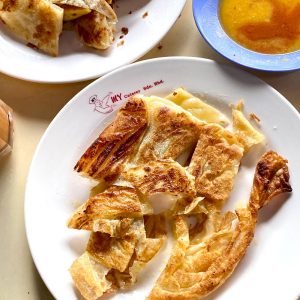
Roti canai, nasi lemak, kaya toast, half-boiled eggs, teh tarik and local coffee are commonly available at kopitiams and mamak restaurants throughout the city.
Hawker or Local Meal: RM8–20
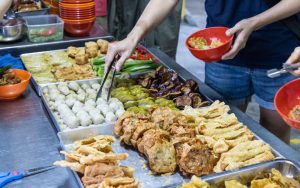
A bowl of noodles, plate of rice or other simple meal at a hawker stall or neighbourhood restaurant will often fall somewhere within this range.
Popular dishes to look for include nasi lemak, Hokkien mee, curry laksa, chicken rice, nasi kandar and banana leaf rice.
Food Court Meal: RM10–30
Food courts provide an easy introduction to Malaysian food, particularly for first-time visitors.
Prices vary depending on whether you’re eating in a neighbourhood food court or a premium shopping mall, but they remain relatively affordable.
Café Meal: RM20–50
Kuala Lumpur has a large contemporary café scene, particularly around neighbourhoods such as Chinatown, Bangsar and TTDI.
Coffee and brunch can easily cost significantly more than a traditional Malaysian breakfast, so frequent café visits can make a noticeable difference to your daily spending.
Casual Restaurant: RM25–60+ per Person
Casual restaurants span everything from local Malaysian cooking to Japanese, Korean, Thai, Middle Eastern and Western cuisine.
Expect prices to vary considerably according to location and restaurant type.
Upscale Dining: RM100–300+ per Person
Kuala Lumpur also has an increasingly sophisticated dining scene.
Fine-dining restaurants, steakhouses, omakase counters and restaurants inside luxury hotels can cost several hundred ringgit per person, particularly once drinks are included.
How Much Should You Budget for Food Per Day?
A useful starting point would be:
| Eating Style | Daily Food Budget |
|---|---|
| Mostly local food | RM30–60 |
| Local + cafés/restaurants | RM60–120 |
| Comfortable dining | RM120–250 |
| Upscale dining | RM250+ |
Food is also part of the Kuala Lumpur experience, so don’t reduce your budget so aggressively that you miss it. Our What to Eat in Kuala Lumpur guide introduces the dishes worth trying on your first visit.
How Much Does Transportation Cost in Kuala Lumpur?
Transportation can remain one of the smallest parts of your budget if you stay somewhere central and use Kuala Lumpur’s rail network.
MRT, LRT and Monorail
Individual urban rail journeys generally cost only a few ringgit, making public transport the most economical way to travel between many of Kuala Lumpur’s major neighbourhoods and attractions.
The MRT, LRT and Monorail networks cover destinations including KLCC, Bukit Bintang, Chinatown and KL Sentral.
Our Getting Around Kuala Lumpur guide explains the different options, while the dedicated MRT, LRT and Monorail guides are useful if you plan to explore primarily by train.
Grab: Roughly RM8–30+ for Many City Trips
Grab is convenient and can still be inexpensive compared with ride-hailing or taxis in many international cities.
However, prices depend on distance, demand and traffic conditions. Longer journeys and peak periods can cost considerably more.
Budget travellers should therefore use rail for most journeys and save Grab for destinations that are inconvenient by public transport.
Walking: Free, But Not Always Practical
Walking is obviously free, and neighbourhoods such as Chinatown, KLCC and the historic centre are enjoyable to explore on foot.
But don’t build your entire budget around walking everywhere. Kuala Lumpur’s heat, rain, wide roads and fragmented pedestrian connections can make even apparently short journeys uncomfortable.
How Much Does It Cost to Get from KLIA to Kuala Lumpur?
Airport transportation is one cost first-time visitors sometimes forget to include.
KLIA Ekspres: RM55 One Way
The KLIA Ekspres costs RM55 for a standard adult single journey or RM100 return between KLIA and KL Sentral at the time of writing.
It is one of the fastest ways into central Kuala Lumpur and takes approximately 28 minutes between KLIA Terminal 1 and KL Sentral.
KLIA Transit
KLIA Transit uses the same airport rail corridor but stops at intermediate stations. A standard adult trip between KLIA and KL Sentral is also RM55, while journeys to intermediate destinations cost less.
Airport Bus
Airport buses are generally the budget option and are worth considering if saving money matters more than journey time.
Traffic conditions can make travel times less predictable, so allow additional time when returning to the airport.
Grab
Grab can make sense for couples, families or small groups because the fare can be shared and you’re taken directly to your accommodation.
The price varies according to destination, demand, tolls and vehicle type, so check the app when you arrive rather than relying on a fixed estimate.
How Much Do Kuala Lumpur Attractions Cost?
One reason Kuala Lumpur works well for budget travellers is that you don’t need to pay admission every day.
Many worthwhile experiences are free.
Free Attractions and Experiences
You can spend hours exploring places such as:
- Merdeka Square
- KLCC Park
- Chinatown and Petaling Street
- Central Market
- Kampung Baru
- Perdana Botanical Gardens
- Batu Caves’ main temple complex
- Religious and historic landmarks
- Local markets and neighbourhoods
Our Free Things to Do in Kuala Lumpur guide has more ideas if you’re trying to keep sightseeing costs low.
Paid Attractions
Observation decks, museums, theme parks, aquariums and certain cultural attractions generally require tickets.
Rather than budgeting for several paid attractions every day, choose the experiences that genuinely interest you and combine them with Kuala Lumpur’s many free neighbourhoods and landmarks.
For ideas, browse our complete Things to Do in Kuala Lumpur guide before deciding which paid attractions deserve space in your budget.
How Much Does Shopping Cost in Kuala Lumpur?
This is the hardest category to estimate because Kuala Lumpur offers everything from inexpensive markets to international luxury brands.
Local souvenirs, snacks and small gifts can cost only a few ringgit, while malls such as Pavilion Kuala Lumpur, The Exchange TRX and Suria KLCC contain premium international retailers where spending can quickly exceed your entire sightseeing budget.
Budget travellers should treat shopping as a separate discretionary expense rather than including it within their normal daily travel budget.
That makes comparing your actual trip costs much easier.
How Much Does Nightlife Cost in Kuala Lumpur?
Nightlife is another area where your budget can change dramatically.
A casual evening at a local restaurant or mamak can remain inexpensive, while cocktails, rooftop bars and clubs can quickly become one of the largest expenses of your day.
Expect drinks at fashionable cocktail bars and hotel rooftops to cost substantially more than food at a neighbourhood restaurant.
If nightlife is an important part of your trip, create a separate entertainment budget rather than assuming your standard RM150–250 daily allowance will cover everything.
Our Kuala Lumpur Nightlife guide can help you decide which areas and experiences interest you before allocating your budget.
Kuala Lumpur Daily Budget by Travel Style
Now we can put those expenses together.
Backpacker: RM100–150 Per Day
A backpacker budget could include:
- Hostel dormitory
- Local breakfast
- Hawker or mamak meals
- MRT, LRT and Monorail
- Mostly free attractions
- Occasional inexpensive Grab ride
This is achievable without making the trip feel overly restrictive, particularly if you enjoy Malaysian street food and neighbourhood exploration.
Budget Traveller: RM150–250 Per Day
This allows considerably more flexibility.
You might stay in a simple private room or inexpensive hotel, mix local meals with cafés, use Grab occasionally and pay for selected attractions while still keeping spending under control.
Mid-Range Traveller: RM250–500 Per Day
This range allows a comfortable hotel, restaurant meals, cafés, frequent public transport and Grab journeys, plus several paid attractions.
For many international visitors, this provides a comfortable Kuala Lumpur trip without requiring much day-to-day budgeting.
Comfortable Traveller: RM500–800 Per Day
With this budget, you can choose better centrally located hotels, dine at more expensive restaurants, use Grab frequently and include premium attractions or nightlife.
You still don’t need to spend heavily on every meal or activity.
Luxury Traveller: RM800+ Per Day
Luxury travellers can easily spend well beyond RM1,000 per day once five-star accommodation, fine dining, cocktails, private transportation and shopping are included.
Kuala Lumpur has no real upper limit if luxury experiences are the objective.
How Much Money Do You Need for 3 Days in Kuala Lumpur?
For three days, excluding flights and major shopping, a rough per-person budget might look like:
| Travel Style | 3-Day Budget |
|---|---|
| Backpacker | RM300–450 |
| Budget | RM450–750 |
| Mid-Range | RM750–1,500 |
| Comfortable | RM1,500–2,400 |
| Luxury | RM2,400+ |
A three-day trip is enough to cover many of Kuala Lumpur’s highlights, particularly KLCC, Chinatown, the historic centre, Bukit Bintang and Batu Caves.
Our 3 Days in Kuala Lumpur itinerary can help you turn that budget into an actual sightseeing plan.
How Much Money Do You Need for 5 Days in Kuala Lumpur?
For five days:
| Travel Style | 5-Day Budget |
|---|---|
| Backpacker | RM500–750 |
| Budget | RM750–1,250 |
| Mid-Range | RM1,250–2,500 |
| Comfortable | RM2,500–4,000 |
| Luxury | RM4,000+ |
Five days gives you more flexibility to explore neighbourhoods beyond the obvious attractions and potentially include a day trip.
How Much Money Do You Need for One Week in Kuala Lumpur?
For seven days:
| Travel Style | 7-Day Budget |
|---|---|
| Backpacker | RM700–1,050 |
| Budget | RM1,050–1,750 |
| Mid-Range | RM1,750–3,500 |
| Comfortable | RM3,500–5,600 |
| Luxury | RM5,600+ |
Longer stays can sometimes reduce your average daily cost because you have more flexibility with accommodation and don’t need to fit paid attractions into every day.
You can also spend more time exploring markets, neighbourhoods, parks and inexpensive local restaurants rather than constantly moving between major tourist attractions.
Kuala Lumpur Budget for Couples
Travelling as a couple does not necessarily mean doubling every expense.
Hotel rooms can be shared, while Grab fares are divided between two people. This means the per-person cost of travelling as a couple can sometimes be lower than travelling alone, particularly at the mid-range level.
Food and attraction tickets, however, generally remain individual expenses.
Couples should therefore calculate accommodation and transportation jointly while budgeting food, attractions, shopping and personal expenses per person.
Check out our guide of Kuala Lumpur for Couples.
Kuala Lumpur Budget for Families
Families will need to account for larger hotel rooms, multiple attraction tickets and transportation, but Kuala Lumpur can still be relatively affordable.
Food courts and local restaurants make feeding a family considerably cheaper than relying entirely on hotel or international restaurants.
Grab can also become particularly attractive for families because the total fare may compare favourably with purchasing several individual transport tickets, depending on the journey and vehicle requirements.
Accommodation will usually be the biggest variable, so compare family rooms and serviced apartments rather than simply booking multiple standard hotel rooms.
Find out how you can explore when you come to Kuala Lumpur with families.
How to Save Money in Kuala Lumpur
You don’t need complicated travel hacks to reduce your expenses.
Stay Near Public Transport
A centrally located hotel near an MRT or LRT station can reduce both transportation costs and wasted travel time.
Eat Local Food
Some of Kuala Lumpur’s best food is inexpensive. Kopitiams, hawker centres, mamak restaurants and neighbourhood eateries can provide memorable meals for a fraction of the price of international restaurants.
Use Rail Before Grab
Use MRT, LRT and Monorail services for journeys they serve conveniently and Grab for the gaps.
Combine Attractions by Area
Explore KLCC in one session, Chinatown and the historic centre together, and Bukit Bintang separately rather than repeatedly crossing the city.
This reduces both fares and time lost in traffic.
Mix Free and Paid Attractions
Don’t assume every day needs a ticketed attraction. Kuala Lumpur’s neighbourhoods, parks, markets and historic districts are an important part of the city experience.
Avoid Overpaying for Convenience
Airport purchases, hotel restaurants and tourist-focused areas are usually more expensive than neighbourhood alternatives.
That doesn’t mean avoiding them entirely—just know that convenience often carries a premium.
Cash, Cards and Payments in Kuala Lumpur
Kuala Lumpur has become increasingly cashless, particularly in shopping malls, hotels, chain restaurants and cafés.
Credit and debit cards are widely accepted at larger businesses, while digital payments are increasingly common.
However, carrying some Malaysian ringgit remains useful.
Small restaurants, hawker stalls, markets and independent businesses may still prefer cash or local payment methods that aren’t always convenient for foreign visitors.
You don’t need to carry your entire travel budget with you. A combination of cards and a modest amount of cash is usually more practical.
Should You Exchange Money Before Arriving in Kuala Lumpur?
You don’t necessarily need to obtain your entire travel budget before reaching Malaysia.
Currency exchange services are widely available around Kuala Lumpur, particularly in major shopping and tourist districts.
Compare the actual rate offered rather than focusing only on signs advertising “no commission,” and avoid exchanging unnecessarily large amounts until you understand how much cash you’re actually using.
ATMs are another option, although your own bank may charge international withdrawal or conversion fees.
Should You Tip in Kuala Lumpur?
Tipping is generally not expected in Malaysia in the same way it is in countries such as the United States.
Restaurants may already include service charges, while tipping Grab drivers, hotel staff or other service workers is optional.
You can round up or leave something extra for particularly good service, but travellers do not need to build a significant tipping allowance into their Kuala Lumpur budget.
Is Kuala Lumpur Cheaper Than Singapore?
For most travellers, Kuala Lumpur will generally offer lower costs for accommodation, local food and everyday transportation than Singapore.
The difference can be particularly noticeable for hotels.
However, comparing cities purely by average prices can be misleading because your travel style matters enormously. Someone staying in a luxury KLCC hotel and eating at fine-dining restaurants could easily spend more than a budget traveller visiting Singapore.
Think of Kuala Lumpur’s advantage less as simply being “cheap” and more as offering a very wide range of choices at different price points.
Sample Kuala Lumpur Budget for One Day
Here’s one example of how a budget-conscious but comfortable day could look:
| Expense | Example Cost |
|---|---|
| Budget hotel | RM130 |
| Local breakfast | RM10 |
| MRT/LRT | RM8 |
| Lunch | RM15 |
| Attraction | RM30 |
| Coffee | RM12 |
| Dinner | RM25 |
| Grab | RM15 |
| Total | RM245 |
Remove the paid attraction and Grab journey, choose a hostel instead of a hotel, and the same day could cost considerably less.
Choose a four-star hotel, brunch café, rooftop drinks and upscale dinner, and it could easily exceed RM500.
That’s why there isn’t one correct answer to the question, “How much does Kuala Lumpur cost?”
Frequently Asked Questions About Kuala Lumpur Travel Costs
How much money do I need per day in Kuala Lumpur?
Budget travellers can aim for around RM100–250 per person per day, while a mid-range budget of approximately RM250–500 provides considerably more flexibility. Comfortable and luxury travel can cost RM500–800 or considerably more per day.
Is Kuala Lumpur cheap for tourists?
Kuala Lumpur can be relatively affordable, particularly for accommodation, Malaysian food and public transport. However, luxury hotels, premium restaurants, nightlife, international brands and high-end attractions can make the city as expensive as you want it to be.
Can I travel Kuala Lumpur on RM100 per day?
It is possible for a backpacker, particularly if you stay in an inexpensive hostel, eat local food, rely on public transport and prioritise free attractions. A little more flexibility in your budget will make unexpected expenses easier to manage.
How much should I budget for food in Kuala Lumpur?
Around RM30–60 per day can cover inexpensive local meals, while RM60–120 provides more flexibility for cafés and restaurants. Travellers interested in upscale dining should budget considerably more.
How much cash should I carry in Kuala Lumpur?
You don’t need to carry your entire daily budget in cash. Cards are widely accepted, but keeping some ringgit available for hawker stalls, markets and smaller businesses remains useful.
Are taxis and Grab expensive in Kuala Lumpur?
Grab can be relatively affordable for short city journeys, but prices vary according to distance, demand and traffic. Using public transport for longer journeys and Grab selectively is usually the most economical combination.
Is Kuala Lumpur expensive for solo travellers?
Solo travellers lose some of the savings that couples and groups receive from sharing hotel rooms and Grab fares. However, inexpensive food, hostels, public transport and free attractions still make Kuala Lumpur relatively easy to explore on a modest budget.
Our complete Kuala Lumpur for Solo Travellers guide covers accommodation, safety, transport and things to do when visiting alone.
Do I need a large budget to enjoy Kuala Lumpur?
No. Many of Kuala Lumpur’s defining experiences—exploring neighbourhoods, eating local food, visiting markets, walking around historic districts and enjoying city parks—are free or inexpensive.
How Much Should You Budget for Kuala Lumpur?
For most visitors, Kuala Lumpur offers an excellent balance between affordability and comfort.
A backpacker can realistically aim for around RM100–150 per day, while RM150–250 provides a more flexible budget experience. Around RM250–500 per person per day allows most travellers to enjoy comfortable accommodation, good food, transportation and attractions without constantly worrying about spending.
But the real advantage of Kuala Lumpur isn’t simply that it’s affordable.
It’s that you can choose where to spend your money.
Have a RM5 breakfast at a neighbourhood kopitiam, take an inexpensive MRT journey across the city, spend the afternoon exploring a free neighbourhood—and then splurge on a rooftop dinner overlooking the skyline.
If you’re planning your first visit, continue with our First Time in Kuala Lumpur guide, then use our guides to where to stay, getting around Kuala Lumpur, what to eat and things to do in Kuala Lumpur to build your trip around the budget that suits you.