The LRT Kelana Jaya Line is one of Kuala Lumpur’s busiest and most important rail lines. Connecting Gombak in the north-east to Putra Heights in the south-west, it passes through many of the city’s most popular attractions, business districts, shopping areas, and transport hubs.
Whether you’re travelling from KL Sentral to KLCC, visiting Bukit Bintang, or exploring neighbourhoods like Petaling Jaya and Subang Jaya, the Kelana Jaya Line offers a fast, affordable, and reliable alternative to driving.
If you’re visiting Kuala Lumpur for the first time, this guide explains everything you need to know about the LRT Kelana Jaya Line, including its route, stations, interchange points, fares, and useful travel tips.
If you’re new to the city’s transport system, you may also want to read our guides on Getting Around Kuala Lumpur, Public Transport in Kuala Lumpur, and Using MRT, LRT & Monorail in Kuala Lumpur for a complete overview of travelling around the city.
What is the LRT Kelana Jaya Line?
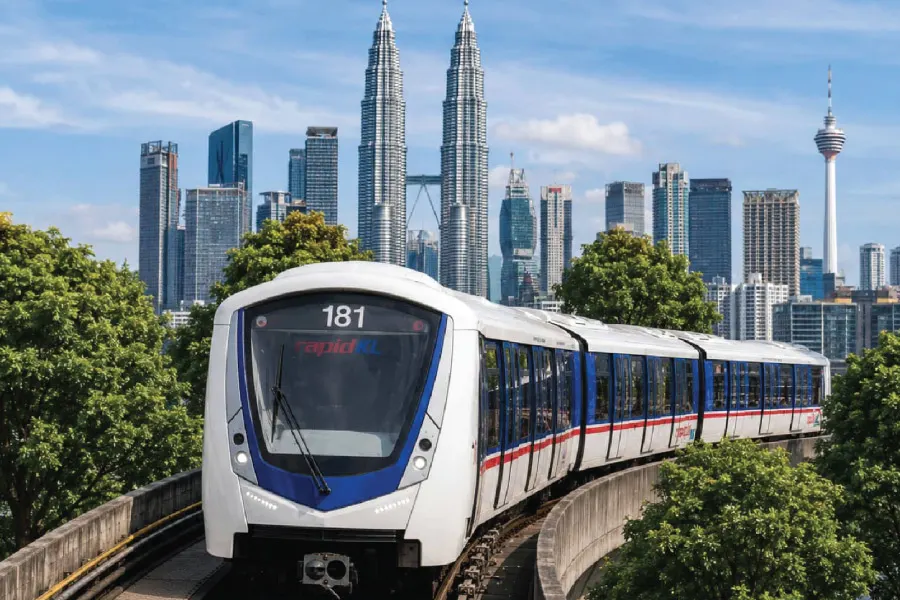
The Kelana Jaya Line is one of the three Light Rail Transit (LRT) lines operated by Rapid KL. Since opening in 1998, it has become one of the backbone routes of Kuala Lumpur’s public transport network, carrying thousands of commuters and visitors every day.
The line connects residential neighbourhoods, commercial centres, universities, and major tourist attractions across Kuala Lumpur and the wider Klang Valley. It is also fully automated, with driverless trains operating throughout the route.
One of its biggest advantages is the number of important interchange stations it connects with, allowing passengers to transfer easily to MRT, Monorail, KTM Komuter, the Ampang & Sri Petaling Line, and the newer LRT Shah Alam Line (LRT3).
LRT Kelana Jaya Line Route
The Kelana Jaya Line stretches for approximately 46 kilometres, connecting Gombak to Putra Heights through the heart of Kuala Lumpur.
Some of the major areas served include:
- Gombak
- Wangsa Maju
- Setiawangsa
- KLCC
- Kampung Baru
- Masjid Jamek
- Pasar Seni
- KL Sentral
- Bangsar
- Universiti
- Kelana Jaya
- Subang Jaya
- USJ
- Putra Heights
Its central route makes it one of the most useful train lines for both locals and tourists, providing convenient access to many of Kuala Lumpur’s key destinations.
Major Stations Along the Kelana Jaya Line
With more than 35 stations, the Kelana Jaya Line serves a wide range of destinations across Kuala Lumpur and the Klang Valley.
Some of the most useful stations for visitors include:
KLCC
The KLCC station is the gateway to some of Kuala Lumpur’s most iconic attractions, including:
- Petronas Twin Towers
- Suria KLCC
- KLCC Park
- Avenue K
Kampung Baru
This station provides easy access to one of Kuala Lumpur’s oldest Malay neighbourhoods, famous for traditional food, local markets, and views of the Petronas Twin Towers.
Masjid Jamek
One of Kuala Lumpur’s busiest interchange stations, Masjid Jamek is located near:
- Merdeka Square
- Sultan Abdul Samad Building
- River of Life
- Masjid Jamek Sultan Abdul Samad
It also connects with the Ampang & Sri Petaling Line.
Pasar Seni
Pasar Seni is another important interchange station connecting with the MRT Kajang Line.
Nearby attractions include:
- Central Market
- Petaling Street (Chinatown)
- River of Life
- Kasturi Walk
KL Sentral
KL Sentral is Kuala Lumpur’s largest transportation hub.
From here, passengers can connect to:
- MRT
- Monorail
- KTM Komuter
- KLIA Express
- KLIA Transit
- Rapid KL buses
If you’re arriving from Kuala Lumpur International Airport, you’ll most likely begin your city journey here. Our guides to KLIA Express vs KLIA Transit and KL Airport to City explain the different airport transfer options available.
Kelana Jaya
Located in Petaling Jaya, Kelana Jaya station serves nearby residential and commercial districts and is a convenient stop for travellers visiting western Kuala Lumpur.
Subang Jaya
Subang Jaya station connects with the KTM Port Klang Line and provides access to one of the Klang Valley’s busiest commercial and education hubs.
Interchange Stations
One of the biggest advantages of the Kelana Jaya Line is its connectivity with the wider rail network.
Major interchange stations include:
| Station | Connects To |
|---|---|
| Gombak | Gombak Integrated Terminal |
| Masjid Jamek | Ampang & Sri Petaling Line |
| Pasar Seni | MRT Kajang Line |
| KL Sentral | MRT, Monorail, KTM Komuter, KLIA Express & Transit |
| Subang Jaya | KTM Port Klang Line |
| Glenmarie | LRT Shah Alam Line (LRT3) |
| Putra Heights | LRT Shah Alam Line (LRT3) |
These interchanges make travelling throughout Kuala Lumpur and the Klang Valley much easier without needing to rely on taxis or private vehicles.
Top Attractions Accessible via the Kelana Jaya Line
One reason the Kelana Jaya Line is so popular with visitors is the number of attractions located within walking distance of its stations.
You can easily visit:
- Petronas Twin Towers
- Suria KLCC
- KLCC Park
- Kampung Baru
- Merdeka Square
- River of Life
- Chinatown (Petaling Street)
- Central Market
- Little India, Brickfields
- Mid Valley area (via nearby connections)
Combining the Kelana Jaya Line with short walks or a quick Grab ride allows you to explore much of Kuala Lumpur without needing to drive.
How to Pay for the LRT Kelana Jaya Line
The Kelana Jaya Line uses the same fare system as the rest of the Rapid KL rail network.
You can pay using:
- Touch ‘n Go card
- Single journey tokens
- Selected Rapid KL travel passes
If you’re planning to use public transport regularly, a Touch ‘n Go card is the most convenient option, as it also works on MRT, Monorail, KTM Komuter, Rapid KL buses, and many other public transport services.
Operating Hours
The Kelana Jaya Line operates daily from early morning until around midnight.
Train frequency is generally:
- Every few minutes during peak hours
- Slightly longer intervals during off-peak periods
As schedules may change during public holidays or maintenance works, it’s always advisable to check the latest service updates before travelling.
Who Should Use the Kelana Jaya Line?
The Kelana Jaya Line is ideal for:
- Tourists visiting Kuala Lumpur’s main attractions
- Airport travellers transferring from KL Sentral
- Daily commuters
- Students travelling to universities
- Visitors staying in KLCC, Bangsar, Petaling Jaya, or Subang Jaya
Because it serves many of the city’s key destinations, it is often the most useful rail line for first-time visitors.
Tips for First-Time Visitors
- Purchase a Touch ‘n Go card if you’ll be using public transport frequently.
- Use Google Maps to identify the best interchange stations.
- Travel outside peak hours for a more comfortable journey.
- Allow extra time when changing trains at major stations such as KL Sentral.
- Combine the LRT with buses or Grab for destinations beyond walking distance.
Frequently Asked Questions
What is the LRT Kelana Jaya Line?
The Kelana Jaya Line is a Rapid KL light rail line connecting Gombak and Putra Heights through central Kuala Lumpur.
Is the Kelana Jaya Line good for tourists?
Yes. It serves many of Kuala Lumpur’s top attractions, including KLCC, Kampung Baru, Merdeka Square, Chinatown, and KL Sentral.
Does the Kelana Jaya Line go to KL Sentral?
Yes. KL Sentral is one of the major stations on the line and provides connections to several other rail services.
Can I get to the airport using the Kelana Jaya Line?
Not directly. Travel to KL Sentral first, then transfer to either the KLIA Express or KLIA Transit for the journey to Kuala Lumpur International Airport.
Does the Kelana Jaya Line connect with MRT?
Yes. It connects with the MRT Kajang Line at Pasar Seni and with other rail services at several interchange stations across the network.
The LRT Kelana Jaya Line is arguably the most useful rail line for visitors exploring Kuala Lumpur. With direct access to landmarks such as the Petronas Twin Towers, KL Sentral, Chinatown, and Merdeka Square, as well as seamless connections to MRT, Monorail, KTM Komuter, and the LRT Shah Alam Line, it forms the backbone of the city’s public transport system.
Whether you’re commuting across the Klang Valley or sightseeing in the city centre, understanding how to use the Kelana Jaya Line will make getting around Kuala Lumpur faster, easier, and more affordable.
For more official information, you can check out Rapid KL’s website.