Kuala Lumpur is a city constantly reinventing itself. While its skyline rises with glass towers and modern developments, a quieter transformation is happening at street level — old buildings being reimagined into creative, cultural, and lifestyle spaces.
From former cinemas and warehouses to heritage homes and industrial compounds, these places are part of a growing movement known as adaptive reuse — where historical structures are preserved and given new purpose.
If you’re exploring the city beyond the usual landmarks like the Petronas Twin Towers or browsing guides on things to do in Kuala Lumpur, these revitalised spaces offer a deeper look into the city’s evolving identity.
What Is Adaptive Reuse?
Adaptive reuse is the process of taking an existing building — often historical or abandoned — and transforming it into something new, while retaining elements of its original structure.
In Kuala Lumpur, this movement reflects:
- A growing appreciation for heritage conservation
- The rise of creative communities and independent businesses
- A shift towards sustainable urban development
Many of these spaces now house cafés, galleries, event venues, and creative studios — making them ideal stops if you’re exploring Kuala Lumpur’s cultural and heritage side.
Adaptive Reuse Buildings You Should Visit in Kuala Lumpur
Semua House
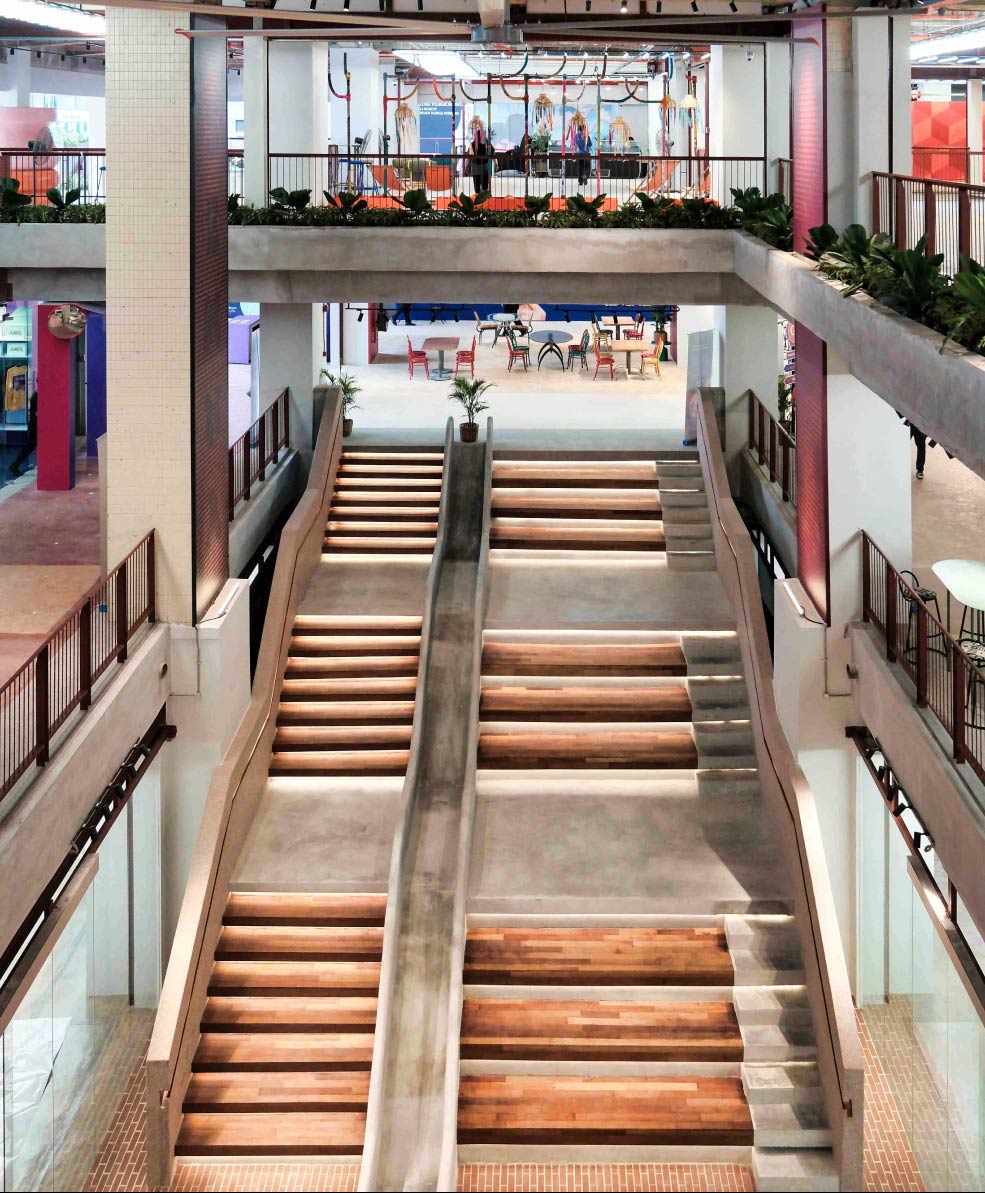
Situated along Jalan Tuanku Abdul Rahman, Semua House is one of Kuala Lumpur’s older shopping complexes that still operates today. While it hasn’t undergone a full creative transformation like others on this list, it represents a different stage of adaptive reuse — one where heritage commercial spaces continue to function while holding potential for future revitalisation.
Its retro interiors and traditional retail mix offer a glimpse into Kuala Lumpur’s past shopping culture, making it a nostalgic stop within the city’s evolving urban landscape.
Highlights:
- Preserves a classic, old-school mall atmosphere
- Located in one of KL’s historic shopping districts
- Offers insight into traditional retail culture
- Potential candidate for future adaptive reuse transformation
Location: Jalan Bunus 6, City Centre, 50100 Kuala Lumpur.
semuahouse.com | Instagram | Facebook | TikTok
Sentul Depot
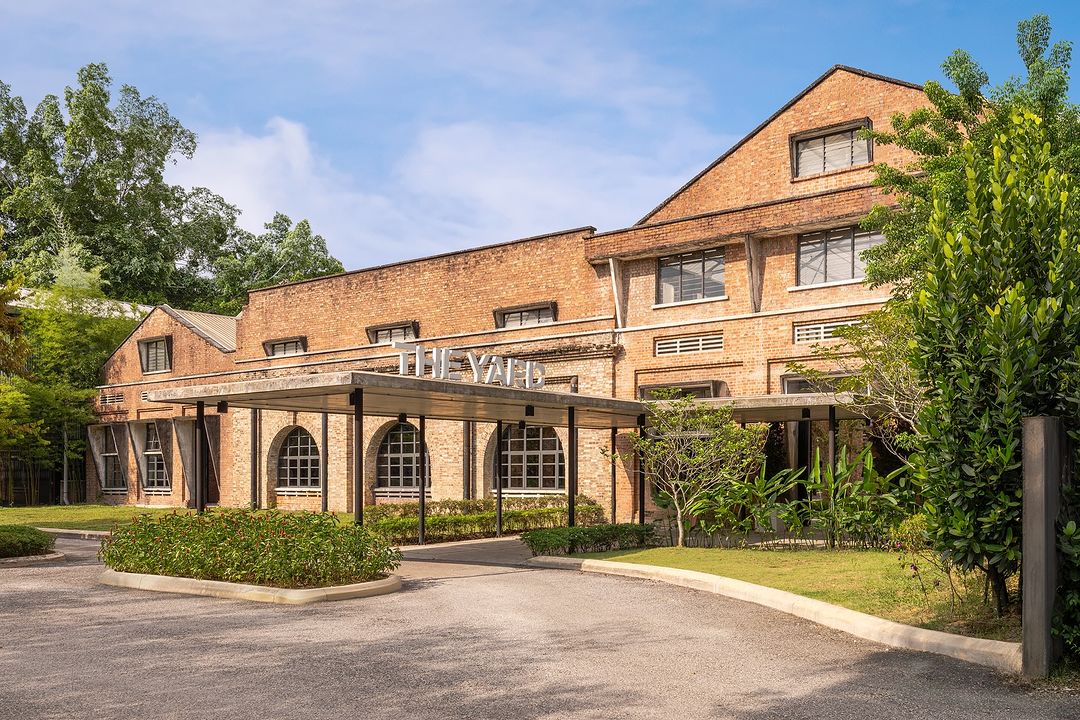
Originally part of Kuala Lumpur’s railway infrastructure, Sentul Depot has been reimagined into a dramatic event and exhibition venue. Its vast interior spaces, high ceilings, and industrial framework have been preserved, creating a powerful architectural setting for large-scale productions.
The transformation of Sentul Depot reflects a broader effort to revitalise the Sentul area, turning former industrial zones into cultural and lifestyle destinations. It is one of the most striking examples of adaptive reuse at scale in Kuala Lumpur.
Highlights:
- Massive industrial space with striking architectural presence
- Hosts large-scale exhibitions, fashion shows, and events
- Part of the wider regeneration of Sentul
- Combines heritage infrastructure with modern design
Explore more about Sentul Depot.
Location: Jalan Strachan, Sentul West, 51100 Kuala Lumpur.
sentuldepot.com.my | Instagram | Facebook
REXKL
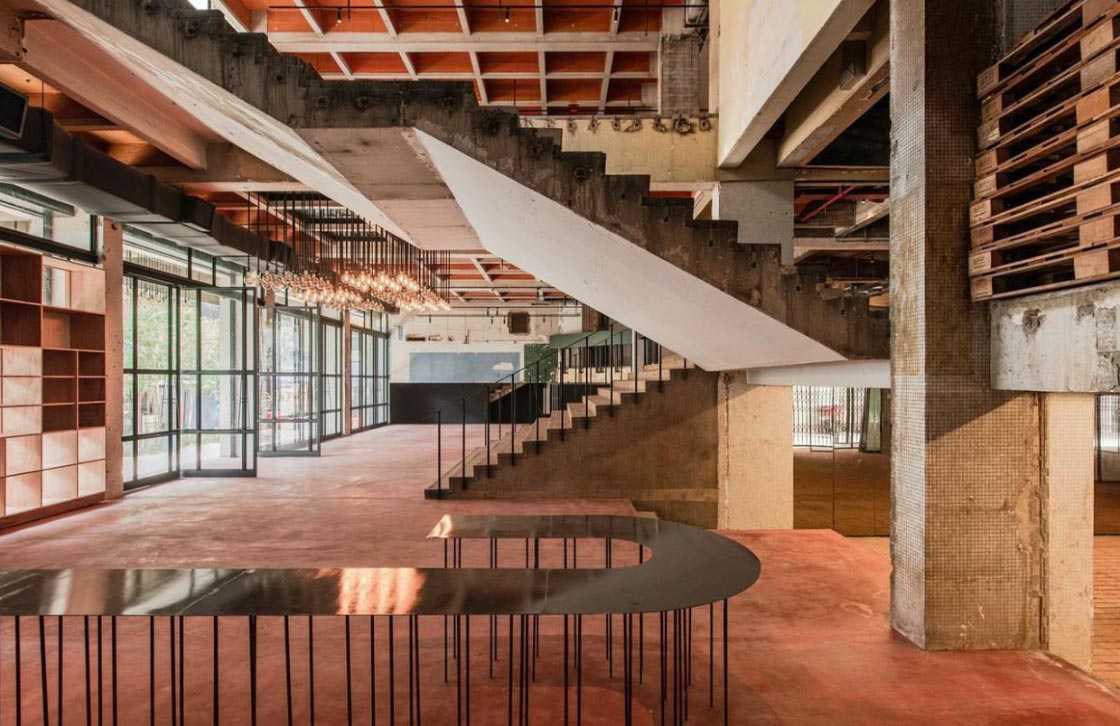
Once a historic cinema in the heart of Petaling Street, REXKL has undergone multiple cycles of destruction and rebirth before becoming one of Kuala Lumpur’s most iconic adaptive reuse projects. Instead of restoring it into a polished commercial space, its developers embraced its raw, worn textures — creating a layered, atmospheric environment that reflects both decay and renewal.
Today, REXKL functions as a multi-purpose cultural hub, blending books, art, music, and community-driven events. It stands as a powerful example of how old urban spaces can be transformed into meaningful, contemporary experiences without losing their soul.
Highlights:
- Home to the striking BookXcess flagship with towering bookshelves
- Raw, unfinished interior that preserves its cinematic past
- Frequent pop-ups, art installations, and cultural events
- Located within walking distance of Chinatown’s heritage core
Read more about REXKL.
Location: 80, Jalan Sultan, City Centre, 50000 Kuala Lumpur.
rexkl.com | Instagram | Facebook
Rumah Tangsi
Located near Merdeka Square, Rumah Tangsi is a beautifully restored colonial-era mansion that has been carefully adapted into a refined event and cultural venue. Unlike more industrial adaptive reuse projects, Rumah Tangsi leans into elegance — preserving intricate architectural details such as arches, wooden floors, and symmetrical layouts.
Its transformation reflects a different approach to adaptive reuse: one that prioritises restoration and refinement while introducing modern functionality. Today, it hosts exhibitions, private events, and creative showcases, bridging Kuala Lumpur’s colonial past with its present-day cultural scene.
Highlights:
- Well-preserved colonial architecture with elegant interiors
- Popular venue for weddings, exhibitions, and corporate events
- Located near major historical landmarks and heritage trails
- Offers a more refined and intimate cultural experience
Explore more about Rumah Tangsi.
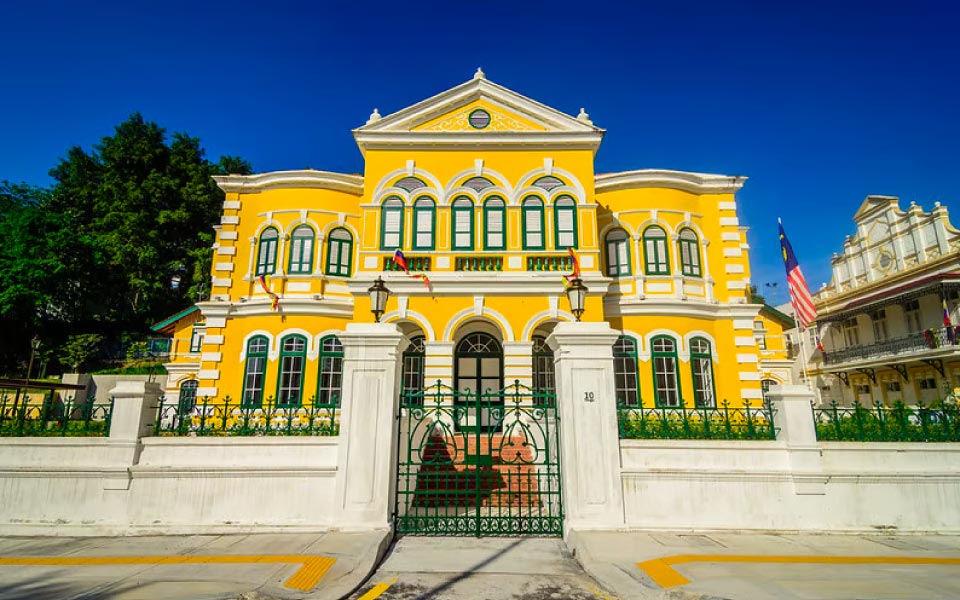
Location: 10, Jalan Tangsi, Tasik Perdana, 50480 Kuala Lumpur.
Zhongshan Building
Tucked away in Kampung Attap, the Zhongshan Building is a modest pre-war structure that has evolved into one of Kuala Lumpur’s most influential creative spaces. Rather than undergoing a dramatic transformation, the building has been gradually reactivated — with each tenant contributing to its identity as a hub for independent culture.
Inside, you’ll find bookstores, cafés, small galleries, and studios, all coexisting within a quiet, introspective environment. It represents a slower, more organic form of adaptive reuse, where community and creativity shape the space over time.
Highlights:
- Home to independent bookstore Tintabudi Bookshop and other niche tenants
- Strong focus on literature, art, and independent publishing
- Intimate, low-key atmosphere away from tourist-heavy areas
- Ideal for those exploring KL’s alternative creative scene
Read more about Zhongshan Building.
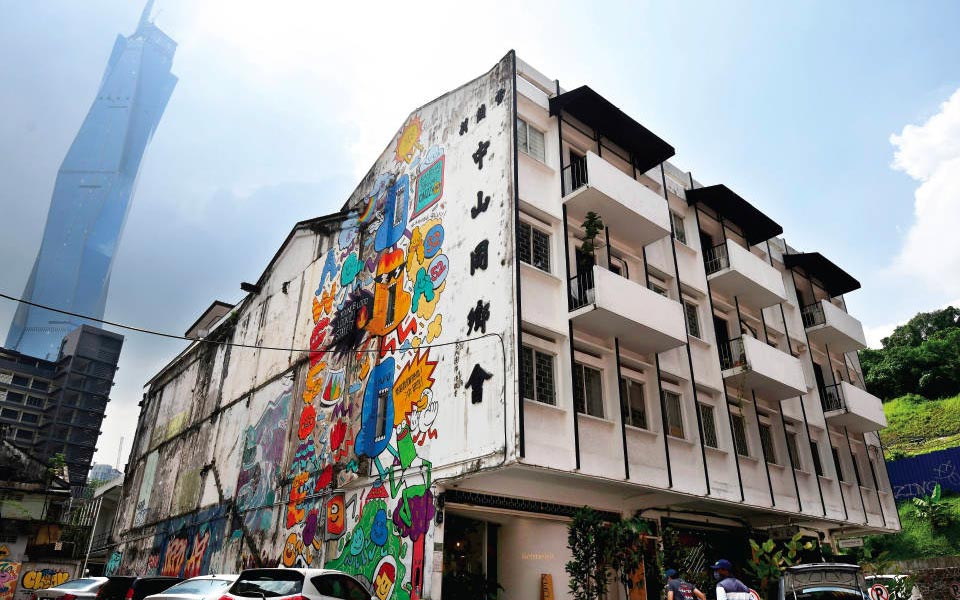
Location: 80 – 84, Jalan Rotan, 50460 Kuala Lumpur.
APW Bangsar
Formerly Art Printing Works, APW Bangsar has been transformed into a dynamic lifestyle and creative hub while retaining its industrial DNA. The space blends brick walls, open courtyards, and warehouse-style structures with contemporary design elements, creating a setting that feels both nostalgic and modern.
Located in Bangsar, APW has become a popular gathering point for creatives, entrepreneurs, and café-goers. Its evolution reflects Kuala Lumpur’s shift towards repurposing industrial spaces into community-driven environments.
Highlights:
- Iconic industrial courtyard setting
- Houses popular café Breakfast Thieves Kuala Lumpur
- Hosts markets, pop-ups, and creative events
- Strong mix of food, design, and lifestyle experiences
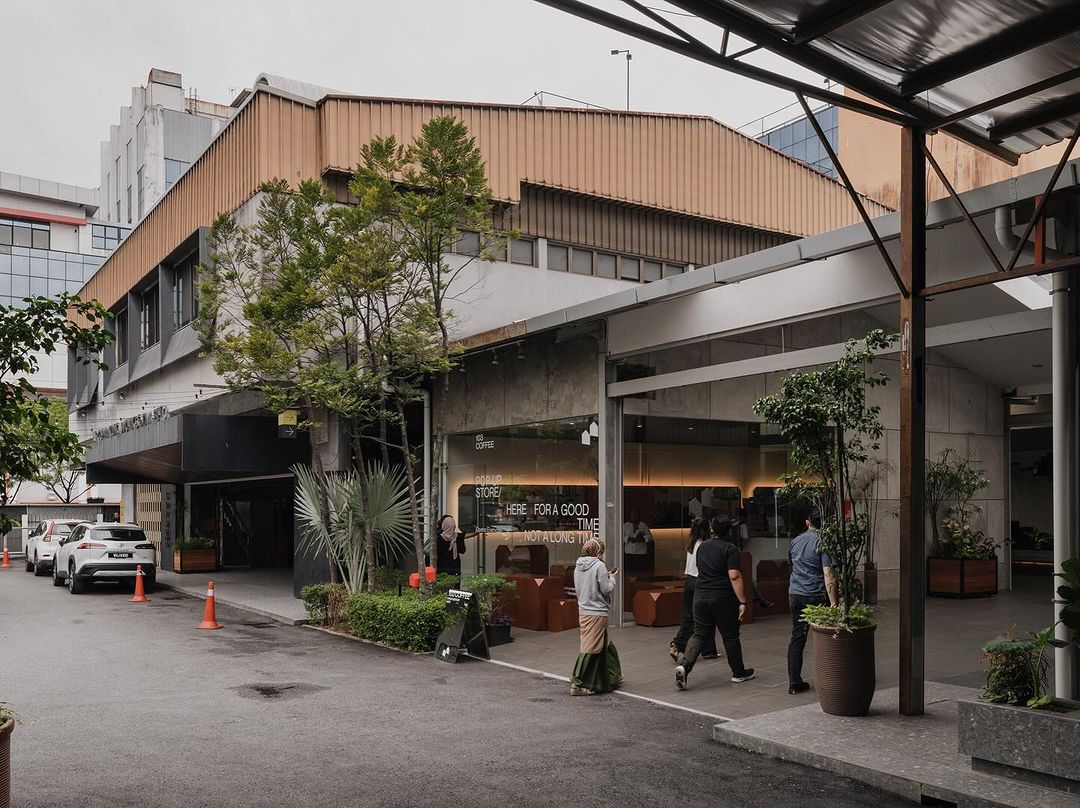
Location: 29, Jalan Riong, Bangsar, 59100 Kuala Lumpur.
The Godown
The Godown is a restored warehouse that has been transformed into a flexible arts and event space, reflecting the growing role of cultural infrastructure in Kuala Lumpur’s urban landscape. Unlike commercial lifestyle hubs, The Godown is more focused on artistic expression — hosting performances, exhibitions, and experimental events.
Its preservation of the warehouse structure, including high ceilings and exposed materials, gives it a raw authenticity that enhances the experience of large-scale installations and performances.
Highlights:
- Dedicated space for arts, performances, and cultural programming
- Retains original warehouse structure and industrial character
- Hosts immersive exhibitions and live events
- A key player in KL’s evolving arts ecosystem
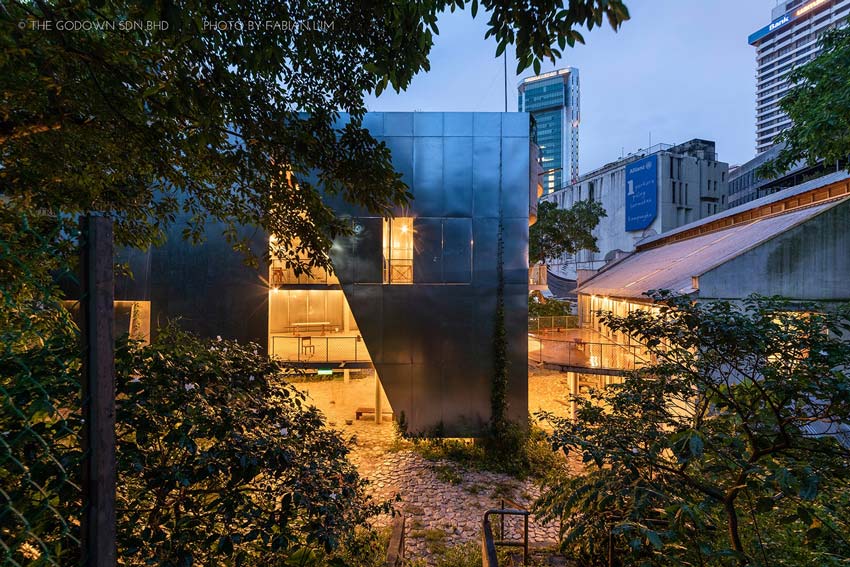
Location: 11 Lorong Ampang 7, off, Jalan Bukit Nanas, 50250 Kuala Lumpur.
thegodown.com.my | Instagram | Facebook
The Campus Ampang
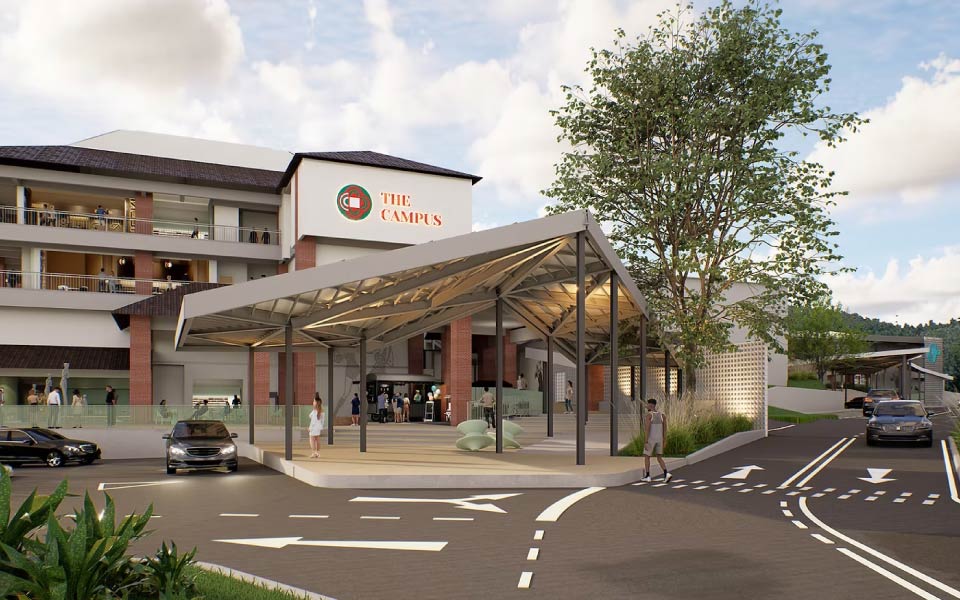
Located in Ampang, The Campus Ampang represents a more contemporary take on adaptive reuse — one that blends lifestyle, community, and everyday convenience. Originally a commercial complex, the space has been revitalised into a multi-functional hub with cafés, retail outlets, fitness spaces, and communal areas.
Unlike more heritage-driven projects, The Campus focuses on liveability and community engagement, making it a popular destination for nearby residents. Its open layouts, pedestrian-friendly design, and mix of tenants reflect a shift towards creating neighbourhood-centric spaces that encourage interaction and lifestyle experiences.
It highlights how adaptive reuse in Kuala Lumpur is evolving — not just preserving the past, but also reimagining existing structures to serve modern urban living.
Highlights:
- Community-focused lifestyle hub with cafés, retail, and fitness spaces
- Open, walkable layout designed for social interaction
- Popular among residents in Ampang and surrounding areas
- Represents a modern, everyday approach to adaptive reuse
Location: Lot 7706, Jalan Kolam Air Lama, Mukim, Hulu Kelang, 68000 Ampang, Selangor.
Why These Spaces Matter
Adaptive reuse buildings are more than just trendy hangouts — they represent a shift in how Kuala Lumpur values its past while building its future.
They:
- Preserve architectural and cultural history
- Support local creative communities
- Offer unique alternatives to malls and commercial centres
- Add depth to the city beyond typical tourist attractions
For travellers and locals alike, they provide a more meaningful way to experience the city — especially when combined with exploring cultural districts, hidden heritage gems, and local neighbourhoods.
How to Explore These Places Efficiently
To make the most of your visit:
- Combine stops by area (e.g. Petaling Street + REXKL)
- Pair with food hunts (especially in Chinatown and Bangsar)
- Visit during weekends for markets and events
- Include them in a broader Kuala Lumpur itinerary (3–4 days recommended)
FAQs
What are adaptive reuse buildings?
They are old or historic structures that have been repurposed for modern use while retaining their original architectural elements.
Why is adaptive reuse popular in Kuala Lumpur?
It balances heritage preservation with modern urban needs, especially in a fast-developing city.
Are these places free to visit?
Many are free to enter, though some events or exhibitions may require tickets.
Where can I find more cultural places in KL?
Explore areas like Petaling Street, Kampung Attap, and Bangsar, or browse guides on cultural heritage in Kuala Lumpur.