Planning to spend 2 days in Kuala Lumpur? This itinerary is designed to help you experience the best of the city—from iconic skyline views and modern shopping districts to cultural landmarks and local food scenes.
Whether it’s your first time visiting or a short stopover, this guide balances must-see attractions, food, culture, and local experiences—without feeling rushed.
If you’re new to the city, you may also want to start with our complete Kuala Lumpur Travel Guide overview and practical tips in our guide on getting around Kuala Lumpur.
Why 2 Days in Kuala Lumpur Is Enough (For a First Trip)
Two days is enough to:
- See Kuala Lumpur’s major landmarks
- Explore both modern and historical districts
- Experience a mix of local food and lifestyle
- Get a feel for the city before exploring further
If you’re planning a longer stay, check our detailed guide on how many days in Kuala Lumpur you actually need.
If this is your first visit, you may also want to read:
Day 1: Modern Kuala Lumpur & City Icons
Day 1 is all about experiencing the modern, energetic side of Kuala Lumpur—its skyline, lifestyle districts, and vibrant food scene.
Morning: KLCC & The Iconic Skyline
Start your first day at Kuala Lumpur’s most iconic landmark—the Petronas Twin Towers, located in the KLCC district.
What to do at KLCC:
- Walk through KLCC Park, one of the best urban parks in the city
- Capture photos of the towers from multiple angles (especially near the fountain)
- Visit Suria KLCC for shopping, cafes, and a quick breakfast
- (Optional) Go up to the Skybridge and Observation Deck
Why this is the perfect starting point:
- Central location with easy access via LRT
- A calm, scenic way to ease into the city
- Sets the tone for Kuala Lumpur’s modern identity
Late Morning: Kuala Lumpur Tower
Next, head to KL Tower, one of the best places to get a 360-degree view of the entire city skyline.
Unlike the Petronas Twin Towers, KL Tower gives you a full view that includes the Twin Towers themselves.
Highlights:
- Observation deck with sweeping city views
- Sky Box experience (glass platform extending out of the tower)
- Located within the Bukit Nanas Forest Reserve, one of the oldest forest reserves in Malaysia
Why visit KL Tower:
- Better panoramic perspective compared to most buildings
- Less crowded than the Twin Towers
- Unique combination of nature + skyline
Getting there:
- 5–10 minutes by Grab from KLCC
- Or a short combination of walking + shuttle
For more ways to navigate the city efficiently, refer to our getting around Kuala Lumpur transport guide.
Afternoon: Bukit Bintang
By afternoon, head over to Bukit Bintang—the lifestyle and shopping capital of Kuala Lumpur.
This is where you’ll experience the city at its most vibrant and cosmopolitan.
What to explore:
- Pavilion KL – premium shopping and international brands
- Lot 10 Hutong – a curated collection of heritage Malaysian food stalls
- Fahrenheit 88 & Sungei Wang Plaza – more casual and local shopping
- Street cafes, dessert spots, and trendy eateries
What to do here:
- Take a lunch break (air-conditioned comfort is a bonus)
- Explore local and international brands
- Try Malaysian dishes in a cleaner, curated environment
Why Bukit Bintang matters:
- Represents Kuala Lumpur’s modern urban culture
- Offers a contrast to the heritage experiences on Day 2
- A key hub for food, shopping, and nightlife
If you’re looking for more places to explore in this area, check out our things to do in Kuala Lumpur guide.
Evening: Jalan Alor
As the sun sets, make your way to Jalan Alor—Kuala Lumpur’s most famous street food destination.
What to expect:
- Long rows of open-air food stalls
- Energetic, noisy, and vibrant atmosphere
- A mix of locals and tourists
What to eat:
- Grilled seafood
- Satay (skewered meat with peanut sauce)
- Chicken wings
- Fried noodles and rice dishes
Tips:
- Go slightly earlier (around 6:30pm–7:00pm) to avoid peak crowds
- Compare stalls before choosing where to sit
- Bring cash for convenience
Why it’s worth visiting:
Even though it’s touristy, Jalan Alor remains one of the easiest ways to experience Malaysia’s street food culture in one place.
Night (Optional): Rooftop Bars & Cocktail Scene
After dinner, end your day with Kuala Lumpur’s skyline at night.
Experiences to consider:
- Rooftop bars with views of the Twin Towers
- Speakeasy cocktail bars hidden around the city
- Late-night lounges in Bukit Bintang and KLCC
Kuala Lumpur has a growing cocktail scene, from award-winning bars to hidden gems. You can explore more in our cocktail bars in Kuala Lumpur guide.
Day 2: Heritage, Culture & Local KL
Day 2 takes you beyond the modern skyline into the historical and cultural roots of Kuala Lumpur.
From sacred caves and colonial landmarks to bustling markets and traditional Malay villages, this day is about understanding how Kuala Lumpur became what it is today.
Morning: Batu Caves
Start your second day early with a visit to Batu Caves, one of Malaysia’s most iconic religious and cultural landmarks.
Located just outside the city, Batu Caves is a limestone hill with a series of caves and temples, most famous for its towering golden statue of Lord Murugan.
Highlights:
- 42.7m tall statue of Lord Murugan (one of the tallest in the world)
- 272 colorful steps leading up to the main cave
- A naturally formed limestone cave temple
- Active Hindu worship site, especially during Thaipusam
Tips for visiting:
- Arrive early (7:00am – 9:00am) to avoid heat and crowds
- Wear modest clothing (covered shoulders and knees)
- Watch out for monkeys—they can be playful and bold
Getting there:
- KTM Komuter train (direct route from KL Sentral)
- Grab (about 20–30 minutes from city centre)
Why Batu Caves matters:
It represents the spiritual and multicultural identity of Malaysia, and is one of the most visited attractions in the country.
Afternoon: Merdeka Square & Colonial Kuala Lumpur
After returning to the city, spend your afternoon exploring the historical core of Kuala Lumpur.
This area is where the city was founded and where Malaysia’s independence was declared.
Sultan Abdul Samad Building
- One of the most photographed buildings in KL
- Distinct Moorish-style architecture
- Former British administrative offices
Masjid Jamek Sultan Abdul Samad
- Built at the confluence of the Klang and Gombak rivers
- Considered the birthplace of Kuala Lumpur
- One of the oldest mosques in the city
River of Life (nearby experience)
- Revitalised waterfront area
- Best visited towards evening when it lights up
Why this area is important:
- This is where Kuala Lumpur began as a tin mining settlement
- Offers a deeper understanding of Malaysia’s colonial and post-independence history
- Strong contrast to the modern KL seen on Day 1
If you want to dive deeper, explore our full guide on the historical landmarks of Kuala Lumpur.
Late Afternoon: Petaling Street & Central Market
From colonial KL, walk into the nearby Chinatown area or more commonly known as Petaling Street — one of the most vibrant and historic districts in the city.
Petaling Street (Chinatown KL)
What to expect:
- Busy market street with stalls and shops
- A mix of local culture, heritage, and tourism
- Street food and snacks along the way
What to do:
- Browse souvenirs, clothes, and accessories
- Try local Chinese-Malaysian dishes
- Explore nearby temples and side streets
Central Market
Just a short walk away, Central Market offers a more curated and comfortable shopping experience.
What to find:
- Batik, handicrafts, and traditional Malaysian products
- Local art and souvenirs
- Cultural performances (occasionally)
Why visit:
- One of the best places to shop for authentic Malaysian souvenirs
- Air-conditioned and easier to explore compared to street markets
If you’re looking for more souvenir options, you can also explore more in our guide on where to buy souvenirs in Kuala Lumpur.
Evening: Kampung Baru for Authentic Malaysian Food
End your trip with one of the most unique experiences in Kuala Lumpur—Kampung Baru.
Located just minutes from KLCC, this traditional Malay enclave feels like stepping into a different era.
Why Kampung Baru is special:
- One of the last remaining traditional Malay villages in the city
- Surrounded by modern skyscrapers—creating a striking contrast
- Rich in local culture and food heritage
What to do:
- Walk through the neighbourhood and soak in the atmosphere
- Observe traditional wooden houses
- Experience a slower, more local side of Kuala Lumpur
What to eat:
Kampung Baru is one of the best places for authentic Malay cuisine.
Look out for:
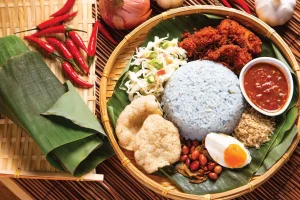
- Nasi lemak
- Ikan bakar (grilled fish)
- Satay
- Traditional kuih (Malay desserts)
Why end here:
It’s the perfect way to conclude your trip—from modern skyscrapers to traditional roots, all within the same city.
Where to Stay for This 2-Day Kuala Lumpur Itinerary
Choosing the right area to stay in can make your 2-day itinerary much smoother and more efficient. Since most of the places in this guide are clustered around central Kuala Lumpur, it’s best to stay in locations with easy access to KLCC, Bukit Bintang, and public transport.
Here are the best areas to consider:
KLCC (Best for First-Time Visitors)
KLCC is the most convenient and central area to stay, especially if it’s your first time in Kuala Lumpur.
Why stay here:
- Walking distance to the Petronas Twin Towers
- Direct access to LRT and major transport links
- Close to malls, restaurants, and key attractions
Best for:
- First-time visitors
- Couples and leisure travellers
- Those who want iconic skyline views
Bukit Bintang (Best for Food, Shopping & Nightlife)
Bukit Bintang is ideal if you want to be in the middle of the action.
Why stay here:
- Walking distance to Jalan Alor
- Surrounded by shopping malls and cafes
- Great nightlife and late-night food options
Best for:
- Food lovers
- Younger travellers
- Those who enjoy a lively atmosphere
Chinatown Kuala Lumpur (Best for Budget & Culture)
Staying near Chinatown offers a more cultural and local experience, often at a more affordable price.
Why stay here:
- Close to Petaling Street and Central Market
- Easy access to heritage attractions and public transport
- Wide range of boutique hotels and budget stays
Best for:
- Budget travellers
- Culture and history lovers
- Solo travellers
You may also want to read:
How to Get Around Kuala Lumpur in 2 Days
Getting around is relatively easy:
- Use LRT, MRT, and Monorail for major attractions
- Grab (ride-hailing) for convenience
- Walking works well within areas like KLCC and Bukit Bintang
For a full breakdown, check our guide on using LRT, MRT & Monorail in Kuala Lumpur.
Tips for This 2-Day Kuala Lumpur Itinerary
A little planning goes a long way—especially when you only have 48 hours in Kuala Lumpur. These practical tips will help you move efficiently, stay comfortable, and get the most out of your trip.
Plan Your Days Around the Weather
Kuala Lumpur is hot and humid year-round, with occasional rain showers.
- Start your mornings early (especially for outdoor spots like Batu Caves)
- Keep afternoons flexible for indoor places like malls or cafes
- Carry a small umbrella or poncho—rain can be unpredictable
Use Public Transport + Grab Strategically
Getting around KL is relatively easy if you mix transport options.
- Use LRT/MRT for major areas like KLCC and Bukit Bintang
- Take Grab for convenience, especially when short on time
- Avoid peak hours if possible to reduce travel delays
If you’re unfamiliar with the system, check our guide on using public transport in Kuala Lumpur.
Group Nearby Attractions Together
This itinerary is designed to minimise travel time—but small adjustments help.
- Combine KLCC and Kuala Lumpur Tower in one block
- Explore heritage spots (Merdeka Square, Chinatown) in one stretch
- Avoid jumping across the city unnecessarily
Dress Light, But Stay Respectful
Comfort is key, but cultural awareness matters too.
- Wear light, breathable clothing and comfortable walking shoes
- Bring a hat or sunglasses for daytime exploring
- Dress modestly when visiting religious sites (covered shoulders and knees)
Carry Cash for Small Purchases
While many places accept cards, cash is still useful.
- Street food spots like Jalan Alor often prefer cash
- Smaller shops and markets may not accept cards
- Keep small notes for convenience
Stay Hydrated & Take Breaks
The tropical heat can be draining if you’re constantly moving.
- Drink plenty of water throughout the day
- Take breaks in malls, cafes, or shaded areas
- Don’t try to rush every stop—prioritise experiences over quantity
Book Key Attractions in Advance (Optional)
If you’re visiting during peak seasons or weekends:
- Consider booking tickets for the Petronas Twin Towers observation deck
- Plan rooftop bar visits ahead if you have specific places in mind
Keep Your Itinerary Flexible
While this guide is structured, leave room for spontaneity.
- Spend more time in places you enjoy
- Swap stops based on weather or energy levels
- Allow time for unexpected discoveries (cafes, shops, street food)
Is This the Best 2-Day Itinerary for You?
This itinerary is perfect if you want:
- A balanced mix of modern + cultural Kuala Lumpur
- First-time highlights without rushing
- Food, shopping, and sightseeing combined
But if you want to explore for more days in Kuala Lumpur, you can read our guide: How Many Days in Kuala Lumpur?
FAQs: 2 Days in Kuala Lumpur
Is 2 days enough for Kuala Lumpur?
Yes, 2 days is enough to cover the main highlights, including landmarks, shopping areas, and cultural districts.
What should I prioritise in Kuala Lumpur?
Focus on:
- Petronas Twin Towers
- Batu Caves
- Bukit Bintang
- Merdeka Square
- Local food experiences
Is Kuala Lumpur easy to explore?
Yes. Kuala Lumpur is relatively easy to navigate with public transport and ride-hailing apps.
Where should I stay for this itinerary?
Stay near:
- KLCC (central, convenient)
- Bukit Bintang (lifestyle & nightlife)
Explore more in our where to stay in Kuala Lumpur guide.