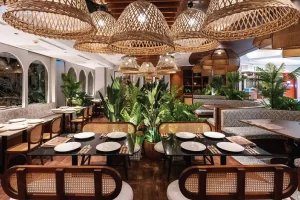
A Hidden Heritage Gem in the Heart of Kuala Lumpur
Kuala Lumpur is often defined by its skyline — from the iconic Petronas Twin Towers to the towering Merdeka 118.
But beyond the glass and steel lies another side of the city — one shaped by colonial history, early entrepreneurs, and preserved architectural gems.
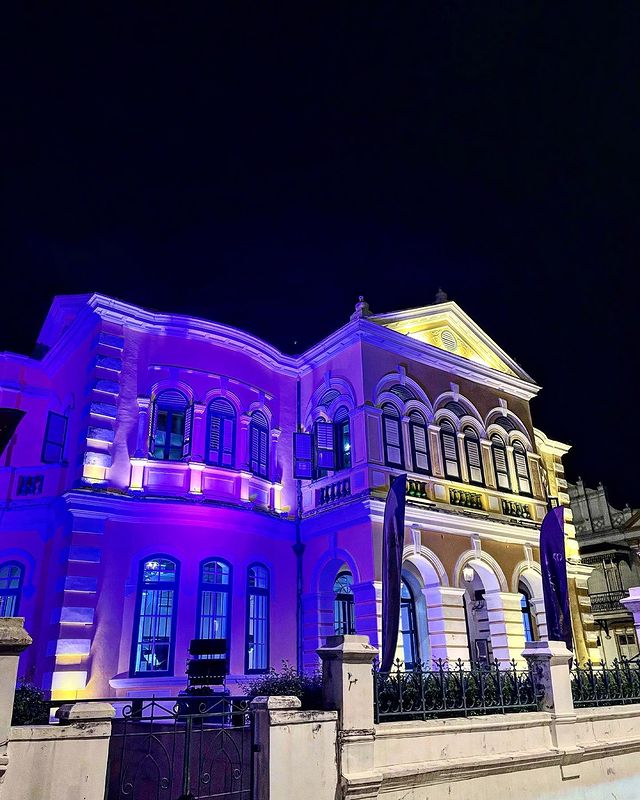
One of the most striking among them is Rumah Tangsi, a bright yellow mansion tucked along Jalan Tangsi. Elegant, historic, and quietly powerful, it stands as one of Kuala Lumpur’s most important heritage buildings — and one of its most underrated attractions.
If you’re exploring historical landmarks in Kuala Lumpur, Rumah Tangsi deserves a spot on your itinerary.
What Is Rumah Tangsi?
Rumah Tangsi, also known as the Loke Chow Kit Mansion, is a restored colonial-era building that today functions as a cultural venue and event space.
Located along Jalan Tangsi (formerly Barrack Road), its name reflects the area’s colonial past — “tangsi” meaning barracks, referencing nearby police and military quarters during British rule.
Today, it stands as a symbol of:
- Kuala Lumpur’s early urban development
- The legacy of local Chinese entrepreneurs
- Successful heritage conservation and adaptive reuse
You can pair this visit with nearby cultural sites like Masjid Jamek Sultan Abdul Samad and Central Market Kuala Lumpur for a deeper historical route.
The Origins: Loke Chow Kit and Early Kuala Lumpur
Rumah Tangsi was originally built as the residence of Loke Chow Kit, one of Kuala Lumpur’s most influential businessmen in the early 20th century.
Construction began in 1907, during a time when Kuala Lumpur was rapidly transforming from a tin mining settlement into a thriving commercial centre.
The mansion, then known as Loke Hall, was designed by architect A.K. Moosdeen, who contributed to several early KL landmarks — including buildings in Medan Pasar and the former Chow Kit & Co. emporium.
Interestingly, despite being built as a residence, Loke Chow Kit and his family did not stay there long — marking the beginning of the building’s many transformations.
From Mansion to Luxury Hotel (1909–1973)
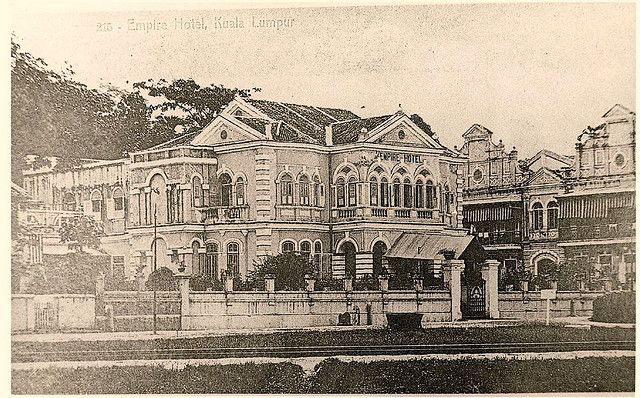
Shortly after its completion, Loke Hall was taken over and converted into the Empire Hotel (1909–1919) — one of the most modern and prestigious hotels in Kuala Lumpur at the time.
Why it was significant:
- Attracted affluent European travellers
- Located near the old Kuala Lumpur Railway Station
- Positioned opposite the Selangor Club (social hub of colonial elites)
- Railway tracks once ran directly in front of the entrance
In 1919, it was renamed the Peninsular Hotel, continuing its role as a key hospitality landmark until 1973.
This period reflects KL’s colonial transformation — which you can explore further in our Kuala Lumpur landmarks guide and cultural heritage of Kuala Lumpur.
The Fight for Preservation: PAM and Conservation Efforts
In 1973, the building entered a new phase when it became the headquarters of Pertubuhan Akitek Malaysia (PAM).
However, its survival was not guaranteed.
What happened:
- The property was sold to a developer planning demolition
- Public concern grew over losing a key heritage building
- PAM actively lobbied authorities to preserve it
- Dewan Bandaraya Kuala Lumpur intervened and acquired the building
This marked one of Kuala Lumpur’s most important early heritage conservation victories.
The building was later gazetted under heritage protection laws, and PAM took on the role of both:
- Architect
- Custodian
Restoration and Transformation into Rumah Tangsi
(Photo: site exhibition)
(Photo: site exhibition)
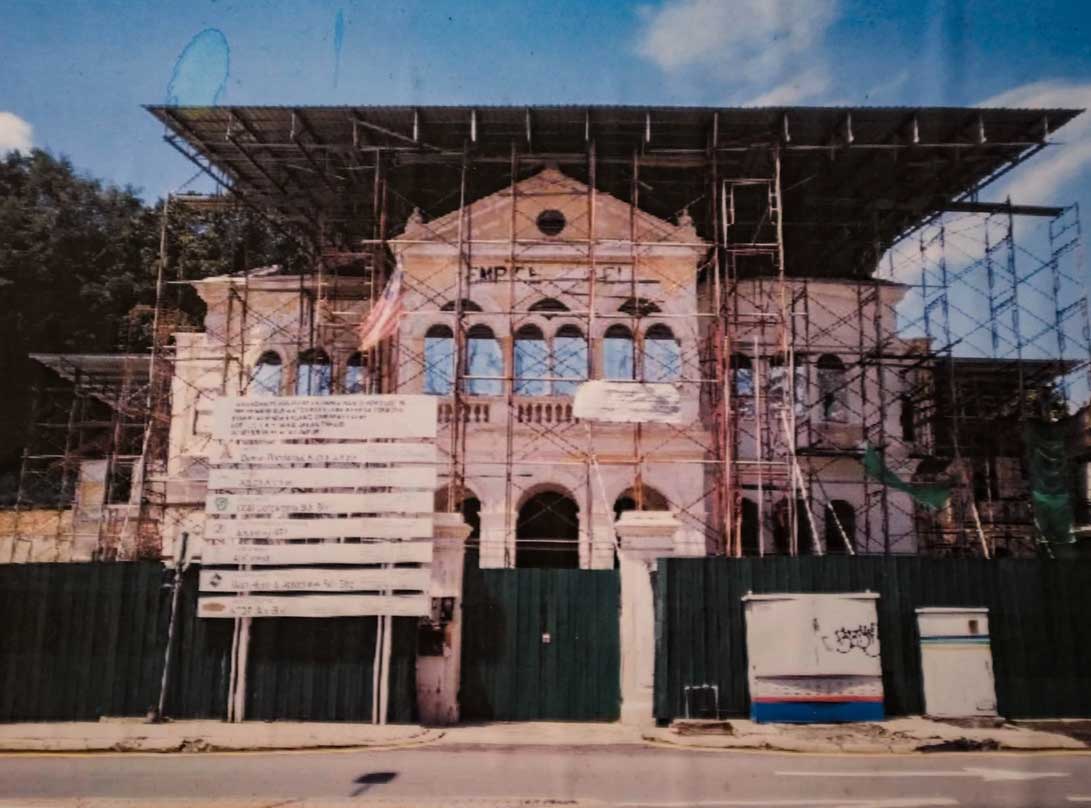
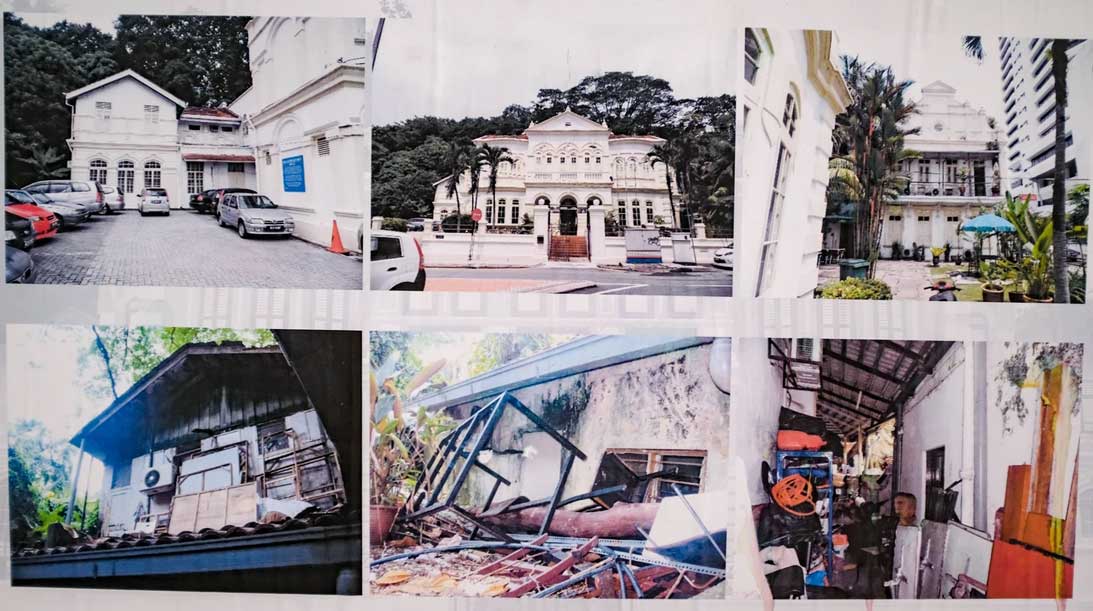
In 2012, the building was officially gazetted as a National Heritage Site under the National Heritage Act 2005.
A major restoration project followed, lasting five years, and was completed in 2017.
The mansion was:
- Carefully restored to preserve its original façade
- Adapted into a modern event and cultural space
- Renamed Rumah Tangsi, reflecting its location
The restoration of Rumah Tangsi represents a major achievement in heritage conservation.
Rather than turning the mansion into a static historical monument, restoration efforts focused on creating a space that remains relevant to modern communities while preserving its historic character.
The project carefully restored architectural features, repaired structural elements, and upgraded facilities to accommodate public events and cultural programmes.
As a result, visitors today can appreciate both the original heritage architecture and the building’s modern role as a community and cultural venue.
Today, it is one of the best examples of adaptive reuse architecture in Malaysia.
What to Do at Rumah Tangsi Today
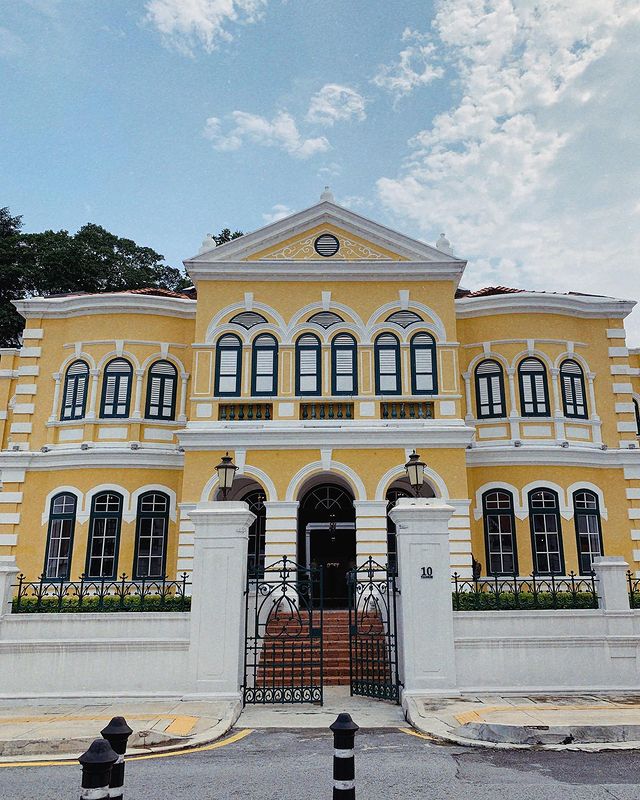
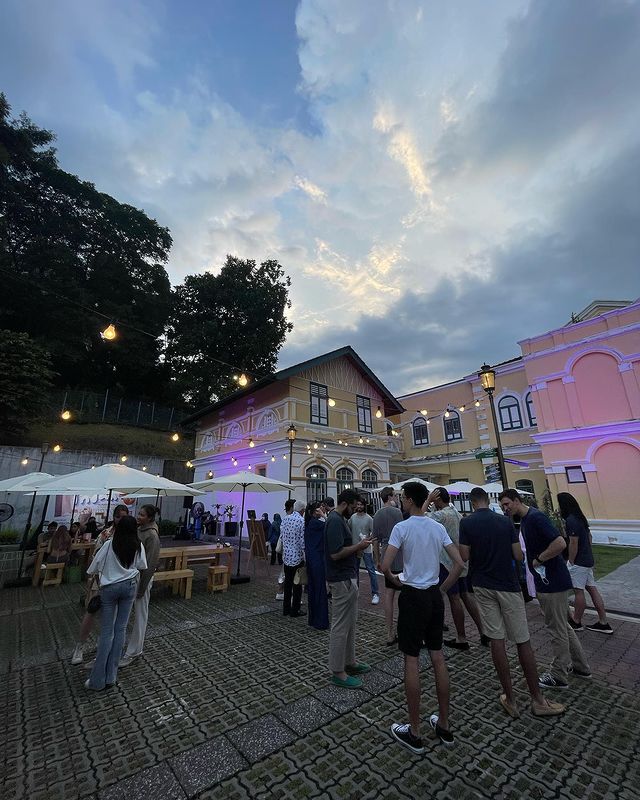
Rumah Tangsi is no longer just a historical building — it is an active cultural venue.
Experiences you can expect:
- Art exhibitions and cultural showcases
- Makers markets and pop-up events
- Performances and creative gatherings
- Private events and weddings
The building’s courtyard and interiors create a unique atmosphere that blends:
- Colonial architecture
- Tropical ambiance
- Contemporary creativity
Why Rumah Tangsi Is Worth Visiting
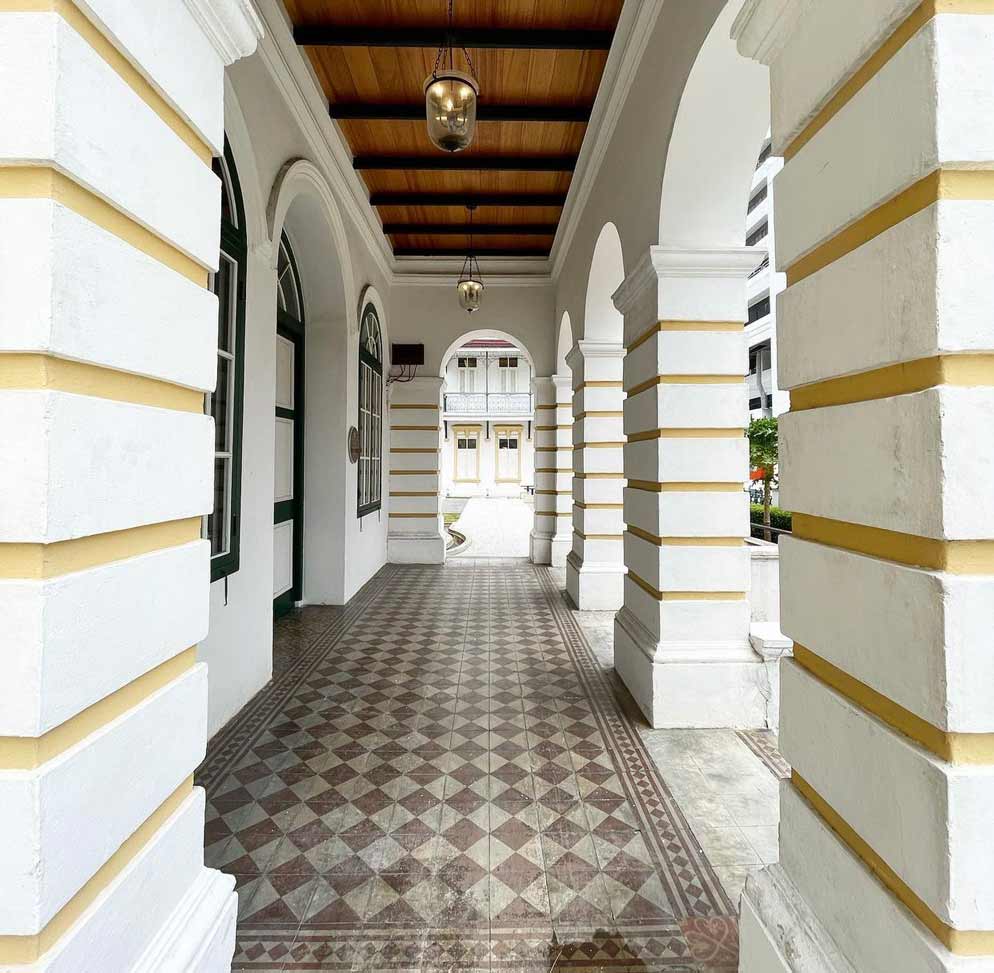
(Photo: Instagram @rumahtangsi)
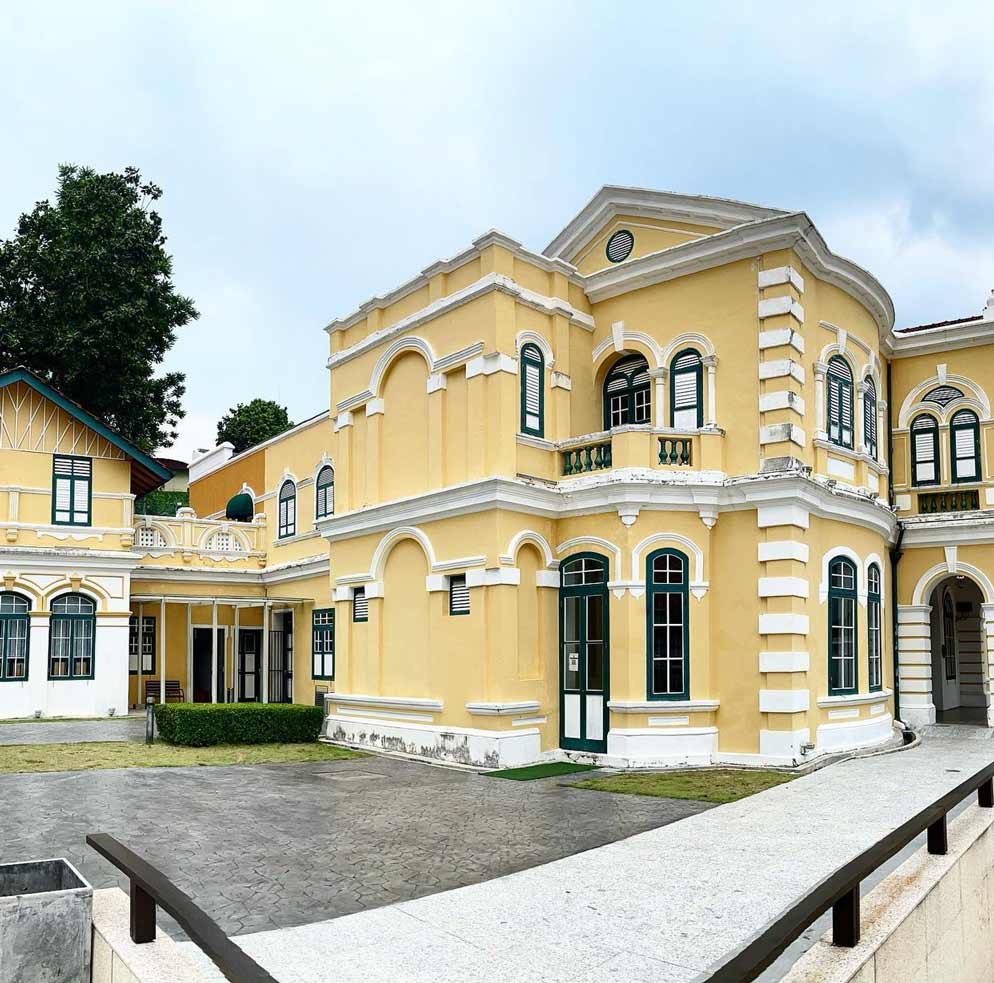
(Photo: Instagram @rumahtangsi)
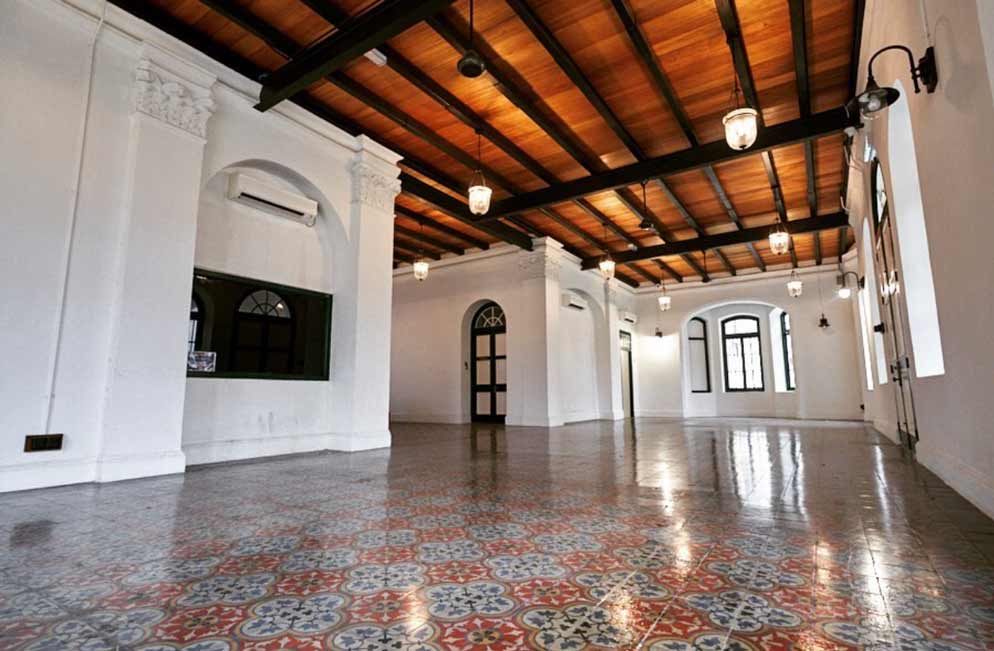
(Photo: Instagram @rumahtangsi)
Unlike KL’s more famous attractions, Rumah Tangsi offers something different — quiet depth and historical richness.
What makes it special:
- One of the few preserved mansions from early KL
- Strong connection to local entrepreneurial history
- Rare example of successful conservation in Malaysia
- Unique blend of heritage and modern cultural use
It is particularly valuable for:
- Architecture enthusiasts
- History lovers
- Photographers
- Cultural explorers
How to Visit Rumah Tangsi
Location
Location: Jalan Tangsi, Kuala Lumpur
Nearby areas: Dataran Merdeka, Masjid Jamek, Pasar Seni
Opening Hours
Opening hours may vary depending on events, exhibitions, and programmes. Visitors should check official announcements before visiting.
By Public Transport
The mansion is within walking distance of MRT, LRT, and other public transport options serving central Kuala Lumpur.
By Car
Parking options are available in surrounding areas, though availability may vary during events.
Best Time to Visit
Weekdays generally offer a quieter experience, while weekends often feature cultural activities and community events.
Tips for Visiting Rumah Tangsi
- Check event schedules before your visit.
- Bring a camera for architectural photography.
- Combine your visit with nearby heritage attractions.
- Allow at least one to two hours for exploration.
- Visit during cultural events for a more immersive experience.
To know more about transportation in Kuala Lumpur, check out: Getting Around Kuala Lumpur.
FAQs About Rumah Tangsi Kuala Lumpur
Is Rumah Tangsi free to enter?
Entry policies vary depending on exhibitions and events. Many public programmes are free, while certain events may require registration or tickets.
Who built Rumah Tangsi?
The mansion was originally associated with Loke Chow Kit, one of Kuala Lumpur’s most influential early businessmen.
Why is Rumah Tangsi important?
It is one of the few surviving heritage mansions from Kuala Lumpur’s early twentieth-century history and serves as a successful example of heritage conservation.
Is Rumah Tangsi suitable for tourists?
Yes. It appeals to history enthusiasts, architecture lovers, photographers, students, and anyone interested in Kuala Lumpur’s cultural heritage.
How much time should I spend at Rumah Tangsi?
Most visitors spend between one and two hours exploring the building and participating in exhibitions or events.
For more information, check out the contact details below.
10 Jalan Tangsi, Tasik Perdana, 50480 Kuala Lumpur.