Few foods are as iconic in Malaysia as roti canai. Crispy on the outside, fluffy on the inside, and served with a variety of curries and side dishes, this beloved flatbread has become a staple breakfast, supper, and comfort food for locals across Kuala Lumpur.
Whether you enjoy a classic roti canai with dhal curry, a crispy roti tisu, or a rich roti banjir drenched in curry, Kuala Lumpur offers countless places to enjoy one of Malaysia’s most famous dishes.
Here’s a guide to some of the best roti canai spots in Kuala Lumpur and Klang Valley.
What Is Roti Canai?
Roti canai is a flaky flatbread that originated from the Indian Muslim community in Malaysia. The dough is stretched, folded, and cooked on a flat griddle until it develops its signature crispy layers.
Traditionally served with:
- Dhal curry
- Fish curry
- Chicken curry
- Sambal
- Sugar
Today, roti canai comes in many variations and remains one of the most popular dishes found at mamak restaurants throughout Malaysia.
Why Roti Canai Is So Popular
Roti canai has become a Malaysian food icon because it is:
- Affordable
- Widely available
- Suitable for breakfast, lunch, dinner, or supper
- Highly customisable
- Comforting and satisfying
For many locals, a plate of roti canai and a glass of teh tarik is the ultimate Malaysian dining experience.
If you’re exploring local food culture, be sure to also check out our guides to nasi lemak in Kuala Lumpur, best Malaysian food in KL, and local breakfast spots in Kuala Lumpur.
Best Roti Canai in Kuala Lumpur
Kanna Curry House
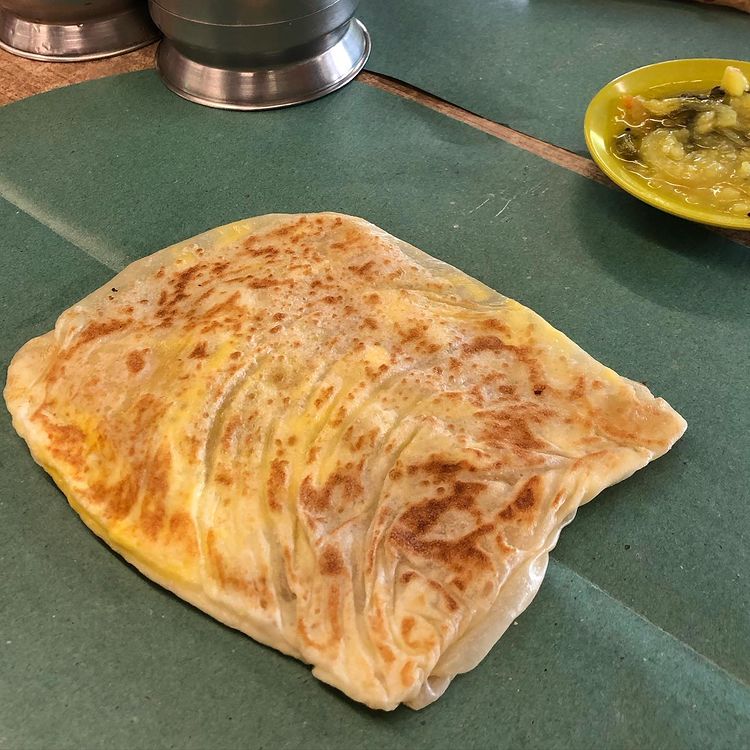
29, Jalan 17/45,
Seksyen 17, 46400
Petaling Jaya, Selangor.
Website | Instagram | Facebook
Restaurant I.V.
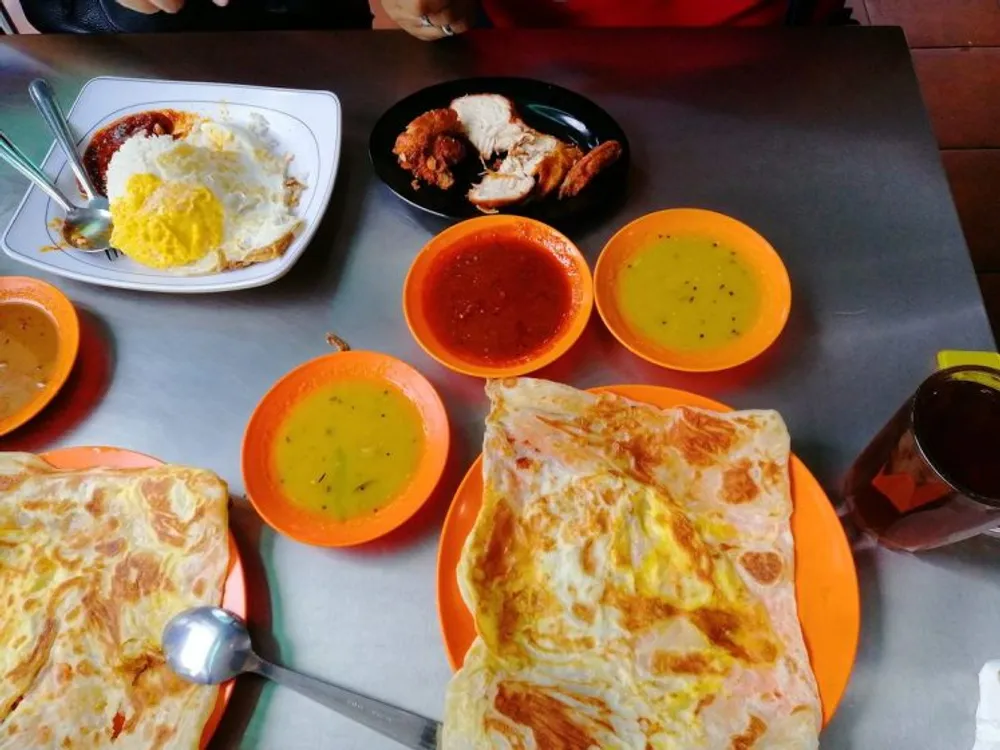
117, Jalan Pandamaran Jaya 62,
Kawasan 10, 42000
Pelabuhan Klang, Selangor.
The Ganga Cafe
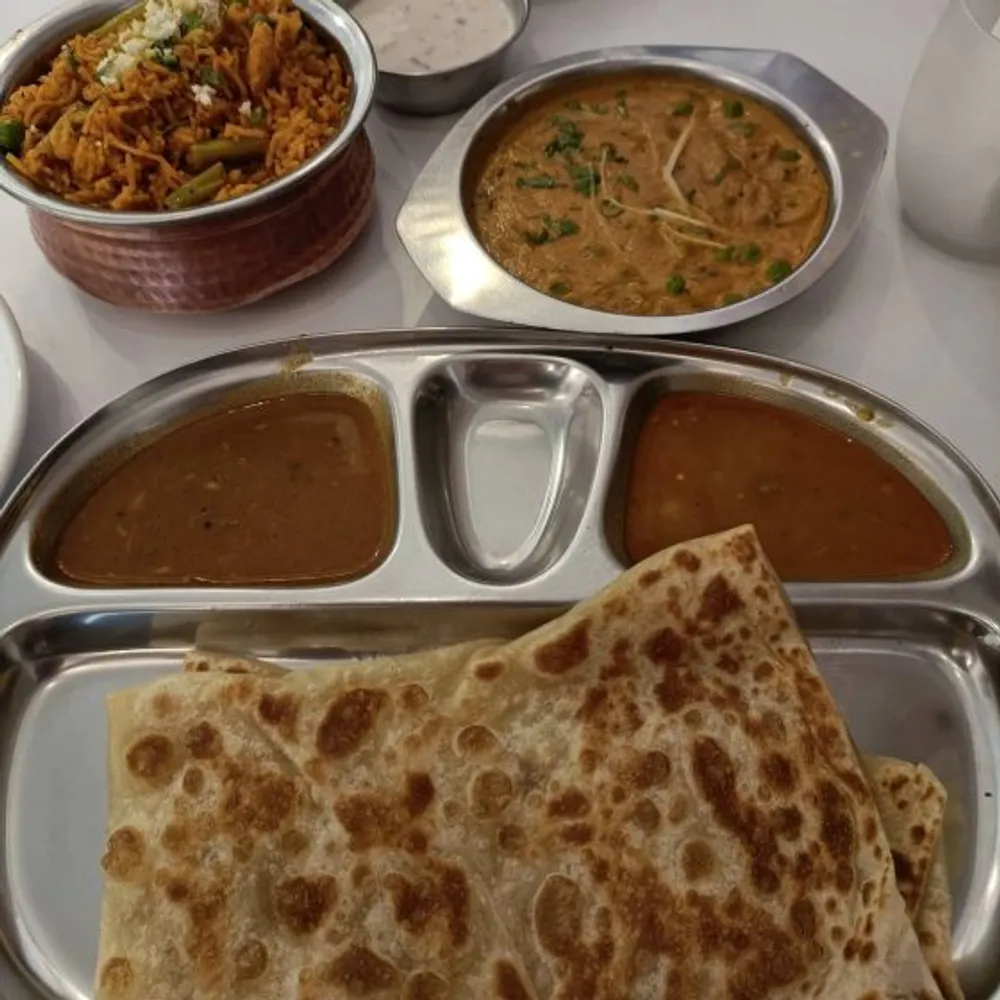
19, Lorong Kurau, Bangsar,
59100 Kuala Lumpur.
Lot E/OG/2A Mont Kiara Complex,
Mont Kiara, 50480 Kuala Lumpur.
Website | Instagram | Facebook
Roti Canai Halim
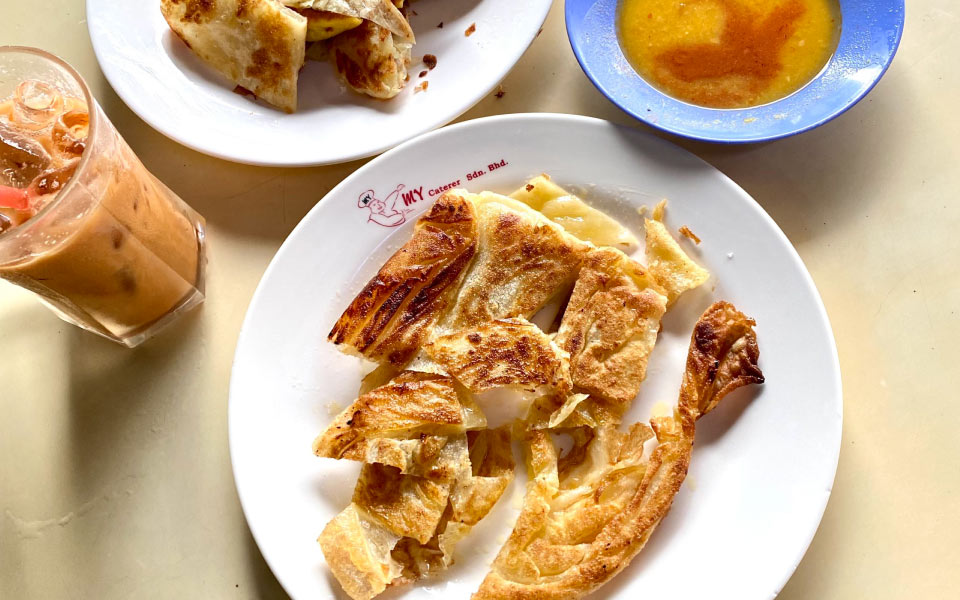
31, Jalan PJS 10/32,
Seksyen 19, 46150
Petaling Jaya, Selangor.
Gerai Pak Hassan
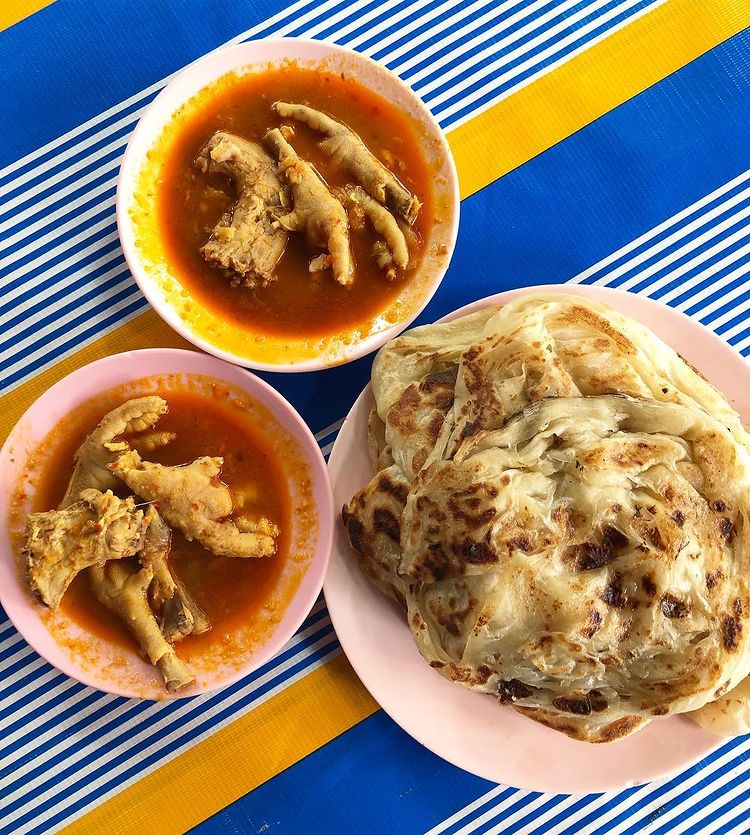
45A, Jalan Raja Abdullah,
Kampung Baru, 50300 Kuala Lumpur.
Restoran Ismail TTDI
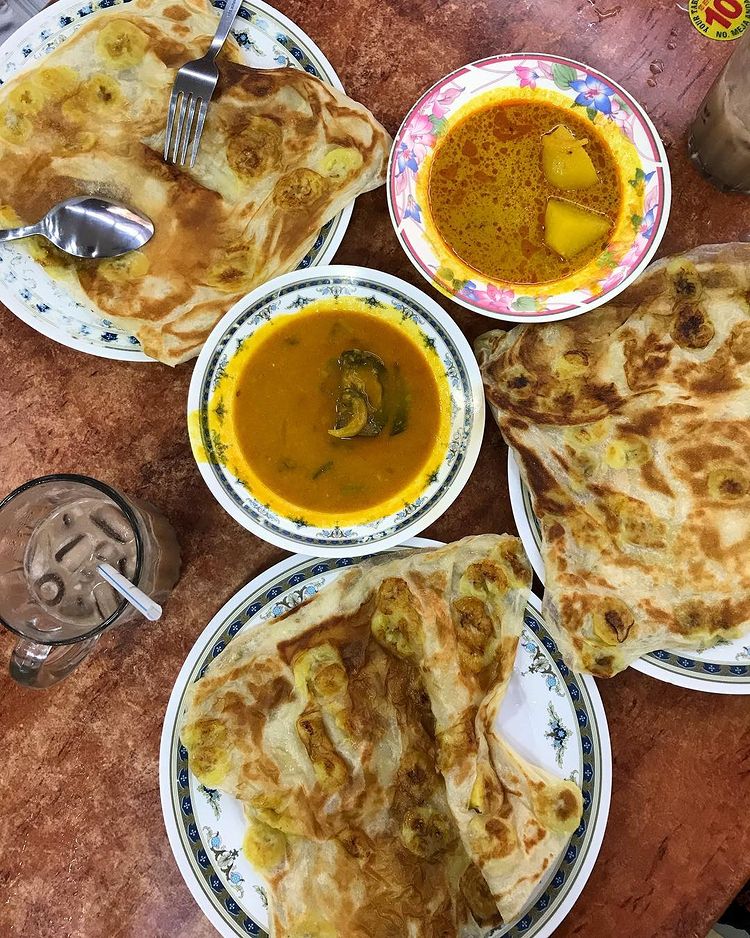
22B, Jalan Tun Mohd Fuad,
Taman Tun Dr Ismail,
60000 Kuala Lumpur.
Roti Canai Pelangi
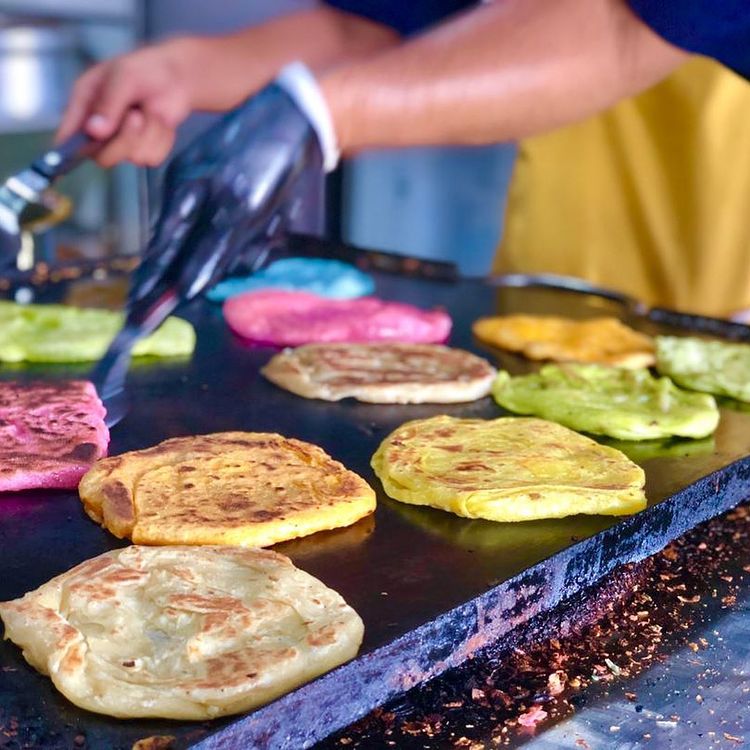
Lot 2430 Batu 3 Kampung Sungai Yu 1,
Kampung Sungai Yu, 45000
Kuala Selangor, Selangor.
Kedai Roti Canai Pak Ali
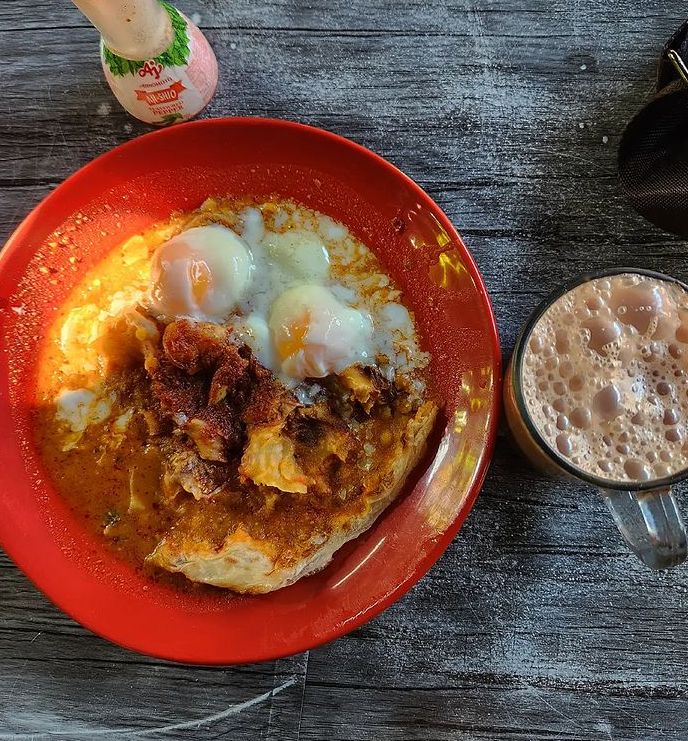
Jalan Pantai Permai, Pantai Dalam,
59200 Kuala Lumpur.
Restoran Choice
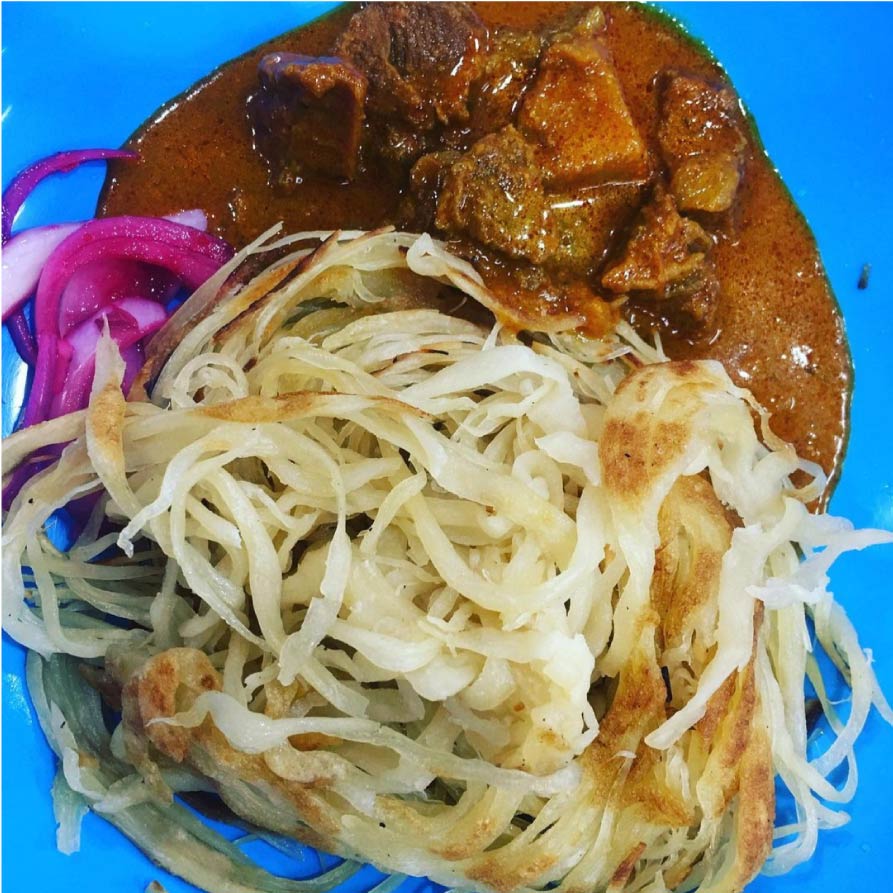
1, Jalan E 1, Taman Melawati,
53100 Kuala Lumpur, Selangor.
Restoran Firdouse
32, Jalan 1/42, Off, Jalan Kuching,
Taman City, 51200 Kuala Lumpur.
Lan Roti Canai
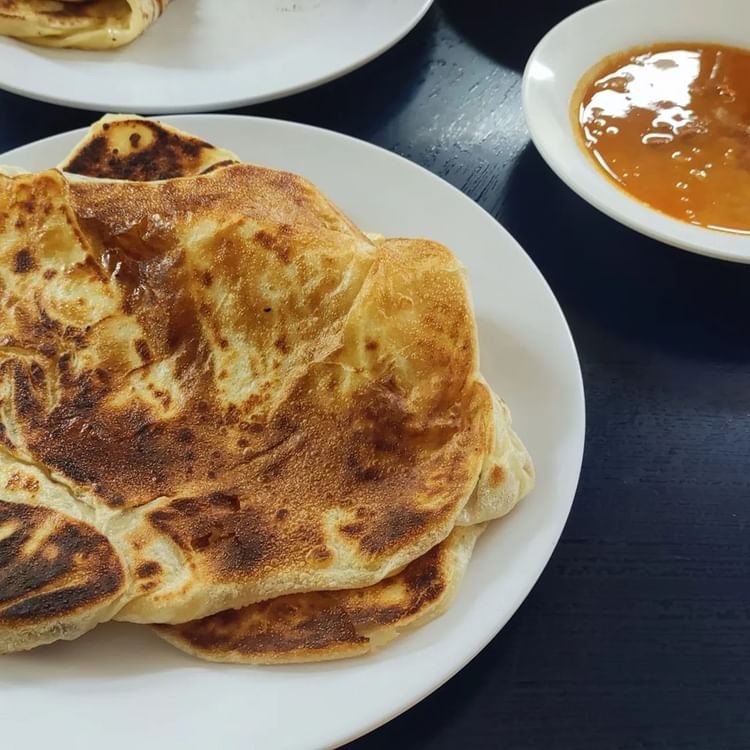
20, Jalan Pantai Permai,
Pantai Dalam, 59200 Kuala Lumpur.
Mansion Tea Stall
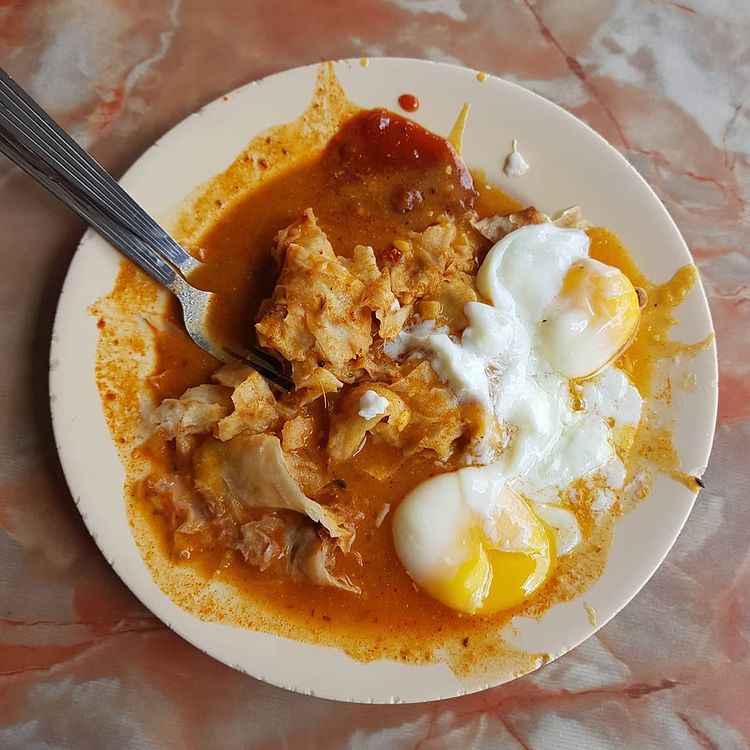
Mansion Tea Stall, Kuala Lumpur City Centre,
50100 Kuala Lumpur.
Popular Types of Roti Canai
One of the reasons roti canai remains so popular in Malaysia is its incredible versatility. While the classic version is a favourite on its own, mamak restaurants and local eateries have created numerous variations over the years, allowing diners to enjoy different flavours, textures, and fillings.
Roti Canai Kosong
The traditional and most commonly ordered version. Served plain with dhal, fish curry, or chicken curry, it allows diners to fully appreciate the crispy layers and soft interior that make roti canai so beloved.
Roti Telur
One of the most popular upgrades to the classic roti canai. An egg is folded into the dough during cooking, creating a richer flavour and a slightly more filling meal. It pairs especially well with spicy curries.
Roti Bawang
Made with chopped onions folded into the dough, roti bawang adds a mild sweetness and extra texture. The onions become lightly caramelised during cooking, giving the roti additional depth of flavour.
Roti Cheese
A modern favourite, particularly among younger diners. Melted cheese is incorporated into the roti, creating a savoury and creamy filling that complements the crisp exterior. Some eateries even combine cheese with egg or other ingredients.
Roti Sardin
Filled with a savoury sardine mixture, usually cooked with onions and spices, roti sardin offers a more substantial and flavourful alternative to the standard versions.
Roti Planta
Prepared with margarine (commonly known as Planta in Malaysia), this version has a richer aroma and slightly sweeter flavour. It is often enjoyed on its own or paired with sugar.
Roti Bom
A thicker and richer variation made with extra margarine and condensed milk. Crispy on the outside and soft inside, roti bom is significantly sweeter and is often enjoyed as a dessert-like treat rather than a savoury meal.
Roti Tisu
Perhaps the most visually distinctive version, roti tisu is stretched paper-thin and folded into a tall cone shape. It is typically drizzled with condensed milk and sugar, resulting in a crispy, sweet snack that is popular for sharing.
Roti Pisang
This variation includes sliced bananas wrapped inside the dough before cooking. The sweetness of the bananas pairs well with condensed milk, making it a popular choice for those looking for a dessert-style roti.
Roti Banjir
Literally meaning “flooded roti,” this version is served drenched in curry and often topped with a fried egg. The roti absorbs the rich curry, creating a comforting and flavour-packed dish that is especially popular among regular mamak patrons.
What Makes Great Roti Canai?
While roti canai may seem like a simple dish, making an exceptional one requires skill, timing, and attention to detail. The best roti canai achieves a balance between texture, flavour, and freshness, transforming a humble flatbread into a memorable meal.
Crispy Exterior
A good roti canai should have a golden-brown, slightly crispy exterior with a satisfying crunch in every bite. The surface should be evenly cooked without being burnt or overly oily.
Fluffy Interior
Beneath the crispy layers, the inside should remain soft, light, and airy. The contrast between the crunchy outer layer and the fluffy centre is one of the defining characteristics of a well-made roti canai.
Distinctive Flaky Layers
One of the hallmarks of quality roti canai is its layered texture. Skilled cooks stretch and fold the dough repeatedly to create delicate layers that separate beautifully when pulled apart. These flaky layers contribute significantly to the overall eating experience.
Freshly Prepared Dough
The quality of the dough plays a major role in the final result. Good roti canai starts with properly rested dough, allowing it to become elastic enough to be stretched thin without tearing. Fresh dough also contributes to better texture and flavour.
Balanced Use of Oil or Ghee
A great roti canai should be rich and fragrant without feeling excessively greasy. The right amount of oil, margarine, or ghee helps create the signature crispiness while maintaining a pleasant mouthfeel.
Flavourful Curry Accompaniments
Many locals would argue that the curry is just as important as the roti itself. Whether it’s dhal curry, fish curry, chicken curry, or a combination of all three, the curry should be rich, aromatic, and well-seasoned. Some of the most memorable roti canai experiences come from eateries with exceptional curry recipes.
Consistency and Freshness
The best roti canai is served straight from the griddle. Freshly cooked roti retains its crisp texture and aromatic qualities, while roti left sitting for too long can lose its appeal. Consistency is also important, with the best stalls maintaining the same quality day after day.
The Perfect Pairing
For many Malaysians, a great plate of roti canai is incomplete without a glass of teh tarik. The combination of crispy roti, flavourful curry, and frothy milk tea remains one of the country’s most iconic and satisfying food pairings.
Ultimately, the perfect roti canai comes down to personal preference. Some diners prefer a thinner and crispier style, while others enjoy a thicker and fluffier texture. Exploring different mamak restaurants and local stalls around Kuala Lumpur is part of the fun, allowing you to discover the versions that best suit your taste.
Roti Canai and Malaysian Food Culture
Few foods are as representative of Malaysia as roti canai.
It is commonly enjoyed:
- For breakfast before work
- During tea breaks
- As a late-night supper
- After social gatherings
- Alongside teh tarik
The dish reflects Malaysia’s multicultural heritage and the influence of Indian Muslim cuisine on local food culture.
For visitors seeking an authentic local experience, eating roti canai at a busy mamak restaurant is almost a rite of passage.
Tips for Enjoying Roti Canai in KL
- Try it with multiple curries for a richer flavour experience
- Pair it with teh tarik
- Visit early in the morning for freshly made roti
- Don’t be afraid to try specialty versions
- Explore neighbourhood mamaks beyond the famous spots
From humble roadside stalls to legendary mamak restaurants, Kuala Lumpur offers countless opportunities to enjoy excellent roti canai.
Whether you prefer a simple roti kosong, a rich roti telur, or an indulgent roti banjir, this iconic Malaysian flatbread remains one of the city’s most beloved comfort foods.
For locals and visitors alike, roti canai is not just a meal—it’s an essential part of experiencing Kuala Lumpur’s food culture.
To explore more Malaysian foods, you might want to check out these articles:
FAQs About Roti Canai in Kuala Lumpur
What is roti canai made of?
Roti canai is made from flour, water, eggs, and fat such as ghee or margarine, which is stretched and folded before being cooked on a griddle.
What is the best curry for roti canai?
Many people enjoy dhal curry, fish curry, or chicken curry. Most mamak restaurants serve multiple curry options.
Is roti canai a breakfast food?
Yes, but it is also commonly eaten for lunch, dinner, and supper.
Where can I find famous roti canai in KL?
Popular areas include Kampung Baru, Petaling Jaya, TTDI, Bangsar, and various neighbourhood mamak restaurants throughout the city.