Kuala Lumpur is more than a modern skyline — it is a city shaped by generations of communities, traditions, and cultures living side by side.
From bustling street markets and historic neighbourhoods to temples, food traditions, and cultural institutions, Kuala Lumpur’s identity is built on diversity.
This guide explores the cultural heritage of Kuala Lumpur, focusing not just on places — but on the experiences, traditions, and people that define the city.
If you’re looking for historical buildings, explore our historical landmarks in Kuala Lumpur guide.
For temples and mosques, see our religious sites in Kuala Lumpur guide.
What Defines Kuala Lumpur’s Cultural Heritage?
Kuala Lumpur’s cultural heritage is shaped by:
- Malay traditions and customs
- Chinese and Indian communities
- Colonial-era influences
- Modern urban culture
This blend makes KL one of Southeast Asia’s most culturally diverse cities.
Traditional Neighbourhoods & Cultural Districts
These areas are where Kuala Lumpur’s culture is most alive — not preserved, but actively lived.
Petaling Street
The historic heart of Kuala Lumpur’s Chinatown, Petaling Street is a bustling district filled with street markets, traditional shops, temples, and local eateries. It reflects decades of Chinese heritage, trade, and migration, especially vibrant at night with food stalls and cultural activity.
Why it matters:
- One of KL’s oldest neighbourhoods
- Centre of Chinese heritage and trade
- Vibrant street culture and night markets
Explore more: Petaling Street & Chinatown Kuala Lumpur
Central Market Kuala Lumpur
Originally established as a wet market in 1888, Central Market has transformed into a cultural hub showcasing Malaysian arts, handicrafts, and heritage products. It represents the country’s multicultural identity, offering visitors a curated experience of local traditions, crafts, and creative expressions.
Why it matters:
- Hub for traditional crafts and souvenirs
- Represents Malaysia’s multicultural identity
- Popular among visitors and locals
Find out more: Central Market
Kampung Baru
Kampung Baru is a rare traditional Malay enclave set against Kuala Lumpur’s modern skyline, where wooden houses, local eateries, and community life remain intact. It offers a glimpse into authentic Malay culture, especially through its food scene, night markets, and longstanding neighbourhood traditions.
Why it matters:
- One of the last remaining traditional Malay settlements in KL
- Strong representation of Malay culture and lifestyle
- Known for authentic local food and night dining
Brickfields
Known as Kuala Lumpur’s Little India, Brickfields is a vibrant neighbourhood filled with colourful shopfronts, temples, spice stores, and traditional Indian cuisine. The area comes alive during festivals, reflecting strong cultural identity through music, textiles, food, and daily community life.
Why it matters:
- Centre of Indian heritage in Kuala Lumpur
- Known for cultural festivals and traditions
- Strong identity through food, music, and architecture
Kwai Chai Hong
Kwai Chai Hong is a restored laneway in Chinatown featuring murals that depict scenes from Kuala Lumpur’s past, particularly the lives of early Chinese settlers. It blends art, storytelling, and heritage preservation, transforming a once-forgotten alley into a cultural and creative attraction.
Why it matters:
- Blends art with heritage storytelling
- Revives forgotten urban spaces
- Popular for cultural photography
Explore more: Kwai Chai Hong
Chow Kit
Chow Kit is one of Kuala Lumpur’s most authentic local neighbourhoods, centred around its bustling wet market. It offers a raw and unfiltered look into everyday Malaysian life, with diverse communities, street food culture, and traditional commerce still thriving beyond tourist hotspots.
Why it matters:
- Authentic local experience
- Diverse community mix
- Strong food culture
These areas are also covered in our Kuala Lumpur neighbourhood guide for deeper exploration.
Food as Cultural Heritage in Kuala Lumpur
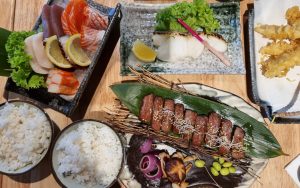
Food in Kuala Lumpur is more than just something to eat — it is one of the strongest expressions of the city’s cultural identity. Shaped by generations of Malay, Chinese, Indian, and other communities, KL’s food scene reflects migration, tradition, and everyday life.
From humble hawker stalls and kopitiams to family-run eateries and modern interpretations of classic dishes, food in Kuala Lumpur tells stories of heritage, adaptation, and coexistence. It is where culture is not just preserved, but continuously experienced and shared.
What defines KL’s food heritage:
Malay Traditions & Kampung Flavours
Rooted in local ingredients and traditional cooking methods, Malay cuisine reflects the flavours of kampung life. Dishes like nasi lemak, rendang, and sambal-based recipes showcase rich spices, coconut milk, and slow-cooking techniques passed down through generations.
Chinese Street Food & Hawker Culture
Brought by early migrants, Chinese food traditions are deeply embedded in KL’s street food scene. From noodle dishes and roast meats to kopitiam culture, these foods represent everyday dining habits, family businesses, and evolving recipes over decades.
Indian Cuisine & Spice Heritage
Indian communities have contributed bold flavours and distinctive dining styles, such as banana leaf rice, curries, and tandoori dishes. The use of spices, herbs, and traditional preparation methods reflects both cultural rituals and communal eating experiences.
Multicultural Fusion & Local Identity
What makes Kuala Lumpur unique is how these culinary traditions blend together. Many dishes have evolved locally, influenced by multiple cultures, creating flavours and combinations that are distinctly Malaysian and not found elsewhere.
Street Food as Everyday Culture
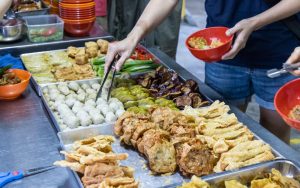
Street food is not just a tourist attraction — it is part of daily life in Kuala Lumpur. Night markets, roadside stalls, and food courts bring together people from all backgrounds, making food a shared cultural experience across the city.
Generational Recipes & Family Businesses
Many eateries in Kuala Lumpur have been operating for decades, preserving recipes and techniques within families. These businesses form an important part of the city’s cultural fabric, maintaining authenticity while adapting to modern tastes.
Food as a Social & Cultural Connector
Food in Kuala Lumpur plays a central role in celebrations, gatherings, and everyday interactions. Whether during festivals or casual meals, it brings communities together and reflects the city’s spirit of diversity and unity.
👉 Explore more in:
Cultural Institutions & Museums in Kuala Lumpur
Cultural institutions and museums in Kuala Lumpur play a vital role in preserving and presenting the city’s diverse heritage. While neighbourhoods and food reflect living culture, museums provide deeper context — documenting traditions, artistic expression, and the historical journeys of different communities across Malaysia.
From national-level institutions to specialised galleries, these spaces offer insight into how culture has evolved over time, bridging the past with the present. They also serve as educational and cultural hubs, making them essential stops for anyone looking to understand Kuala Lumpur beyond its surface.
Key Cultural Institutions & Museums
National Museum of Malaysia
The country’s primary museum, offering a comprehensive overview of Malaysia’s cultural and historical development. Its exhibits cover everything from early civilisations to modern nation-building, making it an essential starting point for understanding the broader cultural context of Kuala Lumpur.
Islamic Arts Museum Malaysia
One of Southeast Asia’s most significant museums dedicated to Islamic art and culture. It showcases intricate calligraphy, architecture, textiles, and artefacts from across the Islamic world, reflecting both global influences and local interpretations within Malaysia.
National Textile Museum
Housed in a colonial-era building, this museum highlights Malaysia’s rich textile traditions, including batik, songket, and weaving techniques. It offers insight into how fabric and design play a role in cultural identity across different communities.
Bank Negara Malaysia Museum and Art Gallery
A modern museum combining art, economics, and culture, featuring interactive exhibits and a strong collection of Malaysian and Southeast Asian artworks. It presents a unique perspective on how culture intersects with finance, design, and national development.
National Art Gallery Malaysia
A key platform for Malaysian contemporary and traditional art, showcasing works from local artists that reflect the country’s evolving identity, social narratives, and creative expressions.
Discover more in our museum guide in Kuala Lumpur.
Festivals & Living Traditions in Kuala Lumpur
Kuala Lumpur’s cultural heritage is not confined to buildings or museums — it is continuously expressed through festivals, rituals, and everyday traditions. Throughout the year, the city transforms with vibrant celebrations that reflect the customs, beliefs, and identities of its diverse communities.
What makes Kuala Lumpur unique is how these traditions are shared across cultures. Festivals are not just observed within individual communities, but experienced collectively — creating a dynamic cultural environment where food, music, and traditions bring people together.
Major Cultural Festivals in Kuala Lumpur
Hari Raya Aidilfitri
Marking the end of Ramadan, Hari Raya is one of Malaysia’s most significant celebrations. In Kuala Lumpur, open houses, traditional Malay dishes, and festive decorations highlight values of forgiveness, unity, and community.
Chinese New Year
Celebrated widely across the city, especially in areas like Chinatown, Chinese New Year marks the beginning of the lunar calendar with decorations, lion dances, festive markets, and family gatherings. It reflects themes of renewal, prosperity, and togetherness.
Deepavali
Known as the Festival of Lights, Deepavali is celebrated by the Indian community, particularly in Brickfields. Colourful kolam designs, oil lamps, and cultural performances symbolise the triumph of light over darkness.
Thaipusam
A deeply spiritual Hindu festival held at Batu Caves, where devotees perform acts of devotion and pilgrimage. It is one of the most visually striking and culturally significant events near Kuala Lumpur.
Living Traditions Beyond Festivals
Beyond major celebrations, Kuala Lumpur’s cultural heritage is also expressed through everyday traditions and practices.
Open House Culture
During festive seasons, it is common for Malaysians to invite friends, neighbours, and even strangers into their homes, reflecting a strong culture of hospitality and inclusiveness.
Traditional Attire & Craftsmanship
Clothing such as baju kurung, cheongsam, and saree are still worn during festivals and cultural events, showcasing identity through textiles, patterns, and craftsmanship.
Food as Celebration
Festive foods — from kuih and rendang to sweets and traditional snacks — play a central role in celebrations, often prepared using recipes passed down through generations.
Religious & Cultural Rituals
From temple offerings to prayer gatherings, rituals remain an important part of daily life, especially during significant cultural and religious periods.
Where to Experience Festivals in Kuala Lumpur
Different parts of the city come alive during different celebrations:
- Chinatown → Chinese New Year
- Kampung Baru → Hari Raya Aidilfitri
- Brickfields → Deepavali
- Batu Caves → Thaipusam
For planning your visit, explore our events and festivals in Kuala Lumpur.
Markets, Crafts & Everyday Culture
Beyond landmarks and festivals, Kuala Lumpur’s cultural heritage is most visible in its everyday life — in the markets people visit, the crafts they create, and the small traditions that continue across generations. These daily experiences reflect how culture is lived, not just preserved, offering a more intimate understanding of the city.
From bustling street markets and traditional businesses to handmade crafts and local trades, these elements form the foundation of Kuala Lumpur’s cultural identity. They reveal how communities interact, sustain livelihoods, and pass down skills in a rapidly modernising city.
Street Markets & Night Bazaars
Markets are an essential part of life in Kuala Lumpur, serving as gathering spaces where food, commerce, and culture intersect.
- Night markets (pasar malam) are found across different neighbourhoods, offering street food, clothing, and local goods
- Street-side stalls and temporary setups reflect the informal, community-driven nature of local commerce
- Markets often become especially vibrant during festive seasons
Areas like Petaling Street and Chow Kit are key places to experience this atmosphere.
Traditional Crafts & Local Artisans
Craftsmanship remains an important part of Malaysia’s cultural heritage, even within Kuala Lumpur’s urban setting.
- Handmade batik and songket textiles reflect traditional design and techniques
- Wood carving, metalwork, and handicrafts showcase regional artistry
- Many of these crafts are preserved and displayed in places like Central Market Kuala Lumpur
These crafts are not just souvenirs — they represent cultural knowledge passed through generations.
Traditional Shops & Family Businesses
Across Kuala Lumpur, many long-standing businesses continue to operate, maintaining traditions in both products and service.
- Family-run eateries, provision shops, and specialty stores reflect decades of continuity
- Some shops retain original signage, interiors, and methods of operation
- These businesses often serve as community anchors within neighbourhoods
Exploring areas like Chinatown and older districts reveals how these businesses remain part of daily life.
Everyday Culture & Street Life
Kuala Lumpur’s cultural identity is also shaped by how people live, work, and interact daily.
- Morning markets, coffee shops, and hawker centres form part of everyday routines
- Public spaces become informal social hubs for different communities
- Street life reflects a blend of tradition and modern urban living
This is where culture becomes most visible — not in curated spaces, but in everyday moments across the city.
Why Cultural Heritage Matters in Kuala Lumpur
Kuala Lumpur’s cultural heritage represents:
- The coexistence of diverse communities
- Traditions passed through generations
- A balance between preservation and modernisation
It is not just about history — it is about how people live, eat, celebrate, and connect today.
How to Experience Cultural Heritage in Kuala Lumpur
Experiencing Kuala Lumpur’s cultural heritage goes beyond visiting landmarks — it’s about immersing yourself in the city’s neighbourhoods, food, traditions, and daily life. With a mix of planned exploration and spontaneous discovery, you can uncover both iconic and hidden aspects of KL’s culture.
1. Explore by Neighbourhood
Start with culturally rich districts such as Petaling Street, Kampung Baru, and Brickfields. Each area offers a distinct cultural identity through its architecture, food, and community life.
2. Combine Food with Culture
Food is one of the most accessible ways to experience heritage in Kuala Lumpur. Visit hawker centres, kopitiams, and local eateries to taste dishes that reflect generations of cultural influence.
Explore more in:
3. Visit Cultural Institutions & Museums
Museums and galleries provide deeper insight into Malaysia’s traditions, history, and artistic expression. They help you understand the stories behind the places and communities you encounter.
See our museum guide to Kuala Lumpur for recommendations.
4. Experience Festivals & Seasonal Events
If your visit coincides with major celebrations like Chinese New Year, Hari Raya, or Deepavali, take the opportunity to experience Kuala Lumpur at its most vibrant and culturally expressive.
5. Slow Down & Observe Everyday Life
Sometimes the most meaningful cultural experiences come from simply walking through neighbourhoods, observing daily routines, and interacting with local communities. Markets, street corners, and small shops often reveal the most authentic side of Kuala Lumpur.
FAQs About Cultural Heritage in Kuala Lumpur
What are the best cultural places in Kuala Lumpur?
Top places include Petaling Street, Central Market, Kwai Chai Hong, and major museums like the National Museum.
What makes Kuala Lumpur culturally unique?
Its mix of Malay, Chinese, Indian, and global influences creates a diverse and dynamic cultural environment.
Is Kuala Lumpur good for cultural experiences?
Yes — visitors can experience culture through food, festivals, neighbourhoods, and daily life.
Are cultural heritage sites different from historical landmarks?
Yes. Cultural heritage focuses on traditions, communities, and lifestyle, while historical landmarks focus on historical events and architecture.
When is the best time to experience cultural heritage in KL?
During major festivals such as Chinese New Year, Hari Raya, and Deepavali.