Kuala Lumpur is often described as one of Southeast Asia’s most affordable capital cities. But here’s the real question:
How much money do you actually need for a trip to Kuala Lumpur?
Is RM100 per day enough?
Is KL really “cheap”?
Or does it depend on how you travel?
In this complete Kuala Lumpur travel cost guide, we’ll break down everything — accommodation, food, transport, attractions, shopping, nightlife, and hidden expenses — so you can plan your trip realistically and confidently.
Whether you’re a backpacker, a mid-range traveller, a digital nomad, or someone looking to enjoy KL’s five-star luxury at great value, this pillar guide covers it all.
Is Kuala Lumpur Expensive for Tourists?
Compared to cities like Singapore, Tokyo, London or Sydney — Kuala Lumpur is very affordable.
But KL is also a city of contrast.
You can:
- Eat for RM8 at a hawker stall.
- Or spend RM400 at a rooftop fine dining restaurant.
- Stay in a RM40 hostel dorm.
- Or book a RM1,200 five-star suite overlooking the skyline.
Your budget depends entirely on your travel style.
Here’s a realistic daily estimate:
| Travel Style | Daily Budget (MYR) | USD Approx. |
|---|---|---|
| Budget | RM120 – RM200 | $25 – $45 |
| Mid-Range | RM250 – RM500 | $55 – $110 |
| Luxury | RM800 – RM1,500+ | $175 – $330+ |
Let’s break this down properly.
Accommodation Costs in Kuala Lumpur
Accommodation is typically the largest expense when visiting or living in Kuala Lumpur — but it’s also where KL offers some of the best value globally.
Unlike many major cities, Kuala Lumpur provides:
- Ultra-budget hostels
- Affordable boutique hotels
- Luxury 5-star stays at mid-range global prices
This means your cost can range anywhere from RM50 per night to RM1,500+, depending on your preferences.
Budget Accommodation in Kuala Lumpur (RM50–RM150/night)
KBudget accommodation in Kuala Lumpur is extremely accessible and widely available, especially in central areas.
What You Get:
- Dorm beds or small private rooms
- Shared bathrooms (sometimes private in higher-end budget stays)
- Air-conditioning (almost always included)
- WiFi and basic amenities
Best Areas for Budget Stays:
- Bukit Bintang — central, lively, great for nightlife
- Chinatown (Petaling Street) — cheapest options + culture
- KL Sentral — best transport connectivity
Who It’s For:
- Backpackers
- Solo travellers
- Short stays with minimal time in the room
Reality Check:
Kuala Lumpur’s budget stays are often cleaner and more modern than many Southeast Asian cities at similar prices — making it a strong entry point for first-time travellers.
Explore more: Cheap Hotels in Kuala Lumpur
Mid-Range Accommodation (RM150–RM400/night)
This is where Kuala Lumpur truly shines.
Mid-range accommodation offers exceptional value, often giving you:
- Rooftop infinity pools
- Skyline views (including KLCC area)
- Spacious rooms or serviced apartments
What You Get:
- 3–4 star hotels or boutique stays
- Private bathrooms
- Swimming pool, gym, café
- Prime or near-central locations
Popular Options:
- Boutique hotels in Bukit Bintang
- Serviced apartments in KLCC & Bangsar
- Modern hotels around TRX and Pudu
Who It’s For:
- Couples
- Digital nomads
- Travellers seeking comfort without overspending
Why It’s a Sweet Spot:
A RM250–RM350/night stay in KL can feel like a RM600–RM800 experience in cities like Singapore or Tokyo.
Find out more: Where to Stay in Kuala Lumpur
Luxury Hotels in Kuala Lumpur (RM500–RM1,500+/night)
Kuala Lumpur is globally recognised for offering affordable luxury.
You can stay in internationally acclaimed 5-star hotels at a fraction of prices found in other global capitals.
What You Get:
- Large, premium rooms and suites
- Iconic skyline views (especially KLCC)
- Infinity pools, spas, fine dining
- Concierge and premium services
Typical Locations:
- KLCC — best for skyline views
- Bukit Bintang — lifestyle + shopping
- TRX — emerging luxury district
Who It’s For:
- Luxury travellers
- Staycation seekers
- Content creators (highly aesthetic locations)
Key Insight:
Luxury hotels in Kuala Lumpur are often used for:
- Weekend staycations by locals
- Special occasions
- Brand collaborations and content shoots
Explore: Luxury Hotels in Kuala Lumpur
Long-Term Rental Costs (Monthly)
If you’re staying longer (1 month+), renting becomes significantly more cost-efficient.
Average Monthly Rent:
| Type | Price Range |
|---|---|
| Room (shared) | RM800–RM1,500 |
| Studio apartment | RM1,500–RM3,000 |
| 1–2 bedroom condo | RM2,500–RM5,500 |
| Luxury condo (KLCC/Mont Kiara) | RM5,000–RM12,000+ |
Popular Areas:
- KLCC — premium, central, expensive
- Mont Kiara — expat-friendly, quieter
- Bangsar — lifestyle + cafés
- Cheras / Setapak — more affordable options
Additional Costs:
- Utilities: RM100–RM300/month
- Internet: RM100/month
- Parking (if needed): RM100–RM300/month
Insight:
Kuala Lumpur offers high-quality condos at relatively low prices, often including:
- Pools
- Gyms
- Security
- Co-working spaces
Find out more about: Living in Kuala Lumpur
Food Prices in Kuala Lumpur
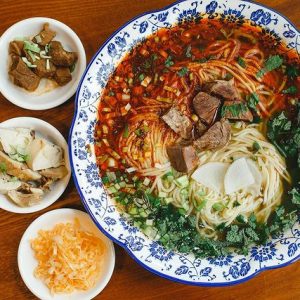
Food is where Kuala Lumpur truly stands out.
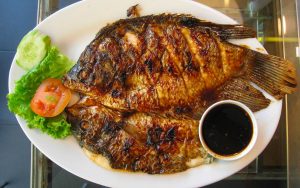
It is one of the few major cities in the world where you can eat incredibly well at every budget level — from RM6 street meals to RM300+ fine dining experiences.
Unlike many global cities, Kuala Lumpur offers:
- A strong street food and hawker culture
- Affordable everyday dining
- World-class fine dining at relatively lower prices
This makes food not just a necessity — but one of the main reasons to visit Kuala Lumpur.
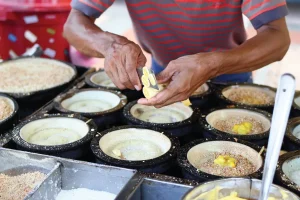
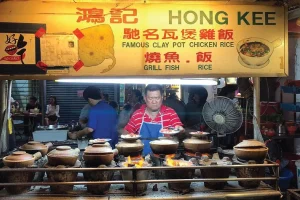
Street Food & Hawker Meals (RM6–RM15)
Street food is the foundation of Kuala Lumpur’s food culture — and also the most budget-friendly option.
Typical Prices:
- Nasi lemak: RM3–RM8
- Roti canai: RM1.50–RM3
- Fried noodles (char kway teow, mee goreng): RM6–RM12
- Chicken rice: RM6–RM10
Where to Eat:
- Jalan Alor (tourist-friendly street food)
- Night markets (pasar malam)
- Hawker centres across the city
- Mamak stalls (24-hour local eateries)
Why It’s Special:
Street food in KL is not just cheap — it’s deeply cultural, reflecting Malay, Chinese, and Indian influences.
You can easily eat 3 satisfying meals under RM30/day.
Check out where to find: Street Food in Kuala Lumpur & Cheap Food in Kuala Lumpur
Local Restaurants & Kopitiams (RM8–RM25)
Local eateries offer the best balance between price, comfort, and variety.
Typical Prices:
- Mixed rice (nasi campur): RM8–RM15
- Chicken rice: RM8–RM12
- Economy noodles/rice dishes: RM8–RM20
- Drinks (kopi, teh tarik): RM2–RM5
What You’ll Experience:
- Faster service
- Wider menu variety
- Seating comfort compared to street stalls
Key Insight:
This is where locals eat daily — making it the most authentic and sustainable way to experience KL food culture.
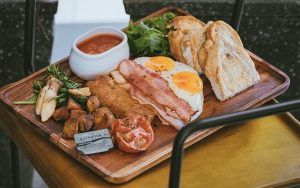
Cafés & Casual Dining (RM20–RM60)
Kuala Lumpur’s café scene has grown rapidly, especially in areas like:
- Bukit Bintang
- Bangsar
- Mont Kiara
- TTDI
Typical Prices:
- Coffee: RM8–RM15
- Brunch dishes: RM18–RM35
- Pasta/rice bowls: RM20–RM40
Who It’s For:
- Digital nomads
- Lifestyle travellers
- Social media/content creators
Insight:
While still affordable compared to global cities, café prices are where KL starts to feel “international” rather than cheap.
Explore more: Cafes to Visit in Kuala Lumpur
Mid-Range Restaurants (RM30–RM80)
This category includes:
- Casual restaurants
- Family dining spots
- International cuisines (Japanese, Korean, Western, Thai)
Typical Prices:
- Main dish: RM25–RM60
- Meal with drink: RM30–RM80
What You Get:
- Comfortable dining environments
- Consistent quality
- Larger portion sizes
Insight:
KL offers a wide range of international cuisines at competitive prices, making it attractive for long-term stays.
Find out more: Best Restaurants in Kuala Lumpur
Fine Dining & High-End Restaurants (RM100–RM500+)
Kuala Lumpur’s fine dining scene is growing rapidly, with restaurants gaining regional and global recognition.
Typical Prices:
- Set lunch: RM80–RM150
- Dinner: RM150–RM300+
- Tasting menus: RM250–RM500+
What You Get:
- Creative, modern cuisine
- Premium ingredients
- High-end service and ambience
Key Insight:
Compared to cities like Singapore, Tokyo, or London, KL’s fine dining is significantly more affordable for similar quality.
Transport Costs in Kuala Lumpur
Getting around Kuala Lumpur is relatively affordable, but not always simple.
Unlike cities such as Singapore or Tokyo, KL is:
- Not fully walkable
- Car-dependent in some areas
- But supported by a growing public transport system
The good news:
You can still move around efficiently using a mix of:
- MRT / LRT / Monorail
- Grab (ride-hailing)
- Walking (within key areas like KLCC & Bukit Bintang)
Airport Transport (KLIA to City)
This is one of the most searched cost questions.
KLIA Ekspres (Fastest)
- RM55 one-way
- ~28 minutes to KL Sentral
- Best for speed and convenience
Airport Bus (Budget)
- RM12–RM15
- ~1 hour
- Best for budget travellers
Grab / Taxi
- RM65–RM120
- ~45–75 minutes (depending on traffic)
- Best for groups or heavy luggage
Insight:
- Solo travellers → train or bus
- Groups (2–4 pax) → Grab becomes very cost-efficient
Find out more about traveling from the KLIA to the city.
Public Transport (MRT, LRT, Monorail)
Kuala Lumpur’s rail system is the most cost-efficient way to travel across the city.
Typical Prices:
- Short distance: RM2–RM4
- Medium distance: RM4–RM6
- Longer journeys: RM6–RM10
Main Systems:
- MRT — newest, most modern lines (best for tourists)
- LRT — connects major residential + city areas
- Monorail — covers central KL (Bukit Bintang, etc.)
Key Routes for Travellers:
- KL Sentral → Bukit Bintang
- KL Sentral → KLCC
- KLCC → Pasar Seni (Chinatown)
Pros:
- Very affordable
- Air-conditioned
- Avoids traffic congestion
Cons:
- Not all areas are covered
- Transfers can be confusing for first-time users
Check this out: Getting Around Kuala Lumpur
Ride-Hailing (Grab)
Grab is the most convenient and widely used transport option in Kuala Lumpur.
Typical Prices:
- Short trips (2–5 km): RM5–RM12
- Medium trips (5–10 km): RM12–RM25
- Cross-city trips: RM25–RM50+
When Prices Increase:
- Peak hours (rush hour traffic)
- Rainy weather
- Late-night demand
Why Most People Use Grab:
- Door-to-door convenience
- Air-conditioned comfort
- Affordable compared to taxis in many countries
Insight:
For many travellers, KL is a “Grab-first city”, especially when:
- Travelling in groups
- Visiting places not well connected by MRT
Car Rental & Driving
Driving in Kuala Lumpur is possible — but not ideal for most visitors.
Typical Costs:
- Car rental: RM80–RM200/day
- Petrol: relatively affordable
- Parking: RM2–RM10/hour (higher in city centre)
Challenges:
- Heavy traffic congestion
- Complex road systems
- Parking costs in central areas
Best For:
- Exploring outside KL (road trips)
- Longer stays with specific needs
Learn more about Driving in Kuala Lumpur.
Attraction & Activity Costs
Kuala Lumpur offers a wide range of attractions across all budgets — from completely free cultural landmarks to premium skyline experiences.
One of KL’s biggest advantages:
- You can enjoy a full day of activities for under RM50
- Or spend RM300+ on premium experiences
This flexibility makes KL ideal for:
- Budget travellers
- Families
- Experience-driven visitors
Free Attractions in Kuala Lumpur
Many of Kuala Lumpur’s most iconic landmarks are completely free to visit.
Must-Visit Free Attractions:
- Petronas Twin Towers (external views & KLCC Park)
- Batu Caves (main temple & stairs)
- Dataran Merdeka
- Masjid Negara
- Central Market
Why This Matters:
You can explore KL’s:
- Culture
- Architecture
- History
Without spending anything on entry fees
Explore more: Free Things to Do in Kuala Lumpur
Paid Iconic Attractions (RM30–RM120)
These are KL’s top ticketed attractions, often featured in travel itineraries.
Typical Prices:
- Petronas Twin Towers Skybridge: RM80–RM120
- KL Tower: RM49–RM99
- Aquaria KLCC: RM69–RM85
- KL Bird Park: RM63–RM85
What You Get:
- Panoramic skyline views
- Family-friendly experiences
- Indoor attractions (great for rainy days)
Explore more: Things to Do in Kuala Lumpur
Cultural & Museum Experiences (RM5–RM20)
For travellers interested in history and culture, KL offers excellent low-cost museums.
Typical Prices:
- National Museum: ~RM5–RM10
- Bank Negara Museum & Art Gallery: Free entry
- Islamic Arts Museum Malaysia: ~RM20
Why It’s Worth It:
- Air-conditioned (great escape from heat)
- Educational and well-curated
- Very affordable compared to global standards
Check out: Museums in Kuala Lumpur
Tours & Guided Experiences (RM50–RM200+)
Guided experiences are increasingly popular, especially for first-time visitors.
Typical Prices:
- Food tours: RM80–RM150
- City tours: RM50–RM120
- Private tours: RM150–RM300+
What You Get:
- Local insights and storytelling
- Structured itinerary
- Convenience for short stays
Insight:
Food tours are particularly valuable in KL because:
The food scene is diverse and sometimes overwhelming
Entertainment & Night Activities (RM20–RM100+)
KL offers a variety of evening and nightlife activities.
Typical Prices:
- Cinema ticket: RM15–RM25
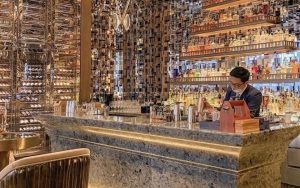
- Rooftop bar entry/drink: RM30–RM80
- Night markets: RM10–RM30 spending
Popular Options:
- Rooftop bars with skyline views
- Night markets (pasar malam)
- Live music venues
Explore the Night Activities to Do in Kuala Lumpur
Shopping & Lifestyle Costs
Shopping is one of the main activities in Kuala Lumpur, and it spans all price levels.
What to Expect:
- Luxury malls (KLCC, Pavilion, TRX)
- Street markets (Petaling Street, pasar malam)
- Local artisan shops
Cost Range:
- Budget shopping: RM10–RM50
- Mid-range retail: RM50–RM300
- Luxury: RM500+
Insight:
Even if you don’t shop, malls in KL are:
Experiences themselves (aircon, food, architecture)
Read more: Shopping in Kuala Lumpur
Hidden Costs to Watch Out For
Kuala Lumpur is generally affordable — but like any major city, there are hidden costs that can quietly increase your spending.
These are not always obvious at first, especially for first-time visitors or new expats.
Understanding these will help you:
- Budget more accurately
- Avoid unexpected expenses
- Maintain control over your spending
1. Traffic & Time Costs
Traffic in Kuala Lumpur can be unpredictable — especially during peak hours.
What This Affects:
- Grab fares (surge pricing)
- Travel time (longer journeys = higher cost)
- Daily productivity (for long stays)
Example:
A RM12 ride can easily become RM20–RM30 during:
- Rush hour
- Rainy evenings
- Weekend congestion
Time becomes a hidden cost, especially for daily commuters.
2. Alcohol & Imported Goods
Malaysia imposes high taxes on alcohol and imported products.
Typical Prices:
- Beer: RM15–RM30
- Cocktails: RM25–RM50+
- Wine: RM100+ per bottle
Imported Items:
- Cheese, snacks, specialty groceries
- Western products
Insight:
If your lifestyle includes:
- Regular drinking
- Imported food preferences
Kuala Lumpur can feel significantly more expensive.
3. Lifestyle Inflation (Cafés, Malls, Convenience)
KL’s modern lifestyle scene can quietly increase your spending.
Where It Happens:
- Café hopping (RM20–RM40 per visit)
- Shopping malls
- Branded retail & lifestyle experiences
Why It Adds Up:
What feels like:
- “Just a coffee”
- “Just a quick mall visit”
Can accumulate into significant monthly spending.
4. Accommodation in Prime Areas
While KL offers affordable housing overall, prime areas come at a premium.
Expensive Zones:
- KLCC
- Mont Kiara
- Bukit Bintang
- Bangsar
What You Pay For:
- Location
- Convenience
- Lifestyle
Insight:
Choosing these areas can:
Double or even triple your accommodation costs
5. Parking & Driving Costs
Driving in KL introduces additional costs beyond fuel.
Hidden Expenses:
- Parking fees (RM2–RM10/hour)
- Toll charges (highways)
- Maintenance and insurance
Reality:
Frequent driving in the city centre can become:
More expensive than using Grab or public transport
6. Tourist Pricing & Convenience Premium
Some areas in KL have tourist-adjusted pricing.
Common Areas:
- Jalan Alor
- KLCC surroundings
- Popular attractions
What Happens:
- Food prices slightly higher
- Smaller portions
- Convenience pricing
Tip:
Walk a few streets away —
Prices often drop significantly.
Money-Saving Tips in Kuala Lumpur
Kuala Lumpur is already an affordable city —
but if you approach it strategically, you can reduce your spending significantly without sacrificing experience.
These tips are based on how locals and frequent visitors navigate the city.
1. Eat Like a Local (Your Biggest Cost Lever)
Food is where you can save the most money.
What to Do:
- Eat at hawker centres and kopitiams
- Visit mamak stalls for late-night meals
- Explore pasar malam (night markets)
What to Avoid (Daily):
- Eating every meal in cafés
- Dining only in malls or tourist areas
You can reduce daily food costs from RM50 → RM15–RM25 easily.
2. Stay Slightly Outside Prime Areas
Location has a huge impact on accommodation costs.
Strategy:
- Stay 1–3 MRT stops away from KLCC
- Consider areas like:
- KL Sentral
- Cheras
- Setapak
- Pudu
Why It Works:
- Lower room rates
- Easy access via MRT/Grab
You get 80–90% of the experience at a much lower cost.
3. Use MRT/LRT Instead of Grab (Strategically)
Grab is convenient — but costs add up.
Smart Approach:
- Use MRT/LRT for:
- Daytime travel
- Peak hours
- Use Grab for:
- Late night
- Hard-to-reach places
Result:
You cut transport costs by 30–60%
4. Avoid Tourist Pricing Zones for Daily Spending
Tourist areas are great to visit — but not ideal for everyday spending.
Common Areas:
- Jalan Alor
- KLCC
- Bukit Bintang
Strategy:
- Visit for experience
- Eat a few streets away
Prices often drop 20–50% nearby
5. Take Advantage of Free Attractions
Some of KL’s best experiences cost nothing.
Must-Do:
- Visit iconic landmarks
- Walk KLCC Park
- Explore Chinatown
- Discover heritage areas
You can fill an entire day without spending on entry fees
6. Travel During Off-Peak Periods
Timing affects prices more than people realise.
When to Save:
- Weekdays vs weekends
- Non-holiday periods
- Non-festival seasons
What You Get:
- Cheaper hotels
- Lower Grab fares
- Less crowded attractions
7. Book Attractions & Tickets Online
Why It Matters:
- Online platforms often offer:
- Discounts
- Combo deals
- Skip-the-line access
Tip:
Compare prices across:
- Official websites
- Travel platforms
Saves both money and time
8. Control Lifestyle Spending (Biggest Hidden Factor)
This is where most people overspend.
Watch Out For:
- Daily café visits
- Frequent mall shopping
- Rooftop bars and nightlife
Strategy:
- Mix experiences:
- Local food + occasional cafés
- Free attractions + selected paid ones
Balance = sustainable spending
So, How Much Money Do You Really Need?
For most travellers:
RM300–RM400 per day gives you:
- Comfortable hotel
- Great food
- Sightseeing
- Transport
- Some shopping
Backpackers can survive on RM150.
Luxury travellers can enjoy five-star comfort without Singapore-level pricing.
FAQs About Kuala Lumpur Travel Costs
Is Kuala Lumpur expensive for tourists?
No, Kuala Lumpur is generally affordable compared to most global capital cities. Budget travellers can spend as little as RM150 per day, while mid-range travellers may spend RM300–RM500 daily.
How much money do you need per day in Kuala Lumpur?
Most travellers should budget RM300–RM400 per day for a comfortable experience including hotel, food, transport, and attractions.
Is food expensive in Kuala Lumpur?
No. Local meals can cost as little as RM8–RM15, making Kuala Lumpur one of the best cities for affordable food.
How much is transport in Kuala Lumpur?
Public transport costs between RM1.20–RM6 per ride. Airport transfer via KLIA Express costs RM55 one way.
Kuala Lumpur is a city where you can:
Eat incredibly well for very little.
Stay in stylish hotels at mid-range prices.
Enjoy skyline luxury without breaking the bank.
It’s flexible.
It rewards smart budgeting.
And it offers tremendous value compared to most global capitals.