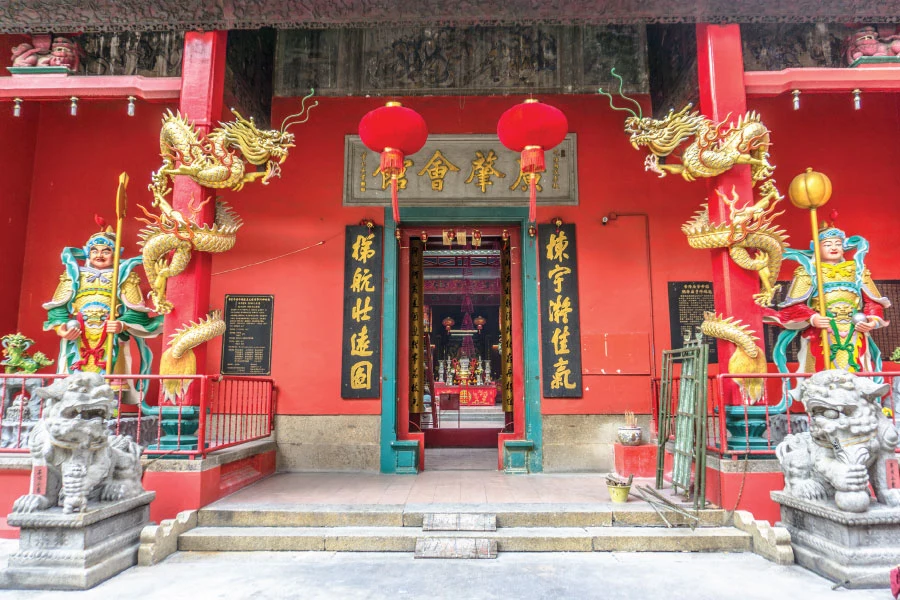
Tucked along the bustling streets of Chinatown, the Guan Di Temple is one of the most culturally significant Chinese temples in Kuala Lumpur. Dedicated to the legendary general Guan Yu, this temple is a place of worship, history, and living tradition.
If you’re exploring the city using our things to do in Kuala Lumpur or Chinatown guide, this temple is an essential stop—especially for those interested in culture, religion, and heritage.
Overview of Guan Di Temple Kuala Lumpur
- Location: Jalan Tun H.S. Lee (Chinatown)
- Established: Late 19th century (around 1888)
- Main Deity: Guan Yu (God of War, Loyalty & Righteousness)
- Best Known For: Spiritual significance, historic weapons relic, active worship
Located just steps from Petaling Street, the temple sits within one of the oldest parts of Kuala Lumpur, making it easy to include in a heritage walk.
Who Is Guan Yu?
Guan Yu was a general during the Three Kingdoms period in ancient China. Over time, he became deified and is now widely worshipped as:
- The God of War
- A symbol of loyalty, righteousness, and integrity
- A protector of businesses and wealth
Because of these attributes, many locals—especially business owners—visit the temple to pray for success and protection.
Why Visit Guan Di Temple?
1. One of Kuala Lumpur’s Oldest Chinese Temples
Dating back to the late 1800s, the temple is deeply tied to the early Chinese communities that settled in Kuala Lumpur.
It is often included in cultural explorations alongside nearby landmarks such as Sri Mahamariamman Temple, reflecting the city’s multicultural roots.
Highlights:
- Traditional Chinese temple architecture
- Ornate carvings and decorations
- Strong historical connection to Chinatown
- A living place of worship, not just a tourist site
2. A Rare Historical Relic: Guan Dao (Green Dragon Crescent Blade)
One of the temple’s most unique features is its association with a legendary weapon believed to be connected to Guan Yu—the Guan Dao.
Why it’s significant:
- Symbol of Guan Yu’s strength and authority
- Believed by devotees to hold spiritual power
- Rare cultural artifact rarely found in other temples
This makes the temple stand out among other sites featured in our Kuala Lumpur cultural heritage guide.
3. A Living Spiritual Experience
Unlike many historic attractions, Guan Di Temple remains actively used by worshippers every day.
Visitors can witness:
- Devotees lighting incense
- Offerings of fruits and prayers
- Rituals for protection, business success, and health
This makes it a meaningful stop for travellers looking beyond typical sightseeing experiences.
4. Perfect Stop in a Chinatown Walking Route
The temple is ideally located for a self-guided heritage walk through Chinatown.
Nearby attractions include:
- Petaling Street – famous market street
- Sri Mahamariamman Temple – KL’s oldest Hindu temple
- Central Market – arts, crafts, and souvenirs
How to Get to Guan Di Temple
By LRT
- Nearest station: Pasar Seni LRT Station
- 3–5 minute walk
By MRT
- Pasar Seni MRT Station (Kajang Line)
By Car / Grab
- Direct access to Jalan Tun H.S. Lee
- Parking available around Chinatown
If you’re planning your routes, refer to our Kuala Lumpur transport guide for a full breakdown.
Best Time to Visit
- Morning: Quieter, more peaceful
- Afternoon: Livelier with more visitors
- Festivals: Chinese New Year and special prayer days offer a more vibrant atmosphere
Tips for Visiting
- Dress modestly (respect religious practices)
- Avoid blocking worshippers when taking photos
- Keep noise levels low inside the temple
- Combine with nearby attractions for a fuller experience
FAQs About Guan Di Temple Kuala Lumpur
Is Guan Di Temple free to enter?
Yes, entry is free, though donations are appreciated.
How long should I spend here?
Most visitors spend around 20–30 minutes, especially when combined with a Chinatown walk.
Is photography allowed?
Yes, but be respectful and avoid disrupting worshippers.
What makes this temple special?
Its historical significance, active worship, and connection to Guan Yu make it one of the most meaningful cultural sites in Kuala Lumpur.
The Guan Di Temple is more than just a stop in Chinatown—it’s a window into Kuala Lumpur’s spiritual and cultural identity.
While modern attractions like the Petronas Twin Towers define the city skyline, places like this temple reveal its deeper roots—stories of migration, belief, and community.