Kajang is one of Selangor’s best-known towns and is synonymous with one thing—satay. For decades, Malaysians have travelled here simply to enjoy its legendary grilled skewers, earning Kajang the reputation as the country’s unofficial Satay Town. However, beyond its famous food, Kajang is a thriving township that combines rich heritage, excellent transport connections, educational institutions, growing residential neighbourhoods and easy access to many attractions across the Klang Valley.
Located just southeast of Kuala Lumpur, Kajang serves as a gateway to Bangi, Semenyih, Putrajaya and Negeri Sembilan. Thanks to the MRT Kajang Line, visitors can now travel here conveniently without driving, making it an excellent destination for a food adventure or a relaxing day trip from the capital. If you’re planning a wider itinerary, Kajang also pairs well with our guides to Bangsar, Subang Jaya, KLCC, and other destinations featured throughout kualalumpurcity.my.
Whether you’re visiting for its famous satay, considering moving here, or simply looking to explore another side of Greater Kuala Lumpur, this guide covers everything you need to know.
Where is Kajang Located?
Kajang is located in the Hulu Langat District of Selangor, around 20 kilometres southeast of Kuala Lumpur city centre. Although it lies outside the Federal Territory, Kajang forms an important part of Greater Kuala Lumpur and has become one of the region’s fastest-growing suburban centres.
Its strategic location places it close to several major townships, including Bangi, Cheras, Semenyih, Balakong, Putrajaya and Cyberjaya. This makes Kajang a convenient base for both commuters and travellers exploring different parts of the Klang Valley.
Thanks to highways such as the SILK Highway, LEKAS Highway and the Cheras–Kajang Expressway, as well as the MRT Kajang Line and KTM Komuter services, travelling between Kajang and Kuala Lumpur is quick and straightforward. Visitors relying on public transport can also refer to our Public Transport in Kuala Lumpur guide for a complete overview of travelling around the Klang Valley.
A Brief History of Kajang
Kajang began as a small settlement during the tin mining boom of the 19th century. Similar to many towns across Selangor, its early growth was closely tied to mining activities and agriculture, particularly rubber plantations.
As transportation improved, Kajang gradually developed into an important commercial town serving the surrounding villages and plantations. Over time, Chinese, Malay and Indian communities established businesses that shaped the multicultural character still visible today.
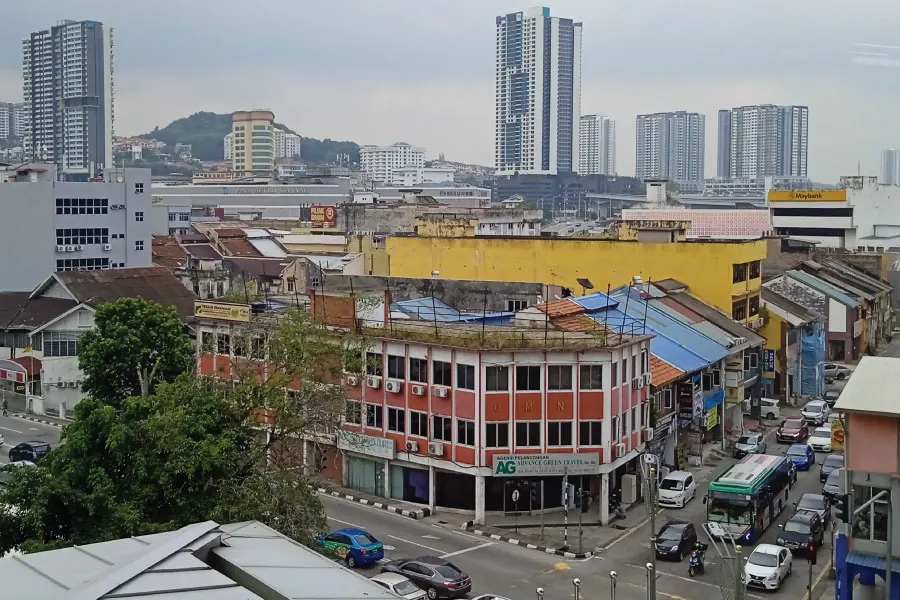
The arrival of modern highways, universities and eventually the MRT transformed Kajang into one of Selangor’s most desirable places to live while preserving much of its historic town centre.
What Makes Kajang Special?
Kajang has grown far beyond its reputation as Malaysia’s satay capital. Today, it offers visitors a blend of heritage, food, education and suburban convenience.
Malaysia’s Satay Capital
Kajang’s biggest claim to fame remains its legendary satay. Families have been serving charcoal-grilled skewers here for generations, attracting diners from all over Malaysia. While opinions differ on which restaurant serves the best version, enjoying satay in Kajang has become almost a local tradition.
Historic Town Centre
The older parts of Kajang still feature rows of pre-war shophouses, traditional kopitiams, Chinese temples and family-owned businesses that have operated for decades, giving visitors a glimpse into the town’s rich history.
Excellent Connectivity
Kajang is one of the best-connected towns in Selangor. With direct MRT and KTM services, residents and visitors can easily travel to destinations like Bukit Bintang, Pasar Seni, The Exchange TRX, and many other parts of Kuala Lumpur without needing a car.
Education Hub
Kajang is surrounded by several higher education institutions, including Universiti Kebangsaan Malaysia (UKM), making it a popular residential choice for students, academics and professionals.
A Balance Between Urban and Nature
Despite its rapid development, Kajang remains close to lakes, parks and recreational forests, offering a quieter alternative to central Kuala Lumpur.
Top Things to Do in Kajang
Explore Kajang Old Town
The historic centre remains one of the best places to experience Kajang’s heritage. Wander through traditional shophouses, visit long-established coffee shops, discover local businesses and soak in the slower pace of one of Selangor’s oldest commercial towns.
Go on a Satay Hunt
No visit to Kajang is complete without trying its iconic satay. Popular names include Satay Kajang Haji Samuri, Restoran Malaysia and several long-standing family-run stalls. While each has its own loyal following, part of the experience is discovering your own favourite.
You can also check out our best satay guide in Kuala Lumpur if you’re around the city.
Visit Sungai Chua
Sungai Chua is one of Kajang’s oldest neighbourhoods and is especially popular for Chinese eateries, temples and traditional businesses. It remains a favourite dining destination among locals.
Relax at Taman Tasik Cempaka
Located nearby in Bangi, Taman Tasik Cempaka offers jogging tracks, lakeside scenery, playgrounds and plenty of green space for families and outdoor enthusiasts.
Spend the Day at Bangi Wonderland
Families visiting Kajang can easily include Bangi Wonderland Theme Park in their itinerary. The water park features numerous slides, pools and attractions suitable for both adults and children.
Visit Local Night Markets
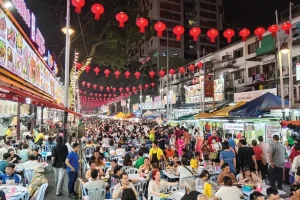
Kajang’s weekly night markets offer an authentic local experience where visitors can sample street food, buy fresh produce and discover affordable local products.
What to Eat in Kajang?
Kajang is one of Selangor’s best food destinations, offering much more than its famous satay.
Satay
Kajang’s signature dish remains the highlight for most visitors. Charcoal-grilled chicken, beef and lamb skewers are served alongside rich peanut sauce, cucumber, onions and ketupat.
Hakka Mee
Thanks to Kajang’s significant Hakka community, traditional Hakka noodles continue to be one of the town’s classic comfort foods.
Bak Kut Teh
Several long-established restaurants serve both herbal and dry-style bak kut teh, making Kajang another worthwhile destination for this beloved Malaysian dish.
Traditional Kopitiam Breakfast
Many older coffee shops continue serving kaya toast, soft-boiled eggs, local coffee, curry noodles and wantan mee, preserving breakfast traditions that have been enjoyed for generations.
Nasi Lemak
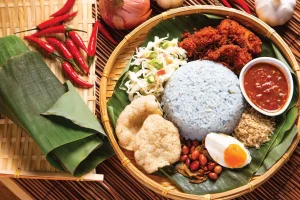
From roadside stalls to family-run eateries, Kajang offers excellent nasi lemak throughout the day.
Durian
During the fruit season, roadside stalls around Kajang become popular stops for Musang King, Black Thorn and other premium durian varieties.
Modern Cafés
A younger population has brought numerous specialty coffee shops, dessert cafés and brunch venues to Kajang, offering visitors a pleasant mix of old and new dining experiences.
Best Areas for Food Hunting
Kajang Town Centre
The heart of Kajang remains the best place for satay, kopitiams, traditional Chinese restaurants and local hawker favourites.
Sungai Chua
Known for Chinese cuisine, seafood restaurants, noodle shops and family-run eateries that have served locals for decades.
Prima Saujana
This growing neighbourhood offers a wide selection of cafés, mamak restaurants, dessert shops and casual dining options.
Bandar Kajang
A mix of modern cafés, international franchises and local restaurants makes Bandar Kajang popular among younger residents.
Bangi
Just minutes away, Bangi significantly expands your dining choices with Malay restaurants, cafés and contemporary eateries, making it easy to combine both destinations into one food trip.
Where to Stay in Kajang?
Kajang offers accommodation ranging from budget hotels to serviced apartments.
Budget Hotels
Suitable for business travellers and short stays.
Examples include:
- RHR Hotel Kajang
- Hamilton Hotel Kajang
- Oriental Crystal Hotel
Business Hotels
Comfortable hotels located near commercial areas provide convenient access to meetings and transport.
Serviced Apartments
Many visitors prefer serviced apartments around:
- Kajang
- Bandar Baru Bangi
- Balakong
- Cheras Selatan
These are ideal for families and longer stays.
Luxury Hotels Nearby
For luxury accommodation, nearby options include hotels in:
How to Get to Kajang
Kajang is one of the most accessible towns in the Klang Valley.
By MRT
Kajang is the southern terminus of the MRT Kajang Line, providing direct connections to:
- Bukit Bintang
- Tun Razak Exchange (TRX)
- Pasar Seni
- Bandar Utama
- Sungai Buloh
By KTM Komuter
Kajang KTM Station connects the town with:
- Kuala Lumpur
- Seremban
- Nilai
By Car
Major highways include:
- SILK Highway
- Cheras–Kajang Expressway
- LEKAS Highway
- Kajang Dispersal Link Expressway (SILK)
Driving from Kuala Lumpur usually takes around 30–40 minutes outside peak hours.
By Bus
Rapid KL and various local buses connect Kajang with surrounding townships.
By E-hailing
Grab is widely available throughout Kajang.
Living in Kajang
Kajang has become one of the Klang Valley’s most popular residential towns thanks to its affordability, connectivity and established amenities.
Residents enjoy:
- MRT connectivity
- Numerous schools
- Hospitals and medical centres
- Shopping malls
- Parks
- Universities nearby
- Affordable landed housing compared to central Kuala Lumpur
Neighbourhoods such as Prima Saujana, Bandar Kajang, Sungai Chua and nearby Bangi continue attracting young families and professionals.
Shopping in Kajang
While Kajang is not known for mega malls, it offers a good selection of shopping options for daily needs.
Popular choices include:
- Plaza Metro Kajang
- Metro Point Kajang
- Lotus’s Kajang
- Billion Shopping Centre
- Econsave Kajang
For larger shopping destinations, visitors can easily drive to IOI City Mall, one of Malaysia’s largest shopping centres, or explore many of the malls featured in our guide to the best shopping malls in Kuala Lumpur.
Education in Kajang
Kajang is surrounded by numerous educational institutions.
These include:
- Universiti Kebangsaan Malaysia (UKM)
- German-Malaysian Institute (GMI)
- Infrastructure University Kuala Lumpur (IUKL)
- New Era University College
- Various international schools
- Government primary and secondary schools
This educational ecosystem contributes to Kajang’s youthful population and steady residential growth.
Is Kajang Safe?
Kajang is generally considered a safe place to visit and live.
Commercial districts remain busy throughout the day, while residential neighbourhoods are well established.
As with anywhere else, visitors should:
- Keep valuables secure
- Stay alert at night
- Use licensed taxis or e-hailing services
- Be cautious in crowded markets
Overall, Kajang offers a comfortable environment for families, students and travellers.
Tips for First-Time Visitors
- Visit in the evening to experience Kajang’s famous satay scene at its liveliest.
- Combine Kajang with nearby destinations like Bangi, Putrajaya or Semenyih for a full-day trip.
- Take the MRT if travelling from Kuala Lumpur to avoid traffic and parking hassles.
- Explore beyond the main roads to discover traditional coffee shops and long-standing local eateries.
- Bring cash if you’re visiting older businesses or night markets, although many shops now accept cashless payments.
- If you’re driving, avoid weekday peak hours as traffic can be heavy around the town centre.
Frequently Asked Questions About Kajang
Why is Kajang famous?
Kajang is best known as Malaysia’s satay capital. Beyond its famous grilled skewers, the town is also recognised for its historic centre, diverse local food, excellent public transport and growing residential communities.
Is Kajang part of Kuala Lumpur?
No. Kajang is located in the state of Selangor, although it forms part of the Greater Kuala Lumpur (Greater KL) metropolitan area.
How far is Kajang from Kuala Lumpur?
Kajang is approximately 20 kilometres from Kuala Lumpur city centre. The journey usually takes around 30 to 40 minutes by car, depending on traffic, or about 35 to 45 minutes via the MRT Kajang Line.
Is Kajang worth visiting?
Yes. Kajang offers far more than satay, with heritage streets, traditional eateries, cafés, parks, nearby recreational attractions and easy access to surrounding destinations like Bangi, Putrajaya and Semenyih.
What is the best food to try in Kajang?
Satay is the town’s signature dish, but visitors should also try Hakka mee, bak kut teh, nasi lemak, traditional kopitiam breakfasts, local desserts and seasonal durian.
Can I visit Kajang using public transport?
Absolutely. Kajang is served by both the MRT Kajang Line and KTM Komuter, making it one of the easiest towns in Selangor to reach without a car.
Kajang has grown from a modest market town into one of the Klang Valley’s most vibrant and well-connected townships. While its world-famous satay remains the biggest draw, visitors who venture beyond the grills will discover heritage streets, thriving local businesses, diverse food, green recreational spaces and a welcoming community. Whether you’re stopping by for dinner, planning a weekend food adventure or considering a place to live, Kajang offers an appealing blend of tradition, convenience and modern suburban living.