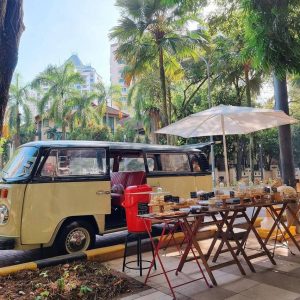
Tucked away amid the greenery of Sentul Park, the Kuala Lumpur Performing Arts Centre (KLPAC) is one of Malaysia’s most significant independent performing arts venues and one of Kuala Lumpur’s most distinctive cultural landmarks.
Housed within a former railway building that has been transformed into a contemporary arts centre, KLPAC brings together theatre, music, dance, comedy, experimental performances and arts education under one roof.
Since opening in 2005, it has become an important platform for Malaysian artists, emerging talents and international performers, contributing significantly to the city’s creative and cultural landscape.
Beyond the performances, its combination of industrial heritage, contemporary architecture and landscaped surroundings makes KLPAC an interesting destination in its own right.
Whether you’re looking to catch a theatre production, discover Kuala Lumpur’s independent arts scene or explore a lesser-known part of the city, here’s everything you need to know about KLPAC.
KLPAC at a Glance
| Visitor information | |
|---|---|
| Official name | Kuala Lumpur Performing Arts Centre |
| Common name | KLPAC (klpac) |
| Location | Sentul Park, Kuala Lumpur |
| Established | 9 May 2005 |
| Building opening hours | Daily, 10am–6pm |
| Admission | Performance tickets vary |
| Nearest MRT station | Sentul Barat |
| Nearest KTM station | Sentul |
| Parking | Free outdoor parking |
| Official website | klpac.org |
Performance schedules and theatre admission hours may differ from the building’s regular operating hours.
What Is KLPAC?
The Kuala Lumpur Performing Arts Centre, commonly known as KLPAC and officially styled as klpac, is a non-profit arts institution dedicated to developing and promoting the performing arts in Malaysia.
Located in Sentul, the centre provides professional facilities for artistic productions, rehearsals, education and community programmes.
Unlike conventional theatres that primarily function as performance venues, KLPAC brings together different stages of the creative process, from training and rehearsals to production and presentation.
It is also home to both established and emerging artists, creating opportunities for independent productions that might not otherwise find a suitable stage.
Alongside institutions such as Istana Budaya, Dewan Filharmonik PETRONAS and Galeri PETRONAS, KLPAC forms an important part of Kuala Lumpur’s wider arts and cultural ecosystem.
The History of KLPAC
The Beginnings of The Actors Studio
The story of KLPAC began long before the arts centre opened in Sentul.
In 1995, Malaysian theatre pioneers Faridah Merican and Joe Hasham established The Actors Studio’s underground theatre at Plaza Putra, beneath Merdeka Square.
The venue represented an important milestone for independent Malaysian theatre, providing a dedicated space for local productions and creative experimentation.
However, an unexpected disaster would eventually lead to the creation of an entirely new arts centre.
The Devastating Flood of 2003
In June 2003, severe flash floods in central Kuala Lumpur destroyed The Actors Studio’s underground theatre complex.
The loss left the organisation without its original home and created an urgent need for a new performance space.
During the search for a suitable location, landscape architect Ng Sek San introduced Faridah Merican and Joe Hasham to a former railway warehouse within Sentul West.
What initially appeared to be an abandoned industrial building would soon become one of Malaysia’s most important cultural destinations.
The Establishment of KLPAC
Through a collaboration between The Actors Studio, YTL Corporation and Yayasan Budi Penyayang, the former railway building was transformed into an integrated performing arts centre.
KLPAC officially opened on 9 May 2005, marking a new chapter for the Malaysian performing arts community.
The Architecture of KLPAC: From Railway Building to Arts Centre
One of the most fascinating aspects of KLPAC is the building itself.
Rather than demolishing the former railway structure and constructing an entirely new theatre, the development incorporated elements of Sentul’s industrial past into a contemporary architectural design.
Preserving Sentul’s Industrial Heritage
Sentul was historically one of Kuala Lumpur’s most important railway districts, with workshops, warehouses and railway-related infrastructure shaping the neighbourhood’s development.
KLPAC’s preserved brickwork and industrial character provide a reminder of this earlier chapter in the city’s history.
A Combination of Old and New
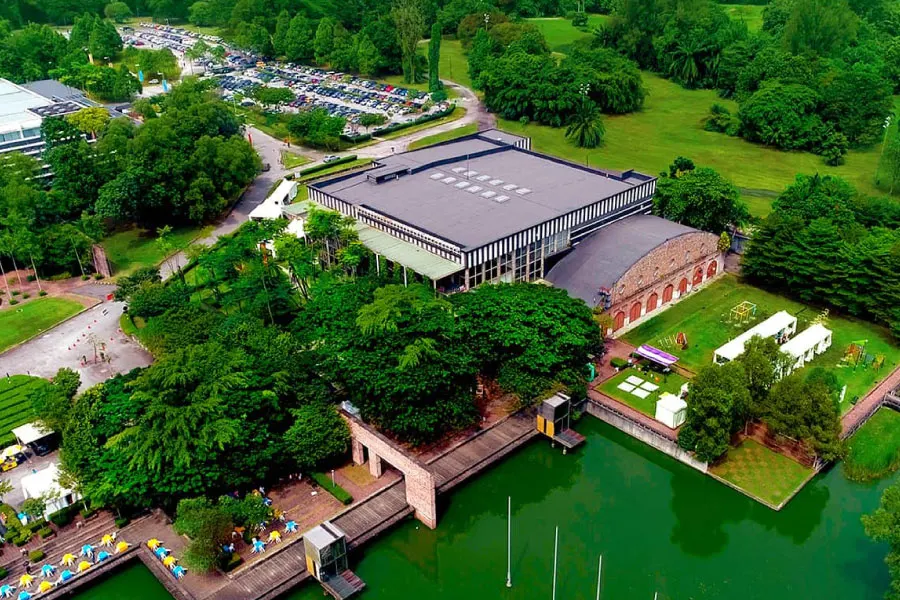
The architecture juxtaposes exposed brickwork, steel structures and industrial elements with modern glass façades and contemporary interior spaces.
Instead of concealing the building’s origins, the design celebrates its history while adapting it to an entirely different purpose.
The result is an arts venue with a distinctive architectural identity that sets it apart from conventional theatre buildings.
An Example of Adaptive Reuse in Kuala Lumpur
KLPAC is an excellent example of adaptive reuse — the practice of transforming an existing building for a new purpose while retaining aspects of its original character.
Other examples of heritage buildings finding new roles in Kuala Lumpur include Rumah Tangsi, Central Market and the neighbouring Sentul Depot.
Together, these places demonstrate how Kuala Lumpur’s older buildings can remain relevant without losing their historical identity.
Inside KLPAC: Theatres and Performance Spaces
Pentas 1
KLPAC’s largest auditorium accommodates musicals, concerts, dance productions and major theatrical performances. Its fixed seating arrangement and large stage make it suitable for more elaborate productions.
Pentas 2
A flexible black box theatre with adaptable seating, Pentas 2 is particularly suited to intimate performances, experimental theatre, contemporary dance and independent productions.
indicine
A smaller multipurpose space suitable for independent film screenings, talks, intimate performances, workshops and creative projects.
Rehearsal Studios and Academy
KLPAC also provides rehearsal and training facilities that support dancers, musicians, theatre practitioners and other performing artists.
Its educational programmes encourage younger generations to explore the performing arts and develop their creative abilities.
Outdoor Performance Spaces
The landscaped lawn beside the arts centre provides an additional setting for festivals, outdoor performances, workshops and special events.
This flexibility allows KLPAC to host experiences extending beyond traditional indoor theatre productions.
What to See and Do at KLPAC
Watch a Theatre Performance
Theatre remains at the heart of KLPAC’s identity.
Throughout the year, audiences can discover a variety of dramatic productions, musicals, comedies, original Malaysian works and international collaborations.
Productions may be presented in English, Malay, Mandarin or other languages, reflecting Malaysia’s multicultural performing arts landscape.
Enjoy Live Music and Concerts
KLPAC regularly serves as a venue for musical performances ranging from orchestral and chamber music to jazz, contemporary compositions and independent music showcases.
Its relatively intimate performance spaces can create a closer connection between audiences and musicians than larger concert venues.
Experience Contemporary Dance
Dance performances at KLPAC may explore traditional influences, contemporary choreography, cultural identity and experimental artistic expression.
For visitors interested in discovering Malaysia’s creative diversity, these productions offer an experience beyond conventional sightseeing.
Catch a Comedy Show
Comedy performances, including stand-up and theatrical comedy, form another part of the centre’s varied programming.
They offer a more casual introduction to KLPAC for visitors who may not regularly attend theatre productions.
Discover Independent and Experimental Performances
One of KLPAC’s most distinctive qualities is its role in supporting artistic experimentation.
Visitors may encounter unconventional storytelling, interdisciplinary performances and productions exploring contemporary social and cultural themes.
These experiences help reveal a different side of Kuala Lumpur — one shaped by its artists, creative communities and independent cultural institutions.
Participate in Arts Workshops
Beyond attending performances, visitors can look out for workshops, acting classes, educational programmes and other creative activities organised through the centre.
Availability varies according to the programme calendar, with selected activities catering to children, teenagers and adults.
Explore the Architecture and Surroundings
Even without attending a show, KLPAC’s juxtaposition of historic brick architecture and contemporary design makes it an interesting stop for architecture enthusiasts.
The greenery surrounding the building provides a peaceful contrast to Kuala Lumpur’s busier commercial districts.
Public access is limited to permitted areas, while theatre interiors may only be accessible during performances or arranged visits.
What’s On at KLPAC?
KLPAC maintains a changing programme of performances and cultural activities throughout the year.
Depending on when you visit, the programme may include:
- Theatre productions and musicals
- Classical and contemporary music concerts
- Traditional and contemporary dance
- Stand-up comedy
- Independent film screenings
- Arts festivals
- Creative workshops
- Student and emerging artist showcases
Visitors can check the latest programme through the official KLPAC What’s On calendar.
If you’re planning a trip to Kuala Lumpur, our guide to events in Kuala Lumpur this month also highlights upcoming performances, festivals and other activities around the city.
For a broader overview of the city’s creative scene, explore our guide to cultural events and exhibitions in Kuala Lumpur.
KLPAC Tickets and Admission Prices
KLPAC does not have a universal admission ticket covering all performances.
Instead, ticket prices are determined individually by each production, event or programme.
Smaller independent performances may be relatively affordable, while major musicals, concerts and special productions may have multiple ticket categories.
How to Buy KLPAC Tickets
Tickets for performances can be purchased through CloudJoi, KLPAC’s official ticketing partner.
Before purchasing, check the performance venue, language, duration, age requirements and seating arrangements.
Booking in advance is recommended for popular productions, particularly those with limited performance dates.
KLPAC Opening Hours
| Facility | Opening hours |
|---|---|
| Main building | Daily, 10am–6pm |
| Box office (non-show days) | 10am–6pm |
| Box office (evening show days) | 10am–8pm |
| Administration office | Monday–Friday, 10am–6pm |
Evening performances may continue beyond the building’s standard operating hours.
Can You Visit KLPAC Without Watching a Show?
Yes. You do not necessarily need to attend a performance to appreciate the architecture and designated outdoor surroundings of KLPAC.
Visitors can explore permitted common areas, enjoy the greenery around the building or visit the dining establishments nearby.
However, KLPAC is a working performing arts centre rather than a museum. Access to theatres, rehearsal studios and backstage facilities is restricted.
Visitors interested in organised tours, venue inspections or professional photography should contact the management in advance.
KLPAC and Sentul Park
Part of KLPAC’s appeal comes from its location within the lush 35-acre Sentul Park.
Surrounded by mature trees, landscaped grounds and a lake, the arts centre offers an atmosphere quite different from most cultural venues in central Kuala Lumpur.
The lawn beside KLPAC is a pleasant place to enjoy the greenery before a performance.
However, Sentul Park is privately managed rather than an unrestricted public park. Visitors should respect access boundaries and obtain permission for organised gatherings or professional shoots where required.
Why KLPAC Is Important to Kuala Lumpur’s Arts Scene
Supporting Independent Malaysian Artists
KLPAC provides an important platform for independent theatre practitioners, musicians, dancers, playwrights and emerging artists.
By accommodating productions of different sizes and styles, it helps create opportunities beyond large commercial performances.
Nurturing Future Creative Talents
Through educational programmes, workshops and performance opportunities, KLPAC contributes to the development of Malaysia’s next generation of performing artists.
Its role extends beyond entertainment to the cultivation of creative skills and artistic appreciation.
Preserving Kuala Lumpur’s Industrial Heritage
The transformation of a former railway building into an arts centre demonstrates how historic industrial spaces can acquire new cultural significance.
KLPAC remains connected to Sentul’s railway heritage while contributing to the neighbourhood’s evolving identity.
Making Arts and Culture Part of City Life
Kuala Lumpur is often associated with skyscrapers, shopping malls and food.
Institutions like KLPAC reveal another dimension of the capital — a city with active creative communities, independent cultural organisations and artistic spaces where contemporary Malaysian stories are told.
KLPAC vs Istana Budaya: What’s the Difference?
Although both are important performing arts venues in Kuala Lumpur, they offer different experiences.
| KLPAC | Istana Budaya | |
|---|---|---|
| Location | Sentul | Titiwangsa |
| Established | 2005 | 1999 |
| Architectural style | Adaptive industrial heritage | Malaysian cultural-inspired architecture |
| Institutional character | Non-profit arts centre | National theatre |
| Main appeal | Independent and diverse productions | Major theatrical and musical productions |
| Performance atmosphere | Often intimate and experimental | Generally more formal and large-scale |
| Surroundings | Sentul Park | Titiwangsa cultural precinct |
KLPAC is particularly appealing to those interested in independent theatre, contemporary performances and emerging Malaysian talents.
Istana Budaya, meanwhile, is known for its monumental architecture and large-scale theatrical productions.
Both institutions offer complementary experiences and are worth exploring for a deeper appreciation of Malaysia’s performing arts scene.
Best Time to Visit KLPAC
During a Scheduled Performance
The most rewarding time to visit KLPAC is when a production that interests you is taking place.
Evening performances are particularly suitable for visitors looking for cultural alternatives to Kuala Lumpur’s usual nightlife attractions.
Late Afternoon
Arriving before an evening performance allows you to appreciate the building’s architecture, enjoy the surrounding greenery and have a meal before the show.
During Arts Festivals
Festivals and special cultural programmes can provide opportunities to experience multiple performances, activities and creative disciplines within a single visit.
Check the programme calendar when planning your trip.
Nearby Attractions to Combine with Your Visit
Sentul Depot
The historic railway complex showcases Sentul’s industrial heritage through its distinctive brick warehouses and workshop buildings. Selected spaces have been adapted for lifestyle establishments, exhibitions, markets and contemporary events.
Sentul Park
The privately managed landscaped grounds surrounding KLPAC offer mature greenery, lakeside scenery and a quieter atmosphere. Visitors can appreciate the designated accessible areas before or after attending a performance.
Jalan Ipoh
One of Kuala Lumpur’s established thoroughfares, Jalan Ipoh, now officially Jalan Sultan Azlan Shah, is particularly interesting for its neighbourhood eateries, traditional coffee shops and glimpses of everyday local life.
Titiwangsa Lake Gardens
One of Kuala Lumpur’s most popular recreational parks, Titiwangsa Lake Gardens offers waterfront walking paths, landscaped greenery, family activities and beautiful panoramic views of the city’s evolving skyline.
National Art Gallery
Malaysia’s National Art Gallery presents exhibitions exploring Malaysian and international visual art. Combining it with KLPAC allows visitors to experience both visual and performing arts within a single cultural itinerary.
Istana Budaya
Recognisable by its distinctive roof inspired by traditional Malay cultural elements, Malaysia’s national theatre is another architectural and performing arts landmark, offering a different perspective on the country’s cultural identity.
Chow Kit
Explore Chow Kit’s traditional markets, independent cafés, heritage streets and diverse food culture. This multicultural neighbourhood offers an interesting contrast to the landscaped surroundings and contemporary creative atmosphere of KLPAC.
Food and Dining Around KLPAC
Visitors attending an evening performance can consider arriving earlier for a meal around Sentul Park.
Dining establishments within the area include CrafRoaster at KLPAC, Bistro Richard, NuelBom Garden and Grumpy Bagels at Sentul Depot.
Alternatively, the surrounding Jalan Ipoh and Sentul neighbourhoods offer local coffee shops, restaurants and traditional Malaysian food.
Allow sufficient time for your meal, particularly before a scheduled performance, as late admission to the theatre may be restricted.
How to Get to KLPAC
KLPAC is located within Sentul Park, north of Kuala Lumpur’s main commercial districts.
Address:
Kuala Lumpur Performing Arts Centre
Sentul Park, Jalan Strachan
Off Jalan Sultan Azlan Shah
51100 Kuala Lumpur, Malaysia
By MRT
Take the MRT Putrajaya Line to Sentul Barat MRT Station. Use Entrance C and continue on foot for approximately 15 minutes.
By KTM Komuter
Alight at Sentul KTM Station, which is approximately a 10-minute walk from KLPAC.
By LRT
Visitors travelling on the LRT Sri Petaling Line can alight at Sentul or Sentul Timur and continue by taxi or ride-hailing service.
For a complete overview of the city’s rail network, refer to our guide to getting around Kuala Lumpur.
By Car
Driving is a convenient option, particularly for those attending evening performances. Free outdoor parking is available within the area.
During popular performances and major events, arrive earlier to allow time for parking.
By Grab or Taxi
Ride-hailing services provide a convenient alternative for visitors unfamiliar with Sentul. Search for Kuala Lumpur Performing Arts Centre or klpac as your destination.
Tips for Visiting KLPAC
- Book performance tickets early: Popular productions may sell out, particularly during limited runs.
- Arrive at least 30 minutes before the show: Allow time for parking, finding your theatre and settling into your seat.
- Bring a light jacket: The air-conditioned theatres can feel chilly during longer performances.
- Check age restrictions: Some productions may not be suitable for younger children.
- Respect theatre etiquette: Switch off mobile phones and avoid photography or recording unless permitted.
- Check accessibility arrangements: Accessible seating, lifts and designated parking are available, with advance arrangements recommended for specific needs.
- Explore the surroundings: Allow additional time to appreciate the architecture and industrial heritage of Sentul.
Is KLPAC Worth Visiting?
KLPAC is particularly worth visiting for anyone interested in performing arts, architecture, heritage or Kuala Lumpur’s independent creative scene.
Unlike the city’s major tourist attractions, its appeal is not centred around a single permanent exhibition or iconic viewpoint.
Instead, the experience changes depending on the performances, festivals and artistic programmes taking place.
Its architecture adds another dimension, demonstrating how a former industrial building can be transformed into a meaningful contemporary cultural space.
For visitors who have already explored the Petronas Twin Towers, Bukit Bintang and Kuala Lumpur’s major landmarks, KLPAC offers an opportunity to experience a more creative and locally rooted side of the city.
Frequently Asked Questions About KLPAC
What does KLPAC stand for?
KLPAC stands for Kuala Lumpur Performing Arts Centre, a non-profit institution dedicated to performing arts, creative education and cultural development in Malaysia.
Where is KLPAC located?
KLPAC is located within Sentul Park, off Jalan Sultan Azlan Shah in Sentul, Kuala Lumpur.
When did KLPAC open?
KLPAC officially opened on 9 May 2005.
What was the KLPAC building originally used for?
The building was formerly a railway warehouse associated with Sentul’s railway infrastructure before being transformed into a contemporary performing arts centre.
Is KLPAC free to enter?
Visitors generally do not require a ticket to access permitted common areas and the lawn beside the building. However, performances, workshops and selected events require separate tickets or registration.
How much are KLPAC tickets?
Ticket prices vary according to the production, performance venue, seating category and event organiser. Check the latest listings through KLPAC or CloudJoi.
Is parking free at KLPAC?
Yes. Free outdoor parking is available for visitors.
What is the nearest MRT station to KLPAC?
Sentul Barat MRT Station on the Putrajaya Line is approximately a 15-minute walk from KLPAC.
What is the difference between Pentas 1 and Pentas 2?
Pentas 1 is KLPAC’s larger theatre with 504 fixed seats, while Pentas 2 is a flexible black box theatre accommodating up to 210 people, depending on its configuration.
Is there a dress code at KLPAC?
There is no formal dress code. Smart casual clothing is generally suitable, and bringing a light jacket is recommended.
Can children attend performances at KLPAC?
Yes, although age requirements vary according to the production. Check the individual event’s admission policy before purchasing tickets.
Can you take photographs at KLPAC?
Photography during performances is generally prohibited without permission. Professional shoots and organised photography sessions around the premises should be arranged with management.
How long should you spend at KLPAC?
Allow around two to three hours if attending a performance. Additional time is recommended if you plan to dine nearby or explore the surrounding area.
The Kuala Lumpur Performing Arts Centre represents more than a venue for theatre, music and dance.
It brings together several important aspects of Kuala Lumpur’s identity — its industrial heritage, contemporary architecture, multicultural communities and evolving creative landscape.
What was once a railway building has found a new purpose as a home for artistic expression, demonstrating how the city’s heritage can continue contributing to its future.
Whether you’re attending a performance, discovering Malaysian artistic talents or exploring the quieter surroundings of Sentul, KLPAC offers a distinctive experience beyond Kuala Lumpur’s conventional tourist trail.