Few places in Malaysia carry as much historical significance as Stadium Merdeka. Located in the heart of Kuala Lumpur, this iconic stadium is best known as the site where Malaysia’s first Prime Minister, Tunku Abdul Rahman, proclaimed the country’s independence on 31 August 1957.
While many visitors to Kuala Lumpur focus on landmarks such as the Petronas Twin Towers, KL Tower, or Merdeka 118, Stadium Merdeka remains one of the most important places to understand the story of modern Malaysia. If you are planning a heritage-focused itinerary, it pairs perfectly with other historic attractions featured in our guide to the best historical landmarks in Kuala Lumpur.
Today, the stadium stands as both a national monument and a symbol of the country’s journey from colonial rule to independence. Whether you’re a history enthusiast, a student, or a first-time visitor to Kuala Lumpur, Stadium Merdeka is a landmark worth exploring.
What Is Stadium Merdeka?
Construction for Independence
Construction began in 1956 as preparations were underway for Malaya’s independence.
At the time, Kuala Lumpur was rapidly developing from a colonial administrative centre into the capital of a new nation. Visitors interested in this transformative period of the city’s history may also enjoy exploring Merdeka Square, where many other important milestones in Malaysia’s nation-building journey took place.
The stadium was completed remarkably quickly to ensure it would be ready for the independence celebrations.
Post-Independence Era
Following independence, Stadium Merdeka became one of Malaysia’s most important venues.
Over the decades, it hosted:
- Football matches
- National Day celebrations
- Cultural performances
- Political gatherings
- International sporting competitions
- Major concerts
For many years before the construction of larger modern venues, Stadium Merdeka served as the country’s premier national stadium and became one of the defining landmarks of Kuala Lumpur’s growing skyline.
Stadium Merdeka and Merdeka 118
One of the most striking sights today is the contrast between historic Stadium Merdeka and the towering Merdeka 118 skyscraper that rises beside it.
The pairing creates a powerful visual representation of Malaysia’s journey:
- Stadium Merdeka symbolises the nation’s birth.
- Merdeka 118 symbolises its modern ambitions and future.
Together, they form one of Kuala Lumpur’s most meaningful heritage and development landmarks. Visitors often include both attractions in the same trip, especially when exploring the rapidly evolving Merdeka 118 precinct and surrounding city centre.
Historical Significance: The Birth of a Nation
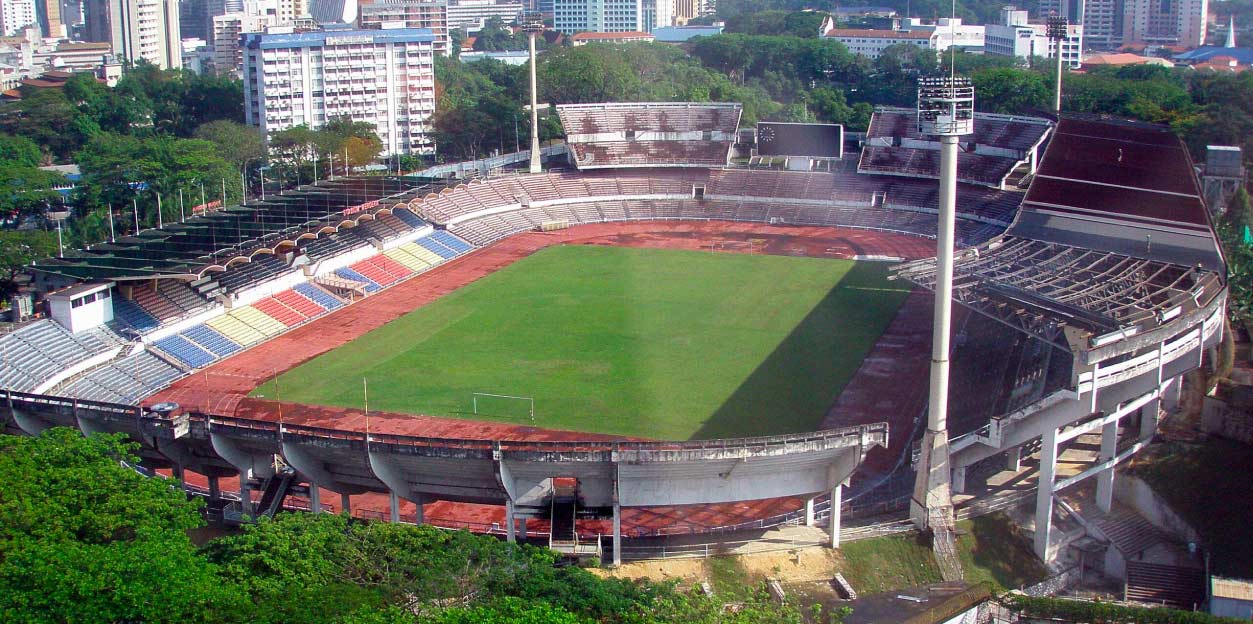
More than just a sports venue, Stadium Merdeka occupies a special place in Malaysian history as the birthplace of an independent nation.
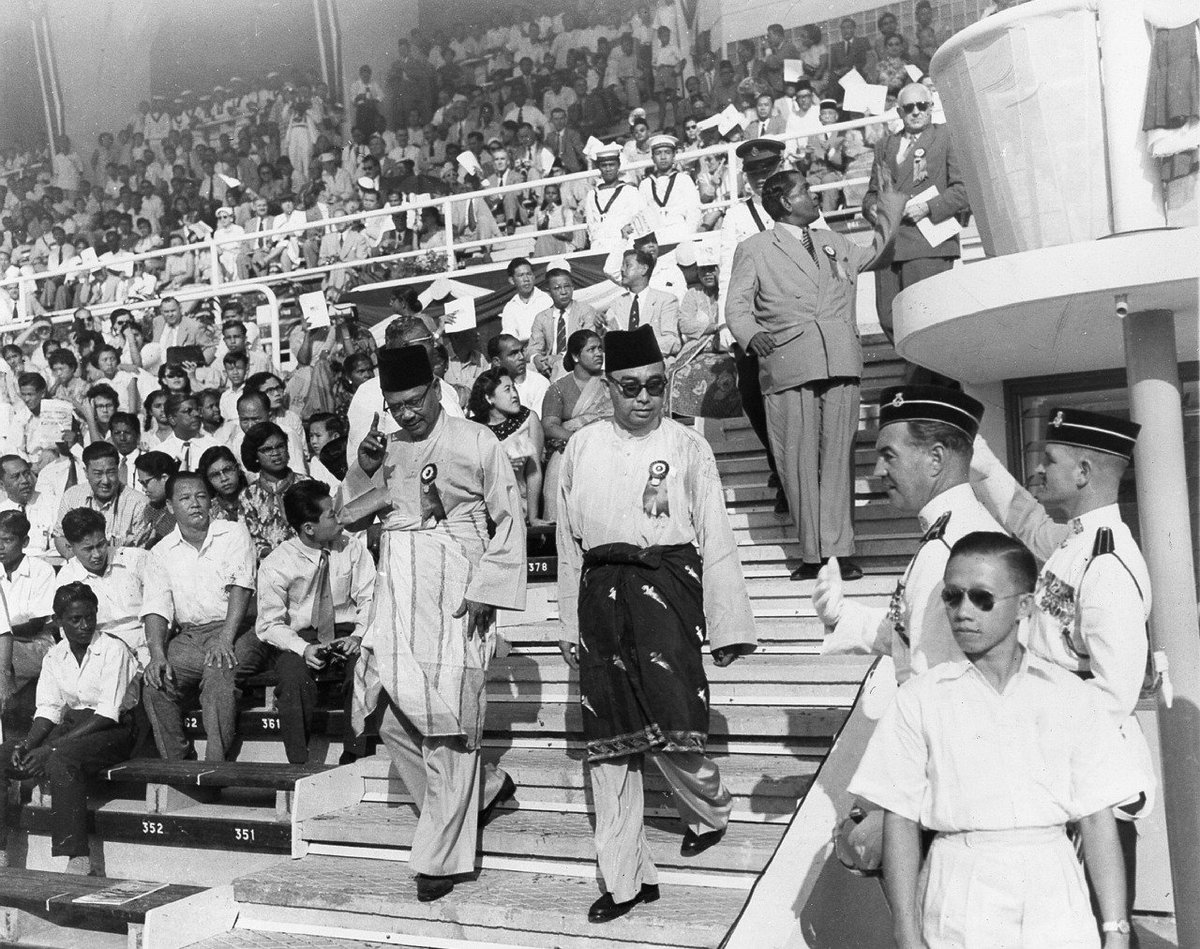
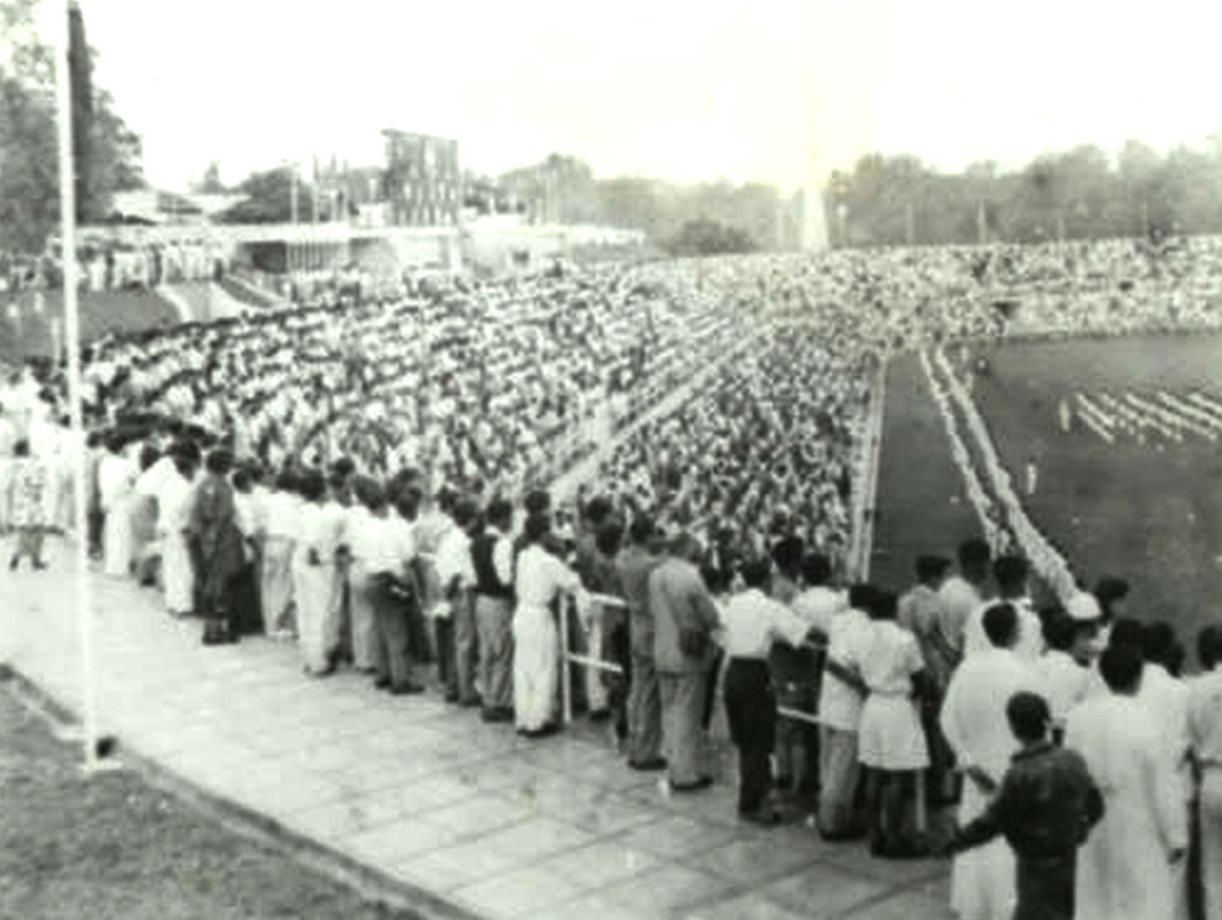
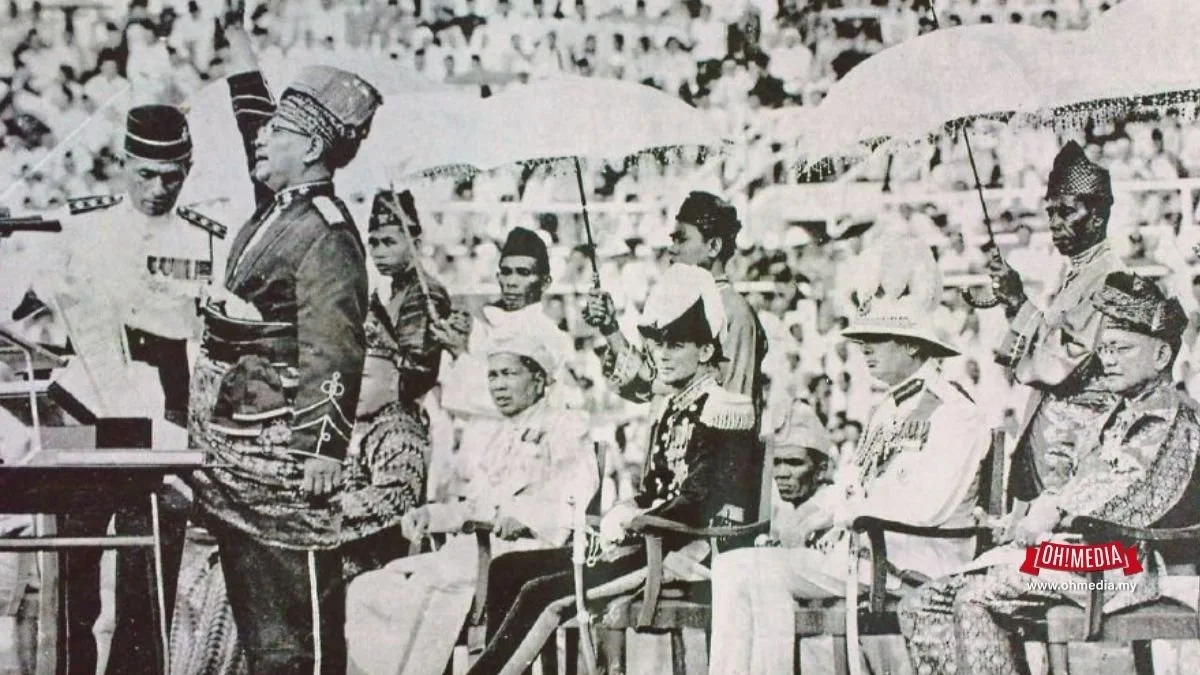
In the early morning of 31 August 1957, thousands of people gathered at the newly completed stadium to witness a moment that would change the course of the country’s future. As the British colonial era came to an end, the Union Jack was lowered and the flag of the Federation of Malaya was raised for the first time before a crowd filled with excitement, hope, and anticipation.
It was here that Tunku Abdul Rahman Putra Al-Haj, the country’s first Prime Minister, delivered the historic declaration of independence. Standing before the crowd, he famously shouted “Merdeka!” seven times, with the audience responding in unison. The moment was broadcast across the nation and remains one of the most iconic scenes in Malaysian history.
The significance of Stadium Merdeka extends beyond the independence ceremony itself. The stadium became a symbol of national unity, representing a new chapter for a diverse and multicultural society coming together to build a shared future. For many Malaysians, the stadium represents the ideals of freedom, self-determination, and nationhood.
Visitors interested in learning more about Malaysia’s road to independence should also explore nearby Merdeka Square, where the Malayan flag was officially raised following independence, as well as the surrounding heritage district that tells the story of Kuala Lumpur’s transformation from a tin-mining settlement into a modern capital city.
Today, standing within the grounds of Stadium Merdeka offers a rare opportunity to connect with a defining moment in the country’s history. While Kuala Lumpur continues to evolve with landmarks such as Merdeka 118, the historic stadium remains a powerful reminder of where the nation’s journey began.
What to See at Stadium Merdeka
Although Stadium Merdeka is no longer the country’s primary sporting venue, it remains one of Kuala Lumpur’s most important historical landmarks. Visitors can still appreciate several features that connect directly to Malaysia’s independence story.
The Historic Grandstand
The grandstand is the most iconic part of Stadium Merdeka and the focal point of the independence celebrations on 31 August 1957. This was where dignitaries, government leaders, and invited guests gathered to witness the birth of an independent nation.
The structure retains much of its original character and offers visitors a glimpse into what the stadium looked like during its most historic moment. Standing before the grandstand, it is easy to imagine the atmosphere as thousands gathered to witness the declaration of independence.
The Independence Field
The field at Stadium Merdeka is where the historic independence ceremony unfolded before a crowd of more than 20,000 people. It was here that the Federation of Malaya flag was raised and where Tunku Abdul Rahman delivered his famous “Merdeka” proclamation.
While it may appear as a simple sports field today, it represents one of the most significant locations in Malaysian history. Few places in the country are as closely connected to the nation’s founding moment.
Views of Merdeka 118
One of the most striking aspects of visiting Stadium Merdeka today is the view of Merdeka 118 towering directly beside it.
The contrast between the historic stadium and one of the world’s tallest buildings creates a powerful visual representation of Malaysia’s journey from independence to modern nationhood. Many visitors come specifically to photograph the two landmarks together, making this one of the most unique heritage-meets-modernity scenes in Kuala Lumpur.
If you are exploring the area, consider combining your visit with nearby attractions such as Merdeka 118, Petaling Street, and Central Market for a deeper look at Kuala Lumpur’s past and present.
Photography Opportunities
Stadium Merdeka is also a rewarding destination for photographers. Popular subjects include:
- The historic grandstand
- Merdeka 118 rising behind the stadium
- Architectural details and preserved structures
- Heritage perspectives of old and new Kuala Lumpur
- Sunrise and sunset cityscape views
The combination of national history, heritage architecture, and a dramatic modern skyline makes Stadium Merdeka one of the most photogenic landmarks in Kuala Lumpur.
Learn more about the skyline in our Skyscrapers in Kuala Lumpur guide.
Why Visit Stadium Merdeka?
While Kuala Lumpur is often associated with modern attractions such as the Petronas Twin Towers and Merdeka 118, Stadium Merdeka offers a different perspective of the city—one rooted in history, identity, and nationhood.
One of Malaysia’s Most Important Landmarks
Few places in Malaysia can match the historical significance of Stadium Merdeka. This is where the country’s independence was officially proclaimed on 31 August 1957, making it one of the most important landmarks in the nation’s history.
For Malaysians, it is a symbol of freedom and national pride. For international visitors, it provides valuable insight into the events that shaped modern Malaysia.
A Deeper Historical Experience
Many of Kuala Lumpur’s most famous attractions showcase the city’s modern achievements, but Stadium Merdeka tells the story of how the nation began.
Visiting the stadium allows travellers to connect with a defining moment in Malaysian history rather than simply viewing monuments or exhibits from a distance. Standing in the same venue where thousands witnessed the declaration of independence offers a more meaningful and immersive historical experience.
Those interested in learning more about the country’s past can also combine their visit with nearby landmarks such as Merdeka Square, where the Malaysian flag was first raised following independence, and Rumah Tangsi, one of the city’s finest preserved heritage mansions.
Part of Kuala Lumpur’s Heritage Core
Stadium Merdeka sits within one of Kuala Lumpur’s most historically significant districts. Within a short distance, visitors can explore attractions such as Petaling Street, Central Market, the River of Life, and several important religious and cultural landmarks.
Together, these attractions form the city’s heritage core, offering a fascinating journey through Kuala Lumpur’s evolution from a tin-mining settlement into a thriving modern capital. For visitors seeking more than shopping malls and skyscrapers, Stadium Merdeka serves as an excellent starting point for discovering the city’s rich history and cultural heritage.
Can You Enter Stadium Merdeka?
Yes — you can enter Stadium Merdeka, and it is actually one of the more unique experiences in Kuala Lumpur.
Unlike many historic landmarks that can only be viewed from the outside, Stadium Merdeka remains an active and accessible public space. While the stadium is protected as a national heritage site, visitors are generally allowed to enter and experience the venue firsthand.
The stadium is open for light recreational activities, including:
- Jogging on the running track
- Walking within the stadium grounds
- Casual visits to experience the historic venue
- Photography and sightseeing
This gives visitors a rare opportunity to stand within the same stadium where Malaysia’s independence was proclaimed in 1957. Whether you are exercising, taking photos, or simply exploring, the experience feels very different from visiting a conventional museum or monument.
For locals, it serves as a community space in the heart of the city. For travellers, it offers a chance to connect with an important piece of Malaysian history while enjoying one of Kuala Lumpur’s most distinctive heritage landmarks.
Because opening arrangements and access may occasionally change due to events, maintenance works, or special programmes, it is advisable to check the latest updates before visiting. For current information, visitors can refer to Stadium Merdeka’s official Instagram and Facebook pages.
How to Get to Stadium Merdeka
By Car or Ride-Hailing
Grab and taxis provide easy access, although traffic can be heavy during peak hours.
By Public Transport
Visitors can easily reach the area using Kuala Lumpur’s rail network. If you’re unfamiliar with navigating the city, our LRT, MRT and Monorail guide explains the easiest routes and ticketing options.
Many travellers combine Stadium Merdeka with nearby attractions and follow a self-guided heritage route through the city centre.
By Foot:
You can easily walk here from:
- Petaling Street
- Central Market Kuala Lumpur
For more about getting around Kuala Lumpur, refer to our Kuala Lumpur Transport Guide.
Tips for Visiting
- Combine with nearby attractions to maximise your visit
- Bring water and sun protection
- Read about the history beforehand for deeper appreciation
- Respect the site as a national heritage landmark
Nearby Attractions to Combine
One of the advantages of visiting Stadium Merdeka is its location within Kuala Lumpur’s historic city centre. Several of the city’s most important cultural and heritage attractions are located within walking distance or a short ride away.
Merdeka 118
Rising directly beside Stadium Merdeka, Merdeka 118 is one of the tallest buildings in the world and a symbol of modern Malaysia. The contrast between the historic stadium and this soaring skyscraper offers one of Kuala Lumpur’s most striking visual experiences.
Petaling Street
The heart of Kuala Lumpur’s Chinatown, Petaling Street is famous for its bustling atmosphere, street food, traditional shophouses, temples, and local businesses. It remains one of the best places to experience the city’s multicultural heritage and everyday local life.
Central Market
Originally established as a wet market in 1888, Central Market has been transformed into one of Kuala Lumpur’s leading cultural attractions. Visitors can browse local handicrafts, souvenirs, artwork, batik products, and traditional Malaysian crafts under one roof.
Merdeka Square
One of the most historically significant locations in Malaysia, Merdeka Square was where the Malaysian flag was officially raised following independence. Surrounded by colonial-era buildings, it offers a deeper understanding of the country’s journey towards nationhood.
River of Life
Located near the confluence of the Klang and Gombak rivers where Kuala Lumpur was founded, the River of Life is a beautifully revitalised waterfront precinct. The riverside promenade is especially pleasant in the evening when the area is illuminated.
Guan Di Temple
One of Kuala Lumpur’s oldest Chinese temples, Guan Di Temple dates back to the late nineteenth century. Dedicated to the Chinese deity of loyalty and righteousness, it remains an important place of worship and cultural heritage.
Sri Maha Mariamman Temple
The oldest Hindu temple in Kuala Lumpur, Sri Maha Mariamman Temple is renowned for its colourful South Indian architecture and intricately decorated entrance tower. It continues to serve as an important religious and cultural landmark for the local Hindu community.
Rumah Tangsi
One of Kuala Lumpur’s finest preserved heritage mansions, Rumah Tangsi offers visitors a glimpse into the city’s colonial-era architecture and history. Today, it serves as a vibrant cultural venue hosting exhibitions, workshops, performances, and community events.
This cluster is part of the broader Kuala Lumpur Cultural & Heritage Guide.
Stadium Merdeka vs Merdeka Square: What’s the Difference?
Because both landmarks are closely associated with Malaysia’s independence, many visitors often confuse Stadium Merdeka and Merdeka Square. While they are located relatively close to each other and share historical significance, they played different roles in the nation’s journey to independence.
Stadium Merdeka
Stadium Merdeka was purpose-built for the independence celebrations of 31 August 1957. It was here that Tunku Abdul Rahman officially declared the independence of the Federation of Malaya and famously shouted “Merdeka!” seven times before a crowd of more than 20,000 people.
Today, visitors can enter the stadium grounds, walk around the historic venue, jog on the running track, and stand in the very place where one of the most important moments in Malaysian history unfolded.
Merdeka Square
Located a short distance away, Merdeka Square (Dataran Merdeka) is the site where the Malaysian flag was officially raised following independence. The square is also surrounded by some of Kuala Lumpur’s most famous colonial-era buildings, including the Sultan Abdul Samad Building and the former government administrative offices.
Today, it serves as a major civic space, hosting national celebrations, public events, and gatherings throughout the year.
Which Should You Visit?
Ideally, visit both for a complete historical perspective.
Stadium Merdeka offers a more immersive and personal connection to the independence ceremony itself, while Merdeka Square provides broader historical context and some of Kuala Lumpur’s most impressive colonial architecture.
Together, they tell the story of Malaysia’s transition from colonial rule to independence and form two of the most important stops on any heritage-focused Kuala Lumpur itinerary.
Is Stadium Merdeka Worth Visiting?
Unlike many modern attractions, Stadium Merdeka offers something deeper than impressive architecture or entertainment.
It provides visitors with a direct connection to one of the most important moments in Malaysian history.
Standing inside the stadium where independence was proclaimed allows visitors to better understand how modern Malaysia was born. Combined with nearby attractions such as Merdeka Square, Central Market, and Petaling Street, it forms an essential part of any heritage-focused Kuala Lumpur itinerary.
For travellers looking to discover more than just skyscrapers and shopping malls, Stadium Merdeka offers a meaningful glimpse into the nation’s past and complements many of the experiences featured in our first-time guide to Kuala Lumpur.
Frequently Asked Questions About Stadium Merdeka
What is Stadium Merdeka famous for?
Stadium Merdeka is best known as the site where Malaysia’s independence was officially proclaimed on 31 August 1957. It was here that Tunku Abdul Rahman declared the independence of the Federation of Malaya and famously shouted “Merdeka!” seven times.
Can visitors enter Stadium Merdeka?
Yes. Unlike many historic landmarks, Stadium Merdeka is generally open to the public. Visitors can walk around the stadium grounds, jog on the running track, and experience one of the most important sites in Malaysian history firsthand.
Is there an entrance fee for Stadium Merdeka?
Public access to the stadium is typically free, although access arrangements may occasionally change due to maintenance works, events, or special programmes. Visitors are encouraged to check the latest updates before visiting.
How long should I spend at Stadium Merdeka?
Most visitors spend between 30 minutes and one hour exploring the stadium. However, many choose to combine it with nearby attractions such as Merdeka 118, Petaling Street, Central Market, and Merdeka Square, turning it into a half-day heritage itinerary.
What is the difference between Stadium Merdeka and Merdeka Square?
Stadium Merdeka is where Malaysia’s independence was officially proclaimed, while Merdeka Square is where the Malaysian flag was raised following independence. Both landmarks are historically significant and are often visited together.
Is Stadium Merdeka near Merdeka 118?
Yes. Stadium Merdeka sits directly beside Merdeka 118, one of the tallest buildings in the world. The contrast between the historic stadium and the modern skyscraper creates one of Kuala Lumpur’s most iconic views.
Can I jog at Stadium Merdeka?
Yes. The stadium is open for light recreational use, and many locals visit to jog or walk on the running track while enjoying the unique historical surroundings.
How do I get to Stadium Merdeka?
The stadium is easily accessible by MRT, LRT, Grab, taxi, or private vehicle. Its central location also makes it convenient to combine with other attractions in Kuala Lumpur’s historic city centre.
Is Stadium Merdeka worth visiting?
Absolutely. Stadium Merdeka is one of Malaysia’s most important national landmarks and offers visitors a deeper understanding of the country’s history. It is particularly worthwhile for travellers interested in heritage, architecture, photography, and the story of Malaysia’s independence.