A few stops from Kuala Lumpur’s shopping districts, Pudu moves to a different rhythm. People arrive early to buy vegetables and meat, breakfast tables fill with regulars, and family businesses operate from shoplots that have seen the neighbourhood change around them.
For visitors, Pudu is best explored slowly and with an appetite. Start at the market, follow the streets towards a kopitiam or hawker centre, and leave time to notice the small trades and older buildings between food stops. This guide covers where to go, what to eat, how to get there and whether Pudu is a good place to stay.
Pudu at a Glance
| Planning question | Quick answer |
|---|---|
| Where is it? | Southeast of Bukit Bintang, around Jalan Pudu and the surrounding streets |
| Best known for | Local food, morning markets, older shoplots and the former Pudu Prison site |
| Best time to visit | Morning, especially if food and markets are your priority |
| How long to spend | Two to four hours for a first visit |
| Rail access | Pudu LRT station; Hang Tuah is useful for the BBCC end of the area |
| Good for | Food lovers, market visits and exploring an older part of central KL |
Where Is Pudu?
Pudu is a central Kuala Lumpur neighbourhood southeast of Bukit Bintang. Jalan Pudu is one of its main roads, but the area is more than a single street: its markets, food businesses, residential buildings and older commercial rows spread across the surrounding blocks.
The name Pudu can describe a fairly broad area. That matters when planning a visit. Pudu Market and ICC Pudu are separate destinations, while the former Pudu Prison site sits towards the Bukit Bintang City Centre, or BBCC, end. Check the specific place you want to visit before choosing your station or setting off on foot.
If you are exploring several parts of the city, Pudu pairs naturally with Bukit Bintang or the historic streets around Chinatown. Each offers a different view of central KL.
Why Visit Pudu?
Pudu is a good choice when you want to see how Kuala Lumpur works beyond its major attractions. The draw is the neighbourhood itself: a busy market in the morning, a familiar order at a hawker stall, a repair shop beside a newer business, and generations of city life occupying the same streets.
Food is the easiest way in. Come for breakfast, then walk around rather than travelling straight to the next restaurant. You will get a better sense of Pudu through its everyday routines than through a checklist of landmarks.
Things to Do in Pudu
Visit Pudu Market in the Morning
Pudu Market, also known as Pasar Besar Pudu, is a working wet market where residents shop for fresh ingredients. A morning visit offers a look at the produce, seafood, poultry and other foods that supply neighbourhood kitchens.
Give yourself time to walk through without blocking shoppers or vendors. The market can be warm, wet and crowded, so wear shoes with a good grip and ask before taking close photographs of people at work.
If this is the part of KL you enjoy most, KLC’s guide to markets in Kuala Lumpur offers other places to explore.
Have Breakfast at ICC Pudu
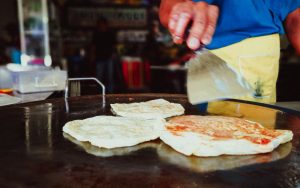
ICC Pudu is a separate market and food destination known for its concentration of hawker stalls. It is particularly appealing in the morning, when you can choose between noodle dishes, rice dishes, kuih and traditional coffee, depending on which vendors are open.
Go with one or two people if you want to share more dishes, and allow time for queues. Bring some cash, since payment methods vary by stall. For a closer look at the options, see the dedicated ICC Pudu food guide.
Walk the Older Commercial Streets
Away from the busiest food stops, Pudu’s shoplots reveal another side of the neighbourhood. Look for businesses that serve daily needs: provision shops, workshops, small eateries and specialist retailers operating alongside newer arrivals.
This is a walk best taken without a rigid route. Start from a place you already intend to visit, explore the nearby streets, and turn back when the heat or traffic makes walking less pleasant. Pavements and crossings vary, particularly along major roads.
See the Remains of Pudu Prison
Pudu Prison was one of Kuala Lumpur’s best-known historic sites. Built in the late nineteenth century, it later stood beside an increasingly busy commercial district. The prison complex was demolished in stages for the BBCC redevelopment, but its preserved gate remains a reminder of what once occupied the site.
The story is especially striking because the surroundings have changed so dramatically. You can read more about the prison, its mural and the surviving structure in KLC’s article on the Pudu Prison gate. The nearby Jalan Hang Tuah guide provides more context for this part of the city.
Explore the BBCC End of Pudu
Around Hang Tuah, the former prison site has become part of Bukit Bintang City Centre, which includes LaLaport BBCC. It makes an interesting final stop after Pudu’s older streets: within a short distance, you can see two very different stages of Kuala Lumpur’s development.
This end of the area is also useful for a break indoors before continuing towards Bukit Bintang.
What to Eat in Pudu
Pudu is better approached as a food neighbourhood than as a list of guaranteed dishes at fixed stalls. Vendors change, some close on particular days, and morning favourites may sell out. Use the foods below as a starting point, then see what is busy and available when you arrive.
Pork Noodles
A bowl of pork noodles may include slices of pork, minced meat and optional offal in a clear broth or another stall-specific preparation. It is a satisfying breakfast if you want something savoury before a walk. Check ingredients if you have dietary restrictions; many versions contain pork or lard.
Curry Noodles
Curry noodles bring together a rich, spiced broth with noodles and a selection of toppings that varies by vendor. They are a good choice if you want a heartier breakfast. Ask about the ingredients rather than assuming every bowl is prepared the same way.
Chee Cheong Fun and Yong Tau Foo
These are useful choices for a lighter meal or for sharing. Chee cheong fun consists of steamed rice rolls, often served with sauces and accompaniments. Yong tau foo allows you to choose individual pieces, with the preparation depending on the stall.
Rice Dishes and Kuih
If noodles are not what you want, look for rice dishes and snacks around the food centres. Traditional kuih makes an easy addition to breakfast or something to take away for later. Availability changes through the morning.
For more choices across the city, browse KLC’s Kuala Lumpur food guide or its guide to hawker centres in Kuala Lumpur.
A Simple Half-Day Pudu Itinerary
Early morning: Pudu Market
Begin while the market is active. Walk through the fresh food sections and observe the morning trade.
Breakfast: ICC Pudu or a nearby eatery
Choose one main dish, then add coffee or kuih if you still have room. ICC Pudu is its own destination, so check the route from the market before walking over.
Late morning: Explore the streets
Spend some time among Pudu’s older shoplots. Keep the walk flexible and use shaded streets where possible.
Before lunch: Pudu Prison gate and BBCC
Finish near Hang Tuah to see the preserved gate and the surrounding redevelopment. From there, continue to Bukit Bintang or take the train elsewhere.
This route is a framework rather than a promise that every stop will be open. If one particular stall is your reason for visiting, check its latest operating details first.
How to Get to Pudu
By LRT
Pudu station is served by the Ampang and Sri Petaling lines. It is a useful starting point for exploring the Pudu side of the neighbourhood. Hang Tuah is more convenient for the BBCC and former prison site, and it also connects with the KL Monorail. For route planning, see KLC’s Ampang and Sri Petaling Line guide and KL Monorail guide.
By Ride-Hailing Car
Use the name of your exact destination, such as Pudu Market or ICC Pudu, rather than entering “Pudu” alone. They are different places, and a precise drop-off saves time in traffic.
On Foot from Nearby Areas
You can incorporate parts of Pudu into a longer central KL walk, especially from Bukit Bintang or the Hang Tuah area. Allow extra time for large junctions, uneven pavements, heat and rain. For most visitors, combining a train ride with a shorter neighbourhood walk will be more comfortable than walking the entire way.
Where to Stay in Pudu
Pudu can be a practical base if you want local food close by and access to central Kuala Lumpur without staying in the busiest part of Bukit Bintang. Accommodation ranges from simpler city hotels to serviced apartments around the wider area.
Choose by exact location, not just the neighbourhood name. A hotel near Hang Tuah will give you a different daily walk from one closer to Pudu station or the markets. Check recent guest reviews for room condition, street noise and the walk to rail transit.
If you are deciding between districts, KLC’s guide to where to stay in Kuala Lumpur and its KL neighbourhood overview can help you compare the options.
Practical Tips for Visiting Pudu
- Go early for food and markets. Morning is when these destinations are most active; individual stall hours vary.
- Bring cash. Some smaller vendors may offer digital payments, but cash is useful.
- Dress for the weather. Expect heat, humidity and occasional rain, with limited shelter on some streets.
- Cross major roads carefully. Use marked crossings and leave time to navigate busy junctions.
- Check food ingredients. Pudu’s food choices span different cuisines, and dishes may contain pork, lard, seafood or other ingredients relevant to your diet.
- Treat the market as a workplace. Give shoppers and vendors space, and ask before photographing individuals.
As elsewhere in central KL, keep an eye on your belongings and choose well-lit routes if you are walking after dark. KLC also has a broader guide to safety in Kuala Lumpur.
Frequently Asked Questions About Pudu
Is Pudu worth visiting?
Yes, especially if you enjoy local food, markets and exploring neighbourhoods on foot. It is less about major attractions and more about seeing daily life in an established part of Kuala Lumpur.
What is Pudu famous for?
Pudu is known for its food and markets, as well as the history of Pudu Prison. The preserved prison gate and the nearby BBCC development show how much this part of the city has changed.
Are Pudu Market and ICC Pudu the same place?
No. Pudu Market is a working wet market, while ICC Pudu is a separate complex particularly well known for hawker food. Both can fit into a morning visit, but check their locations separately before setting out.
What is the best time to visit Pudu?
Morning is the best choice for a first visit centred on markets and breakfast. For a more leisurely look at the streets and the former prison site, allow enough time to continue into late morning or early afternoon.
How long do you need in Pudu?
Two to four hours is enough for a market visit, a meal and a walk. Add more time if you want to explore the BBCC end or stop at several food places.
Which station should I use for Pudu?
Use Pudu LRT station for the Pudu side of the area. Hang Tuah is useful for BBCC and the former Pudu Prison site. Your best stop depends on where you plan to begin.
Is Pudu Right for Your Kuala Lumpur Itinerary?
Make room for Pudu if you want a morning built around food, markets and the texture of an older KL neighbourhood. Its appeal comes from what is still part of daily life here. Arrive hungry, pick a few stops rather than trying to cover everything, and give yourself time to wander between them.