Planning 4 days in Kuala Lumpur gives you the perfect balance between landmarks, culture, food, and lifestyle—without rushing through the city.
If you’re coming from a shorter trip, this itinerary expands on a typical 1-Day Kuala Lumpur Itinerary into a more complete experience. Not sure how long to stay? Our How Many Days in Kuala Lumpur guide breaks it down for different travel styles.
With four days, you can explore icons like the Petronas Twin Towers, discover heritage areas through our Things to Do in Kuala Lumpur, and dive into local flavours via the Food Guide Kuala Lumpur.
You’ll also have time to explore neighbourhoods more deeply using the Kuala Lumpur Neighbourhoods Guide, or even take one of the best Day Trips from Kuala Lumpur.
This itinerary is designed to help you experience Kuala Lumpur not just as a list of attractions—but as a city of culture, contrasts, and everyday life.
What You Can Do in 4 Days in Kuala Lumpur
With four days, Kuala Lumpur opens up beyond just the highlights. You can comfortably:
- Visit major landmarks like the Petronas Twin Towers and KL Tower
- Explore cultural districts such as Chinatown Kuala Lumpur and heritage zones
- Go on a proper food hunt (street food, cafés, and local favourites)
- Enjoy parks, skyline walks, and riverside areas
- Visit museums, galleries, and cultural sites
- Experience café culture, shopping, and nightlife
- Explore neighbourhoods like Bangsar, Mont Kiara, and Chow Kit
- Take a day trip to places like Genting Highlands or Putrajaya
Day 1: Landmarks & Skyline
KLCC, City Icons & Skyline Views
Your first day in Kuala Lumpur is all about understanding the city at a glance—its skyline, energy, and modern identity. This route covers KL’s most iconic landmarks while keeping everything relatively close and efficient.
Morning: KLCC & the City’s Most Iconic Landmark
Start your day at the Petronas Twin Towers, the symbol of Kuala Lumpur and one of the most recognisable skyscrapers in the world.
If it’s your first time, this is also covered in more depth in our Petronas Twin Towers Guide.
What to do in KLCC:
- Walk around KLCC Park for postcard skyline views
- Catch the Lake Symphony fountain show (best in the evening if you return later)
- Visit Suria KLCC for shopping, cafés, and air-conditioned breaks
- Go up to the Skybridge & Observation Deck (book tickets early)
Why start here:
- Central location
- Easy introduction to the city layout
- One of the best photo spots in Kuala Lumpur
Afternoon: KL Tower & Panoramic Views
Head to the nearby KL Tower for a different perspective of the city.
For a deeper breakdown, refer to our KL Tower Guide.
Highlights:
- 360° observation deck views of Kuala Lumpur
- Glass Sky Box experience for thrill seekers
- View of the entire KL skyline—including the Petronas Twin Towers
Tips:
- Visit mid to late afternoon and stay for sunset
- Less crowded than KLCC Skybridge
- Great transition point before heading into the city
Evening: Bukit Bintang, Shopping & Street Food
Make your way to Bukit Bintang—the heart of Kuala Lumpur’s lifestyle and entertainment scene.
Explore this area further in our Bukit Bintang Guide.
What to do in Bukit Bintang:
- Shop at Pavilion KL, one of the city’s top malls
- Walk along Jalan Bukit Bintang for street energy and city vibes
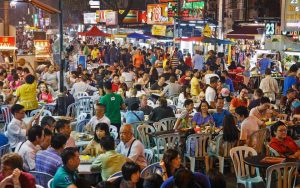
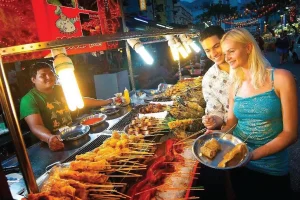
- Head to Jalan Alor for one of the best Street Food in Kuala Lumpur experiences
- Explore nearby cafés, dessert spots, or bars
Food highlights at Jalan Alor:
- Grilled seafood
- Satay skewers
- Char koay teow
- Local desserts and drinks
Optional Night: Skyline & Nightlife
If you still have energy, end your first day with a skyline view or drink.
Ideas:
- Rooftop bars with KL skyline views
- Night photography around KLCC
- Late-night café or dessert hopping
Day 2: Culture, Heritage & Local Life
Temples, Markets & Old Kuala Lumpur
After experiencing Kuala Lumpur’s modern skyline, Day 2 takes you into the city’s cultural roots, religious landmarks, and historic districts. This is where you begin to understand the layers that define Kuala Lumpur beyond its skyscrapers.
Morning: Batu Caves & Cultural Landmark
Start early with a visit to Batu Caves, one of Malaysia’s most iconic cultural and religious sites.
Explore more in our Batu Caves Guide.
What to expect:
- Climb the famous 272 rainbow-coloured steps
- Visit the main cave temple and smaller cave shrines
- See the towering golden statue of Lord Murugan
Tips:
- Go early (before 9am) to avoid heat and crowds
- Wear modest clothing (it’s a religious site)
- Watch out for monkeys
Why visit:
- One of the most photographed landmarks in Malaysia
- Strong cultural and spiritual significance
- Unique limestone cave setting just outside the city
Afternoon: Chinatown & Central Market
Head back into the city to explore Petaling Street, one of Kuala Lumpur’s oldest and most vibrant districts.
Dive deeper with our Chinatown Kuala Lumpur Guide.
What to do in Chinatown:
- Walk through Petaling Street market for local goods and street snacks
- Visit heritage shophouses and hidden alleyways
- Discover temples like Guan Di Temple and Sri Mahamariamman Temple
- Stop by trendy cafés and bars tucked within old buildings
Central Market & Cultural Stops
Just a short walk away is Central Market Kuala Lumpur.
Learn more in our Central Market Kuala Lumpur Guide.
Highlights:
- Traditional arts, crafts, and souvenirs
- Batik, handicrafts, and local products
- Air-conditioned heritage building (great break from the heat)
Nearby cultural attractions:
These are also covered in our Famous Landmarks in Kuala Lumpur.
Evening: River of Life & Historic Core
End your day at the River of Life Kuala Lumpur, one of the most beautifully redeveloped areas in the city.
What to do:
- Walk along the river promenade
- Enjoy the blue lighting effects at night
- Take photos of Masjid Jamek and surrounding architecture
Why it’s worth it:
- One of KL’s most underrated night spots
- Combines history, architecture, and atmosphere
- Relaxing way to end a culturally rich day
Optional Add-Ons (If You Have Time)
- Visit nearby museums (covered in our Museums in Kuala Lumpur)
- Explore hidden heritage gems from our Hidden Historical Buildings in Kuala Lumpur
- Café or bar hopping in Chinatown (growing nightlife scene)
Day 3: Lifestyle, Cafés & Experiences
Modern KL, Hidden Gems & Relaxation
After exploring Kuala Lumpur’s landmarks and heritage, Day 3 shifts into the modern lifestyle side of the city—where café culture, neighbourhood living, and curated experiences come together.
This is the day where you experience Kuala Lumpur more like a local rather than a tourist.
Morning: Thean Hou Temple & City Views
Start your day at the beautiful Thean Hou Temple, one of the most visually striking temples in the city.
Explore more in our Thean Hou Temple Guide.
What to expect:
- Intricate Chinese architecture and prayer halls
- Rows of lanterns (especially during festive periods)
- Elevated views overlooking parts of Kuala Lumpur
Why visit:
- One of the most photogenic cultural sites in KL
- Peaceful atmosphere compared to busier attractions
- Great transition between heritage and modern city
Afternoon: Café Hopping & Neighbourhood Exploration
Kuala Lumpur’s café culture has grown rapidly, especially in lifestyle neighbourhoods.
Use our Best Cafés in Kuala Lumpur as a reference to plan your stops.
Recommended areas:
Bangsar
Explore Bangsar—one of KL’s most vibrant districts.
What to expect:
- Trendy cafés and brunch spots
- Boutique shops and lifestyle stores
- Strong day-to-night energy
TTDI (Taman Tun Dr Ismail)
TTDI are is more relaxed and local favourite.
Highlights:
- Specialty coffee cafés
- Brunch culture and casual dining
- Neighbourhood park nearby (TTDI Park)
Mont Kiara
Explore Mont Kiara for a more international vibe.
What to expect:
- Expat-friendly cafés and restaurants
- Modern, quieter environment
- Diverse international cuisine
Optional Experiences:
- Spa or wellness session (perfect mid-trip reset)
- Light shopping or browsing concept stores
- Dessert cafés or specialty bakeries
Evening: Shopping, Lifestyle & City Energy
You can either:
- Continue exploring neighbourhoods
- Or return to central areas like Bukit Bintang for shopping
For more ideas, refer to our Shopping in Kuala Lumpur.
Options:
- Pavilion KL or TRX Exchange
- Local boutiques and concept stores
- Night cafés or dessert spots
Night: Rooftop Bars & Skyline Experiences
End your day with one of Kuala Lumpur’s signature experiences—its skyline at night.
Explore more in our Night Activities in Kuala Lumpur.
What to expect:
- Rooftop bars with views of the Petronas Twin Towers
- Sunset cocktails and city lights
- Chill lounges or more energetic nightlife spots
Popular experiences:
- Sky dining or rooftop restaurants
- Live DJ sets or laid-back lounges
- Late-night city views and photography
Day 4: Day Trips or Neighbourhood Exploration
Escape the City or Experience Local Living
Your final day in Kuala Lumpur is all about flexibility. By now, you’ve seen the major landmarks, explored cultural districts, and experienced the city’s lifestyle.
Day 4 gives you two strong directions:
- Option A: Take a day trip beyond Kuala Lumpur
- Option B: Slow down and explore neighbourhoods in depth
Both options offer a different perspective of the city and its surroundings.
Option A: Day Trips from Kuala Lumpur
If you want to go beyond the city, Kuala Lumpur is surrounded by excellent destinations—all within 1–2 hours.
Explore more in our Day Trips from Kuala Lumpur.
Genting Highlands (Most Popular)
Genting Highlands is one of the easiest and most popular escapes from Kuala Lumpur.
What to do:
- Ride the Awana SkyWay cable car
- Visit Resorts World Genting (shopping, dining, entertainment)
- Explore indoor and outdoor theme parks
- Enjoy cooler mountain weather
Why visit:
- Quick and accessible day trip
- Completely different environment from KL
- Great mix of nature + entertainment
Putrajaya (Architecture & Calm)
Head to Putrajaya for a slower, scenic experience.
Highlights:
- Putra Mosque
- Seri Wawasan Bridge
- Lakeside views and wide boulevards
Why visit:
- Unique modern Islamic architecture
- Peaceful and less crowded
- Ideal for photography
Other Day Trip Ideas
- Nature escapes (waterfalls, hills, rainforest trails)
- Coastal towns or small cities nearby
- Cultural towns like Malacca or Ipoh
Option B: Explore KL Neighbourhoods Like a Local
If you prefer to stay within the city, Day 4 is perfect for a deeper, slower exploration of Kuala Lumpur’s neighbourhoods.
Use our Kuala Lumpur Neighbourhoods Guide to plan your route.
Bangsar (Lifestyle & Café Scene)
Bangsar is one of KL’s most vibrant districts.
What to do:
- Café hopping and brunch
- Explore boutique stores
- Enjoy a relaxed yet trendy atmosphere
Mont Kiara (International & Modern)
Mont Kiara offers a different side of KL.
Highlights:
- International dining options
- Quiet, residential feel
- Modern lifestyle spaces
TTDI (Local Favourite)
TTDI, A balanced mix of lifestyle and nature.
What to do:
- Visit neighbourhood cafés
- Walk around TTDI Park
- Enjoy a slower pace of city life
Chow Kit (Authentic & Traditional)
For a more raw and local experience, explore Chow Kit.
Highlights:
- Traditional wet market
- Street food and local eateries
- Glimpse into everyday Kuala Lumpur life
Food Guide: What to Eat in 4 Days
Kuala Lumpur is one of Southeast Asia’s most exciting food cities—where Malay, Chinese, Indian, and international influences come together in one place.
Over four days, you’ll have the opportunity to explore everything from street food and kopitiams to modern cafés and upscale dining.
For a deeper breakdown, explore our full Food Guide Kuala Lumpur.
Must-Try Dishes in Kuala Lumpur
If it’s your first time, these are essential:
Local classics:
- Nasi lemak – Malaysia’s national dish (coconut rice, sambal, anchovies)
- Char koay teow – smoky stir-fried noodles with wok hei
- Hokkien mee – dark soy braised noodles
- Roti canai – flaky flatbread with curry
- Satay – grilled skewers with peanut sauce
Desserts & drinks:
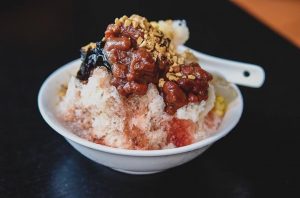
- Cendol – shaved ice with gula melaka and pandan jelly
- Teh tarik – pulled milk tea
- ABC (ais kacang) – colourful shaved ice dessert
Explore more in our Best Street Food in Kuala Lumpur.
Where to Eat Across Your 4 Days
Day 1: Street Food & City Energy
Start strong with street food in Bukit Bintang.
Go to:
- Jalan Alor night market
- Late-night eateries and hawker stalls
What to try:
- Grilled seafood
- Satay
- Noodles and stir-fried dishes
Day 2: Heritage Food & Local Classics
While exploring Chinatown, dive into traditional eats.
Head to Petaling Street for a mix of old-school and modern spots.
What to look for:
- Kopitiams (traditional coffee shops)
- Roast meats and noodle dishes
- Hidden local favourites
Day 3: Cafés & Modern Dining
Kuala Lumpur’s café scene is thriving—especially in neighbourhoods like Bangsar and Mont Kiara.
Discover more in our Best Cafés in Kuala Lumpur.
What to expect:
- Specialty coffee
- Brunch menus
- Dessert cafés and bakeries
Optional:
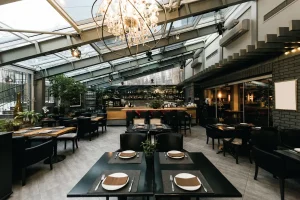
- Explore higher-end dining through our Best Restaurants in Kuala Lumpur
Day 4: Flexible Food Exploration
Depending on your plan:
If you take a day trip:
- Try local specialties at your destination (e.g., Genting or Putrajaya)
If you stay in KL:
- Explore neighbourhood food scenes
- Revisit your favourite spots
- Try something new from your food list
Food Experiences You Shouldn’t Miss
Beyond just eating, Kuala Lumpur offers unique food experiences:
- Street food hunting at night
- Café hopping across neighbourhoods
- Local breakfast culture (kopitiam mornings)
- Late-night dining (mamak stalls)
Where to Stay for This Itinerary
Choosing the right area to stay in Kuala Lumpur can make your trip significantly smoother—especially for a 4-day itinerary where you’ll be moving between different parts of the city.
For a full breakdown, refer to our Where to Stay in Kuala Lumpur.
Best Areas to Stay for 4 Days in Kuala Lumpur
KLCC (Best for First-Time Visitors & Convenience)
Staying near the Petronas Twin Towers puts you right in the heart of the city.
Why stay here:
- Walking distance to major landmarks
- Easy access to transport (LRT, MRT)
- Close to shopping malls and attractions
Best for:
- First-time visitors
- Luxury and mid-range stays
- Skyline views
Bukit Bintang (Best for Food, Shopping & Nightlife)
Bukit Bintang is one of the most vibrant areas in Kuala Lumpur.
Explore more in our Bukit Bintang Guide.
Why stay here:
- Walking distance to Jalan Alor street food
- Surrounded by malls, cafés, and entertainment
- Lively atmosphere day and night
Best for:
- Food lovers
- Shopping trips
- Nightlife and social travellers
Chinatown / Pasar Seni (Best for Culture & Budget Stays)
Stay near Petaling Street for a more cultural experience.
Why stay here:
- Close to heritage attractions and markets
- More affordable boutique hotels and hostels
- Unique mix of old and modern cafés
Best for:
- Budget travellers
- Culture-focused trips
- Walkable historic areas
Bangsar / Mont Kiara (Best for Lifestyle & Longer Stays)
For a more local and lifestyle-oriented experience, consider:
Why stay here:
- Café culture and dining options
- Quieter, less touristy environment
- More residential and relaxed
Best for:
- Returning visitors
- Digital nomads or longer stays
- Lifestyle-focused travel
Travel Tips for a 4-Day KL Trip
Kuala Lumpur is a relatively easy city to navigate, but a few smart tips can make your 4-day trip much smoother, more efficient, and more enjoyable.
Getting Around Kuala Lumpur
Best ways to move around the city:
- Use Grab (ride-hailing app) for convenience and affordability
- Take the MRT, LRT, and Monorail for major routes
- Walk within areas like KLCC and Bukit Bintang
For a full breakdown, refer to our Transport in Kuala Lumpur.
Tips:
- Avoid peak hours (8–10am, 5–8pm)
- Use Google Maps for real-time navigation
- Combine train + Grab for efficiency
Weather & What to Wear
Kuala Lumpur is hot and humid year-round.
What to expect:
- Temperatures around 28–34°C
- Sudden rain showers (especially afternoons)
What to wear:
- Light, breathable clothing
- Comfortable walking shoes
- Bring an umbrella or rain jacket
Money & Payments
- Cash is still useful for street food and small vendors
- Credit/debit cards are widely accepted in malls and restaurants
- E-wallets are common but not essential for tourists
Food & Dining Tips
- Follow the crowds—busy stalls usually mean better food
- Don’t skip breakfast (try roti canai + teh tarik)
- Street food is generally safe, but choose clean, busy stalls
Explore more in our Food Guide Kuala Lumpur.
Safety & Comfort
Kuala Lumpur is generally safe for travellers.
Keep in mind:
- Watch your belongings in crowded areas
- Be cautious of traffic when crossing roads
- Use well-lit areas at night
For more details, refer to Is Kuala Lumpur Safe.
Planning Your Days Efficiently
To make the most of 4 days:
- Group nearby attractions together (KLCC, Bukit Bintang, Chinatown)
- Start early to avoid heat and crowds
- Mix indoor and outdoor activities
- Leave some flexibility in your schedule
Connectivity & Essentials
- Get a local SIM card or eSIM for data
- WiFi is widely available in malls and cafés
- Use apps like Grab and Google Maps for daily planning
FAQs: 4 Days in Kuala Lumpur
Is 4 days enough for Kuala Lumpur?
Yes—4 days is ideal. You can cover landmarks, culture, food, lifestyle, and even include a day trip.
Should I include a day trip?
Highly recommended. Genting Highlands or Putrajaya adds variety to your itinerary.
Is Kuala Lumpur walkable?
Certain areas like KLCC and Bukit Bintang are walkable, but transport is still needed between districts.
What is the best area to stay?
KLCC or Bukit Bintang offers the best balance of convenience and access.
A 4-day Kuala Lumpur itinerary gives you the full spectrum of the city:
- Iconic skyline
- Cultural depth
- Incredible food
- Modern lifestyle
- Nearby escapes
It’s the perfect amount of time to move beyond tourist highlights and truly experience Kuala Lumpur as a living, evolving city.