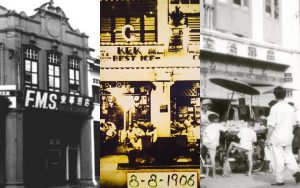
Bangsar is one of Kuala Lumpur’s most established lifestyle neighbourhoods, known for its café culture, diverse restaurants, nightlife, shopping and leafy residential streets.
Located just outside the city centre, Bangsar feels noticeably different from the skyscrapers of KLCC or the busy shopping streets of Bukit Bintang. The neighbourhood is more relaxed and residential, with much of its everyday activity concentrated around Telawi, Bangsar Village, Lucky Garden and several smaller commercial pockets.
Food is one of the biggest reasons to visit. You can start the morning over specialty coffee, have banana leaf rice or Nyonya food for lunch, spend the afternoon exploring cafés and shops, and return for contemporary dining, wine or drinks after dark. Our Best Restaurants in Bangsar and Best Cafés in Bangsar guides explore the neighbourhood’s food scene in much greater detail.
But Bangsar isn’t only about eating. It is also an established residential neighbourhood with a strong local community, creative spaces such as APW Bangsar, independent businesses and convenient connections to areas including KL Sentral, Brickfields and Mid Valley.
For visitors who have already explored Kuala Lumpur’s major landmarks—or travellers who prefer discovering neighbourhoods rather than simply ticking off attractions—Bangsar offers a glimpse into a more everyday side of the city.
If you’re planning your first visit, our Best Things to Do in Bangsar guide provides more ideas for exploring the neighbourhood.
Where is Bangsar?
Bangsar is located southwest of central Kuala Lumpur, between several of the city’s most important commercial and residential districts.
Immediately east of Bangsar are Brickfields and KL Sentral, Kuala Lumpur’s main transportation hub. To the south are Mid Valley City and KL Eco City, while areas such as Damansara Heights lie further north.
This central position is one reason Bangsar has remained such a desirable neighbourhood. It sits outside Kuala Lumpur’s densest tourist core but is still relatively easy to reach from many parts of the city.
Travellers staying around KL Sentral can reach Bangsar quickly, while visitors coming from KLCC or Bukit Bintang can usually combine rail and ride-hailing depending on where in Bangsar they want to go. For a broader understanding of the city’s districts, see our Kuala Lumpur Neighbourhood Guide.
Bangsar Is Bigger Than Telawi
One important distinction for first-time visitors is that Bangsar and Telawi are not the same thing.
Bangsar refers to the wider neighbourhood, which includes residential streets, commercial areas, schools, places of worship and several smaller pockets of activity.
Telawi—centred around streets such as Jalan Telawi—is the neighbourhood’s best-known commercial and lifestyle district. This is where you’ll find a particularly dense concentration of restaurants, cafés, bars, shops and Bangsar Village.
If you only have a few hours in Bangsar, Telawi is usually the easiest place to start. You can explore much of the area on foot, stop for coffee or lunch, browse the shops and stay into the evening as restaurants and nightlife become busier.
Our dedicated Telawi Bangsar Guide goes deeper into what to eat, drink and do around this part of the neighbourhood.
Bangsar’s Other Pockets
However, exploring only Telawi means missing some of Bangsar’s character.
Lucky Garden has a more neighbourhood-oriented atmosphere, with local eateries and businesses serving the surrounding residential community. It is particularly worth exploring if food is one of the main reasons you’re visiting Bangsar.
APW Bangsar, meanwhile, represents a more contemporary side of the neighbourhood. The repurposed former printing factory has evolved into a creative and lifestyle destination associated with dining, events and independent businesses.
Around these commercial pockets are Bangsar’s quieter residential streets, which help explain why the neighbourhood feels different from Kuala Lumpur’s major downtown districts. Bangsar isn’t simply a place people travel to for dinner or coffee—it is a neighbourhood where people actually live, work, shop and socialise.
That mixture of residential life and urban lifestyle is central to Bangsar’s identity.
How to Get to Bangsar
Bangsar is relatively easy to reach from central Kuala Lumpur, particularly from KL Sentral, but the best transport option depends on which part of the neighbourhood you are visiting.
The Bangsar LRT Station is useful for reaching the neighbourhood by public transport, while Grab or another ride-hailing service is often more convenient if your destination is Telawi, Bangsar Village, Lucky Garden or one of Bangsar’s restaurants.
For an overview of the city’s rail, bus and other transport options, see our Getting Around Kuala Lumpur guide.
By LRT
Bangsar is served by Bangsar LRT Station on the Kelana Jaya Line, providing direct rail connections with KL Sentral and many other parts of Kuala Lumpur.
From KL Sentral, Bangsar is just one station away, making the LRT particularly convenient for visitors staying around the city’s main transport hub. The same line also connects Bangsar with areas including Pasar Seni and KLCC without requiring a change of train.
However, there is one important thing to understand before taking the LRT: Bangsar LRT Station is not located in the middle of Telawi.
If your destination is Bangsar Village, Jalan Telawi or one of the restaurants and cafés around the commercial centre, you will still need to continue from the station. Depending on the weather, your destination and how comfortable you are walking in Kuala Lumpur, taking a short Grab ride may be more practical.
Read our Kelana Jaya LRT Line Guide for more information about the route, stations and connections.
By Grab or Taxi
For many visitors, ride-hailing is the simplest way to reach Bangsar.
Instead of travelling to Bangsar LRT Station and then figuring out the final part of the journey, you can travel directly to Bangsar Village, Telawi, APW Bangsar, Lucky Garden or a specific restaurant.
Grab is particularly convenient if you’re coming from nearby areas such as KL Sentral, Brickfields, Mid Valley or KL Eco City.
It is also useful at night, especially if your Bangsar visit includes dinner or drinks and you don’t want to worry about parking or returning to the LRT station afterwards.
By Car
Driving to Bangsar is straightforward, but parking can be one of the more frustrating parts of visiting the neighbourhood.
This is particularly noticeable around Telawi during lunch, dinner and busy weekend periods. Street parking is limited and popular sections of the neighbourhood can become congested.
If you’re driving specifically to Telawi, using a shopping centre or commercial car park may be easier than circling the surrounding streets looking for roadside parking.
Drivers visiting restaurants outside the main commercial area should check whether the restaurant provides parking or valet services before arriving.
By Bus
Buses also serve Bangsar and the surrounding areas, although they are generally less straightforward for first-time visitors than using the LRT or Grab.
Depending on where you are travelling from, Rapid KL services can connect Bangsar with nearby transport hubs and neighbourhoods. Bus routes and operating arrangements can change, so check the latest journey information before travelling.
For more information on Kuala Lumpur’s bus network—including Rapid KL, GoKL and other services—read our KL Bus Guide.
Getting Around Bangsar
Once you’re in Bangsar, how you get around depends largely on whether you’re exploring Telawi or the wider neighbourhood.
Bangsar is sometimes described as a walkable neighbourhood, but that requires some qualification. Certain pockets are very easy to explore on foot, while travelling between different parts of Bangsar can be considerably less convenient.
Walking Around Telawi
Telawi is the easiest part of Bangsar to explore on foot.
Restaurants, cafés, bars, shops and Bangsar Village are concentrated within a relatively compact area, making it possible to spend several hours here without needing another vehicle.
A typical visit might involve lunch, walking around Bangsar Village and the surrounding streets, stopping for coffee or dessert, and then continuing to dinner or drinks.
This walkability is one reason Telawi works particularly well for couples. You can have dinner and spontaneously continue somewhere else without planning another journey across Kuala Lumpur. Our Bangsar Date Night Restaurants guide has more ideas if you’re planning an evening here.
Travelling Between Telawi, Lucky Garden and APW Bangsar
The wider Bangsar neighbourhood is more spread out.
Telawi, Lucky Garden and APW Bangsar are separate pockets rather than one continuous pedestrian district. While some journeys may look relatively short on a map, Kuala Lumpur’s heat, heavy rain, hills, road crossings and inconsistent pedestrian infrastructure can make walking less comfortable than the distance suggests.
For visitors trying to experience several parts of Bangsar in one day, a combination of walking and short Grab rides is often the easiest approach.
Walk within each commercial pocket, then use ride-hailing when moving between areas.
Walking in Kuala Lumpur’s Weather
Malaysia’s climate is another factor to consider.
Bangsar can be hot and humid during the day, while sudden tropical rain can make even a relatively short walk inconvenient. If you’re planning to explore on foot, lightweight clothing, comfortable shoes and an umbrella are useful.
Late afternoon and evening are generally more comfortable for walking, which conveniently coincides with the time Bangsar’s dining and nightlife scene becomes more active.
If rain interrupts your plans, Kuala Lumpur still has plenty to do indoors. See our Rainy Day Activities in Kuala Lumpur guide for alternatives.
Getting Around Bangsar at Night
Bangsar becomes particularly lively after dark, especially around Telawi.
If your entire evening is centred around Telawi, you can generally leave the car behind and walk between dinner, dessert and drinks. This makes the area one of Kuala Lumpur’s easier neighbourhoods for a casual night out.
For restaurants or bars elsewhere in Bangsar, ride-hailing is usually the simplest option.
Using Grab also removes the need to search for parking and is the sensible choice if your evening involves alcohol.
Is Bangsar Walkable?
Parts of Bangsar are very walkable, but Bangsar as a whole is not a fully walkable neighbourhood.
Telawi and the streets surrounding Bangsar Village are the easiest areas to explore on foot. Once you begin moving between different pockets of the wider neighbourhood, walking becomes less practical.
For most visitors, the easiest strategy is:
LRT or Grab to Bangsar → walk around your chosen area → short Grab between different pockets → walk again once you arrive.
This allows you to experience Bangsar at street level without spending too much of your visit navigating busy roads or walking long distances in Kuala Lumpur’s heat.
A Brief History of Bangsar
Bangsar today is associated with cafés, restaurants, nightlife and some of Kuala Lumpur’s most desirable residential addresses, but the neighbourhood began far removed from the lifestyle destination visitors know today.
Its transformation from agricultural land into an established suburb—and eventually one of Kuala Lumpur’s best-known lifestyle neighbourhoods—mirrors the wider expansion of the city during the 20th century.
From Rubber Estate to Residential Suburb
Much of the area that became Bangsar was once occupied by rubber estates during the early 20th century. As Kuala Lumpur expanded beyond its historic centre, land surrounding the city gradually began transitioning from agricultural and estate use into residential development.
Bangsar’s location worked in its favour. It was close enough to central Kuala Lumpur to remain convenient while offering considerably more space for residential development.
Housing expanded significantly during the decades after independence, gradually creating the mixture of landed homes, apartments, commercial areas, schools and community facilities that characterises the wider neighbourhood today.
How Did Bangsar Get Its Name?
One of the most commonly repeated explanations for the name “Bangsar” traces it to two early figures associated with the area’s rubber estate: Edouard Bunge and Alfred Grisar.
Their surnames were reportedly combined into “Bunge-Grisar”, which evolved over time into the name Bangsar.
The story has become part of local Bangsar history, although—as with many neighbourhood-name origin stories—the precise evolution of the name is not always consistently documented.
Regardless of its exact linguistic journey, Bangsar eventually became the established name for the growing residential district southwest of central Kuala Lumpur.
The Rise of Modern Bangsar
As Kuala Lumpur grew during the second half of the 20th century, Bangsar developed into an increasingly desirable residential address.
Its proximity to the city centre attracted professionals and families, while the surrounding commercial areas expanded to serve the growing population. Shops, restaurants and everyday services gradually became part of the neighbourhood’s fabric.
Over time, Bangsar also developed a reputation as a relatively cosmopolitan part of Kuala Lumpur. Its residents included Malaysians from different communities as well as a sizeable expatriate population, helping create demand for a broader variety of restaurants, cafés and lifestyle businesses.
Telawi Becomes Bangsar’s Lifestyle Heart
The streets around Jalan Telawi eventually emerged as Bangsar’s most recognisable commercial district.
What had primarily served the surrounding residential population gradually developed into a destination in its own right. Restaurants, cafés, boutiques, bars and other businesses transformed Telawi into somewhere people travelled to from across Kuala Lumpur.
The opening and development of Bangsar Village further strengthened the area’s position as Bangsar’s lifestyle centre.
Today, Telawi remains the part of Bangsar most visitors encounter first. During the day, the streets revolve around cafés, restaurants, shopping and everyday neighbourhood activity. By evening, restaurants, bars and social venues give the area a livelier character.
Read our dedicated Telawi Bangsar Guide for a closer look at what to eat, drink and explore around the district.
What Makes Bangsar Special?
Bangsar doesn’t have the Petronas Twin Towers, a major heritage district or the enormous shopping malls associated with some other parts of Kuala Lumpur.
Its appeal comes from something different: the neighbourhood itself.
Bangsar brings together residential life, food, café culture, shopping and nightlife in a way that feels established rather than manufactured as a visitor destination.
That makes it particularly rewarding for travellers who want to experience Kuala Lumpur beyond its major attractions.
Telawi: The Heart of Bangsar
For most visitors, Telawi is the easiest introduction to Bangsar.
The streets surrounding Jalan Telawi contain one of the neighbourhood’s densest concentrations of restaurants, cafés, bars, shops and lifestyle businesses. Bangsar Village I and II anchor the district, while the surrounding shoplots provide much of its street-level character.
The experience also changes throughout the day.
Mornings and afternoons are suited to coffee, brunch, shopping and casual lunches. As evening approaches, restaurants fill up and the neighbourhood gradually shifts towards dinner, drinks and nightlife.
This makes Telawi particularly easy to explore without a strict itinerary. You can arrive for lunch and simply decide where to go next as you walk around.
A Neighbourhood Built Around Food
Food has become one of the defining parts of Bangsar’s identity.
The neighbourhood’s dining scene is unusually varied. Long-established Malaysian restaurants operate alongside European bistros, contemporary restaurants, Indian food, Japanese dining, pizza, burgers and modern woodfire concepts.
You don’t necessarily need a large budget either. Although Bangsar has plenty of upscale restaurants, neighbourhood institutions and casual eateries remain an important part of its food culture.
Our Best Restaurants in Bangsar guide covers the neighbourhood’s broader dining scene, while Affordable Restaurants in Bangsar focuses on places where you can eat without turning lunch or dinner into a major expense.
One of Kuala Lumpur’s Established Café Neighbourhoods
Bangsar has also played an important role in Kuala Lumpur’s modern café culture.
Over the years, specialty coffee shops, brunch cafés, bakeries and dessert businesses have made Bangsar a regular weekend destination. While individual cafés inevitably come and go, café hopping remains part of the neighbourhood’s lifestyle.
Today, visitors can move between specialty coffee, brunch, pastries and desserts across Telawi, APW Bangsar and other parts of the neighbourhood.
If coffee is one of the main reasons you’re visiting, our updated Best Cafés in Bangsar guide covers specialty coffee, brunch cafés, places for working and some of the neighbourhood’s best dessert stops.
Nightlife Without the Intensity of Bukit Bintang
After dark, Bangsar offers another side of Kuala Lumpur nightlife.
Telawi has long been associated with pubs, bars, wine and places to meet friends after work. Restaurants stay busy into the evening, making it easy to move from dinner to drinks without travelling across the city.
The atmosphere is noticeably different from Kuala Lumpur’s major tourist nightlife areas.
While Changkat Bukit Bintang is closely associated with visitors, bars and late-night entertainment, Bangsar’s nightlife feels more integrated into the surrounding neighbourhood. The crowd tends to include residents, professionals and people coming specifically for dinner or to meet friends.
For couples, this combination is particularly useful because an evening doesn’t need to end after dinner. Our Bangsar Date Night Restaurants guide explores restaurants suited to everything from casual first dates to anniversaries and special occasions.
Residential Life Is Still Part of Bangsar’s Identity
Step away from the busiest commercial streets and Bangsar changes quickly.
Much of the wider neighbourhood remains residential, with landed homes, condominiums, schools, places of worship and quieter tree-lined streets surrounding its commercial pockets.
This creates an important contrast.
Telawi can be busy with diners and nightlife on a Friday evening, while residential streets elsewhere in Bangsar can feel considerably calmer. Local restaurants and shops in areas such as Lucky Garden also continue to serve the surrounding community rather than functioning purely as destinations.
This residential foundation is part of what prevents Bangsar from feeling like a purpose-built entertainment district.
For those considering more than a short visit, our Living in Bangsar guide explores housing, lifestyle, connectivity, costs and the advantages and disadvantages of calling the neighbourhood home.
Old Bangsar and New Bangsar Exist Side by Side
Perhaps the most interesting thing about Bangsar is how different generations of the neighbourhood coexist.
You can eat at a long-established local restaurant, walk a few streets and find a contemporary café, then spend the evening at a modern restaurant or bar.
Traditional neighbourhood businesses haven’t disappeared completely as newer lifestyle concepts have arrived. Instead, Bangsar continues to evolve around them.
That combination of local institutions, residential life and constantly changing food and lifestyle businesses is what gives Bangsar much of its personality.
It isn’t Kuala Lumpur’s newest neighbourhood—and that’s precisely part of its appeal.
Best Things to Do in Bangsar
Bangsar isn’t a conventional sightseeing neighbourhood filled with monuments and major tourist attractions. The best way to experience it is to slow down and spend time exploring its food, cafés, shops and different pockets.
You can easily spend half a day around Telawi alone, or turn Bangsar into a full-day neighbourhood experience by combining coffee, shopping, APW Bangsar, local food and dinner.
For a longer list of activities and places to visit, see our complete Best Things to Do in Bangsar guide.
1. Explore Telawi
If you’re visiting Bangsar for the first time, Telawi is the best place to start.
Centred around Jalan Telawi and the surrounding streets, this is Bangsar’s main lifestyle and commercial district. Restaurants, cafés, bars, boutiques, beauty businesses and Bangsar Village are concentrated within a relatively compact area, making it one of the easiest parts of the neighbourhood to explore on foot.
There isn’t necessarily one attraction you need to see. The experience is about walking around, stopping wherever looks interesting and watching the neighbourhood change throughout the day.
Come during late morning for coffee and brunch, stay for shopping or dessert in the afternoon, and Telawi becomes noticeably livelier as restaurants and bars fill up after dark.
Plan your visit with our dedicated Telawi Bangsar Guide.
2. Shop and Dine at Bangsar Village
Bangsar Village has become one of the main anchors of the Telawi area.
Rather than competing directly with Kuala Lumpur’s enormous destination malls, Bangsar Village functions more like a neighbourhood lifestyle centre. Its mix of retail, groceries, restaurants, cafés, beauty and everyday services reflects the surrounding Bangsar community.
It is also a useful starting point if you’re visiting Telawi. You can explore the mall before heading onto the surrounding streets, or retreat indoors when Kuala Lumpur’s heat or tropical rain makes walking less appealing.
For travellers who prefer major shopping centres, Mid Valley Megamall and The Gardens Mall are also nearby.
3. Discover APW Bangsar
APW Bangsar offers a different side of the neighbourhood.
The site began as a printing factory and was later repurposed into a creative and lifestyle space. Today, its industrial character provides a distinctive setting for restaurants, cafés, businesses, events and community activities.
APW is particularly worth including if you’re interested in adaptive reuse and contemporary urban spaces rather than conventional tourist attractions.
Its location also makes it easy to combine with other parts of Bangsar. Stop by for coffee or food, explore the space and then continue towards Telawi or another part of the neighbourhood.
4. Go Café Hopping
Few activities capture modern Bangsar better than spending a few hours café hopping.
The neighbourhood has been closely associated with Kuala Lumpur’s café culture for years, and you can find everything from specialty coffee and brunch to bakeries and dessert cafés.
VCR, Peep Coffee and Kopenhagen Coffee are among the options for coffee, while Antipodean, Naj & Belle, Breakfast Thieves and Botanica+Co cater to the brunch crowd.
Instead of trying to visit as many cafés as possible, choose two or three across different parts of the neighbourhood and use them as stops while exploring Bangsar.
Our Best Cafés in Bangsar guide breaks down the neighbourhood’s current options by specialty coffee, brunch, working and desserts.
5. Eat Your Way Around Bangsar
If there is one reason to make a dedicated trip to Bangsar, it is probably food.
The neighbourhood offers an unusually broad range of dining experiences. You can have Nyonya food, banana leaf rice or nasi kandar before moving on to European restaurants, contemporary woodfire cooking, pizza, burgers or fine dining later in the day.
For first-time visitors, combining one established local restaurant with one newer contemporary venue provides an interesting glimpse into how Bangsar’s food scene has evolved.
Start with our Best Restaurants in Bangsar for the overall dining scene, or explore Affordable Restaurants in Bangsar if you’re looking for neighbourhood favourites at more accessible prices.
6. Explore Lucky Garden
For a more local side of Bangsar, head beyond Telawi to Lucky Garden.
This commercial pocket serves the surrounding residential community and feels noticeably different from Bangsar’s more polished lifestyle areas. Local restaurants, shops and everyday businesses give Lucky Garden more of a traditional neighbourhood atmosphere.
Food is one of the best reasons to explore the area. Long-standing eateries and casual restaurants provide an interesting contrast to the contemporary cafés and restaurants associated with Telawi.
Visiting both areas in the same day helps reveal that Bangsar is much more than its best-known commercial streets.
7. Plan a Bangsar Date Night
Bangsar is one of Kuala Lumpur’s easiest neighbourhoods for building an entire evening around dinner.
Couples can choose between fine dining, intimate European restaurants, contemporary woodfire cuisine, atmospheric bungalow dining or something as simple as pizza and wine.
The advantage is what comes afterwards. Around Telawi, you can easily continue with gelato, coffee, wine or drinks without travelling across Kuala Lumpur.
Our Bangsar Date Night Restaurants guide covers options for first dates, anniversaries, birthdays, foodie dates and relaxed evenings.
8. Enjoy Dessert After Dinner
Bangsar doesn’t shut down once dinner is finished.
Dessert is an easy way to extend an evening, with options ranging from ice cream and gelato to cakes and other sweets. Inside Scoop, BASK, Softsrve and Tug Gelato are among the places worth considering depending on what you’re craving.
This works especially well if you’re exploring Telawi, where dinner, dessert and drinks can become part of the same walkable evening.
You’ll find more sweet stops alongside the coffee recommendations in our Best Cafés in Bangsar guide.
9. Experience Bangsar After Dark
Bangsar’s character changes considerably in the evening.
Restaurants become busier, after-work crowds arrive and parts of Telawi transition from daytime café and shopping territory into one of Kuala Lumpur’s established social districts.
Rather than the tourist-heavy nightlife associated with Changkat Bukit Bintang, a night out in Bangsar tends to revolve around dinner, wine, cocktails, pubs and meeting friends.
You don’t necessarily need a detailed plan. Choose somewhere for dinner, walk around Telawi afterwards and decide whether the evening calls for dessert, another drink or simply heading home.
10. Explore Beyond Bangsar
Bangsar’s central location also makes it easy to combine with several nearby Kuala Lumpur neighbourhoods and attractions.
Brickfields and KL Sentral are immediately east, making Little India an easy addition for visitors interested in food and culture. Nearby Mid Valley Megamall and The Gardens Mall provide a completely different shopping experience, while KL Eco City represents the area’s newer high-rise commercial development.
The Thean Hou Temple is another worthwhile nearby stop, particularly if you’re combining Bangsar with Brickfields.
If you’re spending several days exploring the city, our Kuala Lumpur Neighbourhood Guide can help you connect Bangsar with other areas worth discovering.
Where to Eat in Bangsar
Food is one of the biggest reasons to visit Bangsar.
Few Kuala Lumpur neighbourhoods offer such a broad mix within a relatively compact area. Long-established Malaysian restaurants sit alongside European bistros, contemporary woodfire restaurants, cafés, pizza places and more polished restaurants for celebrations and date nights.
The dining scene also extends beyond Telawi. Lucky Garden offers a more neighbourhood-oriented experience, while APW Bangsar has become another pocket for contemporary food and lifestyle concepts.
If food is the main purpose of your visit, start with our complete Best Restaurants in Bangsar guide. Below is an introduction to the different ways you can eat your way around the neighbourhood.
Fine Dining & Special Occasions
Bangsar has several restaurants suitable for birthdays, anniversaries and occasions when dinner itself is meant to be the experience.
Entier French Dining, located at Alila Bangsar, is one of the neighbourhood’s standout choices for contemporary French cooking and a more refined evening. Its setting and culinary approach make it particularly suitable when you want something noticeably different from an everyday dinner.
Opus Bistro offers another interpretation of special-occasion dining. Rather than a formal fine-dining environment, it provides a cosy European atmosphere that has made it a long-running choice for intimate dinners.
Bangsar’s strength is that an upscale meal doesn’t necessarily have to feel excessively formal. Many of its better restaurants retain the relaxed neighbourhood character that defines the area.
Malaysian Food & Local Favourites
Bangsar’s contemporary reputation can sometimes overshadow the fact that it remains an excellent neighbourhood for Malaysian food.
Baba Low is a good option for Peranakan and Nyonya flavours, while Bala’s Banana Leaf provides the classic experience of rice served with curries, vegetables and accompaniments on a banana leaf.
For something particularly associated with Bangsar’s late-night food culture, Restoran Mahbub has long been a familiar name for nasi kandar and dishes such as nasi briyani ayam madu.
These restaurants provide an important counterpoint to Bangsar’s newer lifestyle concepts. You don’t need to visit a fashionable café or contemporary restaurant to understand the neighbourhood’s food culture.
Contemporary & Woodfire Dining
Bangsar’s dining scene continues to evolve, and contemporary restaurants have added another layer to the neighbourhood.
Ignis KL builds much of its culinary identity around fire, using wood-fired cooking to bring smoke, char and heat into the dining experience.
Chara is another restaurant where woodfire cooking plays a central role. For food-focused visitors, restaurants like these show how Bangsar’s dining scene has expanded beyond the European bistros, cafés and neighbourhood institutions it has traditionally been known for.
They are particularly worth considering if you’re looking for a restaurant where the cooking concept itself is part of the experience.
European & Intimate Restaurants
European dining has long felt at home in Bangsar, particularly for slower dinners over wine.
Alongside Opus Bistro, Chez Gaston brings the atmosphere of a neighbourhood French bistro to Bangsar, offering a more relaxed alternative to formal French dining.
La Stellar Maison takes a different direction, combining European and Asian influences in a more intimate contemporary setting.
These smaller, character-driven restaurants are part of what makes Bangsar particularly appealing for couples. They provide a different experience from dining inside one of Kuala Lumpur’s large shopping malls or hotel restaurants.
For more options specifically suited to couples, see our Bangsar Date Night Restaurants guide.
Casual Dining
Not every Bangsar meal needs to become an occasion.
The neighbourhood has plenty of restaurants suited to casual lunches, weeknight dinners and meals with friends.
Botanica+Co combines a contemporary setting with an approachable menu, while Roost offers a relaxed option for modern dining.
For pizza, Proof Pizza + Wine works equally well for a casual dinner or an easy-going date night. Burger lovers can also look towards KGB (Killer Gourmet Burgers) for something straightforward and satisfying.
This variety makes Bangsar useful when you’re dining with a group. There is usually something that works regardless of whether everyone wants Malaysian food, pizza, burgers or something more contemporary.
Affordable Restaurants & Everyday Eats
Despite its reputation as one of Kuala Lumpur’s more affluent neighbourhoods, Bangsar isn’t exclusively expensive.
Look beyond the polished restaurants and you’ll find neighbourhood eateries where residents have been eating for years. Banana leaf rice, nasi kandar, Nyonya food, noodles and other casual meals provide considerably more affordable ways to experience the area.
Baba Low, Bala’s Banana Leaf, Mary Spicy Corner and Sin Lai Ping are among the places that show this more everyday side of Bangsar’s food scene.
There is also Ben’s Chicken Shop at Lorong Kurau, adding another casual option away from Telawi’s main dining streets.
For a more extensive list across different budgets and cuisines, see our Affordable Restaurants in Bangsar guide.
Restaurants for Date Night
Bangsar is particularly good for couples because there isn’t one standard version of a romantic dinner.
For a major celebration, Entier French Dining provides a more refined experience. Opus Bistro, Chez Gaston and La Stellar Maison suit couples looking for something intimate, while foodies might prefer the woodfire experiences at Ignisor Chara.
Bunglow37 stands out for its atmospheric bungalow setting, while Proof Pizza + Wine demonstrates that a good date can be as simple as sharing pizza and wine.
What makes Bangsar especially useful is the ability to continue afterwards. Dinner around Telawi can easily become dessert, coffee or drinks without needing to cross the city.
See our complete Bangsar Date Night Restaurants guide for recommendations based on first dates, anniversaries, birthdays, foodie dates and other occasions.
Where Is the Best Area for Food in Bangsar?
For first-time visitors, Telawi is the easiest place to begin.
The concentration of restaurants means you can arrive without committing your entire day to one venue, while cafés, dessert shops and bars make it easy to continue exploring after the meal.
However, don’t overlook Lucky Garden if you prefer a more neighbourhood-oriented food experience. Its casual restaurants and local businesses offer a useful contrast to Telawi’s lifestyle scene.
APW Bangsar is another area worth exploring if you’re interested in contemporary restaurants and cafés within a creative, repurposed urban space.
The best approach for serious food explorers is to experience more than one pocket. Have a local lunch around Lucky Garden, stop for coffee around APW or Telawi, and return to Bangsar’s commercial heart for dinner.
What Food Should You Try in Bangsar?
There isn’t a single dish that defines Bangsar in the way certain foods are associated with Kuala Lumpur’s historic districts.
Instead, variety is the point.
A day of eating here could begin with specialty coffee and brunch, continue with banana leaf rice or Nyonya food for lunch, include gelato in the afternoon and finish with French, European-Asian fusion or contemporary woodfire cuisine.
That diversity is one reason Bangsar remains one of Kuala Lumpur’s most interesting neighbourhoods for food lovers.
For the full picture, browse our Best Restaurants in Bangsar, Affordable Restaurants in Bangsar and Bangsar Date Night Restaurants guides before deciding where to eat.
Best Cafés in Bangsar
Bangsar has been closely associated with Kuala Lumpur’s café culture for years. Specialty coffee, brunch and dessert cafés have become part of the neighbourhood’s weekend rhythm, drawing visitors from across the city as well as serving the surrounding community.
The individual names have changed over time, but café hopping remains one of the easiest ways to experience Bangsar. You can start with coffee in the morning, explore Telawi or APW Bangsar, stop somewhere for brunch and return for dessert later in the day.
For our current recommendations, see the complete Best Cafés in Bangsar guide.
Specialty Coffee in Bangsar
Coffee drinkers have several options when exploring the neighbourhood.
VCR is one of the familiar names in Kuala Lumpur’s specialty coffee scene, offering visitors a place to combine coffee with food in a contemporary café environment.
Peep Coffee is another stop to consider when the coffee itself is the priority, while Kopenhagen Coffee brings a Scandinavian-influenced café experience to Bangsar.
Rather than visiting only one café, coffee enthusiasts can build a short café-hopping route around the neighbourhood and experience several different interpretations of Bangsar’s coffee culture.
Brunch Cafés
Weekend brunch has become almost synonymous with Bangsar.
Antipodean is one of the neighbourhood’s long-running brunch names, while Naj & Belle offers another option for breakfast, brunch and café dining.
At APW Bangsar, Breakfast Thieves has become one of the area’s recognisable brunch destinations, making it particularly easy to combine a meal with exploring the repurposed creative space.
Botanica+Co provides another option for visitors looking for a stylish environment where brunch can easily turn into a longer meal.
Weekends are naturally the busiest period, so arriving earlier can make the experience more relaxed.
Cafés for Working, Studying or Casual Meetings
Bangsar’s location between Kuala Lumpur’s city centre and several residential and commercial areas also makes it a convenient place for informal meetings.
Cafés such as Since Then, Urban Daybreak and The Vocation provide options when you’re looking for somewhere to combine coffee with a conversation, a little work or a slower afternoon.
However, café policies, seating availability and power-point access can vary, particularly during busy periods. If you’re planning to work for several hours, avoid occupying larger tables during peak brunch or lunch periods.
For visitors rather than residents, these cafés can also provide a comfortable break from Kuala Lumpur’s afternoon heat before continuing to explore Bangsar.
Desserts, Ice Cream & Gelato
Bangsar’s café culture extends well beyond coffee.
Inside Scoop is a familiar Malaysian name for artisanal ice cream, while BASK is known for its burnt cheesecake. Softsrve offers another option for something cold and sweet, and Tug Gelato caters to visitors looking for gelato.
Dessert stops become particularly useful after dinner. Instead of ending the evening once you’ve left the restaurant, couples and groups can continue somewhere nearby for ice cream, cake or coffee.
This is one reason Bangsar works so well for an evening out—and why dessert often appears naturally in our Bangsar Date Night Restaurants itinerary suggestions.
Where Is the Best Area for Café Hopping in Bangsar?
There are three useful areas to consider.
Telawi offers the easiest overall experience. Its concentration of restaurants, cafés, shopping and dessert options means you can move around without constantly relying on a car. It is particularly suitable if café hopping is only one part of a longer day in Bangsar.
APW Bangsar combines cafés and food with the atmosphere of a repurposed industrial space. It works well for visitors who want somewhere with more character than a conventional commercial district.
Lucky Garden provides a more neighbourhood-oriented experience and can be combined with local food elsewhere in the area.
If this is your first visit, Telawi remains the simplest starting point. Once you’ve explored Bangsar more thoroughly, branching out towards APW and other pockets reveals more of the neighbourhood’s café scene.
A Simple Bangsar Café-Hopping Plan
You don’t need to spend the entire day moving from one coffee shop to another.
A more enjoyable approach is to make cafés part of the wider Bangsar experience.
Start with morning coffee or brunch, spend some time exploring Telawi or Bangsar Village, have lunch somewhere local, then use another café as an afternoon break.
Later, you can continue with dinner and finish with gelato or dessert.
This slower approach allows you to experience the neighbourhood rather than simply collecting café visits.
For more detailed recommendations—including specialty coffee, brunch, cafés suitable for working and dessert spots—read our complete Best Cafés in Bangsar guide.
Best Areas to Explore Within Bangsar
Bangsar is larger and more varied than it first appears. While Telawi receives most of the attention, the wider neighbourhood includes several commercial pockets, creative spaces and residential areas, each with a slightly different character.
Understanding these areas makes it much easier to plan a visit. If you only have a few hours, Telawi is the obvious starting point. With half a day or longer, you can combine it with Lucky Garden, APW Bangsar and some of the quieter streets that reveal the neighbourhood’s residential side.
Telawi: Bangsar’s Lifestyle Heart
For most visitors, Telawi is the centre of the Bangsar experience.
The streets around Jalan Telawi contain one of the neighbourhood’s largest concentrations of restaurants, cafés, bars, shops, beauty businesses and other lifestyle venues. Bangsar Village I and II provide major landmarks within the area, while the surrounding shoplots give Telawi much of its street-level energy.
What makes Telawi particularly useful for visitors is its flexibility. You can arrive for brunch, browse the shops, stop for coffee or dessert and stay into the evening for dinner and drinks.
The area is also one of Bangsar’s easiest pockets to explore on foot. Once you’ve arrived, you generally won’t need transport to move between the main commercial streets and Bangsar Village.
Telawi becomes especially lively after dark, making it suitable for couples, groups of friends and anyone looking for dinner followed by drinks or dessert.
For a street-by-street introduction to the area, see our dedicated Telawi Bangsar Guide.
Lucky Garden: A More Local Side of Bangsar
Head away from Telawi and Lucky Garden offers a different perspective on the neighbourhood.
Rather than being dominated by destination cafés and lifestyle businesses, Lucky Garden has more of an everyday commercial character. Restaurants, shops and services cater heavily to people living in the surrounding residential streets.
Food is one of the main reasons for visitors to explore this part of Bangsar. Casual Malaysian restaurants and neighbourhood eateries provide an alternative to the more polished dining experiences associated with Telawi.
The contrast between the two areas is useful: Telawi shows Bangsar as a citywide lifestyle destination, while Lucky Garden reveals more of Bangsar as an established residential community.
If local and wallet-friendly food is your priority, several places around the wider area also appear in our Affordable Restaurants in Bangsar guide.
APW Bangsar: Creative & Contemporary
APW Bangsar represents one of the neighbourhood’s more contemporary transformations.
Originally home to a printing business, the site was repurposed into a creative and lifestyle destination while retaining elements of its industrial character. Rather than demolishing the existing structures and starting again, the development gave the old site a new purpose.
Today, APW brings together food, cafés, businesses, events and creative activity within a distinctive environment.
It is particularly interesting for visitors who enjoy adaptive reuse, architecture and contemporary urban spaces. The experience is less about ticking off a particular attraction and more about exploring the compound, stopping for something to eat or drink and seeing what is happening during your visit.
APW can easily be combined with Telawi, although the two areas are better treated as separate stops rather than one continuous walking district.
Bangsar Village & Its Surroundings
Bangsar Village I and II sit at the heart of the Telawi commercial area and play an important role in everyday Bangsar life.
Compared with destination malls such as Pavilion Kuala Lumpur or Suria KLCC, Bangsar Village has more of a neighbourhood lifestyle focus. Its retail mix includes fashion, groceries, dining, beauty, wellness and everyday services used by both residents and visitors.
The mall is also useful practically. Kuala Lumpur’s heat and sudden rain can make outdoor exploration uncomfortable, so Bangsar Village provides an air-conditioned break before you return to Telawi’s surrounding streets.
Don’t treat the mall as an isolated attraction. Its biggest advantage is its location. Step outside and you are immediately within one of Bangsar’s most active dining and café districts.
For serious shopping, you can also combine Bangsar with nearby Mid Valley Megamall and The Gardens Mall, two of Kuala Lumpur’s major retail destinations.
Lorong Kurau & the Neighbourhood Food Pockets
Not every interesting part of Bangsar has developed into a major lifestyle district.
Streets such as Lorong Kurau and smaller commercial pockets scattered through the neighbourhood offer another side of Bangsar, where independent eateries and local businesses sit closer to residential areas.
These are the places worth exploring if you enjoy discovering food beyond obvious restaurant districts.
The experience can feel considerably quieter than Telawi, and individual businesses rather than sightseeing attractions are usually the reason to visit.
Residential Bangsar: The Neighbourhood Behind the Lifestyle Scene
Much of Bangsar is still residential.
Move away from its commercial pockets and you’ll find landed houses, condominiums, schools, places of worship and quieter streets that contrast sharply with Telawi on a busy Friday night.
These residential areas aren’t necessarily tourist attractions, and visitors should naturally respect the privacy of the people who live there. But they are important to understanding Bangsar.
The cafés, restaurants and shops haven’t developed in isolation—they exist alongside a long-established community that uses many of the same businesses every day.
This helps explain why Bangsar feels different from purpose-built lifestyle districts. Even as new restaurants and cafés open, the neighbourhood retains a sense of continuity.
For readers considering Bangsar as somewhere to stay longer term rather than simply visit, our Living in Bangsar guide explores the residential experience in considerably more detail.
Which Part of Bangsar Should You Visit?
If this is your first time in Bangsar, start with Telawi and Bangsar Village. They provide the easiest introduction to the neighbourhood and the greatest concentration of food, cafés and things to do.
If you’re primarily interested in local food, add Lucky Garden and the smaller neighbourhood food pockets.
For cafés, contemporary spaces and creative culture, include APW Bangsar.
And if you have enough time, moving between several of these areas provides the best understanding of Bangsar. The neighbourhood becomes much more interesting when you see both sides of it—the polished lifestyle destination and the established residential community underneath.
Bangsar Nightlife
Bangsar has long been one of Kuala Lumpur’s established areas for an evening out, particularly around Telawi.
Its nightlife, however, feels different from the bright lights and tourist-oriented bars of Bukit Bintang. A typical Bangsar evening is more likely to begin with dinner, continue with wine or cocktails and end with another drink, dessert or a late-night meal.
That makes Bangsar particularly appealing if you want to experience Kuala Lumpur after dark without necessarily heading into one of the city’s major nightlife districts.
Telawi After Dark
Telawi is the centre of Bangsar’s nightlife.
During the day, the area revolves around restaurants, cafés, shopping and everyday neighbourhood activity. As the working day ends, the atmosphere gradually changes.
Restaurants become busier, bars begin filling up and groups arrive for dinner, drinks and social gatherings. Friday and Saturday evenings are naturally among the busiest periods, although Bangsar also attracts an after-work crowd during the week.
One of Telawi’s biggest advantages is convenience. Because restaurants, bars and dessert spots are concentrated within the same commercial pocket, you can have dinner and decide what happens next without needing another car journey.
What Is Bangsar Nightlife Like?
Bangsar’s nightlife is better described as social than club-focused.
Wine bars, cocktail venues, pubs, restaurants and places for groups to meet have traditionally been a bigger part of the neighbourhood’s identity than large nightclubs.
That makes the area suitable for several different kinds of evenings. You might meet friends for after-work drinks, have wine after dinner, plan a date around cocktails or simply stay out later after eating around Telawi.
The crowd also tends to be mixed. Bangsar attracts residents from the surrounding neighbourhood, professionals, expatriates, diners from elsewhere in Kuala Lumpur and visitors looking for somewhere less tourist-oriented.
Bangsar vs Changkat Bukit Bintang for Nightlife
Visitors deciding where to spend an evening often compare Bangsar with the nightlife around Bukit Bintang.
The two offer quite different experiences.
Changkat Bukit Bintang is located in the heart of Kuala Lumpur’s tourism district and has a stronger concentration of bars, late-night venues and visitors. It is convenient if nightlife itself is the main purpose of your evening.
Bangsar, on the other hand, feels more like going out in an established Kuala Lumpur neighbourhood. Dinner is often as important as the drinks, and the evening can move naturally between restaurants, bars, cafés and dessert spots.
Choose Changkat if you want a more obvious nightlife district.
Choose Bangsar if you prefer dinner, conversation, drinks and a more neighbourhood-oriented evening.
Is Bangsar Good for Date Night?
Yes—Bangsar is particularly well suited to date nights because couples can create an entire evening without travelling between several parts of Kuala Lumpur.
You might start with contemporary French dining at Entier, choose an intimate European dinner around Bangsar, explore woodfire cuisine, or keep things relaxed with pizza and wine.
Afterwards, continue around Telawi for dessert or drinks.
Our Bangsar Date Night Restaurants guide covers restaurants for first dates, anniversaries, birthdays and more food-focused evenings.
Late-Night Food in Bangsar
Another advantage of Bangsar’s evening culture is that the night doesn’t necessarily end when restaurants close.
The wider neighbourhood has long had casual eateries and mamak-style dining that extend the evening beyond the more polished restaurants around Telawi.
For Malaysians, ending a night out with teh tarik and another round of food can be as much a part of the evening as the bar beforehand.
This combination of contemporary nightlife and familiar neighbourhood eating is another example of how Bangsar’s older and newer identities coexist.
Tips for a Night Out in Bangsar
Friday and Saturday evenings can become busy, so make dinner reservations if you’re visiting a popular restaurant or celebrating a special occasion.
Parking around Telawi can also be difficult during peak hours. Ride-hailing is often the easiest option, particularly if you plan to drink.
Once you’re in Telawi, however, much of the evening can be done on foot. Have dinner, explore the surrounding streets and decide spontaneously whether to continue with drinks or dessert.
Shopping in Bangsar
Bangsar isn’t one of Kuala Lumpur’s major shopping destinations in the same way as Bukit Bintang or KLCC.
Instead, shopping here reflects the neighbourhood itself: smaller-scale, lifestyle-oriented and integrated into everyday life.
Visitors will find malls, boutiques, specialty stores, groceries, beauty and wellness businesses alongside the restaurants and cafés that define much of Bangsar’s commercial scene.
Bangsar Village I & II
Bangsar Village is the neighbourhood’s main shopping destination and one of the anchors of Telawi.
The interconnected lifestyle malls cater heavily to the surrounding community, with a mix of fashion, beauty, wellness, dining, groceries and everyday services.
For visitors, Bangsar Village works best as part of a wider Telawi itinerary rather than as a standalone shopping attraction.
Spend some time indoors, then step outside to explore the surrounding streets for coffee, lunch, independent businesses or dinner.
Its air-conditioned environment is also particularly welcome during Kuala Lumpur’s hottest afternoon hours or when tropical rain interrupts your plans.
Explore Telawi’s Shops
Some of Bangsar’s most interesting shopping happens outside the mall.
The commercial streets around Telawi contain a changing mix of fashion, beauty, specialty retail and lifestyle businesses. Individual shops come and go, so part of the appeal is simply seeing what you discover while walking between cafés and restaurants.
This is another reason Telawi works better as a neighbourhood to explore than a checklist of attractions.
Allow yourself enough time to wander rather than travelling directly from one predetermined destination to another.
Groceries & Everyday Shopping
Because Bangsar is an established residential neighbourhood, its retail scene also includes plenty of everyday shopping.
Supermarkets, specialty grocers, pharmacies and other services cater primarily to people living nearby. While these aren’t conventional tourist attractions, they contribute to the neighbourhood’s character and can be useful for visitors staying in serviced apartments or spending a longer period in Kuala Lumpur.
This everyday retail infrastructure is also one reason Bangsar remains attractive as a residential area. Our Living in Bangsar guide looks more closely at what daily life in the neighbourhood is like.
Mid Valley Megamall & The Gardens Mall
If you’re looking for a much larger shopping experience, Mid Valley Megamall and The Gardens Mall are located just south of Bangsar.
Together, they form one of Kuala Lumpur’s major retail destinations, offering an enormous selection of fashion, dining, entertainment, supermarkets and international brands.
The contrast is useful.
Bangsar Village provides a smaller neighbourhood shopping experience, while Mid Valley and The Gardens offer the scale of a major Kuala Lumpur mall complex.
This makes it easy to combine the two depending on your itinerary: spend the morning or afternoon shopping around Mid Valley before heading into Bangsar for dinner and drinks.
Is Bangsar Good for Shopping?
Bangsar is worth exploring if you enjoy lifestyle shopping and neighbourhood retail, but it shouldn’t replace Bukit Bintang or KLCC if shopping is the main purpose of your Kuala Lumpur trip.
The neighbourhood’s strength is the combination.
You can browse a few shops, stop for coffee, have lunch, explore another part of Telawi and finish with dinner—all without making shopping the sole focus of your visit.
That blend of shopping, food and neighbourhood life is ultimately what makes Bangsar interesting.
Where to Stay in Bangsar
Bangsar can be an excellent base in Kuala Lumpur if you value food, cafés, neighbourhood life and relatively easy access to the city centre.
However, it offers a different experience from staying around KLCC or Bukit Bintang. Instead of stepping outside your hotel into Kuala Lumpur’s main sightseeing district, you’ll be staying in or near an established residential neighbourhood where restaurants, cafés and everyday city life are a bigger part of the experience.
Accommodation within Bangsar itself is also less concentrated than in Kuala Lumpur’s major hotel districts, so location matters when choosing where to stay.
For specific accommodation recommendations, see our complete Where to Stay in Bangsar guide.
Alila Bangsar
Alila Bangsar Kuala Lumpur is one of the neighbourhood’s most prominent hotel options.
Its location close to Bangsar LRT Station makes it particularly convenient for travellers who want access to both Bangsar and central Kuala Lumpur. The Kelana Jaya Line provides direct connections towards KL Sentral, Pasar Seni and KLCC, making it possible to explore much of the city without relying entirely on a car.
The hotel is not located directly within Telawi, however, so visitors planning to spend considerable time around Bangsar Village and Jalan Telawi may still find short Grab journeys useful.
For food-focused travellers, another advantage is having Entier French Dining within the hotel, one of the restaurants featured in our Best Restaurants in Bangsar and Bangsar Date Night Restaurants guides.
Serviced Apartments & Longer Stays
Bangsar and its surrounding areas also offer condominiums and serviced apartments that may suit travellers staying in Kuala Lumpur for longer periods.
Having more living space, kitchen facilities and access to everyday neighbourhood amenities can make Bangsar particularly attractive for extended stays, business trips and repeat visitors.
The surrounding supermarkets, cafés, restaurants and services mean you can establish a relatively normal daily routine rather than living entirely around hotels and tourist attractions.
When comparing properties, pay close attention to the exact location. A listing described as being “in Bangsar” may not necessarily be within walking distance of Telawi or Bangsar LRT Station.
Staying Near Bangsar South
Travellers searching for Bangsar accommodation may also encounter many properties around Bangsar South.
Despite the name, Bangsar South should not be treated as the same neighbourhood as Bangsar or Telawi. It is a separate commercial and residential development further south, with its own offices, condominiums, hotels and dining options.
It can be convenient for business travellers working nearby, but don’t book accommodation there assuming you’ll be able to walk out of the hotel and explore Jalan Telawi or Bangsar Village.
Always check the property’s exact location on a map before booking.
Who Should Stay in Bangsar?
Bangsar is particularly suitable for food-focused travellers. Having the neighbourhood’s restaurants, cafés and nightlife nearby makes it easy to experience a side of Kuala Lumpur that isn’t centred entirely around tourist attractions.
It is also a strong option for couples, especially those who prefer intimate restaurants, café hopping and neighbourhood evenings over staying beside major shopping malls.
Repeat visitors may appreciate Bangsar even more. Once you’ve already seen the Petronas Twin Towers, Merdeka Square and Kuala Lumpur’s major sights, staying in an established neighbourhood can provide a different perspective on the city.
Business travellers and longer-term visitors may also value Bangsar’s central location and residential infrastructure.
Who Might Prefer Somewhere Else?
If this is your first trip to Kuala Lumpur and your itinerary revolves around the city’s major attractions, Bangsar may not be the most convenient base.
Staying around KLCC puts you close to the Petronas Twin Towers, Suria KLCC and other central attractions, while Bukit Bintang provides easy access to major shopping malls, restaurants and nightlife.
KL Sentral can also be more practical if transport connectivity—including airport transfers—is your main priority.
Bangsar works best when the neighbourhood lifestyle itself is part of what you want from your trip.
Is Bangsar Good for Tourists?
Yes, but Bangsar appeals to a particular type of visitor.
If you’re looking for Kuala Lumpur’s famous landmarks, Bangsar isn’t where you’ll find them. There is no equivalent of the Petronas Twin Towers, Merdeka Square or Petaling Street within the neighbourhood.
What Bangsar offers instead is an opportunity to experience how Kuala Lumpur eats, socialises and lives.
Visit Bangsar If You Love Food
Food is probably the strongest reason for tourists to visit.
Within the wider neighbourhood, you can move between Malaysian favourites, European restaurants, contemporary woodfire cooking, specialty coffee, brunch, desserts and fine dining.
This makes Bangsar particularly rewarding for travellers who build their itineraries around eating rather than sightseeing.
Visit Bangsar If You Enjoy Exploring Neighbourhoods
Some travellers enjoy famous attractions. Others remember the neighbourhood where they spent an afternoon wandering between a café, local restaurant and small shops.
Bangsar is better suited to the second kind of experience.
Telawi is particularly easy to explore without a strict itinerary, while Lucky Garden and Bangsar’s smaller commercial pockets provide glimpses into a more everyday side of the neighbourhood.
For visitors who have already explored central Kuala Lumpur, this can be a refreshing change of pace.
Visit Bangsar for an Evening Out
Bangsar is also easy to experience without dedicating an entire day to it.
Arrive in the late afternoon, explore Telawi, have dinner and continue with dessert or drinks. This allows you to spend the daytime visiting Kuala Lumpur’s major attractions before experiencing Bangsar after dark.
Couples can use our Bangsar Date Night Restaurants guide to plan an evening, while our Telawi Bangsar Guide provides a closer look at the neighbourhood’s main dining and nightlife district.
Bangsar for First-Time Visitors
Bangsar can still be worthwhile on a first trip, but it generally works better as one neighbourhood within a broader Kuala Lumpur itinerary rather than the centre of your sightseeing plans.
If you only have one or two days in Kuala Lumpur, prioritising areas such as KLCC, Bukit Bintang, Chinatown and the historic centre may make more sense.
With three or more days, Bangsar becomes easier to incorporate—particularly if you’re interested in food, cafés or experiencing Kuala Lumpur beyond its major attractions.
Our First-Time in Kuala Lumpur guide can help you decide how Bangsar fits into a wider itinerary.
Bangsar for Repeat Visitors
Repeat visitors are where Bangsar really comes into its own.
Once you’ve already photographed the Petronas Twin Towers, walked around Merdeka Square and explored Petaling Street, you can spend more time discovering Kuala Lumpur neighbourhood by neighbourhood.
Bangsar rewards that slower approach.
Have breakfast or coffee, explore Telawi, eat somewhere local for lunch, visit APW Bangsar, take an afternoon break and return to the neighbourhood’s restaurants after dark.
It is less about seeing one famous thing and more about experiencing a part of Kuala Lumpur over several hours.
How Long Should You Spend in Bangsar?
For most visitors, half a day is enough for a good introduction.
A late-morning arrival gives you time for coffee or brunch, exploring Telawi and Bangsar Village, lunch and perhaps another café or APW Bangsar before leaving.
For food lovers, however, spending a full day allows Bangsar’s different personalities to emerge.
Morning is about coffee and brunch. Afternoon suits shopping and slower exploration. Evening brings restaurants and nightlife.
You could also visit only for dinner and drinks if Bangsar is being combined with sightseeing elsewhere in Kuala Lumpur.
For a longer list of places and activities to build into your visit, see our Best Things to Do in Bangsar guide.
So, Is Bangsar Worth Visiting?
Yes—especially if you want to see Kuala Lumpur beyond its landmarks.
Bangsar isn’t a neighbourhood you visit to collect photographs of famous attractions. Its appeal lies in eating, drinking, walking, meeting people and experiencing an established part of the city.
That makes it particularly suitable for foodies, couples, café lovers, repeat visitors and travellers who enjoy neighbourhood exploration.
If you’re planning your first Kuala Lumpur itinerary, use our How Many Days Do You Need in Kuala Lumpur? guide to decide how much time you have for neighbourhoods like Bangsar beyond the city’s essential sights.
Living in Bangsar
Bangsar isn’t simply a place Kuala Lumpur residents visit for brunch or dinner. Behind Telawi’s restaurants and cafés is one of the city’s most established residential neighbourhoods.
Its central location, mature amenities and strong food and lifestyle scene have made Bangsar a desirable address for decades. Residents can be relatively close to central Kuala Lumpur while living in a neighbourhood that feels noticeably less commercial than KLCC or Bukit Bintang.
That desirability comes at a cost. Bangsar is generally considered one of Kuala Lumpur’s more expensive residential areas, particularly for landed homes and properties in sought-after locations.
For a deeper look at housing, everyday expenses and the realities of calling the neighbourhood home, see our complete Living in Bangsar guide.
What Is It Like to Live in Bangsar?
One of Bangsar’s biggest advantages is the combination of residential life and city convenience.
The wider neighbourhood contains landed houses, condominiums and apartments alongside schools, supermarkets, places of worship, restaurants, cafés, medical services and other everyday amenities.
Residents don’t necessarily need to travel into central Kuala Lumpur every time they want to eat, shop or meet friends. Many everyday needs can be handled within Bangsar or in nearby areas such as Mid Valley.
At the same time, KL Sentral and central Kuala Lumpur remain relatively close, making the neighbourhood attractive to people who want access to the city without necessarily living in its densest commercial districts.
Housing in Bangsar
Bangsar’s housing stock reflects the neighbourhood’s long development history.
There are established landed residential streets, older apartments, condominiums and newer residential developments across the wider area. This creates considerably more variety than newer Kuala Lumpur neighbourhoods dominated by high-rise towers.
Location can make a major difference to the experience.
Living close to Telawi provides easy access to restaurants and shopping but can mean more traffic and activity. Properties deeper within residential Bangsar may offer a quieter environment while requiring a car or ride-hailing for everyday trips.
Rental and property prices can vary considerably according to the property type, age, size and exact location. Because prices change over time, check current property listings rather than relying on fixed figures in a neighbourhood guide.
Food, Cafés & Everyday Convenience
For people who enjoy eating out, Bangsar is difficult to beat.
Residents have access to everything from casual Malaysian food and neighbourhood restaurants to specialty coffee, brunch and more sophisticated dining.
This is where the area’s tourism appeal and residential appeal overlap. The same Best Restaurants in Bangsar, Affordable Restaurants in Bangsar and Best Cafés in Bangsar that visitors seek out can simply become part of everyday life for residents.
Supermarkets, pharmacies, fitness, beauty and other services are also readily available within the wider neighbourhood and nearby commercial centres.
Connectivity
Bangsar’s central position is another major advantage.
KL Sentral, Brickfields, Mid Valley and KL Eco City are all nearby, while the wider city centre remains relatively accessible.
The Bangsar LRT Station on the Kelana Jaya Line provides useful public transport access, particularly for residents living within convenient reach of the station. Our Kelana Jaya LRT Line Guide explains the wider route and connections.
However, not every part of Bangsar is close to the LRT. Depending on exactly where you live, having a car or regularly using Grab may still be considerably more convenient.
Traffic can also become frustrating during peak periods, particularly around popular commercial areas.
Who Is Bangsar Good For?
Bangsar can appeal to professionals who want to remain close to central Kuala Lumpur, families who value an established residential environment, expatriates looking for familiar urban amenities and anyone who prioritises restaurants, cafés and lifestyle.
It can also suit people who prefer a mature neighbourhood with different generations of buildings and businesses rather than a newly developed high-rise district.
However, residents looking primarily for lower housing costs, abundant new condominiums or direct walking access to Kuala Lumpur’s main business districts may find other neighbourhoods more suitable.
Pros & Cons of Bangsar
Whether Bangsar is right for you depends on what you’re looking for. Many of the characteristics that make it attractive can also create drawbacks, particularly around cost, traffic and parking.
| Pros | Cons |
|---|---|
| Central location close to KL Sentral and Mid Valley | Generally more expensive than many KL neighbourhoods |
| Excellent restaurant and café scene | Traffic can be frustrating during peak periods |
| Established residential community | Parking around Telawi can be difficult |
| Strong nightlife and social scene | Popular areas become busy on evenings and weekends |
| Good mix of local and international dining | Wider Bangsar is not consistently walkable |
| Mature neighbourhood with everyday amenities | Not every residential area is convenient to the LRT |
| Telawi is relatively easy to explore on foot | Few major tourist landmarks within Bangsar itself |
| Good for both daytime and evening activities | Visitors may rely on Grab to move between different pockets |
The Biggest Advantages of Bangsar
The strongest argument for Bangsar is convenience combined with character.
Unlike a purely residential suburb, there is plenty to do without leaving the neighbourhood. Unlike a central commercial district, Bangsar still has quieter residential streets and an established community behind its lifestyle areas.
For visitors, that means you can spend several hours moving naturally between food, cafés, shopping and nightlife.
For residents, many of those same amenities become part of everyday life.
The Biggest Drawbacks of Bangsar
Traffic and parking are probably the most immediately noticeable disadvantages.
Telawi can become particularly busy around meal times and on weekends, while the wider neighbourhood’s pedestrian infrastructure means you can’t always avoid using a car or ride-hailing.
Cost is another consideration for prospective residents. Bangsar’s long-standing desirability and central location generally come with higher housing costs than less established neighbourhoods further from the city centre.
For tourists, the main disadvantage is different: Bangsar isn’t where Kuala Lumpur’s essential landmarks are located.
If your visit is short, other neighbourhoods may make a more convenient sightseeing base. But if food, cafés and local city life matter to you, Bangsar’s strengths can easily outweigh that limitation.
For a more detailed residential assessment—including lifestyle, housing and everyday considerations—continue to our Living in Bangsar guide.
Bangsar vs Other Kuala Lumpur Neighbourhoods
Kuala Lumpur’s neighbourhoods can feel remarkably different from one another, and Bangsar won’t necessarily be the best choice for every visitor or resident.
Its biggest strengths are its established residential character, restaurants, cafés and social scene. Other parts of Kuala Lumpur may be better if your priorities are sightseeing, major shopping malls, newer condominiums or a quieter suburban atmosphere.
Here’s how Bangsar compares with several of Kuala Lumpur’s best-known neighbourhoods.
Bangsar vs KLCC
Choose Bangsar for neighbourhood life, food and cafés. Choose KLCC for landmarks, city views and a central sightseeing location.
KLCC represents the modern postcard image of Kuala Lumpur. The Petronas Twin Towers, Suria KLCC, KLCC Park, hotels, offices and high-rise residences make it one of the city’s most recognisable districts.
For first-time tourists with limited time, KLCC is generally more convenient. Several major attractions are nearby, and the area provides easy access to shopping, hotels and public transport.
Bangsar offers something quite different.
There are fewer major attractions, but considerably more emphasis on neighbourhood life. Instead of visiting Bangsar for one famous landmark, you come for coffee, lunch, shopping, dinner and an evening around Telawi.
Best for sightseeing: KLCC
Best for neighbourhood atmosphere: Bangsar
Best for major landmarks: KLCC
Best for café hopping and local dining: Bangsar
If you’re deciding how to divide your time, Bangsar works particularly well as a contrast to a day spent exploring central Kuala Lumpur.
Bangsar vs Bukit Bintang
Choose Bangsar for a more neighbourhood-oriented night out. Choose Bukit Bintang for shopping, entertainment and being in the middle of the action.
Bukit Bintang is one of Kuala Lumpur’s busiest visitor districts. Pavilion Kuala Lumpur, major shopping malls, restaurants, hotels and nightlife put enormous amounts of activity within a relatively compact area.
It is particularly convenient for first-time visitors because you can walk between shopping, dining and entertainment without travelling far.
Bangsar feels less intense.
Telawi can certainly become busy at night, but the wider neighbourhood remains residential. Its restaurants, cafés and bars feel integrated into an established community rather than a major tourism district.
Nightlife also differs. Changkat Bukit Bintang offers a more obvious concentration of late-night venues, while a Bangsar evening often revolves around dinner, wine, cocktails and meeting friends.
Best for shopping: Bukit Bintang
Best for first-time tourists: Bukit Bintang
Best for neighbourhood dining: Bangsar
Best for a relaxed evening: Bangsar
Best for high-energy nightlife: Bukit Bintang
For a broader look at where these areas fit within the city, see our Kuala Lumpur Neighbourhood Guide.
Bangsar vs Mont Kiara
Choose Bangsar for an established street-level neighbourhood. Choose Mont Kiara for high-rise living and a more condominium-oriented environment.
Both Bangsar and Mont Kiara are associated with affluent residents, international communities and strong selections of restaurants and cafés, but their urban environments are very different.
Mont Kiara is characterised largely by modern condominiums and high-rise developments. Its international residential population has helped create a diverse dining scene, while supermarkets, international schools and services make the area particularly practical for expatriate families.
Bangsar has a longer-established and more mixed urban fabric.
Landed houses, older commercial areas, condominiums, neighbourhood restaurants and newer lifestyle businesses exist side by side. Telawi also provides a more recognisable street-level commercial centre than much of Mont Kiara.
For tourists, Bangsar generally offers more reason to visit casually for a few hours. Mont Kiara is more often relevant as a residential choice or a destination for specific restaurants and businesses.
Best for high-rise condominium living: Mont Kiara
Best for established neighbourhood character: Bangsar
Best for street-level exploration: Bangsar
Best for international residential amenities: Mont Kiara
Bangsar vs TTDI
Choose Bangsar for a more central and energetic lifestyle neighbourhood. Choose TTDI for a quieter community atmosphere with strong food and café culture of its own.
Taman Tun Dr Ismail, better known as TTDI, shares several characteristics with Bangsar.
Both are established residential neighbourhoods with popular restaurants, cafés, local businesses and strong community identities. Neither exists primarily for tourists.
The difference is largely one of location and atmosphere.
Bangsar sits closer to central Kuala Lumpur and generally has a more active evening scene, particularly around Telawi. TTDI feels more suburban and neighbourhood-oriented, while still offering plenty of reasons to visit for food and coffee.
TTDI also benefits from direct MRT access, while Bangsar is served by the Kelana Jaya LRT Line.
Best for proximity to central KL: Bangsar
Best for nightlife: Bangsar
Best for a quieter neighbourhood atmosphere: TTDI
Best for food and cafés: Both
Best for local community character: Both
Explore our complete TTDI Kuala Lumpur Guide if you’re interested in discovering another side of the city beyond the central tourist districts.
Which Kuala Lumpur Neighbourhood Is Right for You?
There isn’t one neighbourhood that is best for everyone.
| If Your Priority Is… | Consider… |
|---|---|
| Major landmarks and first-time sightseeing | KLCC |
| Shopping and entertainment | Bukit Bintang |
| Restaurants, cafés and neighbourhood lifestyle | Bangsar |
| High-rise expatriate living | Mont Kiara |
| Quieter community atmosphere | TTDI |
| Dinner and relaxed nightlife | Bangsar |
| Tourist nightlife | Bukit Bintang |
| Exploring everyday Kuala Lumpur | Bangsar or TTDI |
For many travellers, the best approach isn’t choosing only one.
Kuala Lumpur is a city of distinct neighbourhoods, and part of the experience comes from seeing how quickly the atmosphere changes between them. You might spend the morning around KLCC, shop in Bukit Bintang, explore the historic centre in the afternoon and dedicate another half-day or evening to Bangsar.
Our Kuala Lumpur Neighbourhood Guide provides a broader overview if you’re deciding which areas to include in your itinerary.
Practical Tips for Visiting Bangsar
Bangsar is relatively easy to explore once you understand how the neighbourhood is laid out, but a little planning can make the experience considerably smoother.
Here are a few things worth knowing before you visit.
Don’t Assume Everything Is Near Bangsar LRT Station
Bangsar LRT Station is useful for reaching the neighbourhood, but it isn’t located directly within Telawi, where many of Bangsar’s best-known restaurants, cafés and shops are concentrated.
Check the exact location of your first destination before travelling. Depending on where you’re heading, taking a short Grab from the station—or travelling directly by Grab—may be easier.
If you’re using Kuala Lumpur’s rail network extensively, our Getting Around Kuala Lumpur and Kelana Jaya LRT Line Guide explain the system in more detail.
Use Grab Between Different Parts of Bangsar
Once you’re in Telawi, walking is usually the easiest way to get around.
The situation changes when travelling between Telawi, Lucky Garden, APW Bangsar and other parts of the wider neighbourhood.
Rather than trying to walk every journey, use short Grab rides between different pockets and explore each area on foot once you arrive.
This approach is particularly useful during the hottest part of the day or when tropical rain arrives.
Parking Around Telawi Can Be Difficult
If you’re driving, allow extra time to find parking—particularly around lunch, dinner and on weekends.
Street parking can be limited, and circling Telawi looking for an empty space can quickly become frustrating.
Where practical, use established commercial car parks rather than relying entirely on roadside parking. If you’re visiting a specific restaurant outside Telawi, check whether parking or valet service is available.
For an evening involving alcohol, ride-hailing is the better option.
Be Prepared for Kuala Lumpur’s Heat
Bangsar is best explored partly on foot, but Kuala Lumpur’s tropical climate can make even short distances feel considerably longer.
Light clothing, comfortable walking shoes, drinking water and an umbrella are useful throughout the year.
Try to avoid planning long outdoor walks during the hottest part of the afternoon. Instead, alternate between walking and indoor stops such as cafés, restaurants and Bangsar Village.
Expect Sudden Rain
Heavy tropical rain can arrive quickly in Kuala Lumpur.
An umbrella is useful even when the weather looks fine in the morning. Fortunately, Bangsar’s abundance of cafés, restaurants and shopping makes it relatively easy to wait out a downpour.
If the weather affects your wider itinerary, see our Rainy Day Activities in Kuala Lumpur guide for more indoor options around the city.
Make Restaurant Reservations for Popular Dinner Spots
Walk-ins are possible at many Bangsar restaurants, but don’t rely on them for popular venues on Friday and Saturday evenings.
Reservations are particularly advisable for fine dining, smaller intimate restaurants and special occasions.
If you’re planning an anniversary or birthday, book ahead rather than allowing your evening to depend on whatever table happens to be available.
Check Opening Days & Hours
Bangsar’s restaurants and cafés don’t all follow the same schedule.
Some businesses close one day each week, while brunch cafés, dinner restaurants and bars naturally operate at very different hours.
Opening arrangements can also change, so check the latest hours before travelling specifically for one restaurant or café.
This is particularly important if you’re visiting on a Monday or Tuesday, when independent restaurants and cafés are more likely to have weekly rest days.
Don’t Try to See Everything
Bangsar isn’t a neighbourhood that needs to be completed.
Trying to visit Telawi, Lucky Garden, APW, several cafés, multiple restaurants and every shop in one afternoon defeats much of its appeal.
Choose one or two areas, give yourself time for a good meal and leave room to discover something you hadn’t planned.
For a first visit, Telawi + one additional Bangsar pocket is usually enough.
Carry a Card, but Keep Some Cash
Cards and digital payments are widely accepted at malls, cafés and contemporary restaurants, but having some Malaysian ringgit remains useful when eating at smaller neighbourhood establishments.
Payment methods can vary between individual businesses, particularly at more traditional eateries.
For first-time visitors to Malaysia, keeping a modest amount of cash alongside your cards provides the most flexibility.
Dress for the Restaurant, Not the Neighbourhood
Bangsar itself is generally relaxed.
Casual clothes are suitable for cafés, shopping and most everyday restaurants. If you’re visiting an upscale restaurant, bar or celebrating a special occasion, smart casual clothing may be more appropriate.
There is generally no need to dress formally simply to explore Telawi or spend the day café hopping.
Combine Bangsar With Nearby Areas
You don’t necessarily need to dedicate an entire day to Bangsar.
Its location makes it relatively easy to combine with Brickfields and KL Sentral, Mid Valley and The Gardens, or nearby attractions such as Thean Hou Temple.
Another option is to spend the daytime exploring Kuala Lumpur’s major sights and save Bangsar for late afternoon, dinner and drinks.
If you’re deciding how to organise several neighbourhoods into one trip, our First-Time in Kuala Lumpur and Kuala Lumpur Neighbourhood Guide can help you build the wider itinerary.
Frequently Asked Questions About Bangsar
What is Bangsar famous for?
Bangsar is best known for its restaurants, cafés, nightlife and established residential lifestyle. Telawi is the neighbourhood’s main commercial heart, while areas such as Lucky Garden and APW Bangsar reveal different sides of the neighbourhood.
Food is a particularly important part of Bangsar’s identity, ranging from long-established Malaysian eateries to European restaurants, contemporary woodfire dining, specialty coffee and brunch.
Start with our Best Restaurants in Bangsar and Best Cafés in Bangsar guides if eating and drinking are the main reasons for your visit.
Is Bangsar worth visiting?
Yes, particularly if you enjoy exploring neighbourhoods, eating local and contemporary food, café hopping or experiencing Kuala Lumpur beyond its major tourist attractions.
Bangsar doesn’t have many must-see landmarks. Its appeal comes from spending time in the neighbourhood itself—having coffee, exploring Telawi, eating somewhere good and staying into the evening.
For more ideas, see our complete Best Things to Do in Bangsar guide.
Is Bangsar good for tourists?
Bangsar is particularly suitable for foodies, couples, café lovers and repeat visitors to Kuala Lumpur.
First-time visitors can certainly enjoy the neighbourhood too, although areas such as KLCC, Bukit Bintang and the historic city centre generally deserve priority if you only have one or two days.
With a longer itinerary, Bangsar provides a useful contrast to Kuala Lumpur’s major sightseeing districts.
Is Bangsar walkable?
Parts of Bangsar are walkable, but the entire neighbourhood is not.
Telawi and the streets surrounding Bangsar Village are the easiest areas to explore on foot, with restaurants, cafés, shopping and bars concentrated relatively close together.
Travelling between Telawi, APW Bangsar, Lucky Garden and other parts of the wider neighbourhood may be easier with short Grab rides.
Kuala Lumpur’s heat, tropical rain and inconsistent pedestrian infrastructure should also be considered when deciding whether to walk.
How do I get to Bangsar by LRT?
Take the Kelana Jaya LRT Line to Bangsar Station.
The station provides direct connections with KL Sentral, Pasar Seni, KLCC and other destinations along the Kelana Jaya Line.
However, Bangsar LRT Station isn’t located directly within Telawi. If you’re heading to Bangsar Village, Jalan Telawi or a particular restaurant, you may need to continue by Grab or other local transport.
See our Kelana Jaya LRT Line Guide and Getting Around Kuala Lumpur for more information.
Is Bangsar LRT Station near Bangsar Village?
Bangsar LRT Station is not immediately beside Bangsar Village or the main Telawi commercial streets.
Although both are within the wider Bangsar area, visitors shouldn’t assume they’ll step off the train directly into Bangsar’s main restaurant and café district.
If Telawi or Bangsar Village is your destination, check the route beforehand and consider completing the journey with a short Grab ride.
What is the difference between Bangsar and Telawi?
Bangsar is the wider neighbourhood, while Telawi is one of its main commercial districts.
The streets around Jalan Telawi contain a particularly dense concentration of restaurants, cafés, bars, shops and Bangsar Village, which is why many visitors associate Telawi with Bangsar as a whole.
However, Bangsar also includes Lucky Garden, APW Bangsar, residential areas and numerous smaller commercial pockets.
Read our Telawi Bangsar Guide for a more detailed introduction to the area.
Is Bangsar the same as Bangsar South?
No.
Despite the name, Bangsar South is a separate commercial and residential development from Bangsar. It is located further south and has its own offices, condominiums, hotels, restaurants and amenities.
This distinction is particularly important when booking accommodation. A hotel or serviced apartment described as being around Bangsar South shouldn’t be assumed to be within walking distance of Telawi or Bangsar Village.
Always check the exact location before booking.
Where is the best area to eat in Bangsar?
For first-time visitors, Telawi is the easiest dining area to explore because numerous restaurants, cafés and dessert options are concentrated within a relatively compact district.
Lucky Garden offers a more neighbourhood-oriented food experience, while smaller pockets such as Lorong Kurau are worth exploring for individual eateries.
APW Bangsar adds another cluster of contemporary food and café businesses.
See our Best Restaurants in Bangsar for the broader dining scene or Affordable Restaurants in Bangsar for more budget-friendly options.
Is Bangsar expensive?
Bangsar has a reputation as one of Kuala Lumpur’s more affluent neighbourhoods, and there are certainly expensive restaurants, bars and residential properties.
However, visiting Bangsar doesn’t necessarily need to be expensive.
Local restaurants, banana leaf rice, nasi kandar, Nyonya food and casual eateries provide more affordable alternatives to the neighbourhood’s upscale restaurants. Coffee, shopping and simply exploring Telawi can also be incorporated into a relatively inexpensive visit.
Our Affordable Restaurants in Bangsar guide is a useful starting point if you’re exploring the neighbourhood on a smaller budget.
Is Bangsar good for café hopping?
Yes. Bangsar is one of Kuala Lumpur’s established café neighbourhoods, with options for specialty coffee, brunch, desserts and casual meetings.
Telawi provides the easiest café-hopping environment, while APW Bangsar offers another useful cluster to explore.
See our Best Cafés in Bangsar for current recommendations covering specialty coffee, brunch, places for working and dessert.
Is Bangsar good for nightlife?
Yes, particularly if you prefer a neighbourhood-oriented evening rather than a major tourist nightlife district.
Telawi has long been associated with restaurants, pubs, wine, cocktails and after-work socialising. A typical Bangsar evening can easily progress from dinner to drinks or dessert without requiring another journey across Kuala Lumpur.
Compared with Changkat Bukit Bintang, Bangsar generally feels less tourist-focused and more integrated into the surrounding residential neighbourhood.
Is Bangsar good for couples?
Yes. Bangsar is particularly convenient for couples because restaurants, cafés, desserts and nightlife can all become part of the same evening.
Options range from fine dining and intimate European restaurants to contemporary woodfire cuisine and casual pizza and wine.
Our Bangsar Date Night Restaurants guide covers recommendations for first dates, anniversaries, birthdays and other occasions, while Kuala Lumpur for Couples has more ideas across the city.
Is Bangsar a good place to stay in Kuala Lumpur?
Bangsar can be an excellent base for foodies, couples, repeat visitors, business travellers and people staying in Kuala Lumpur for longer periods.
It offers strong restaurants, cafés and everyday amenities while remaining relatively close to KL Sentral and central Kuala Lumpur.
However, first-time visitors whose priority is walking to major tourist attractions may find KLCC or Bukit Bintang more convenient.
See our Where to Stay in Bangsar guide for accommodation recommendations.
Is Bangsar a good place to live?
Bangsar remains one of Kuala Lumpur’s established residential neighbourhoods, offering a combination of central location, mature amenities, restaurants, cafés and different types of housing.
The main drawbacks include relatively high property costs, traffic, parking difficulties and limited walkability in some parts of the wider neighbourhood.
Our complete Living in Bangsar guide explores the residential experience, housing and everyday lifestyle in greater detail.
How much time do you need in Bangsar?
For most visitors, four to six hours provides enough time for a good introduction to Bangsar.
You can have coffee or brunch, explore Telawi and Bangsar Village, eat somewhere local and visit another pocket such as APW Bangsar.
Food lovers can easily spend an entire day here, while visitors with limited time can simply arrive in the late afternoon and stay for dinner and drinks.
What is the best time to visit Bangsar?
Late afternoon into evening is arguably the best time for a first visit.
Arriving around 4:00 PM or 5:00 PM allows you to explore Telawi while it is still light, stop for coffee or dessert and then experience the neighbourhood as its restaurants and nightlife become busier.
For café hopping and brunch, visit during the morning instead.
What else is near Bangsar?
Bangsar is close to several useful areas and attractions, including Brickfields, KL Sentral, Mid Valley Megamall, The Gardens Mall, KL Eco City and Thean Hou Temple.
This makes Bangsar relatively easy to combine with other destinations rather than dedicating an entire day exclusively to the neighbourhood.
Our Kuala Lumpur Neighbourhood Guide can help you plan how Bangsar fits alongside other parts of the city.
Is Bangsar Worth Exploring?
Bangsar isn’t the Kuala Lumpur neighbourhood you visit for a famous monument or a photograph you need to tick off your itinerary.
That’s precisely why it’s worth exploring.
The neighbourhood offers a different way to experience the city. Start the morning over specialty coffee. Have Malaysian food for lunch. Walk around Telawi and Bangsar Village. Spend the afternoon at APW Bangsar. Return for dinner, then decide whether the evening ends with gelato, wine or another drink.
Behind all of this remains an established residential community, which is an important part of Bangsar’s character. Its restaurants and cafés aren’t surrounded only by hotels and tourist attractions—they exist alongside homes, schools, local businesses and places people use as part of everyday life.
For first-time visitors to Kuala Lumpur, Bangsar probably shouldn’t replace KLCC, Bukit Bintang, Chinatown or the city’s historic attractions. But once you have a little more time—or if food, cafés and neighbourhood culture are already high on your priorities—it becomes one of the city’s most rewarding areas to discover.
And for repeat visitors, Bangsar offers something even more valuable: a reason to experience Kuala Lumpur beyond the landmarks.
Start with Telawi if it’s your first visit. Explore Lucky Garden for a more local side of the neighbourhood. Visit APW Bangsar for its contemporary creative character. And most importantly, leave enough room in your itinerary to eat.
Continue exploring with our Best Things to Do in Bangsar, Best Restaurants in Bangsar, Affordable Restaurants in Bangsar, Best Cafés in Bangsar, Bangsar Date Night Restaurants, Where to Stay in Bangsar and Living in Bangsar guides.
Together, they provide a deeper look at one of Kuala Lumpur’s most established—and continually evolving—neighbourhoods.