Petaling Street is one of the most famous streets in Kuala Lumpur—but there is far more to the neighbourhood than its covered market and rows of bargain stalls.
This is the historic heart of Chinatown Kuala Lumpur, where temples, traditional businesses, old kopitiams and pre-war shophouses stand alongside creative spaces, boutique hotels, modern cafés and cocktail bars. The contrast between old and new makes Petaling Street one of the most layered neighbourhoods in the city.
Visitors can browse the market, explore heritage streets, eat their way through Madras Lane, visit some of Kuala Lumpur’s oldest places of worship and continue towards Central Market, Masjid Jamek and Merdeka Square—all within the same walkable district.
Whether you are visiting Kuala Lumpur for the first time or returning to explore the city more deeply, this guide covers what to see, eat and do around Petaling Street, along with transport information, suggested itineraries and practical tips.
Petaling Street at a Glance
| Information | Details |
|---|---|
| Neighbourhood | Chinatown Kuala Lumpur |
| Best known for | Street market, heritage buildings, temples and local food |
| Nearest station | Pasar Seni MRT and LRT station |
| Recommended visit | 2–4 hours |
| Best time to visit | Morning for heritage and food; late afternoon to evening for atmosphere |
| Admission | Free |
| Suitable for | First-time visitors, food lovers, photographers and heritage explorers |
Where Is Petaling Street?
Petaling Street, or Jalan Petaling, is located within Kuala Lumpur’s historic city centre. It forms the best-known part of Chinatown, although the wider neighbourhood also extends across Jalan Sultan, Jalan Tun H.S. Lee, Jalan Panggong, Jalan Hang Lekir and several surrounding lanes.
The street is approximately a five-minute walk from Pasar Seni station, making it one of the easiest heritage districts to reach by public transport.
Petaling Street is also within walking distance of:
- Central Market
- Kwai Chai Hong
- REXKL
- Sri Mahamariamman Temple
- Guan Di Temple
- Sin Sze Si Ya Temple
- Masjid Jamek
- River of Life
- Merdeka Square
This concentration of attractions makes Chinatown one of the best areas to explore on foot. If you are planning your first trip, see our broader guide to the best places to visit in Kuala Lumpur.
Is Petaling Street the Same as Chinatown Kuala Lumpur?
The names are often used interchangeably, but they do not refer to exactly the same place.
Petaling Street is the specific market street beneath the familiar green-roofed canopy. Chinatown Kuala Lumpur is the wider heritage neighbourhood surrounding it, including nearby temples, food streets, restored alleys and historic commercial buildings.
Visitors who only walk through the covered market see just one part of Chinatown. To appreciate the district properly, explore the surrounding streets—especially Jalan Sultan, Jalan Tun H.S. Lee, Jalan Panggong and Lorong Panggung.
The History of Petaling Street
Petaling Street developed during Kuala Lumpur’s early years as a tin-mining settlement in the nineteenth century. Chinese miners, merchants, artisans and community leaders settled around the old town, establishing businesses, places of worship and clan organisations.
The district became closely associated with Yap Ah Loy, the third Kapitan Cina of Kuala Lumpur. Following conflict, fires and floods, Yap played a major role in rebuilding and reorganising the town as a commercial centre.
Petaling Street is traditionally known in Cantonese as Chee Cheong Kai, often interpreted as “starch factory street”. The name is linked to a tapioca mill established in the area during Yap Ah Loy’s era. Over time, the street became one of Kuala Lumpur’s busiest Chinese commercial corridors.
As Kuala Lumpur expanded, Chinatown experienced repeated cycles of change. Traditional trades declined, newer businesses moved in and the main street became increasingly associated with market stalls and tourism.
The wider district, however, retained many of its shophouses, temples and long-running food businesses. More recently, adaptive-reuse projects, independent retailers, cafés, restaurants and bars have brought renewed interest to Jalan Sultan and the surrounding lanes.
Petaling Street is therefore not a preserved historical display. It remains an evolving inner-city neighbourhood where different periods of Kuala Lumpur continue to overlap.
Why Visit Petaling Street?
Petaling Street brings several sides of Kuala Lumpur together within a compact area.
You can begin the day with breakfast at an old kopitiam, visit a Hindu temple and a Taoist temple, browse the market, see murals inside a restored alley, explore a former cinema and end the evening at a contemporary restaurant or hidden cocktail bar.
It is worth visiting for:
- Kuala Lumpur’s early Chinese history
- Traditional temples and religious architecture
- Local hawker food and kopitiams
- Heritage shophouses and five-foot ways
- Street photography and murals
- Affordable shopping and souvenirs
- Independent creative spaces
- Cafés, restaurants and nightlife
For a more focused list of attractions, read our guide to the best things to do in Petaling Street.
Things to Do in Petaling Street
1. Walk Through the Petaling Street Market
The covered market is the neighbourhood’s most recognisable attraction. Rows of stalls sell clothes, accessories, souvenirs, toys, watches, bags, snacks and other inexpensive goods.
The market can feel commercial and tourist-oriented, but it remains an important part of the Petaling Street experience. Walk beyond the central aisle and look towards the upper floors of the shophouses, where traces of older architectural details remain visible above the signs and awnings.
The market becomes busier towards late afternoon and evening. Mornings are generally calmer and better suited to photography.
2. Visit Sri Mahamariamman Temple
Established in 1873, Sri Mahamariamman Temple is Kuala Lumpur’s oldest Hindu temple. Its elaborate entrance tower is decorated with colourful figures depicting Hindu deities and mythology.
The temple remains an active place of worship rather than simply a tourist attraction. Visitors should remove their shoes, dress respectfully and avoid disrupting ceremonies.
Its location close to Chinese temples and traditional businesses also demonstrates the multicultural character that has shaped central Kuala Lumpur for generations.
3. Explore Guan Di Temple
Located along Jalan Tun H.S. Lee, Guan Di Temple is dedicated to Guan Yu, a historical Chinese general revered as a symbol of loyalty, courage and righteousness.
The temple is known for its red façade, incense-filled interior and traditional decorative details. It stands almost opposite Sri Mahamariamman Temple, making it easy to visit both during the same walk.
Those interested in religious architecture can explore more places in our guide to Chinese temples in Kuala Lumpur.
4. Discover Sin Sze Si Ya Temple
Hidden behind the busier streets, Sin Sze Si Ya Temple is one of the most historically significant temples in Kuala Lumpur.
Founded during Yap Ah Loy’s era, it is often regarded as the city’s oldest Taoist temple. Its relatively discreet location makes it easy to miss, but the atmospheric interior provides a valuable connection to Kuala Lumpur’s early Chinese community.
5. Explore Kwai Chai Hong
Kwai Chai Hong is a restored heritage alley near Lorong Panggung. Murals, lanterns and preserved architectural details portray scenes inspired by life in old Chinatown.
It is a relatively small attraction, so you may only need 20 to 30 minutes. Nevertheless, it has become one of the most photogenic places in the neighbourhood.
Visit earlier in the morning for fewer people or around golden hour when the lanterns and restored façades take on a warmer appearance.
6. Visit REXKL
REXKL occupies the former Rex Cinema on Jalan Sultan. After the cinema closed and the building endured multiple fires, it was eventually revived as a creative and community space.
Today, the building hosts food and drink operators, cultural programmes, exhibitions, markets and independent retail concepts. Its dramatic interior and layered structure make it one of Kuala Lumpur’s most interesting examples of adaptive reuse.
Programmes and tenants can change, so check the latest schedule if you are visiting for a particular event.
7. Browse Central Market
A short walk from Petaling Street, Central Market began as a wet market in 1888 and later developed into an arts, crafts and cultural centre.
It is one of the more convenient places to look for batik, handicrafts, local artwork and Malaysian souvenirs. Kasturi Walk, beside the main building, adds another covered pedestrian market to the area.
Central Market and Petaling Street are often visited together, but they provide different experiences: Central Market focuses more on crafts and cultural products, while Petaling Street has a livelier street-market atmosphere.
8. Look for Murals and Heritage Details
Some of Chinatown’s most rewarding features are found between its main attractions.
Look for old signboards, tiled floors, timber shutters, traditional air wells and upper-storey façades. Murals can be found around Lorong Panggung and several connecting lanes, while the five-foot ways reveal how the shophouses were designed for tropical urban life.
For more overlooked places nearby, see our collection of hidden gems in Petaling Street.
What to Eat in Petaling Street
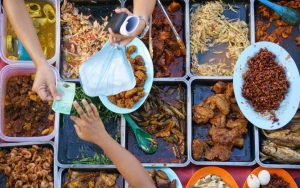
Food is one of the main reasons to spend more time in Chinatown. The area includes traditional hawker stalls, kopitiams, bakeries, noodle shops and newer restaurants operating from restored shophouses.
For specific recommendations, use our dedicated guide to the best things to eat in Petaling Street.
Curry Laksa
Madras Lane is one of the neighbourhood’s best-known food lanes. Curry laksa is among its signature dishes, featuring noodles in a rich, aromatic coconut-based curry broth.
The dining environment is simple, warm and crowded, particularly at lunchtime. Seating may be shared, and stalls can close once their food sells out.
Yong Tau Foo
Yong tau foo is another Madras Lane favourite. Diners choose from vegetables, tofu, beancurd skin, fish balls and other items filled or paired with fish paste.
The selected pieces may be served in soup or with sauces, depending on the stall. It works well as a shared side dish alongside noodles.
Chee Cheong Fun
Chee cheong fun consists of soft rice noodle rolls served with sauces and optional chilli. Kuala Lumpur versions commonly use a mixture of sweet sauce and fermented shrimp paste sauce, creating a deeper and more savoury flavour.
It makes a convenient breakfast, snack or accompaniment to yong tau foo.
KL Hokkien Mee
Kuala Lumpur-style Hokkien mee is very different from the Penang and Singapore versions. Thick yellow noodles are fried in a dark sauce, traditionally with pork, prawns, cabbage and crispy lard.
The dish is rich, smoky and best shared, especially if you plan to try several other foods around Chinatown.
Roast Meat Rice
Char siu, roast pork and roast chicken remain Chinatown staples. Some businesses begin serving in the morning and become particularly busy during lunch.
A mixed roast meat plate is an easy choice for visitors who want a quick, filling meal without committing to a long restaurant stop.
Beef Noodles
Beef noodles are another long-established part of Chinatown’s food identity. Depending on the business, they may be served dry with minced meat and gravy or in a clear, aromatic broth with beef slices, tripe and meatballs.
Hand-Pulled Noodles
Jalan Sultan has become known for restaurants specialising in hand-pulled noodles, including Lanzhou-style beef noodles and dishes from China’s northwestern regions.
The noodles are made by stretching and folding dough into long strands, giving them a distinctive chewy texture. See more options in our guide to the best mee tarik in Kuala Lumpur.
Traditional Pastries and Biscuits
Old-fashioned bakeries around Chinatown sell egg tarts, kaya pastries, wedding biscuits and other Chinese baked goods. These make convenient snacks or edible souvenirs.
Availability varies throughout the day, so visit earlier if you are looking for a particular pastry.
Air Mata Kucing
Air mata kucing is a cooling herbal drink associated with Petaling Street. It is typically made with dried longan, winter melon and other ingredients, producing a sweet drink that is especially welcome in Kuala Lumpur’s humid weather.
Kopitiams and Cafés in Chinatown
Petaling Street’s café culture reflects the wider transformation of Chinatown.
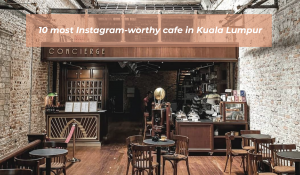
Traditional kopitiams continue to serve local coffee, toast, soft-boiled eggs and noodle dishes, while newer cafés occupy restored shophouses with exposed brickwork, inner courtyards and contemporary interiors.
The contrast allows visitors to experience two different sides of the neighbourhood:
- Choose a kopitiam for traditional breakfast and everyday local atmosphere.
- Choose a modern café for specialty coffee, brunch or an air-conditioned break.
- Visit both to understand how Chinatown is changing.
Rather than remaining on the main market street, explore Jalan Sultan, Jalan Tun H.S. Lee, Lorong Panggung and the lanes around Kwai Chai Hong. Our guide to the best cafés in Petaling Street provides more detailed recommendations.
Restaurants and Contemporary Dining
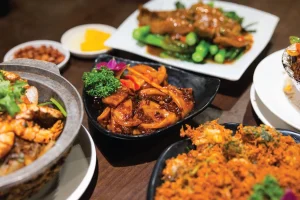
Chinatown’s newer restaurants frequently use old shophouses in creative ways. Some preserve their courtyards, exposed walls and timber features, while others reinterpret Malaysian and Chinese flavours through contemporary menus.
The district now offers:
- Modern Malaysian cuisine
- Chinese comfort food
- Plant-based dining
- Casual sharing plates
- Regional Chinese specialities
- Brunch and all-day dining
- Date-night restaurants
- Small chef-led concepts
This dining scene gives visitors a reason to return after the daytime market begins winding down.
Bars and Nightlife Around Petaling Street
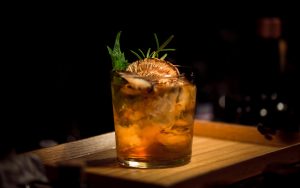
After sunset, Chinatown develops a different personality. Lanterns and signs illuminate the lanes, restaurants become busier and cocktail bars open behind discreet doors or upstairs entrances.
Many bars in the neighbourhood embrace the architecture and stories of Chinatown, using former brothels, warehouses, pharmacies and traditional shophouses as part of their concepts.
The area is particularly popular for:
- Speakeasy-style cocktail bars
- Date-night drinks
- Bar hopping
- Small live performances
- Late-night meals
- Creative, story-driven cocktail menus
Some bars have limited seating or require reservations on weekends. Dress codes are generally relaxed, but individual venues may set their own policies.
Shopping at Petaling Street
The central market is known for affordable clothing, bags, accessories, watches, toys, phone accessories and souvenirs.
Haggling is common, but it should remain friendly. Ask for the price before negotiating and only begin bargaining if you are genuinely interested in buying.
Be aware that some stalls sell imitation branded goods. Quality can vary considerably, and travellers should consider the customs regulations of their home country before purchasing counterfeit products.
For more distinctive souvenirs, combine Petaling Street with Central Market, where there is a stronger focus on Malaysian crafts, batik and artwork.
Petaling Street During the Day or at Night
Petaling Street is worth seeing at both times, but the experience is different.
Visiting in the Morning
Morning is best for temple visits, traditional breakfast, street photography and a quieter walk through the surrounding heritage lanes.
Not every market stall or modern venue will be open yet, but the district feels more local and less crowded.
Visiting in the Afternoon
The afternoon provides the widest combination of food, shopping and attractions. However, this is also the hottest part of the day.
Plan indoor stops at Central Market, REXKL or a café between outdoor walks.
Visiting in the Evening
The main market becomes livelier in the evening, while restaurants and bars begin filling up. The lights, crowds and street activity create the atmosphere most visitors associate with Petaling Street.
If you want to experience both sides of the neighbourhood, arrive around 3:00pm or 4:00pm and remain until after dinner.
Best Time to Visit Petaling Street
The best overall time to visit is from late afternoon into the evening. Temperatures begin to ease, most businesses are operating and you can see Chinatown transition from a daytime heritage district into a food and nightlife destination.
For photography and temple visits, come between 8:00am and 10:00am. For food hunting, late morning and lunchtime are ideal, although popular stalls may be crowded.
Opening hours vary between market vendors, food stalls, temples and individual businesses. Check directly before travelling if there is a specific place you do not want to miss.
Suggested Petaling Street Itineraries
A Quick Two-Hour Visit
Begin at Pasar Seni station and walk towards Central Market. Continue to Sri Mahamariamman Temple and Guan Di Temple before entering the main Petaling Street market.
Finish with a drink, snack or quick meal around Madras Lane.
Half-Day Chinatown Itinerary
Start with breakfast at a kopitiam before visiting Sri Mahamariamman Temple, Guan Di Temple and Sin Sze Si Ya Temple.
Walk through Petaling Street, have lunch around Madras Lane and then explore Kwai Chai Hong, Lorong Panggung and REXKL. End with coffee or a traditional pastry.
Full-Day Heritage and Food Itinerary
Spend the morning exploring Chinatown’s temples and food streets. After lunch, visit Central Market before walking towards the Dayabumi Complex, Masjid Jamek and the River of Life.
Continue to Merdeka Square in the late afternoon before returning to Chinatown for dinner and drinks. This route creates a broader introduction to Kuala Lumpur’s historic centre.
How to Get to Petaling Street
By MRT
Take the MRT Kajang Line to Pasar Seni station. Follow the signs towards Chinatown or Jalan Petaling. The entrance to the market is approximately five minutes away on foot.
By LRT
Take the Kelana Jaya Line to Pasar Seni station. The LRT and MRT platforms are connected within the same interchange.
Masjid Jamek station is another option. From there, Petaling Street is approximately 10 to 15 minutes away on foot through the historic centre.
By Monorail
Maharajalela Monorail station is around a 10-minute walk from the southern side of Chinatown, depending on your exact destination.
By Bus
Several public bus routes stop around Pasar Seni, which functions as an important central-city transport hub. Routes can change, so check a live journey-planning app before travelling.
By Ride-Hailing
Use Petaling Street, Jalan Sultan, REXKL or Central Market as the destination, depending on which side of Chinatown you intend to explore.
Roads around the market can become congested, particularly in the evening. Drop-offs may take place on a nearby street rather than directly beside the market entrance.
By Car
Driving is possible, but it is not the most convenient option. Street parking is limited, private car parks can fill quickly and traffic is frequently slow.
Public transport is usually faster and allows you to continue walking towards Central Market, Masjid Jamek and Merdeka Square without returning to collect your car.
For further transport advice, read our guide to getting around Kuala Lumpur.
Is Petaling Street Walkable?
Yes. Petaling Street and the wider Chinatown district are among the most walkable parts of Kuala Lumpur.
Most major attractions are within 5 to 15 minutes of one another. However, pavements can be uneven, sheltered walkways may be obstructed and road crossings require attention.
Wear comfortable shoes and bring an umbrella, as it is useful for both strong sun and sudden rain.
Where to Stay Near Petaling Street
Chinatown is one of the best central areas for budget-conscious visitors and travellers who prefer heritage character over a conventional business district.
Accommodation includes:
- Backpacker hostels
- Budget hotels
- Boutique hotels in restored shophouses
- Contemporary design hotels
- Mid-range chain hotels
- Serviced apartments around the wider city centre
Staying here places you close to public transport, affordable food, nightlife and major heritage attractions. Pasar Seni also provides convenient rail access to KL Sentral, Bukit Bintang and other parts of the city.
The area can be noisy, especially near market streets and nightlife venues. Light sleepers should request an internal or higher-floor room.
Compare Chinatown with other neighbourhoods in our guide to where to stay in Kuala Lumpur.
Is Petaling Street Safe?
Petaling Street is generally safe for visitors, particularly during normal market hours when the area is busy.
As in any crowded tourist district, remain alert to petty theft. Keep your phone, wallet and bag secure, especially inside the covered market and around packed food lanes.
A few practical precautions include:
- Keep bags closed and positioned in front of you.
- Avoid displaying large amounts of cash.
- Pay attention when crossing surrounding roads.
- Use well-lit streets at night.
- Confirm prices before buying or ordering.
- Book a ride or walk towards Pasar Seni station if you feel uncomfortable late at night.
Solo travellers can explore the area comfortably, although quieter lanes may feel less active after businesses close.
Practical Tips for Visiting
Dress for the Weather
Kuala Lumpur is hot and humid throughout the year. Wear breathable clothing and take regular breaks indoors.
Carry Some Cash
Many restaurants and retailers accept cards or QR payments, but small market stalls and traditional food vendors may still prefer cash.
Respect Places of Worship
Dress modestly, lower your voice and follow photography rules. Shoes must be removed before entering certain temples.
Explore Beyond the Canopy
The market is only one part of Chinatown. Some of the district’s best architecture, cafés, temples and food businesses are found on the surrounding streets.
Do Not Overschedule
Chinatown rewards unplanned wandering. Allow additional time for side lanes, snacks, murals and unexpected discoveries.
Check Current Business Hours
Food stalls and independent businesses may close on different days, sell out early or change their opening schedules.
Nearby Attractions to Combine with Petaling Street
Central Market
Located within a short walk of Petaling Street, Central Market is ideal for Malaysian handicrafts, batik and souvenirs. Its indoor setting also makes it a useful stop during hot afternoons or rainy weather.
Dayabumi Complex
The Dayabumi Complex is one of Kuala Lumpur’s most distinctive postmodern landmarks. Its Islamic-inspired façade and prominent position beside the Klang River make it a fascinating architectural contrast to Chinatown’s shophouses.
River of Life
The River of Life follows the confluence of the Klang and Gombak rivers, close to where Kuala Lumpur developed. The riverfront is especially atmospheric in the evening when the surrounding buildings are illuminated.
Masjid Jamek
Set at the meeting point of the rivers, Masjid Jamek Sultan Abdul Samad is one of Kuala Lumpur’s oldest mosques. Its domes, minarets and riverside setting make it a highlight of the historic centre.
Merdeka Square
Merdeka Square is surrounded by some of Kuala Lumpur’s most important civic and colonial-era landmarks. It is around 15 to 20 minutes from Petaling Street on foot, depending on your route and pace.
Stadium Merdeka
Located south of Chinatown, Stadium Merdeka was where Malaya’s independence was formally declared in 1957. Its national significance adds an important historical dimension to a Chinatown walking itinerary.
Is Petaling Street Worth Visiting?
Yes—particularly if you explore beyond the souvenir market.
Visitors expecting a pristine heritage precinct may find Petaling Street crowded, commercial and visually chaotic. That disorder, however, is part of its identity as a working inner-city district.
Its value lies in the layers surrounding the market: active temples, long-running food businesses, migrant histories, old shophouses, contemporary creative spaces and the ongoing reinvention of Chinatown.
Petaling Street may not represent every aspect of modern Kuala Lumpur, but it remains one of the best places to understand how the city developed and how its oldest neighbourhoods continue to change.
Frequently Asked Questions About Petaling Street
What is Petaling Street famous for?
Petaling Street is famous for its covered street market, Chinese heritage, temples, local food and bargain shopping. The surrounding Chinatown district has also developed a strong café, restaurant and cocktail-bar scene.
Is Petaling Street free to visit?
Yes. There is no admission fee to enter Petaling Street or walk through the market. Individual attractions, food, shopping and guided tours may involve separate costs.
How long should I spend at Petaling Street?
Allow at least two hours for the main market, temples and a meal. A half day is better if you want to include Kwai Chai Hong, REXKL, Central Market and the surrounding heritage streets.
What time does Petaling Street open?
Individual vendors maintain their own schedules. Many market stalls begin opening from late morning and continue into the evening, while traditional breakfast businesses and temples may open earlier.
Is Petaling Street better during the day or at night?
Visit during the day for heritage architecture, temples and photography. Visit in the evening for a busier market atmosphere, dinner and nightlife. Arriving in the late afternoon allows you to experience both.
What should I eat at Petaling Street?
Popular choices include curry laksa, yong tau foo, chee cheong fun, beef noodles, roast meats, KL Hokkien mee, traditional pastries and air mata kucing.
Can I bargain at Petaling Street?
Bargaining is accepted at many market stalls. Keep negotiations friendly, compare prices and only bargain when you are interested in completing a purchase.
What is the nearest train station?
Pasar Seni is the nearest station. It serves both the MRT Kajang Line and LRT Kelana Jaya Line and is approximately five minutes from the main market.
Is Petaling Street suitable for families?
Yes. Families can visit the market, temples, murals and Central Market together. Keep children close in crowded areas and take breaks during the hottest part of the day.
Is Chinatown a good place to stay in Kuala Lumpur?
Yes, especially for travellers seeking affordable accommodation, public transport and a walkable historic setting. However, some streets can be busy or noisy at night.
Petaling Street is more than a market and more than a tourist photo stop. It is one of the few neighbourhoods where Kuala Lumpur’s early trading history, religious diversity, food culture and contemporary creative scene remain visible within the same streets.
Walk beneath the market canopy, but do not stop there. Enter the temples, look above the shop signs, follow the lanes towards Kwai Chai Hong, sit down for a bowl of noodles and continue through the historic centre.
The more slowly you explore Petaling Street, the more of Kuala Lumpur it reveals.